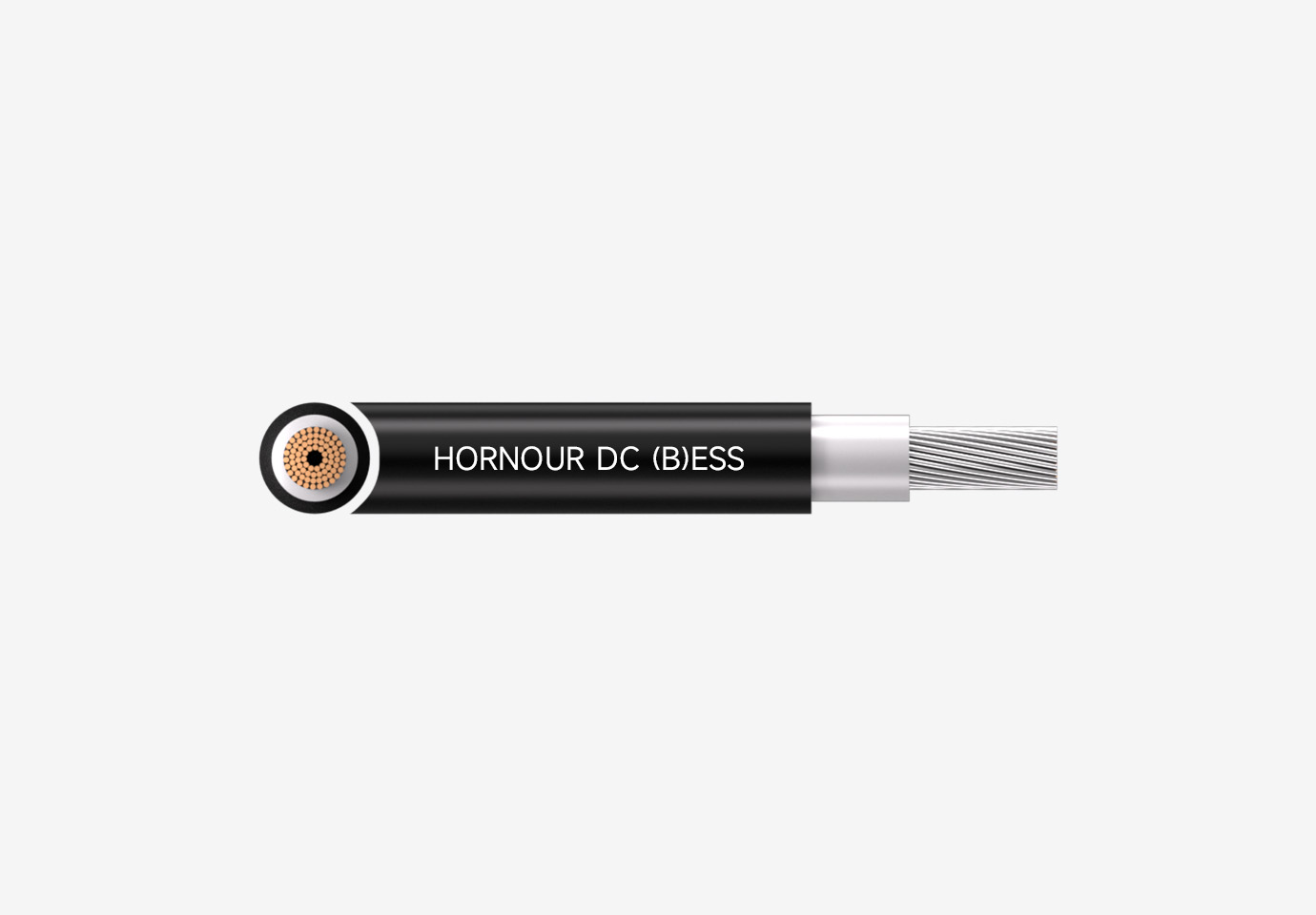
H1Z2Z2-K Nylon-Barrier Rodent-Resistant Solar Cable
H1Z2Z2-K 1.5 kV DC solar cable with a nylon barrier beneath the outer sheath for PV routes that need a non-metallic physical defence against rodent damage.

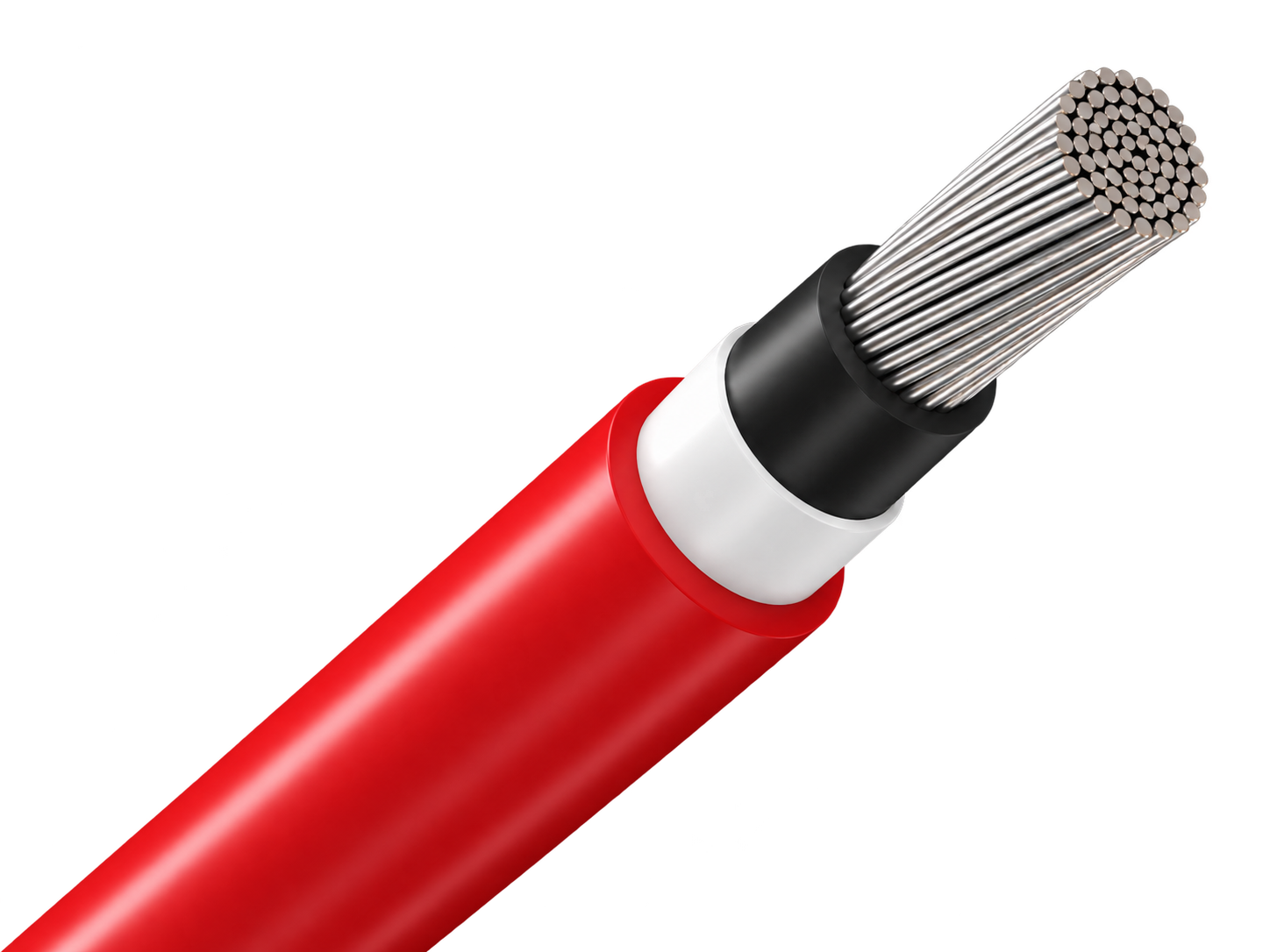
H1Z2Z2-K 1.5 kV DC solar cable with a nylon barrier beneath the outer sheath for PV routes that need a non-metallic physical defence against rodent damage.
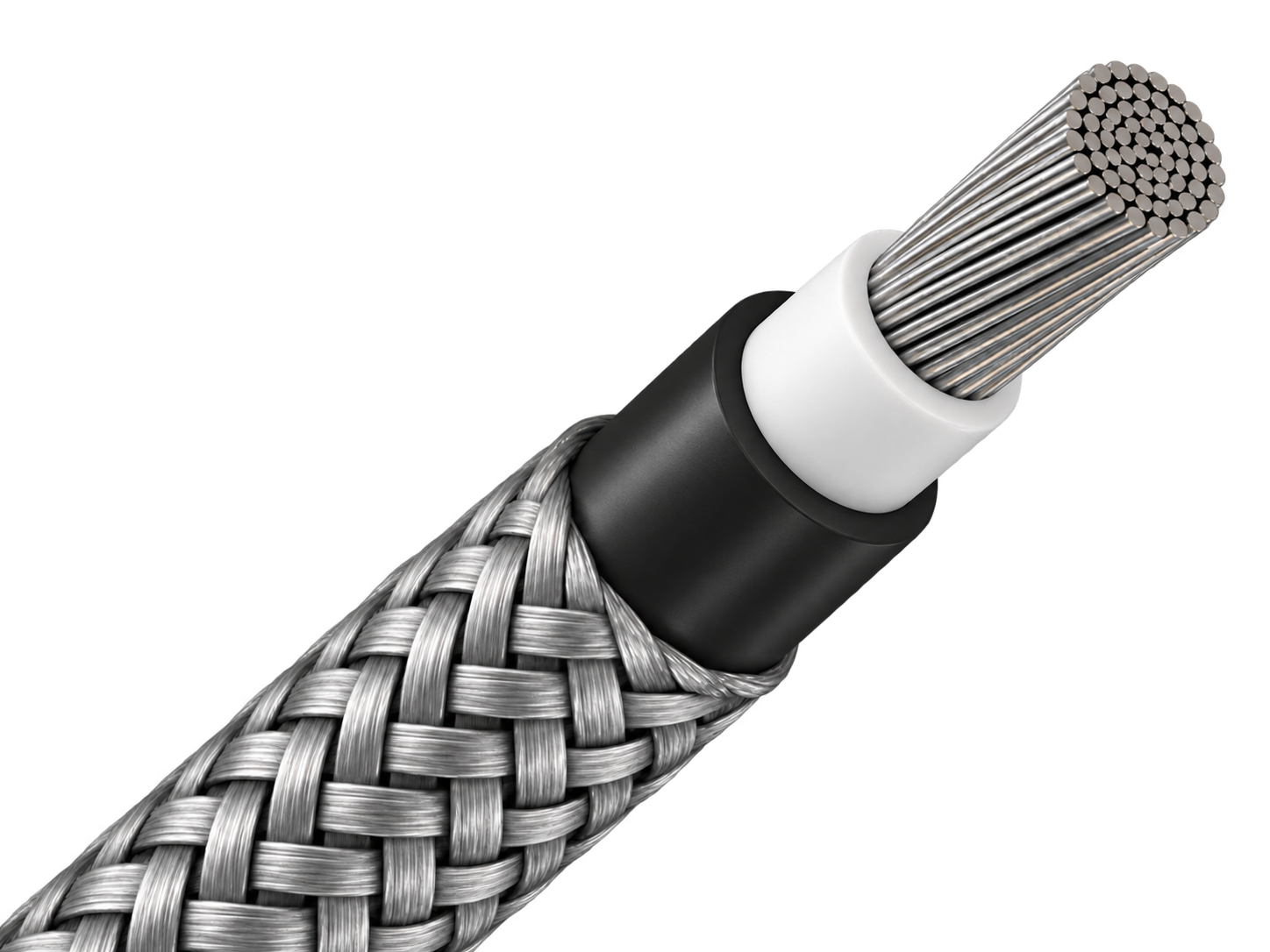
H1Z2Z2-K 1.5 kV DC solar cable with external steel-wire armour for fixed PV routes exposed to severe rodent activity or mechanical damage.
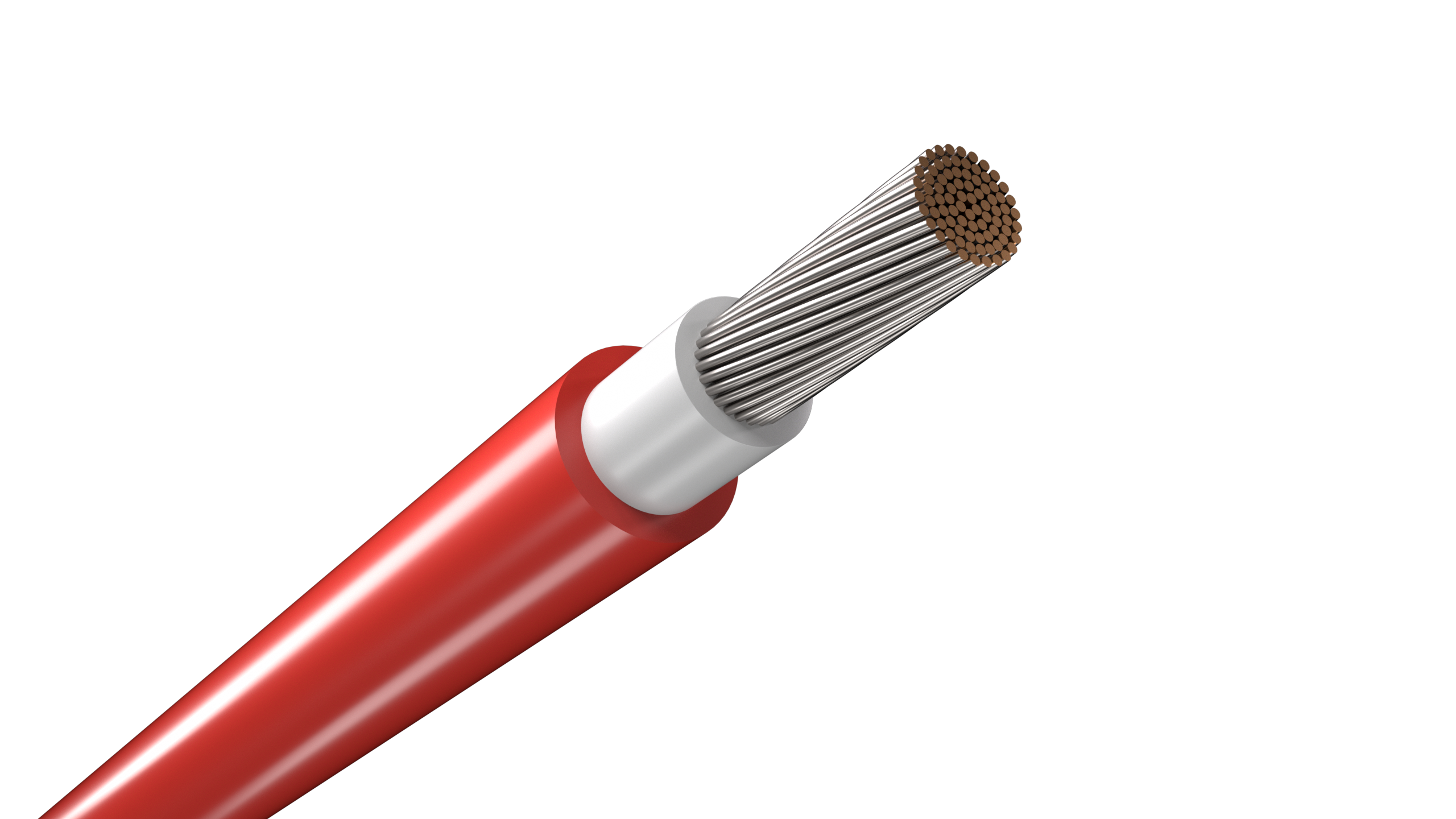
H1Z2Z2-K 1.5 kV DC solar cable with a capsaicin-based rodent-deterrent sheath for PV routes where chemical protection is preferred over added armour.
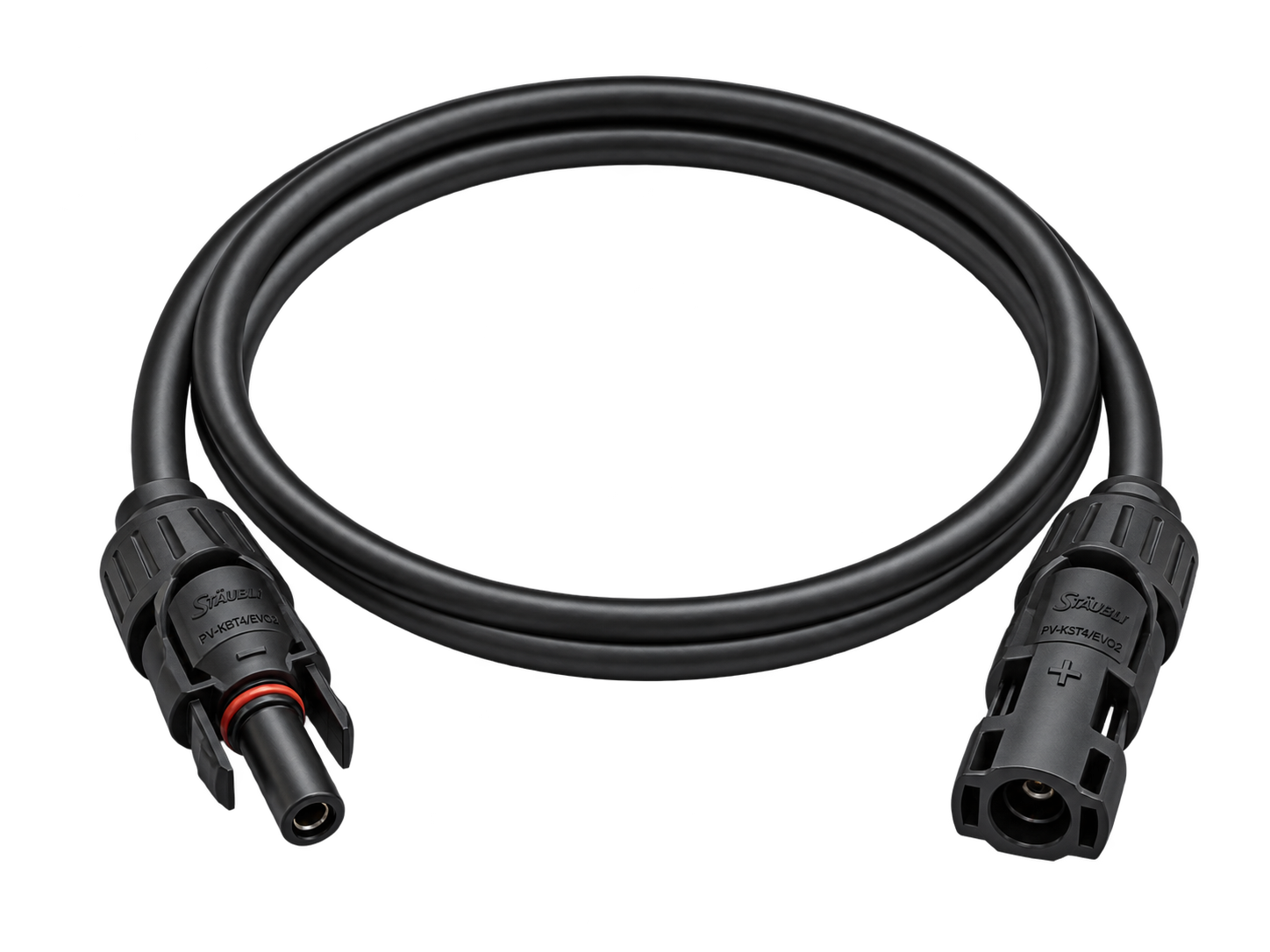
Factory-terminated PV extension cable for controlled module, string and combiner-box connections.
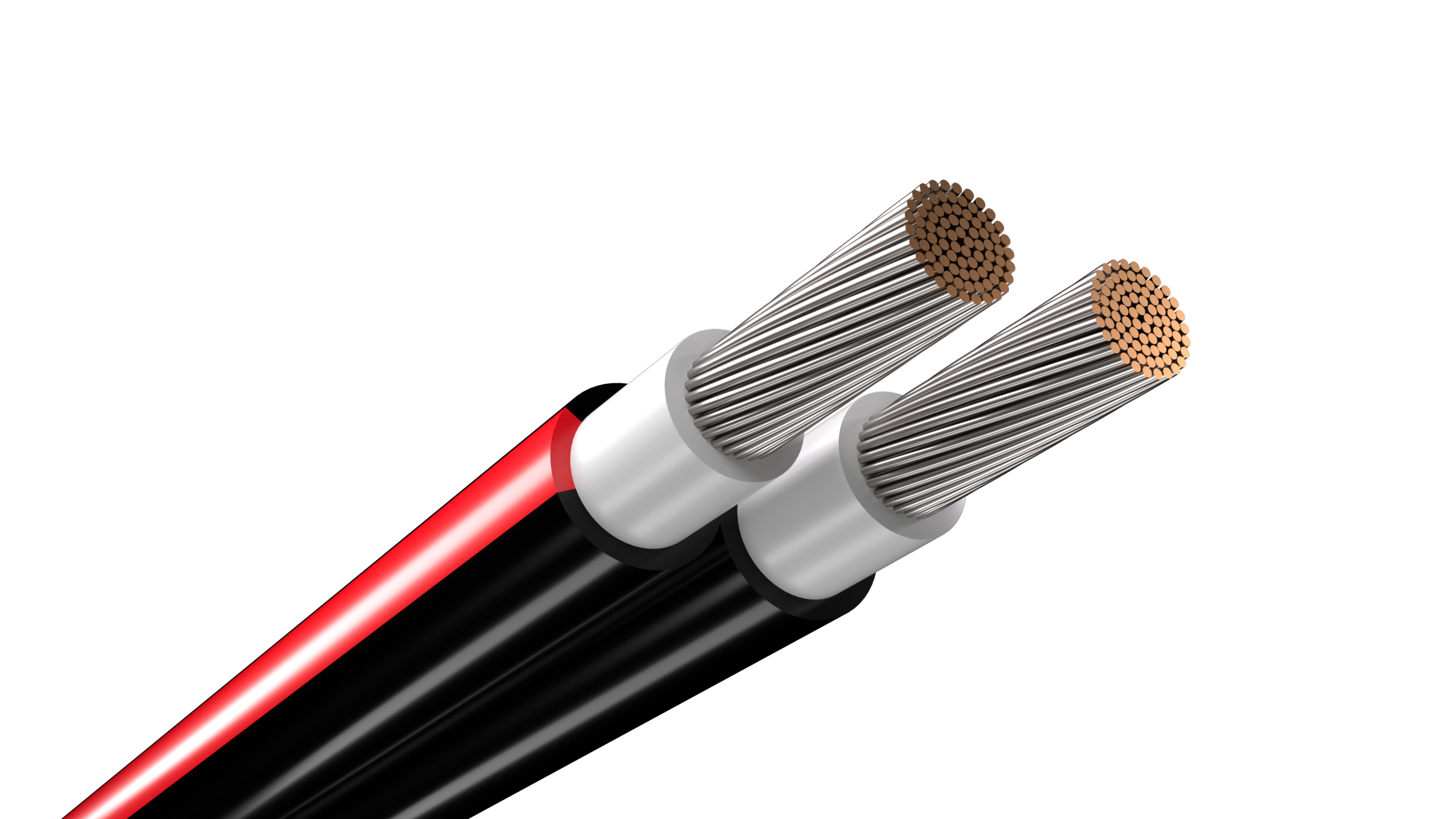
Joined twin PV cable for orderly positive and negative string routing beneath solar modules.
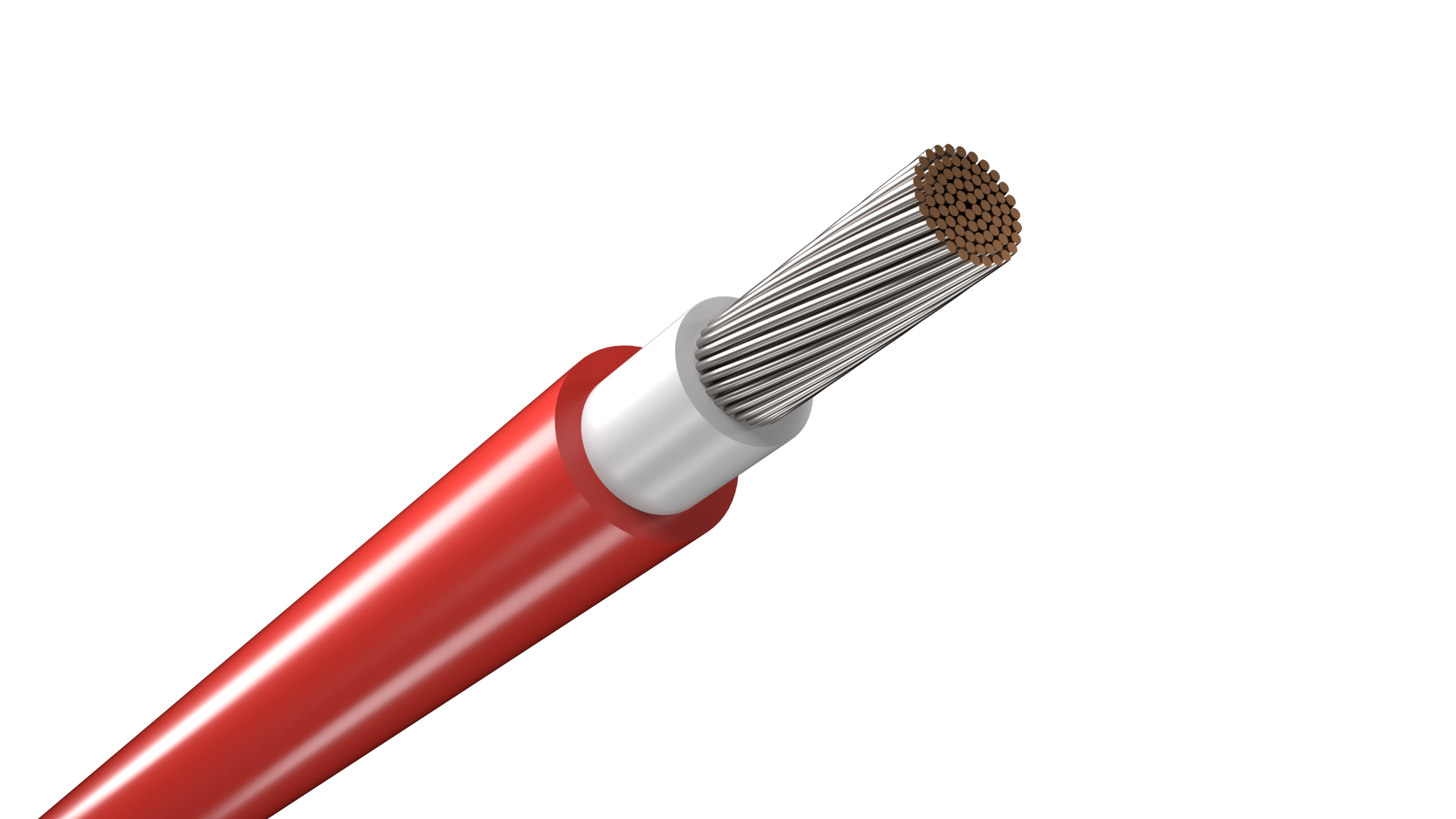
Single-core PV cable for reliable DC wiring across rooftop and ground-mounted solar arrays.
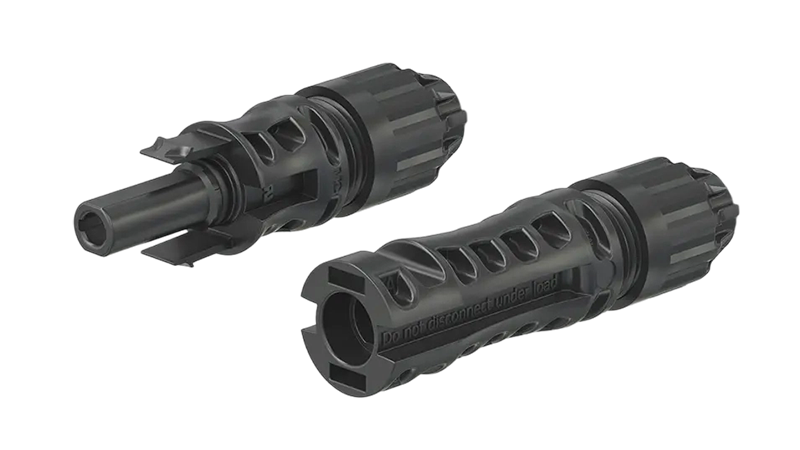
Durable DC connector for residential solar panels – UV-resistant and waterproof.
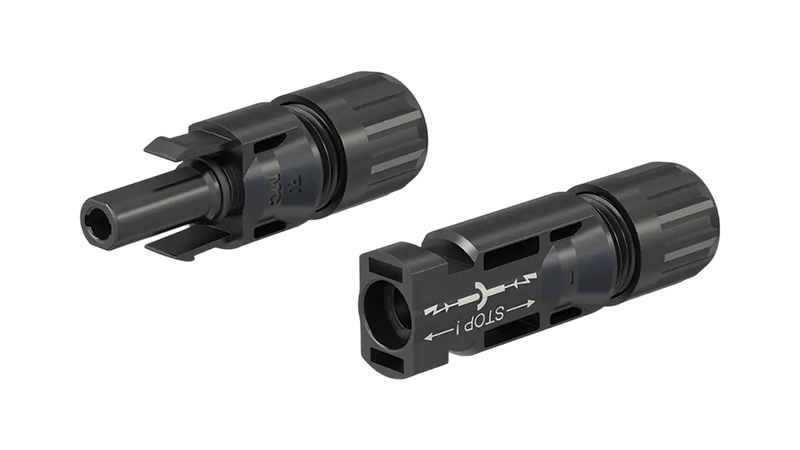
Reliable DC connection for residential photovoltaic systems, UV-resistant, waterproof, and long-lasting.
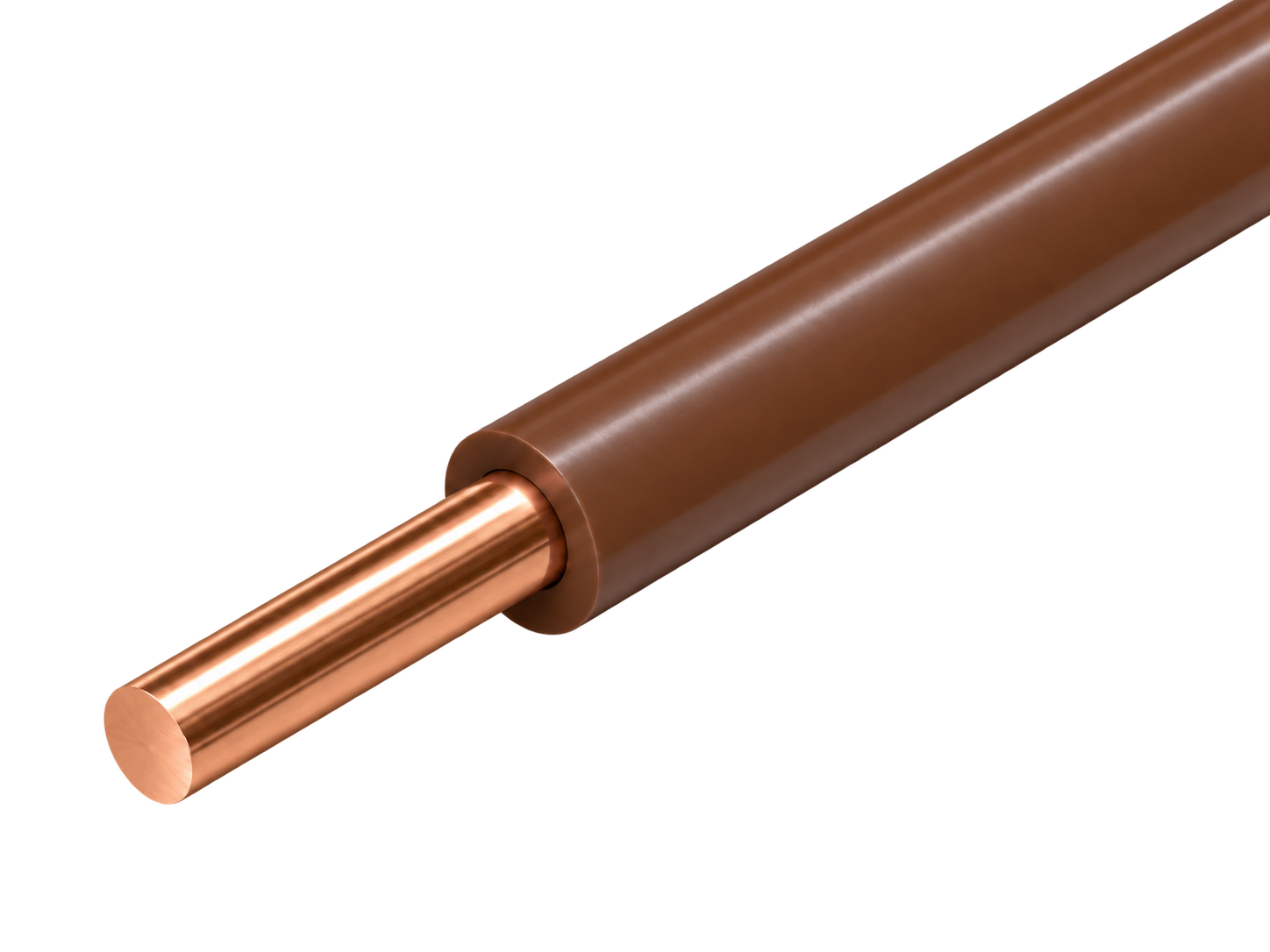
Solid 450/750 V PVC wire for stable fixed circuits in protected conduit and building installations.
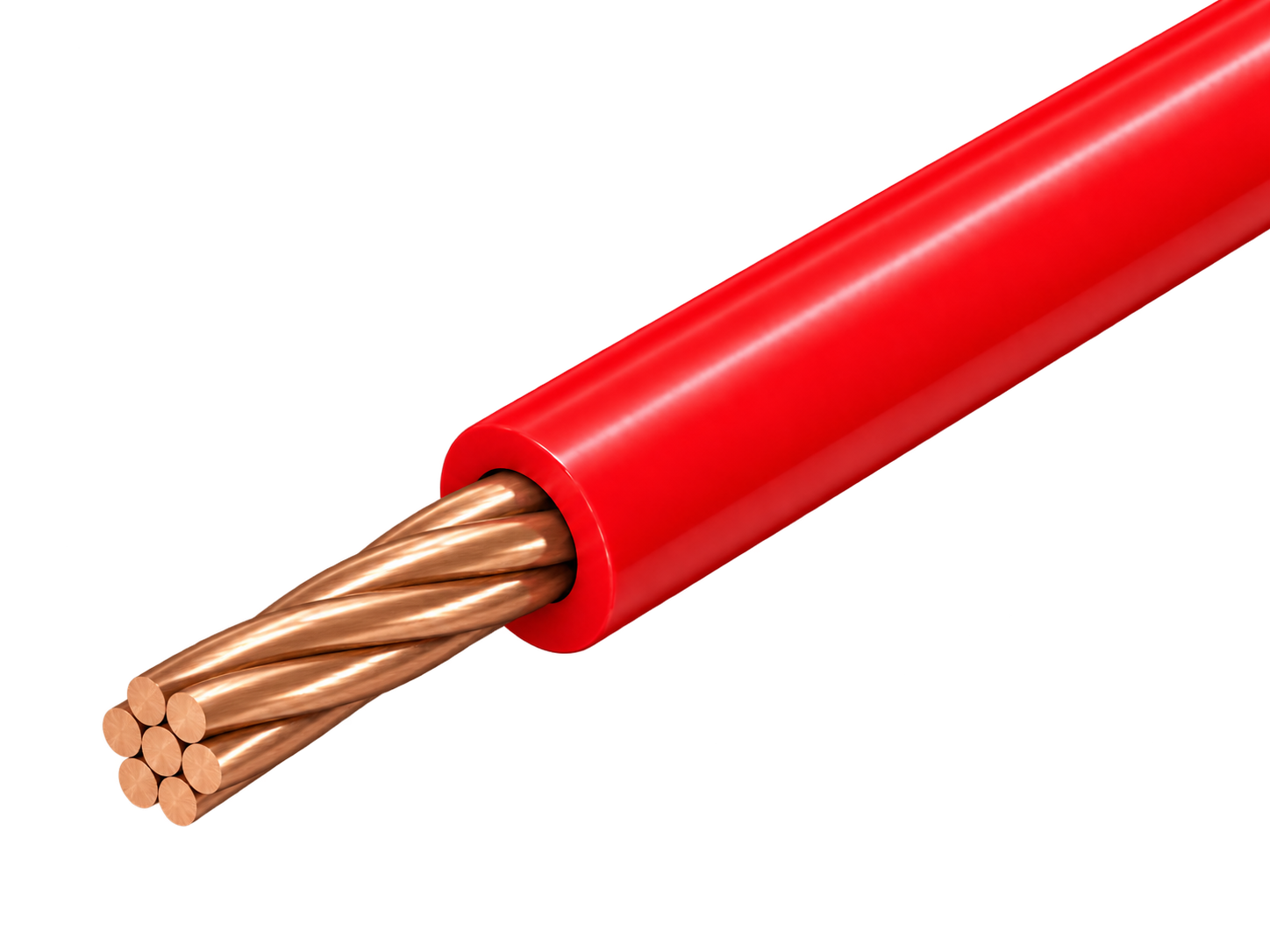
Class 2 stranded 300/500 V PVC wire for fixed equipment and panel routes needing moderate flexibility.
Solid 300/500 V PVC wire for simple, stable fixed connections inside protected equipment and conduit.
Class 2 stranded 450/750 V PVC wire for protected fixed routes requiring easier pulling and forming.
300/500 V PVC-sheathed cable for fixed surface and flush-mounted installations in Finnish building wiring.
Flexible 300/500 V PVC wire for compact equipment, switchgear and control-panel connections.
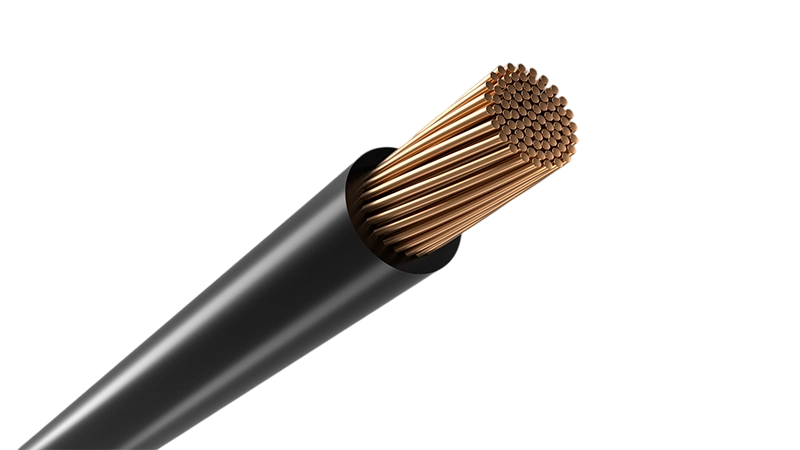
Flexible 450/750 V PVC wire for protected conduit, panel and grounding connections.
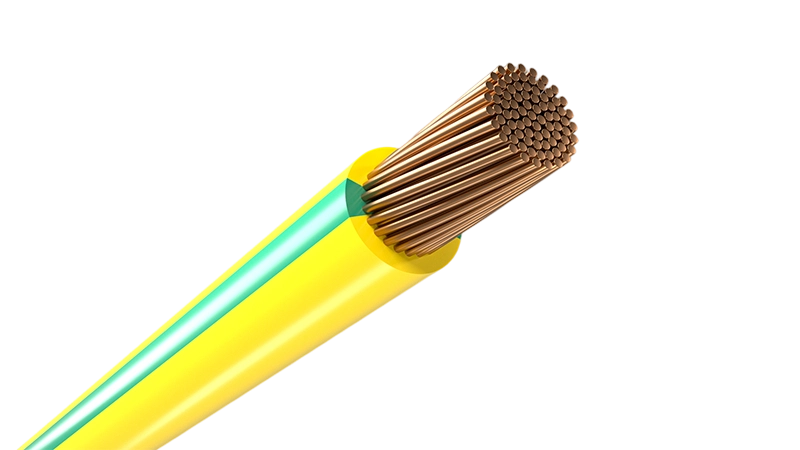
Flexible PVC insulated earthing cable for residential solar PV system grounding
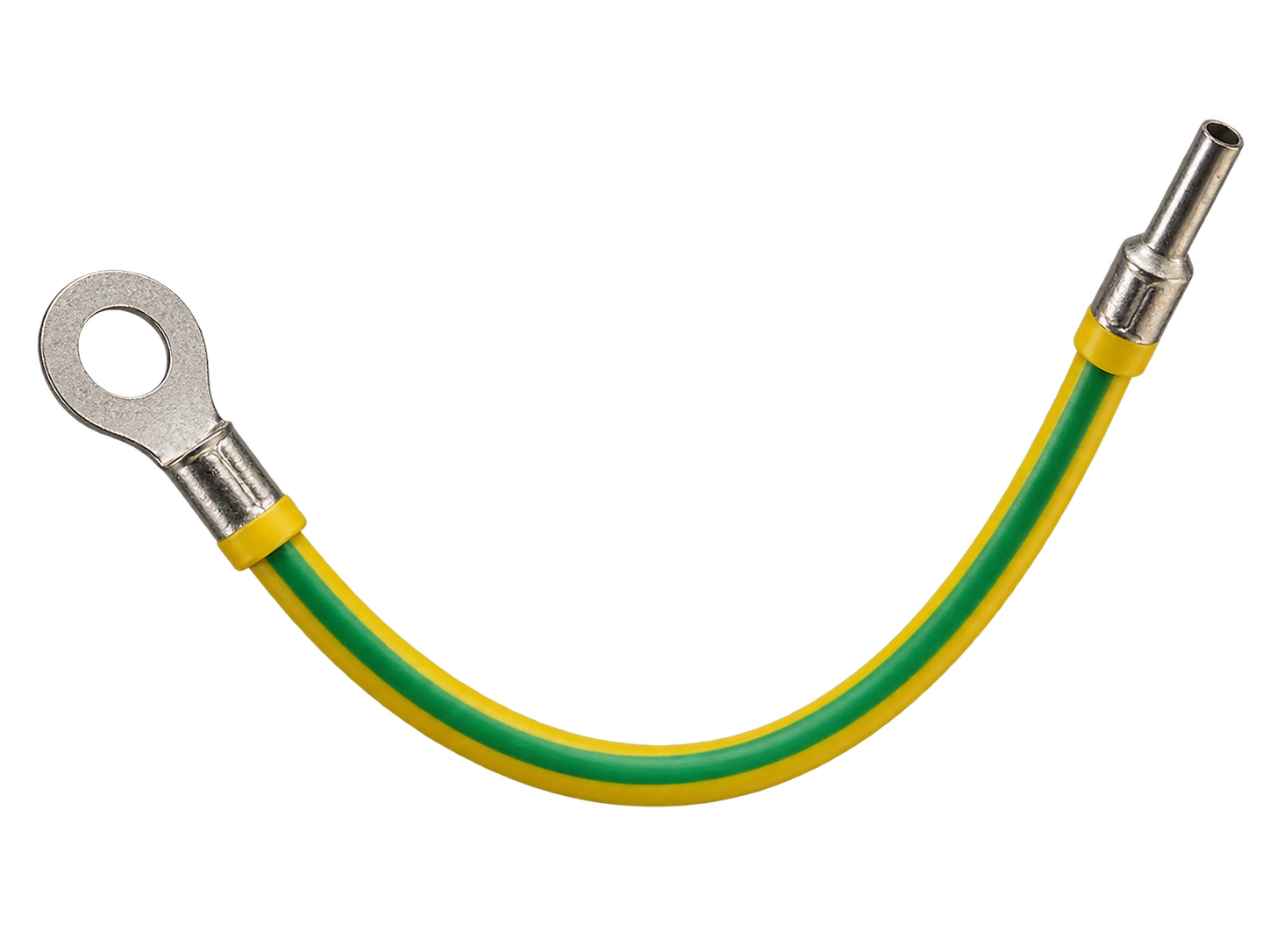
Green/yellow H07V-K grounding lead with factory-crimped ring / OT terminal for ready-to-install earthing and bonding connections.
Bare 25 mm² Class 2 stranded copper conductor for earthing, grounding and equipotential bonding.
Flexible 450/750 V PVC wire for protected conduit, panel and grounding connections.
H1Z2Z2-K 1.5 kV DC solar cable with a nylon barrier beneath the outer sheath for PV routes that need a non-metallic physical defence against rodent damage.
H1Z2Z2-K 1.5 kV DC solar cable with external steel-wire armour for fixed PV routes exposed to severe rodent activity or mechanical damage.
H1Z2Z2-K 1.5 kV DC solar cable with a capsaicin-based rodent-deterrent sheath for PV routes where chemical protection is preferred over added armour.
Factory-terminated PV extension cable for controlled module, string and combiner-box connections.
Joined twin PV cable for orderly positive and negative string routing beneath solar modules.
Single-core PV cable for reliable DC wiring across rooftop and ground-mounted solar arrays.
Flexible PVC insulated earthing cable for residential solar PV system grounding
Green/yellow H07V-K grounding lead with factory-crimped ring / OT terminal for ready-to-install earthing and bonding connections.
Bare 25 mm² Class 2 stranded copper conductor for earthing, grounding and equipotential bonding.
Flexible 450/750 V PVC wire for protected conduit, panel and grounding connections.
Flexible Eca-s1a,d1,a1 grounding cable for commercial and industrial installations
Flexible PVC insulated earthing cable for residential solar PV system grounding
Solid 450/750 V PVC wire for stable fixed circuits in protected conduit and building installations.
Class 2 stranded 300/500 V PVC wire for fixed equipment and panel routes needing moderate flexibility.
Solid 300/500 V PVC wire for simple, stable fixed connections inside protected equipment and conduit.
Class 2 stranded 450/750 V PVC wire for protected fixed routes requiring easier pulling and forming.
300/500 V PVC-sheathed cable for fixed surface and flush-mounted installations in Finnish building wiring.
Flexible 300/500 V PVC wire for compact equipment, switchgear and control-panel connections.
Flexible 450/750 V PVC wire for protected conduit, panel and grounding connections.
High-performance medium-voltage cable for demanding industrial and commercial networks
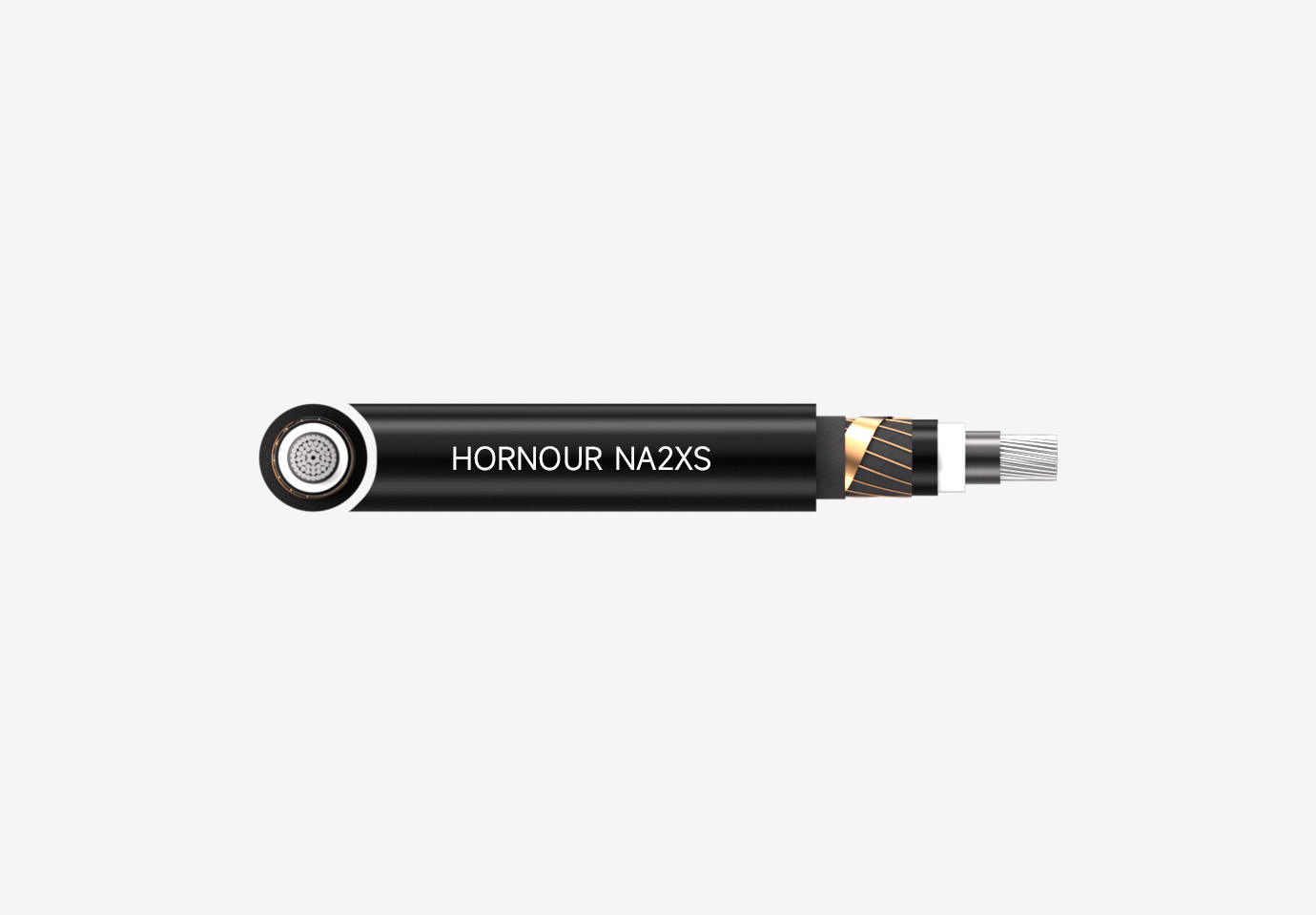
High-performance medium-voltage cable for demanding industrial and commercial networks
High-performance medium-voltage cable for demanding industrial and commercial networks
Reliable medium-voltage cable for commercial and industrial energy networks
Durable medium-voltage cable for industrial and commercial power distribution
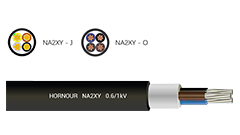
XLPE Insulated Aluminum Conductor 0.6/1 kV Power Cable
XLPE Insulated and PVC Sheathed 0.6/1 kV Power Cable for Commercial & Industrial Distribution
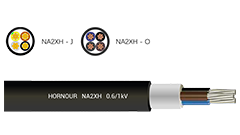
XLPE Insulated and PVC Sheathed Heavy-Duty Power Cable for Commercial & Industrial Applications
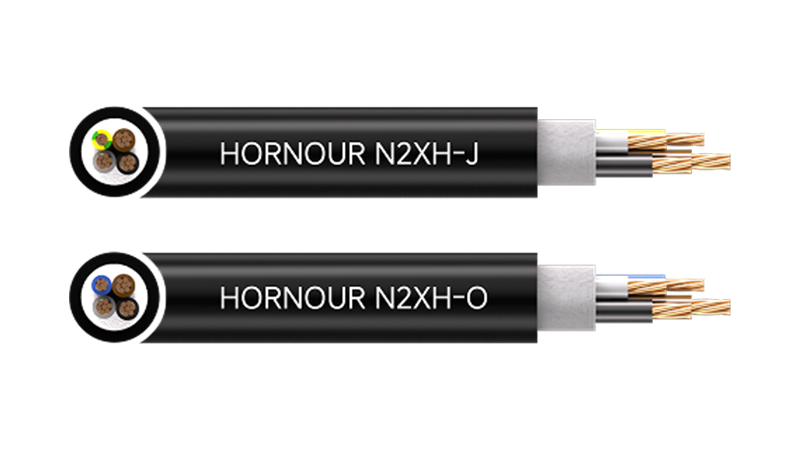
Halogen-Free XLPE Insulated 0.6/1 kV Power Cable
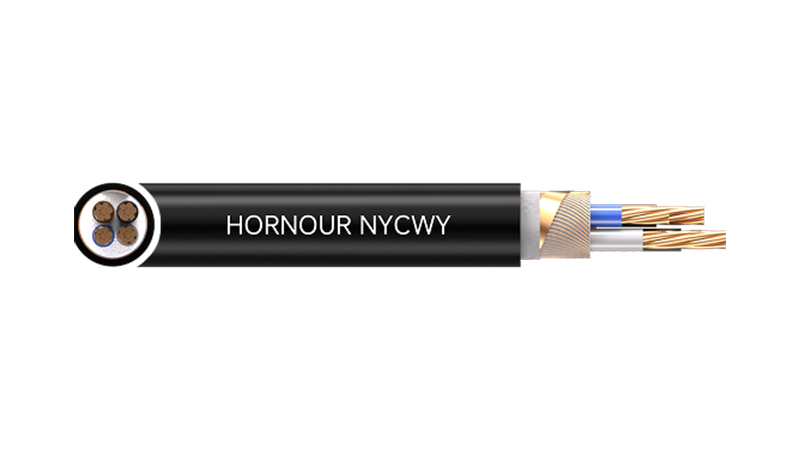
Copper Conductor Wire Armored Cable for Industrial & Commercial Installations
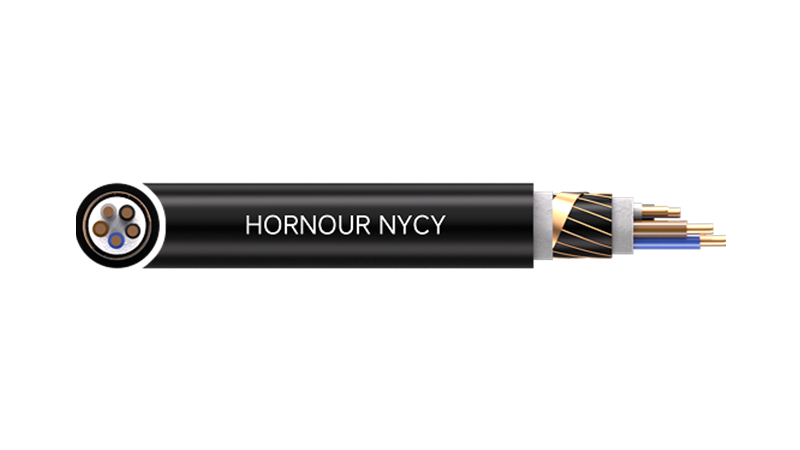
Copper Conductor Concentric Cable for Industrial & Commercial Installations
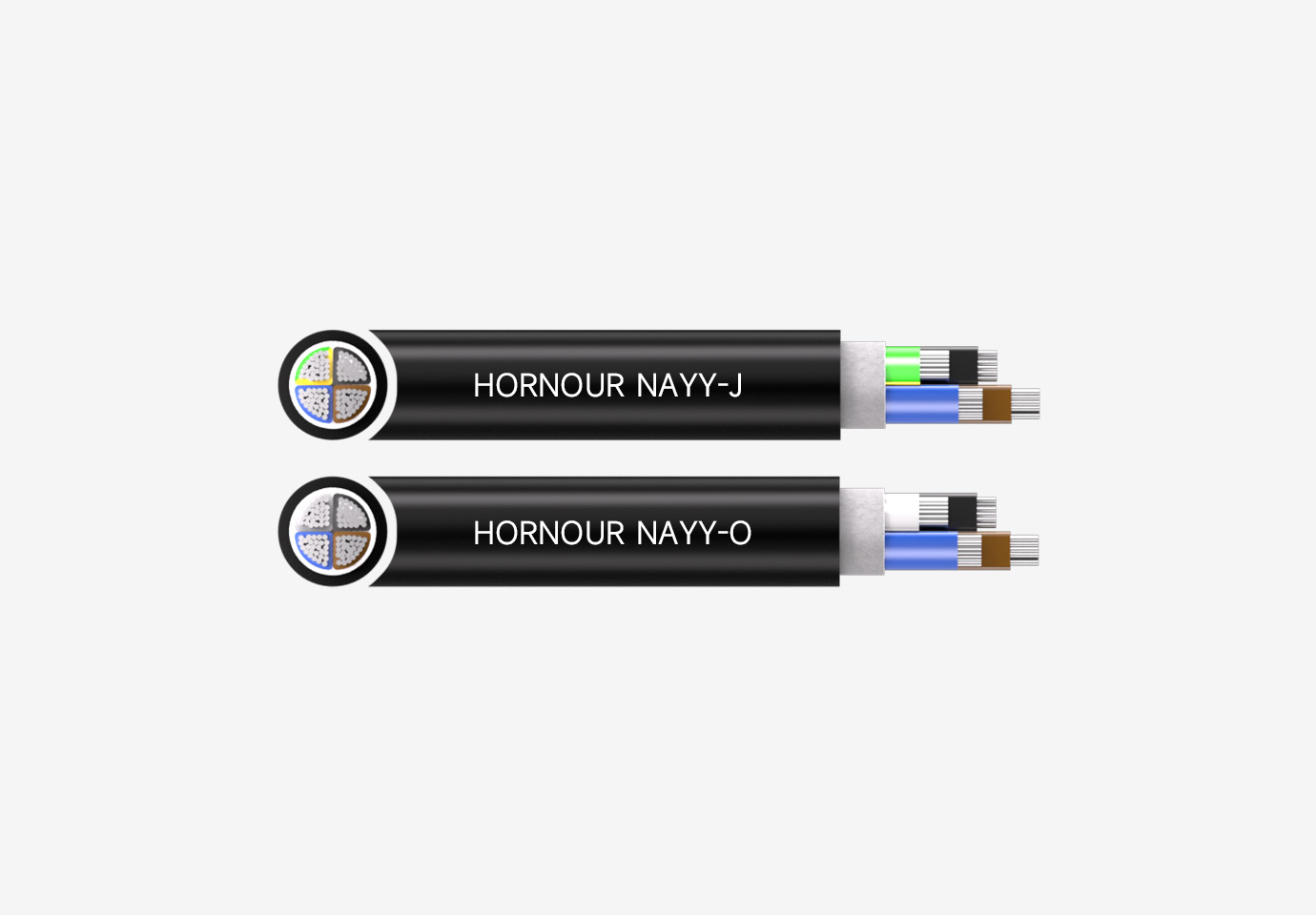
Aluminum Conductor PVC Insulated 0.6/1 kV Power Cable

hot search


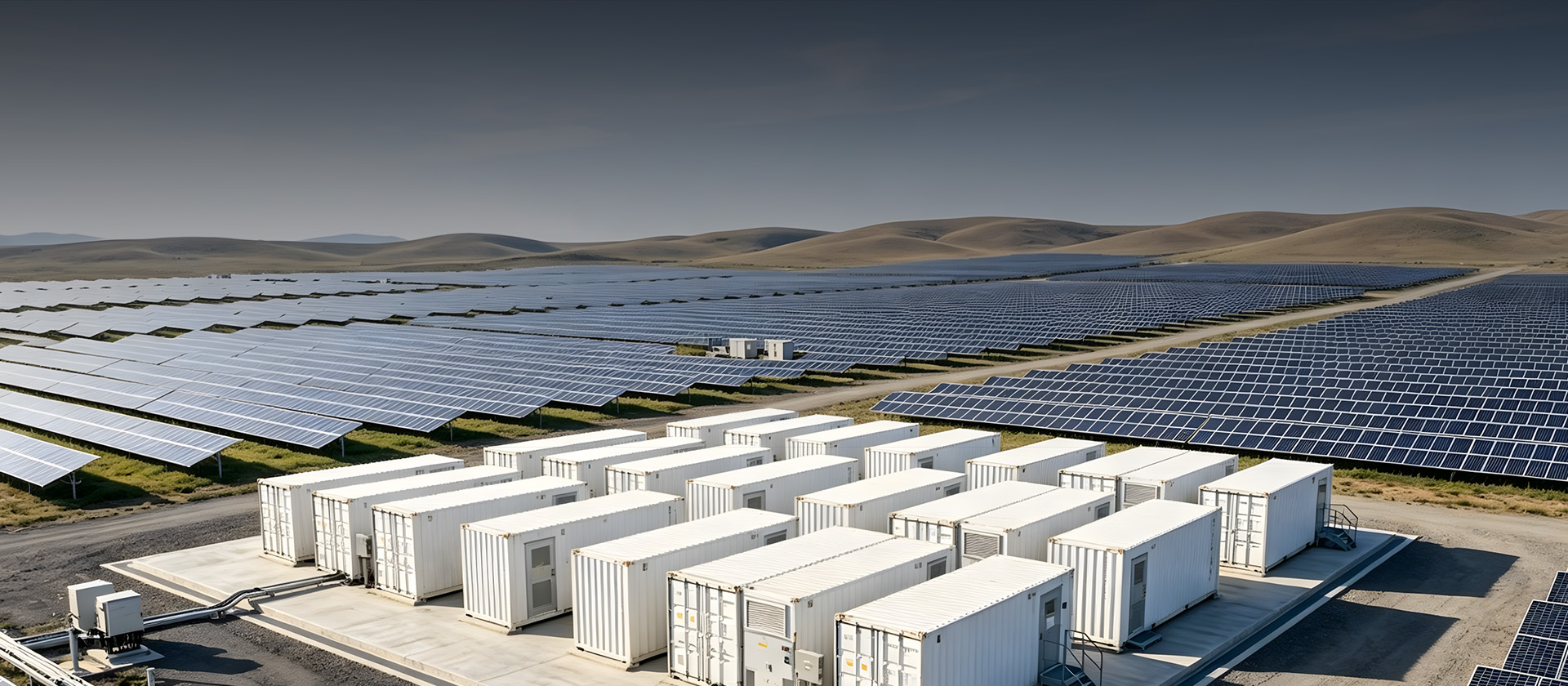
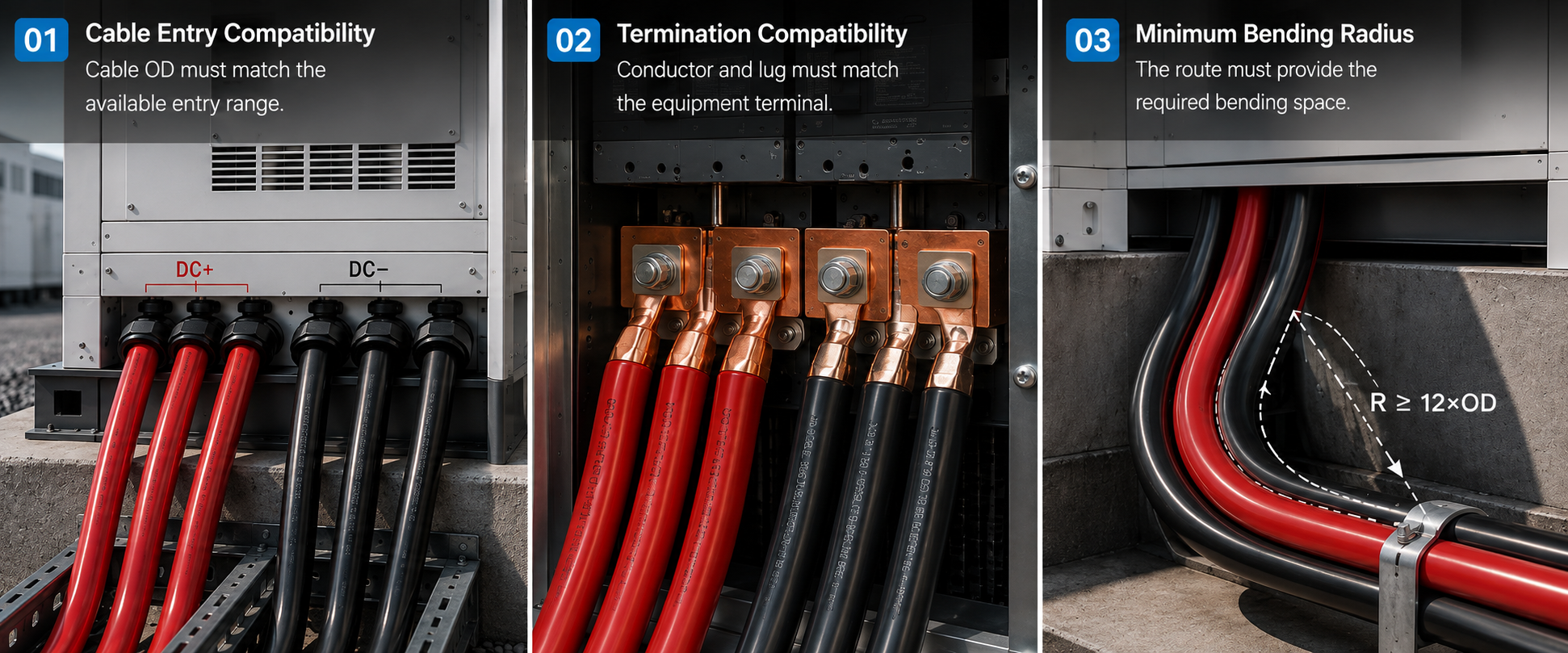
DC Cable Connections in Energy Storage Systems
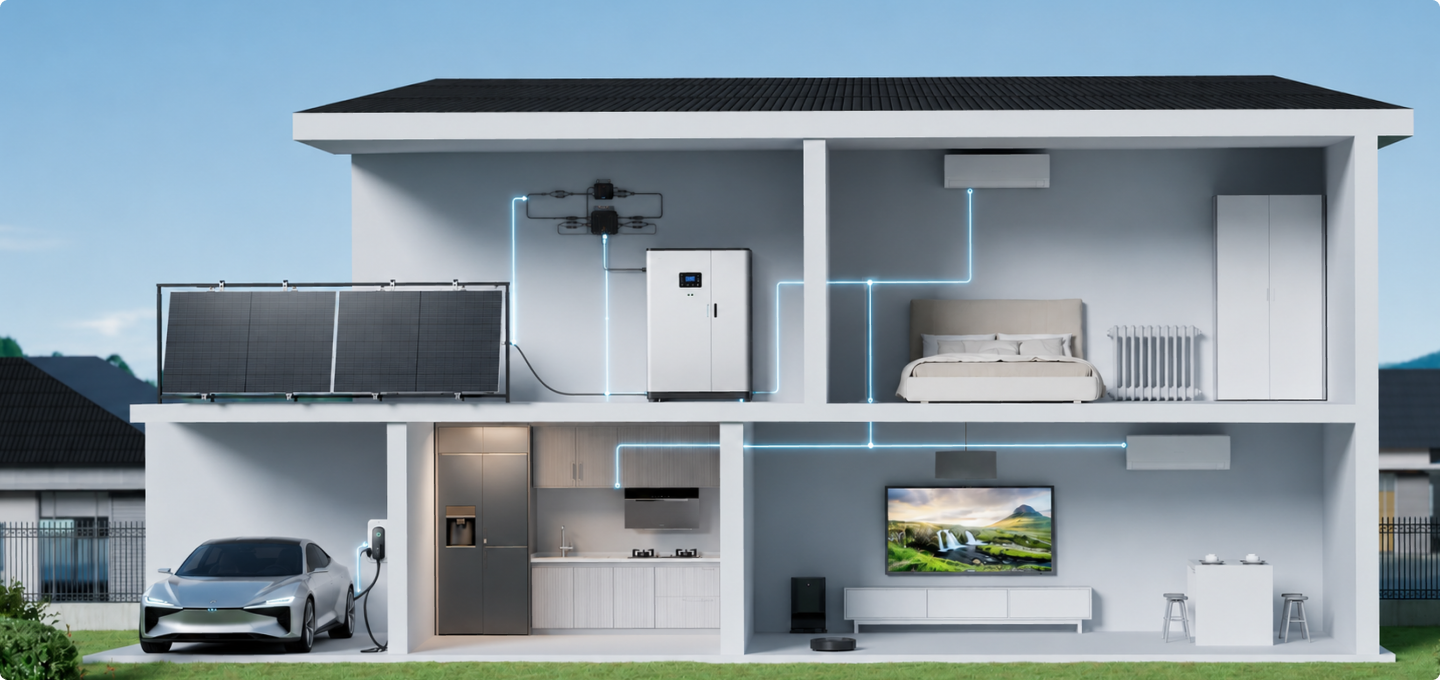
Rooftop Solar Systems
Home Energy Storage
Residential Electrical Installation


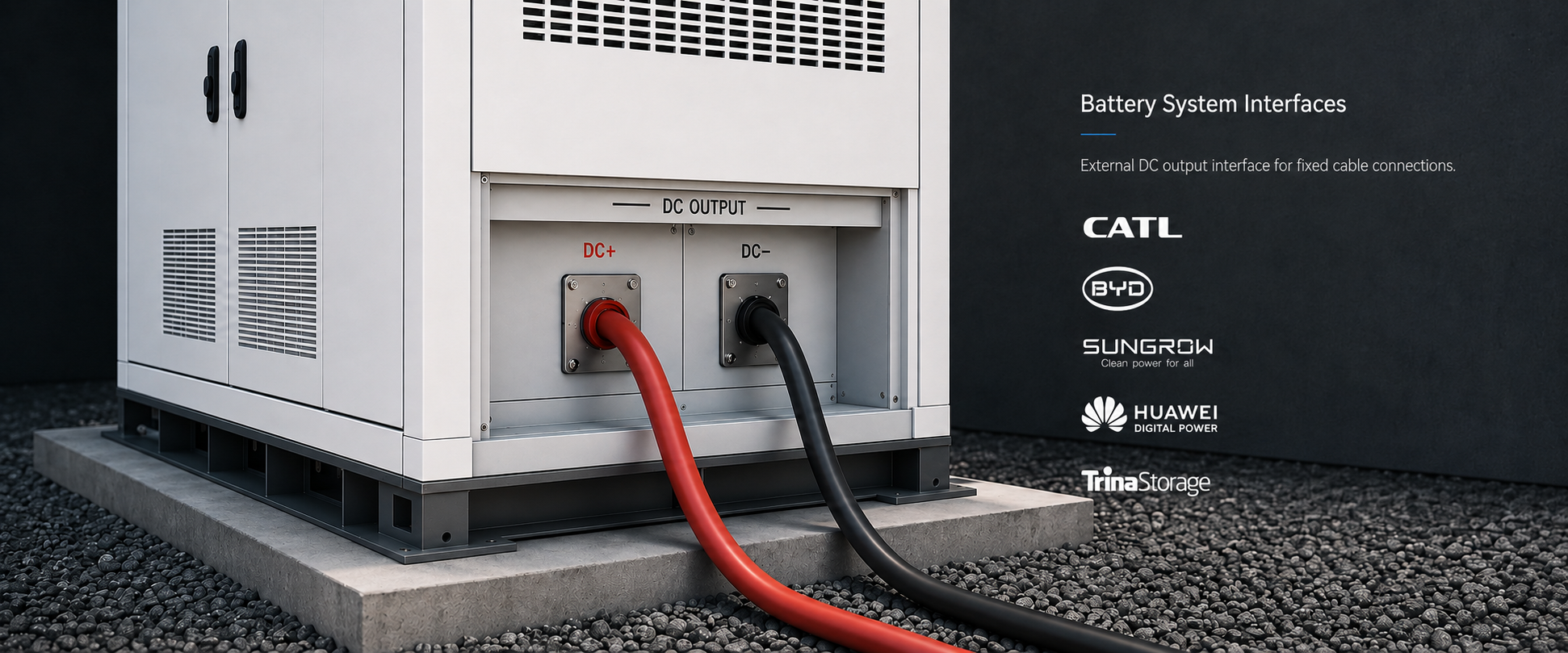
Typical fixed DC cable connections in battery energy storage systems.
| DC Connection | Selection Basis | Typical Installation | Interface Check |
|---|---|---|---|
| Battery system output → DC distribution | Current, cable length | Cabinet / cable tray | Terminal size, cable OD, bending space |
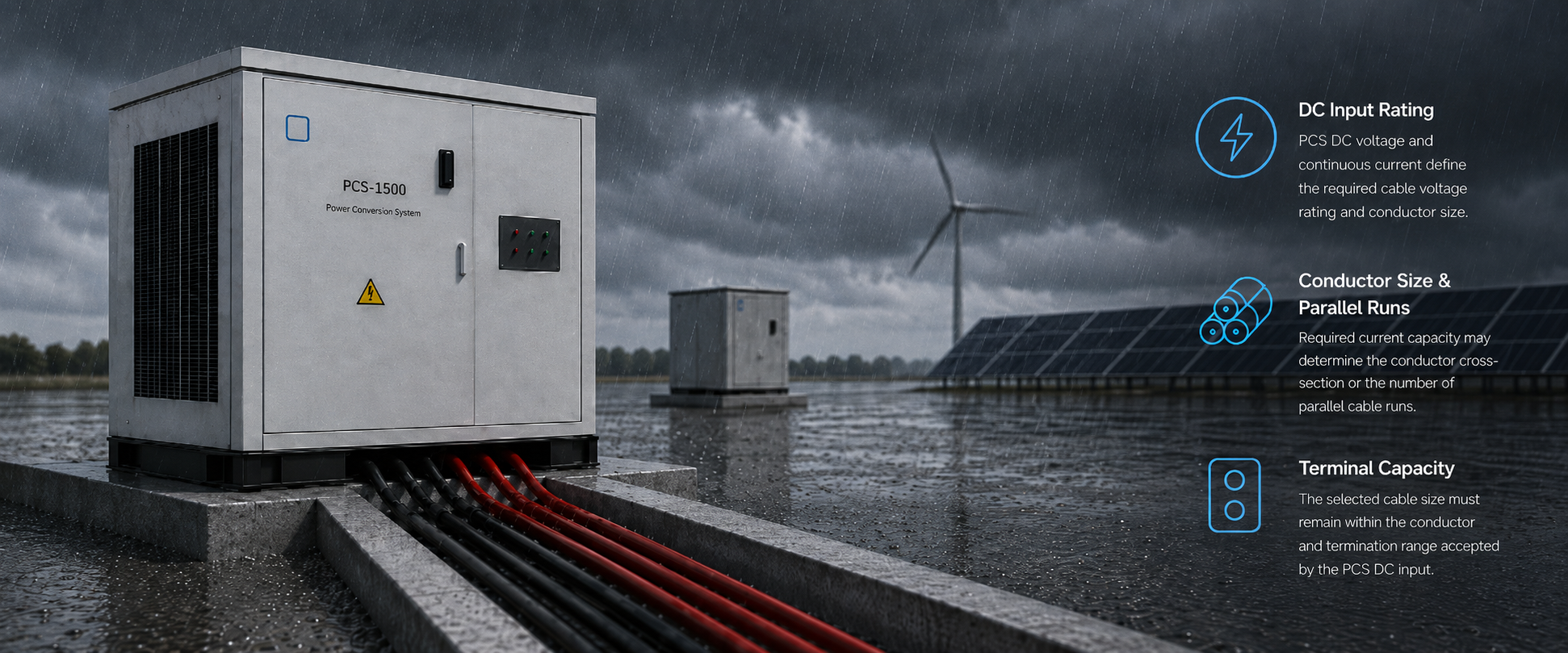
| Battery container output → PCS DC input | Current, route length | Outdoor / tray / conduit | Cable entry, terminal, required length |
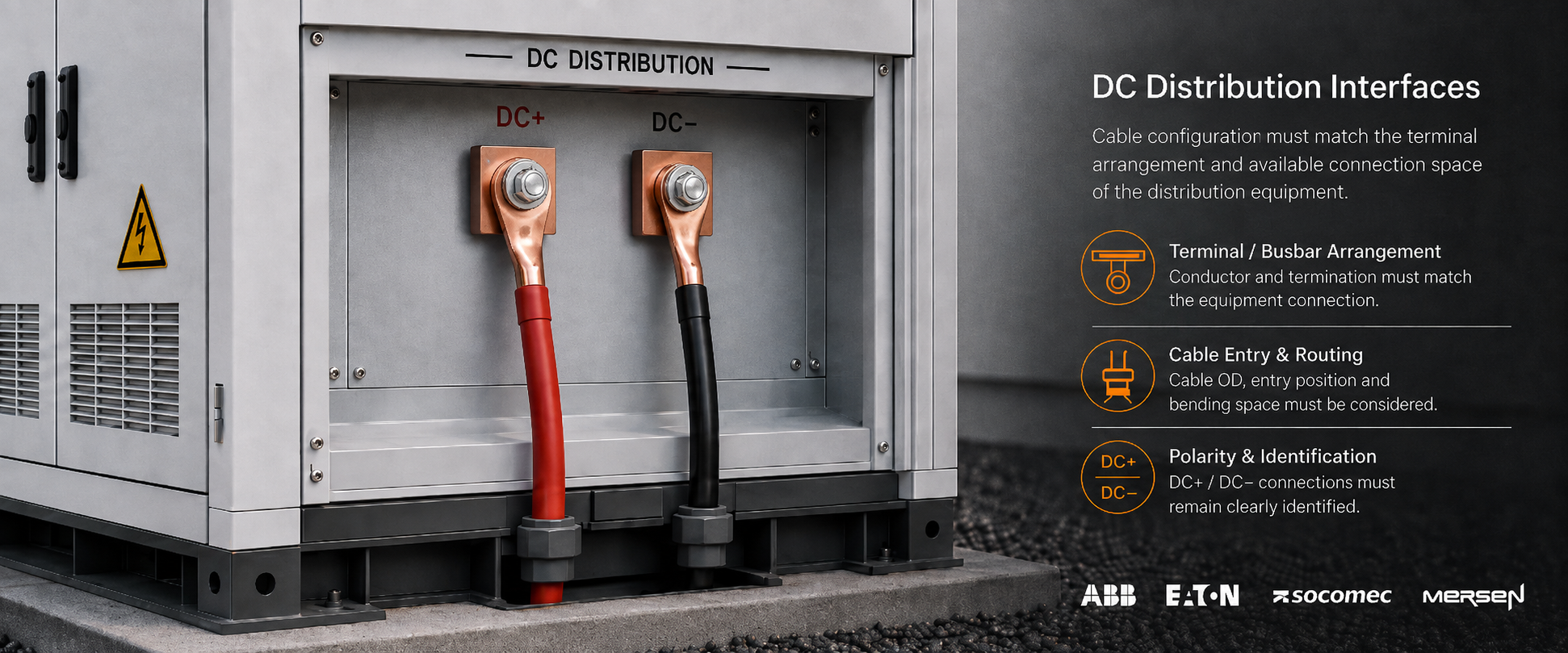
| Battery feeders → central DC distribution | Current, grouping, route length | Tray / conduit / grouped route | Routing space, OD, bending radius |
| DC distribution → PCS DC input | Current, cable length | Fixed equipment connection | Lug / terminal, polarity, bending space |
Cable dimensions, routing and terminations must match the connected equipment.


Reported issues are acknowledged within 1 business day. We identify the affected product and batch and confirm any immediate action required.

Batch, production, test, delivery and available site information are reviewed to determine what happened. Initial findings are provided within 5 business days.

Based on the findings, the required action is agreed. This may include technical guidance, product replacement or other corrective measures where necessary.

The agreed action is checked before the case is closed. Relevant findings are fed back into our quality controls to help prevent recurrence.

Additional financial protection for covered product liability claims, subject to policy terms, limits, exclusions and deductibles.
Technical support throughout the process.


Yes. Once the voltage class and conductor size are fixed, the relevant insulation diameter, screen construction and cable dimensions can be confirmed from the final cable data. The joint or termination manufacturer should then verify that its accessory is suitable for that exact cable construction.
No. EN 50525-2-31 applies to the H07V-K cable body. Once a terminal is crimped onto the cable, the finished grounding lead is an assembly that also depends on the terminal, crimp and finished configuration. Cable compliance should not automatically be presented as approval of the complete assembly.
No. H07BZ5-F defines the charging cable. A finished charging lead also includes connectors, strain relief and assembly work, so the complete lead has additional requirements beyond the cable itself.
We need the connection point, such as rack-to-combiner or combiner-to-PCS, together with DC voltage, operating current or required conductor size, route length and installation conditions. Terminal drawings or available connection space are useful where large conductor sizes are involved.
This can be reviewed once the conductor size, finished length and termination are defined. Send the required lug or terminal part number, drawing or connection dimensions and confirm whether the assembly is single-ended or double-ended. The finished assembly specification is confirmed separately from the bulk cable.