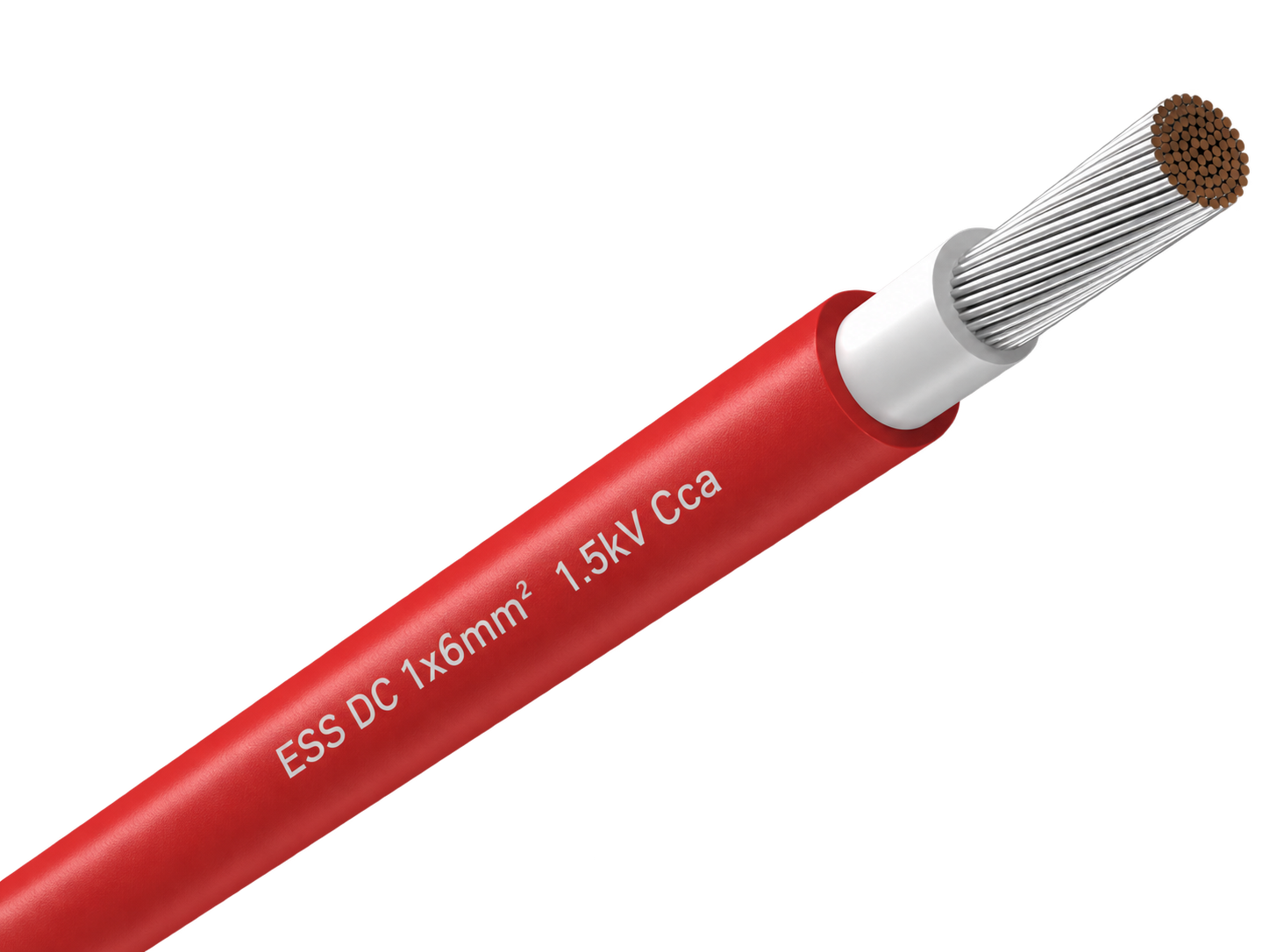
H1Z2Z2-K Nylon-Barrier Rodent-Resistant Solar Cable
H1Z2Z2-K 1.5 kV DC solar cable with a nylon barrier beneath the outer sheath for PV routes that need a non-metallic physical defence against rodent damage.

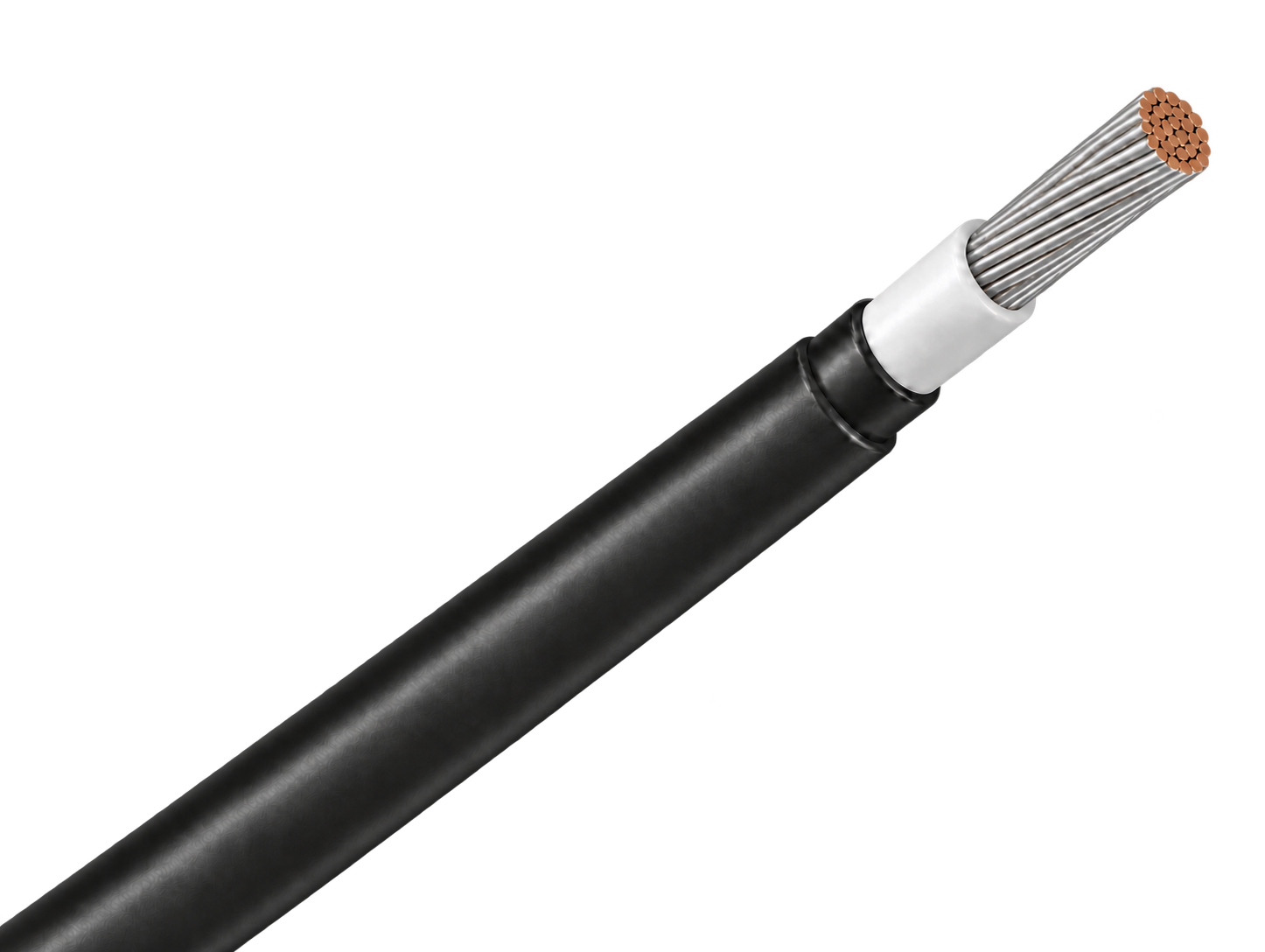
H1Z2Z2-K 1.5 kV DC solar cable with a nylon barrier beneath the outer sheath for PV routes that need a non-metallic physical defence against rodent damage.
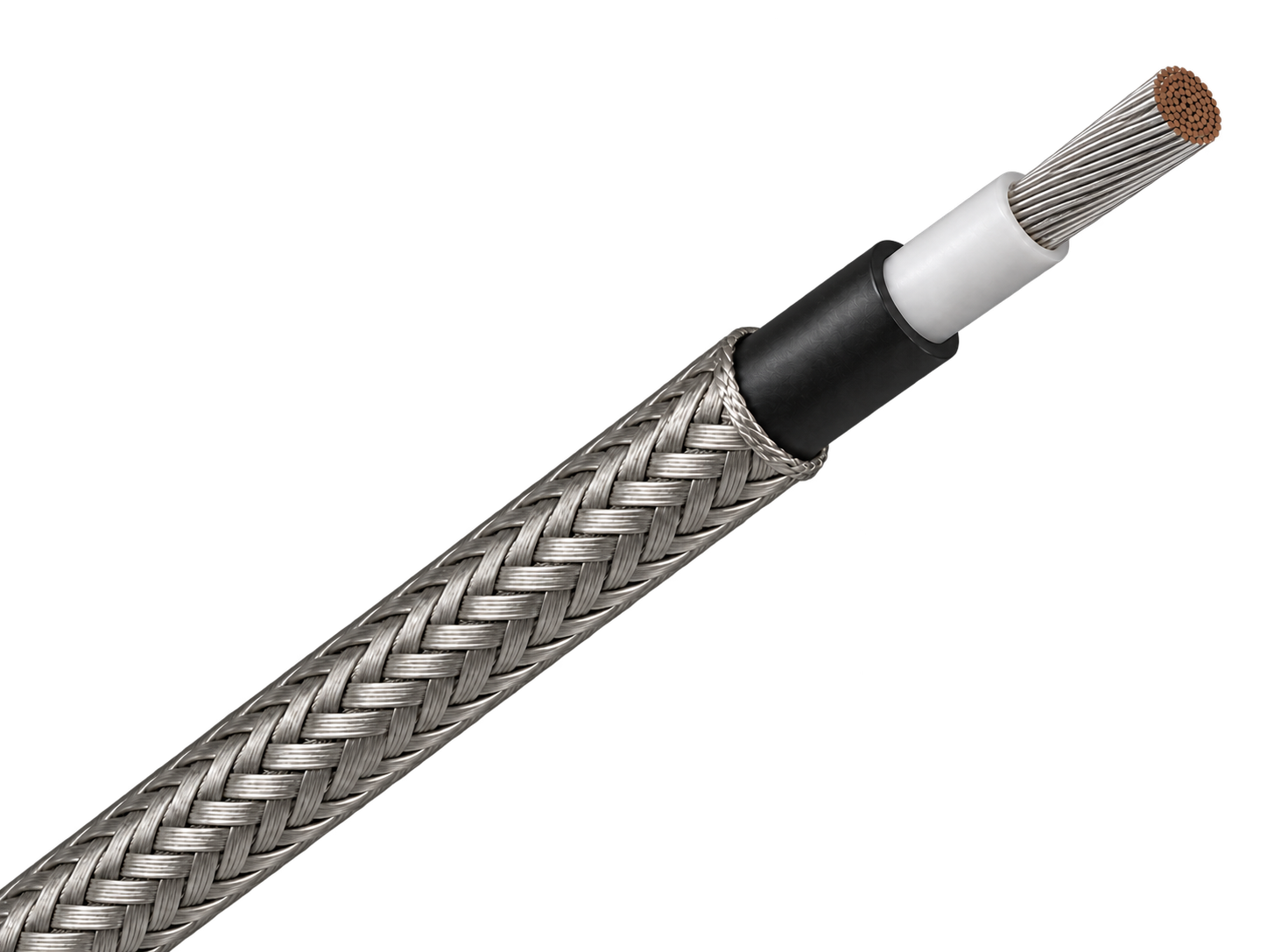
H1Z2Z2-K 1.5 kV DC solar cable with external steel-wire armour for fixed PV routes exposed to severe rodent activity or mechanical damage.
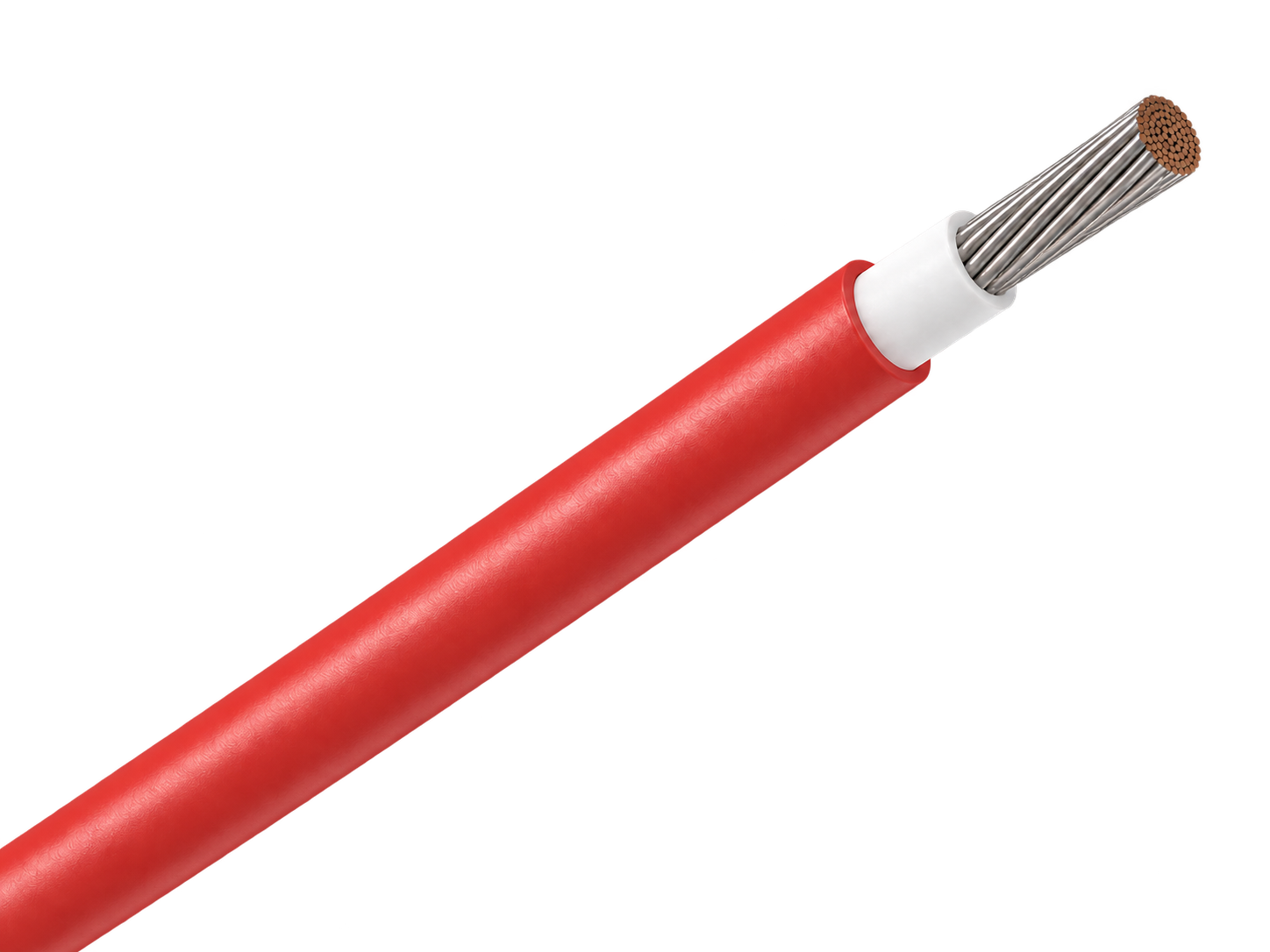
H1Z2Z2-K 1.5 kV DC solar cable with a capsaicin-based rodent-deterrent sheath for PV routes where chemical protection is preferred over added armour.
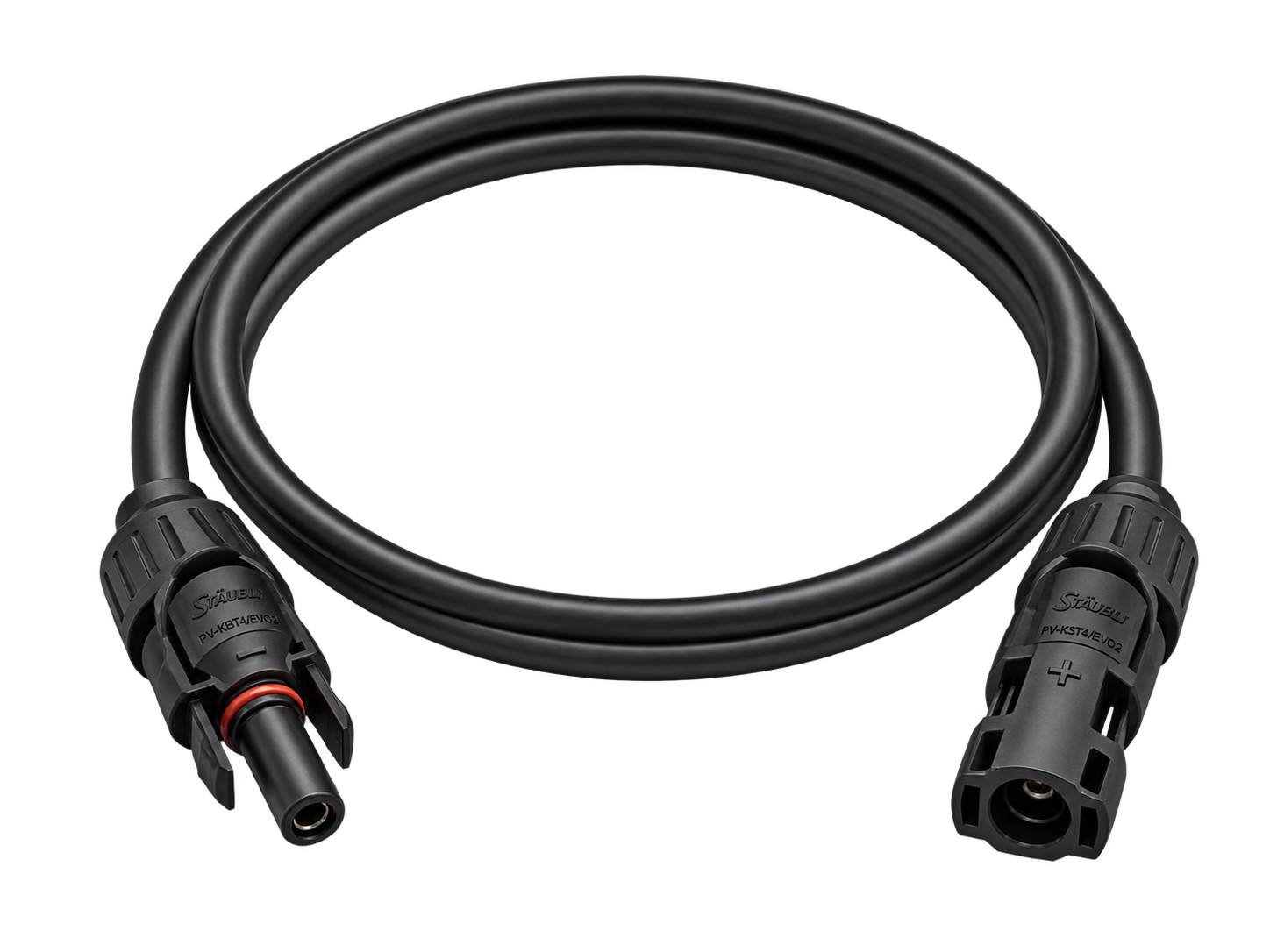
Factory-terminated PV extension cable for controlled module, string and combiner-box connections.
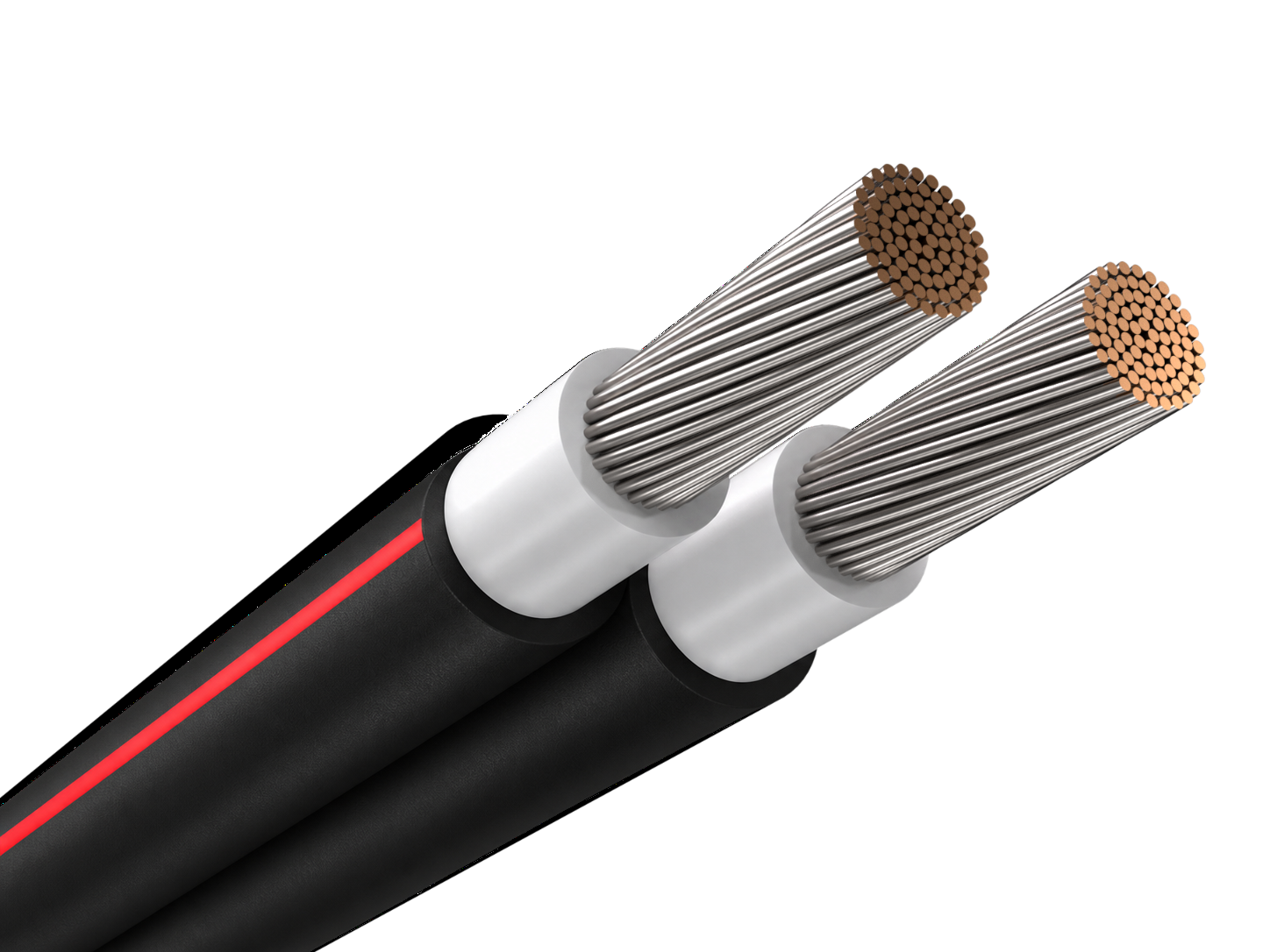
Joined twin PV cable for orderly positive and negative string routing beneath solar modules.
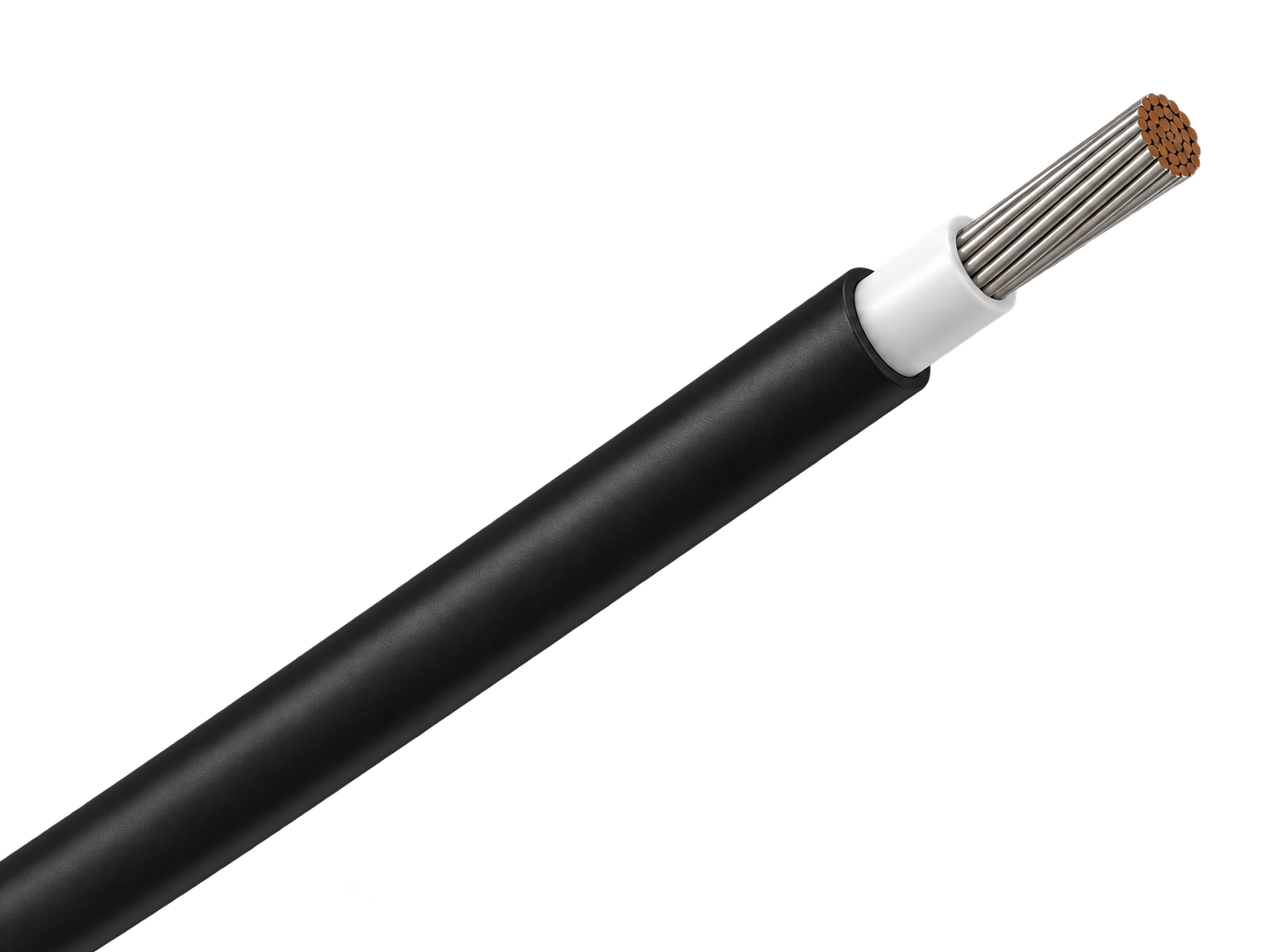
Single-core PV cable for reliable DC wiring across rooftop and ground-mounted solar arrays.
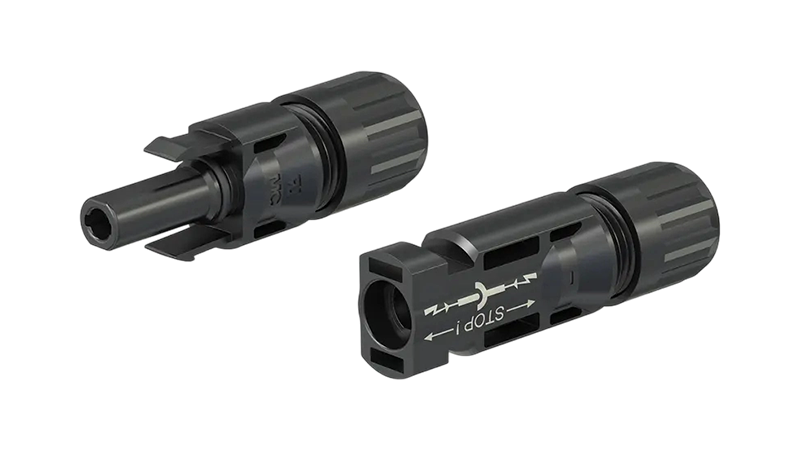
Original 4 mm DC PV connector for field-assembled module, string and extension-cable connections.
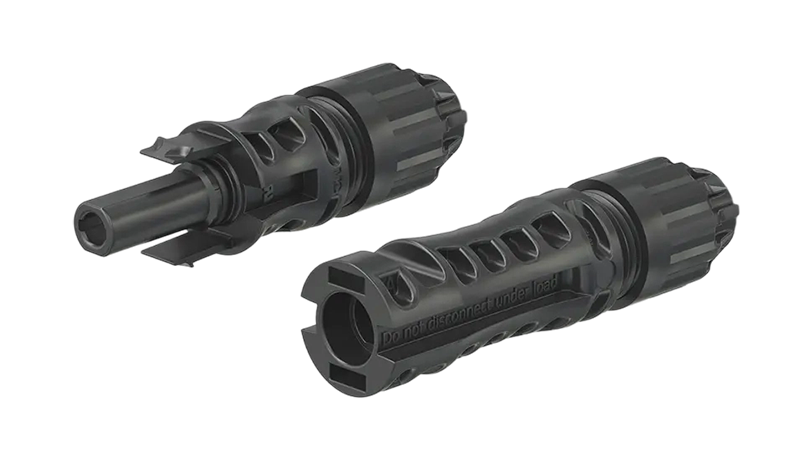
1500 V DC Original Stäubli PV connector for high-current string, extension and equipment connections.
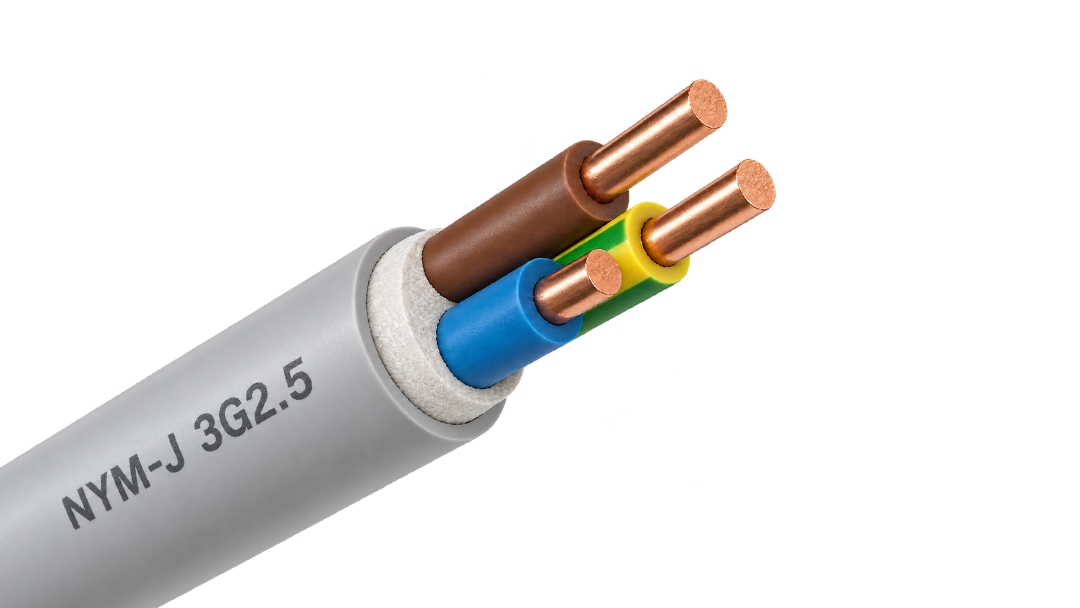
PVC-sheathed 300/500 V cable for fixed power and lighting circuits inside buildings and panels.
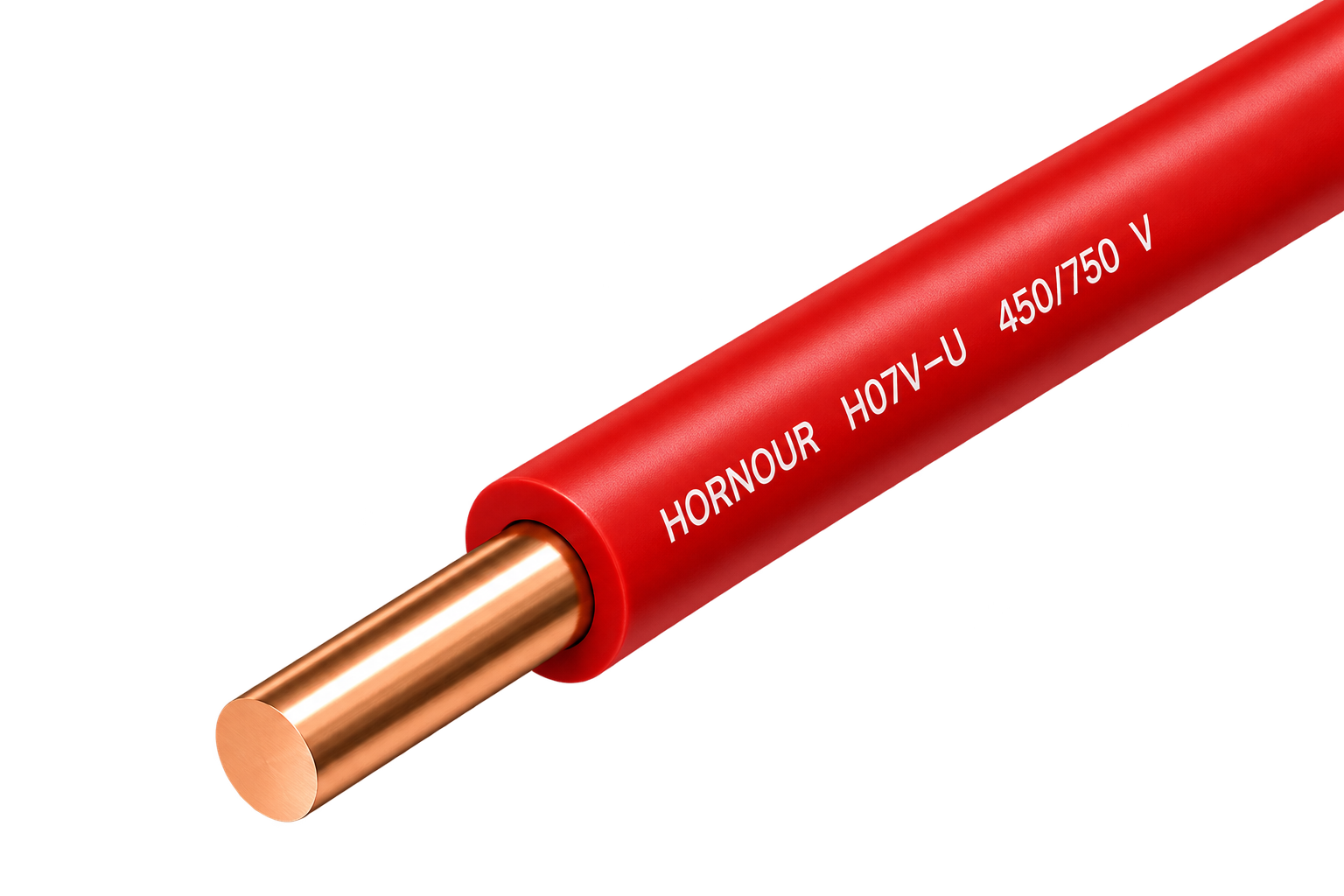
Solid 450/750 V PVC wire for stable fixed circuits in protected conduit and building installations.
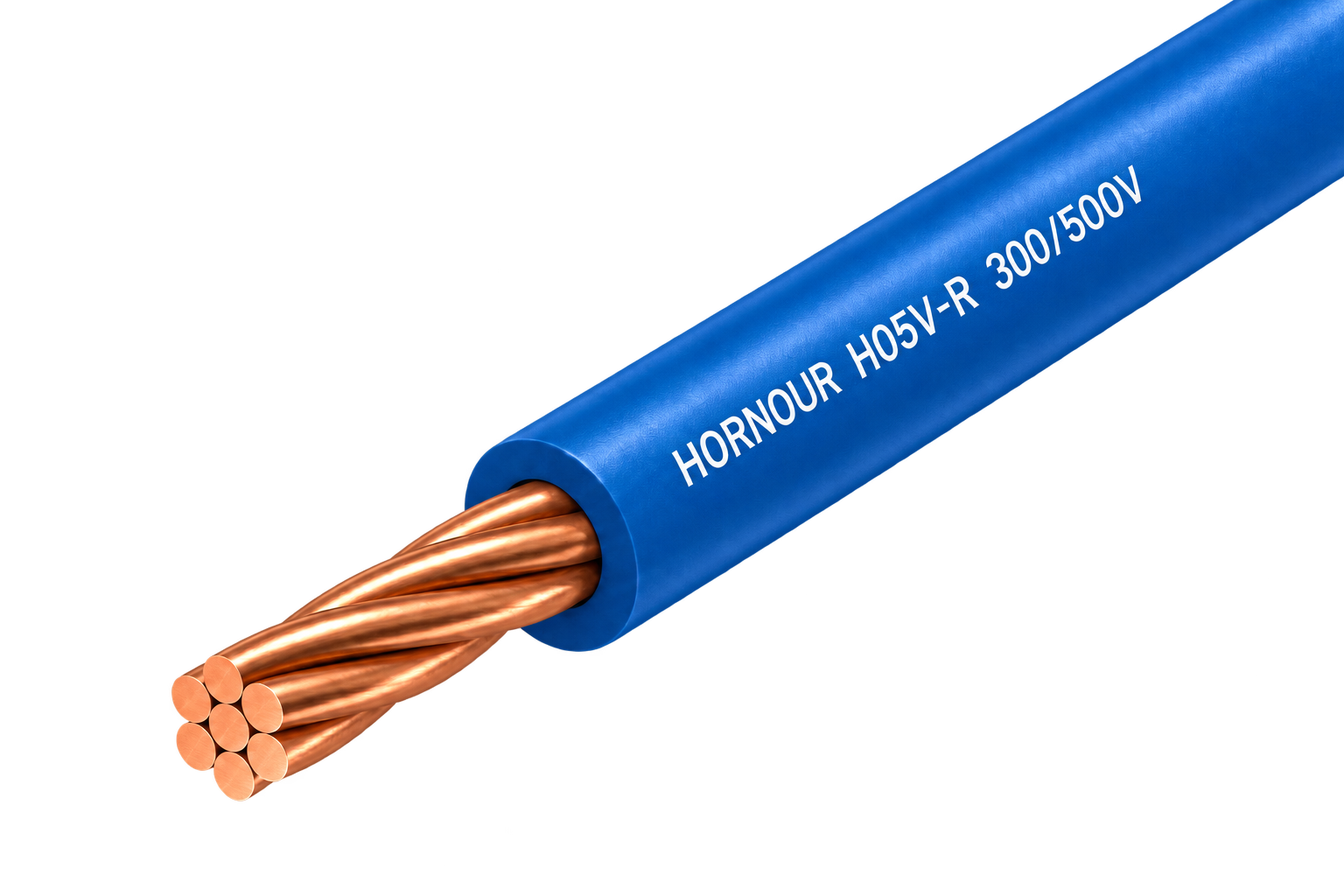
Class 2 stranded 300/500 V PVC wire for fixed equipment and panel routes needing moderate flexibility.
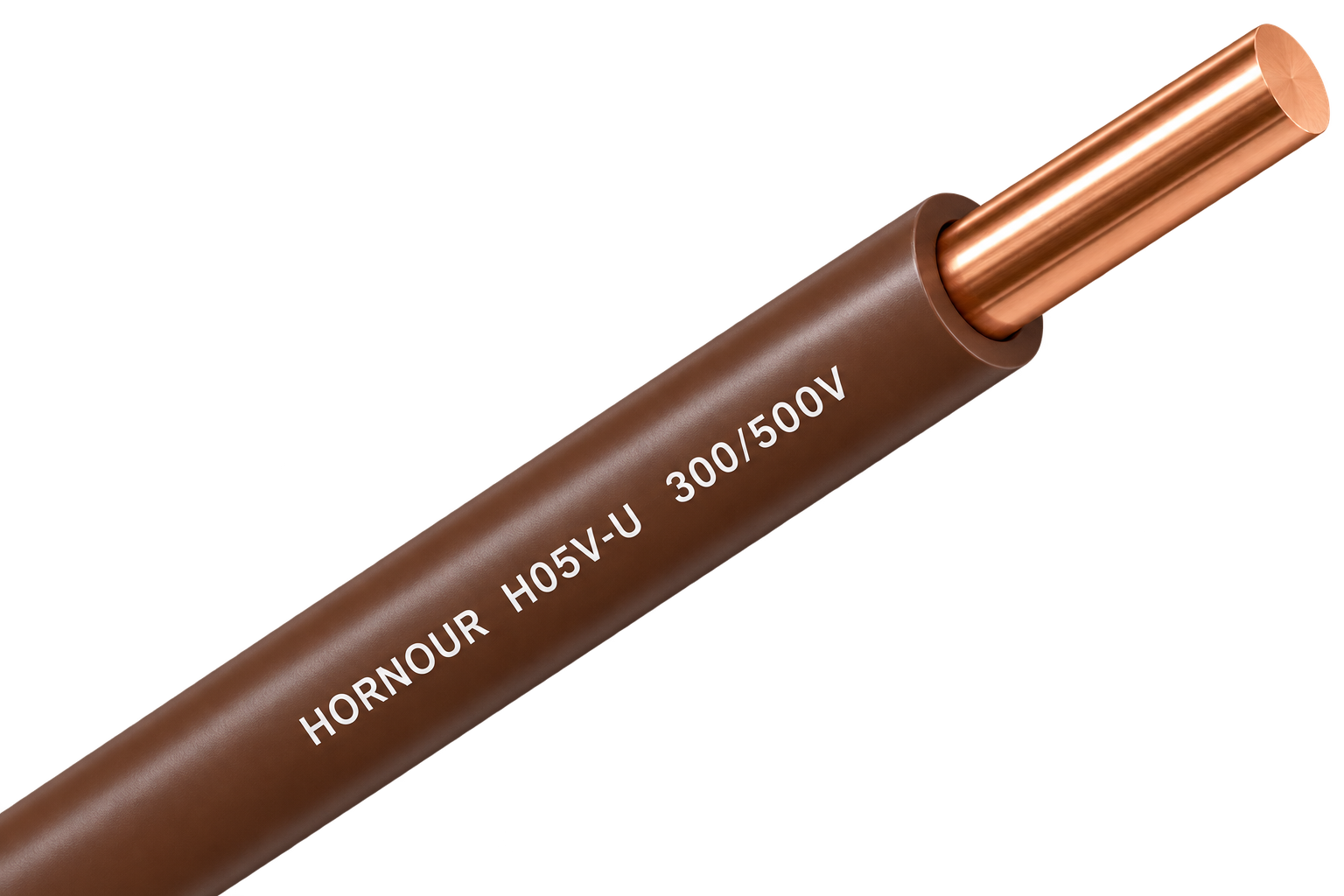
Solid 300/500 V PVC wire for simple, stable fixed connections inside protected equipment and conduit.
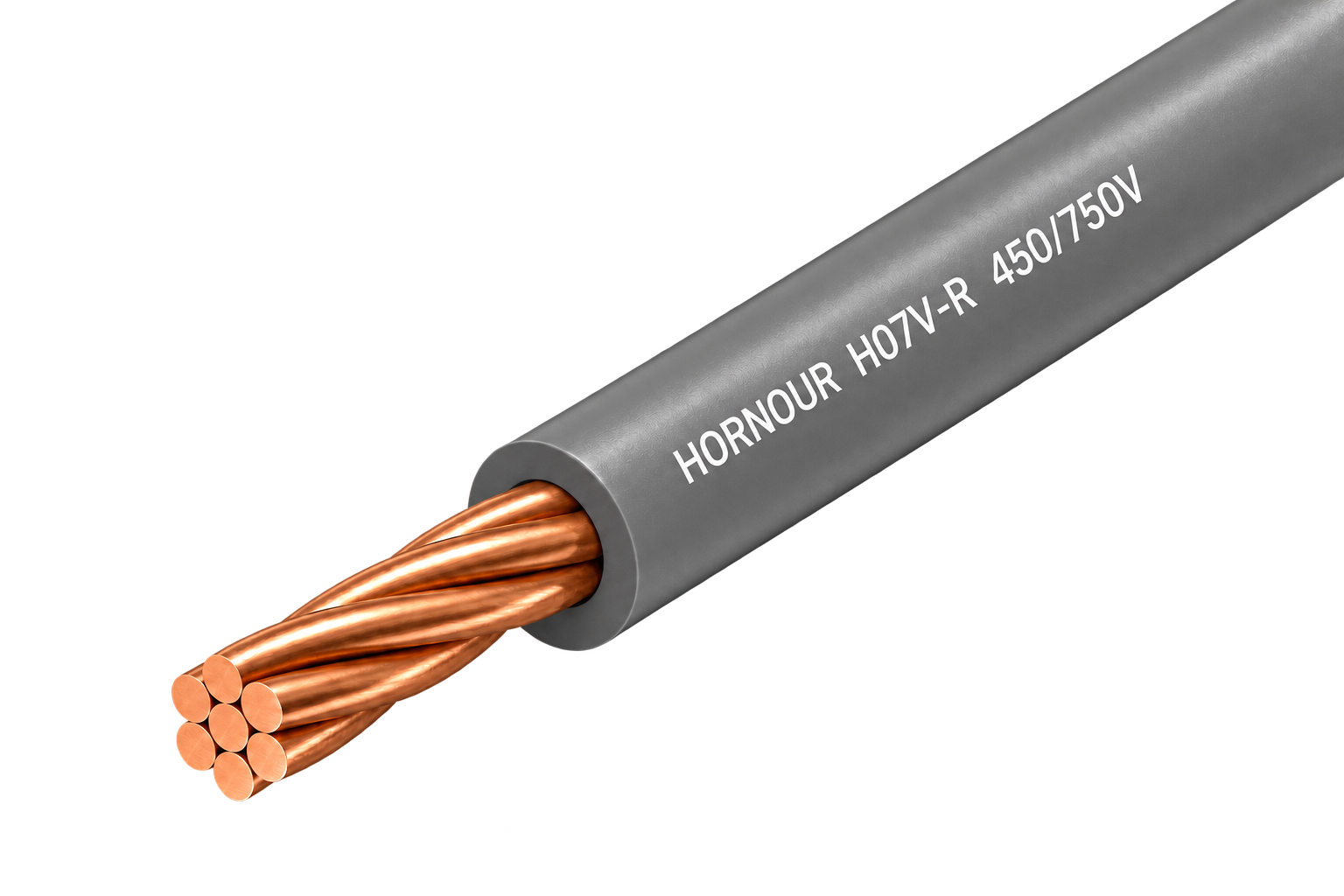
Class 2 stranded 450/750 V PVC wire for protected fixed routes requiring easier pulling and forming.
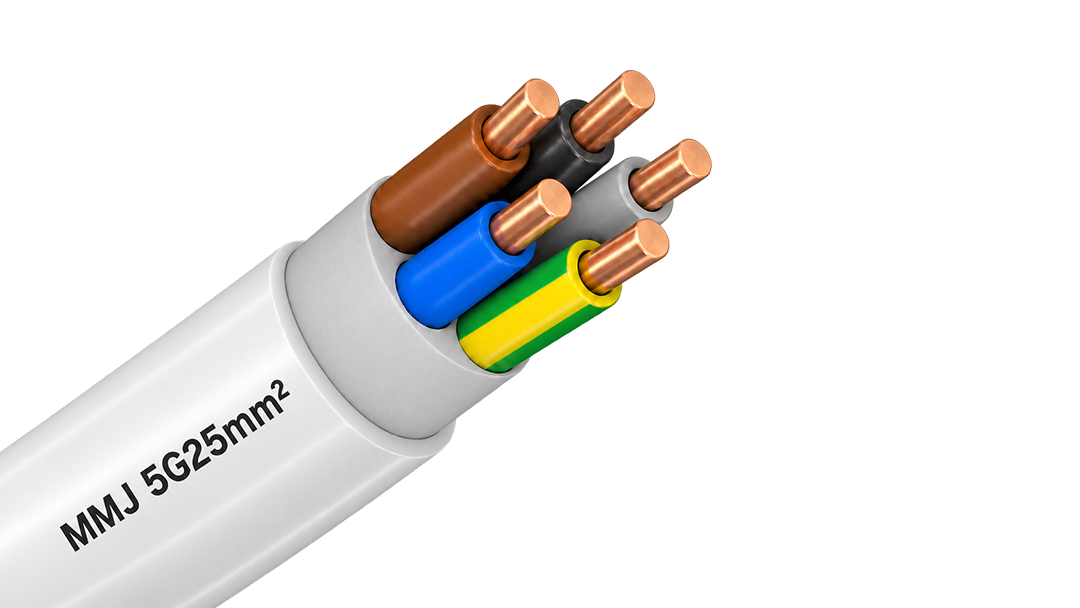
300/500 V PVC-sheathed cable for fixed surface and flush-mounted installations in Finnish building wiring.
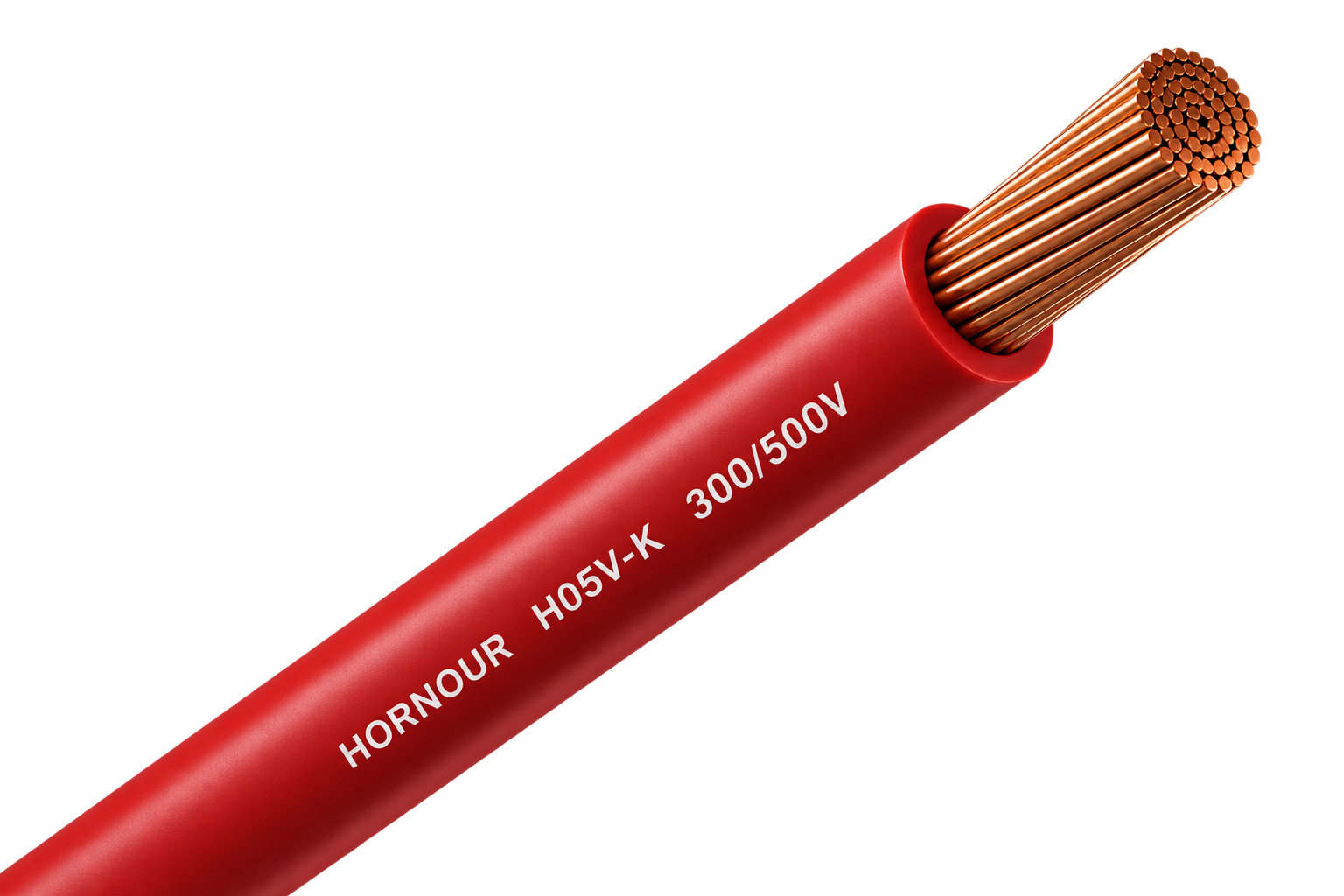
Flexible 300/500 V PVC wire for compact equipment, switchgear and control-panel connections.
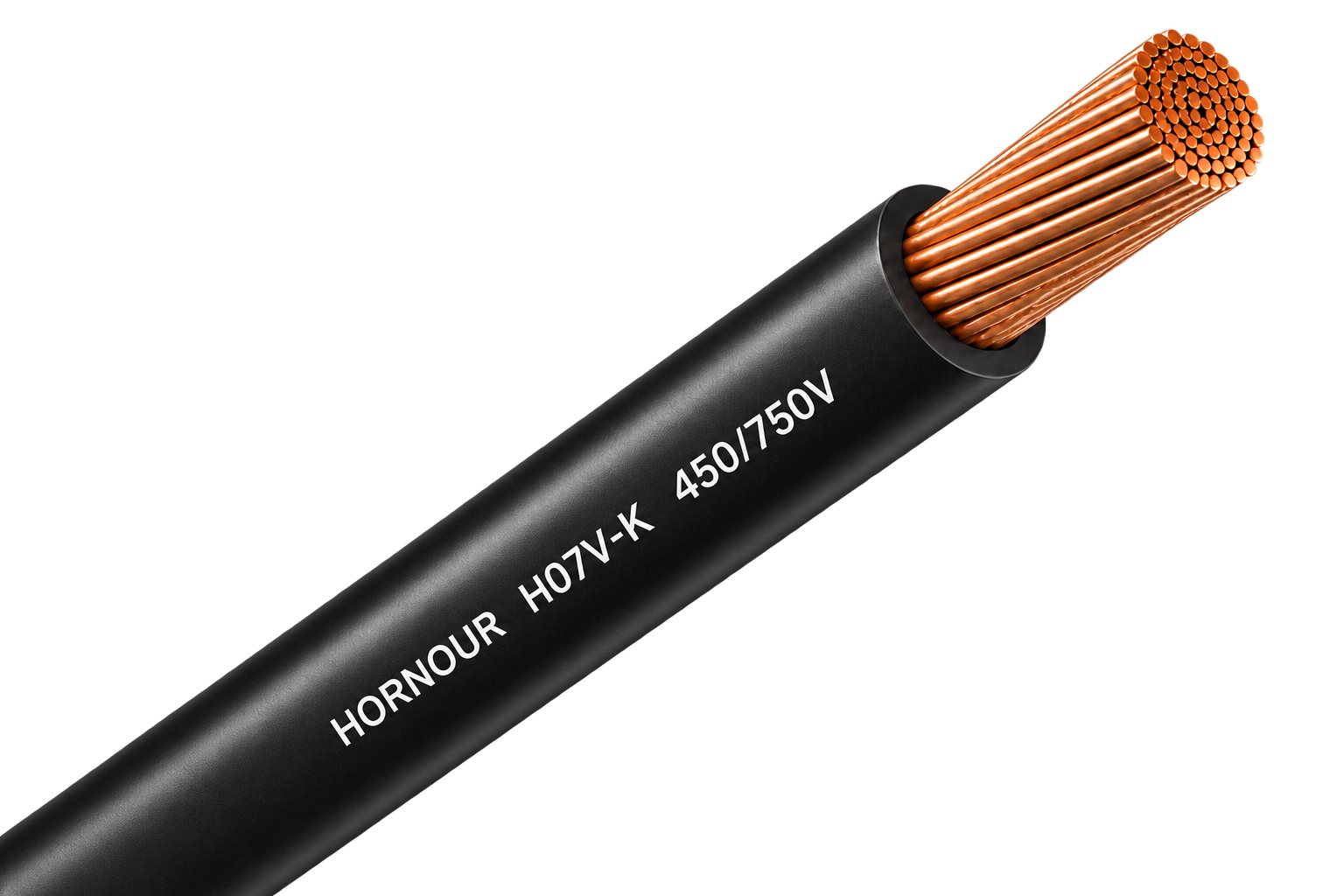
Flexible 450/750 V PVC wire for protected conduit, panel and grounding connections.
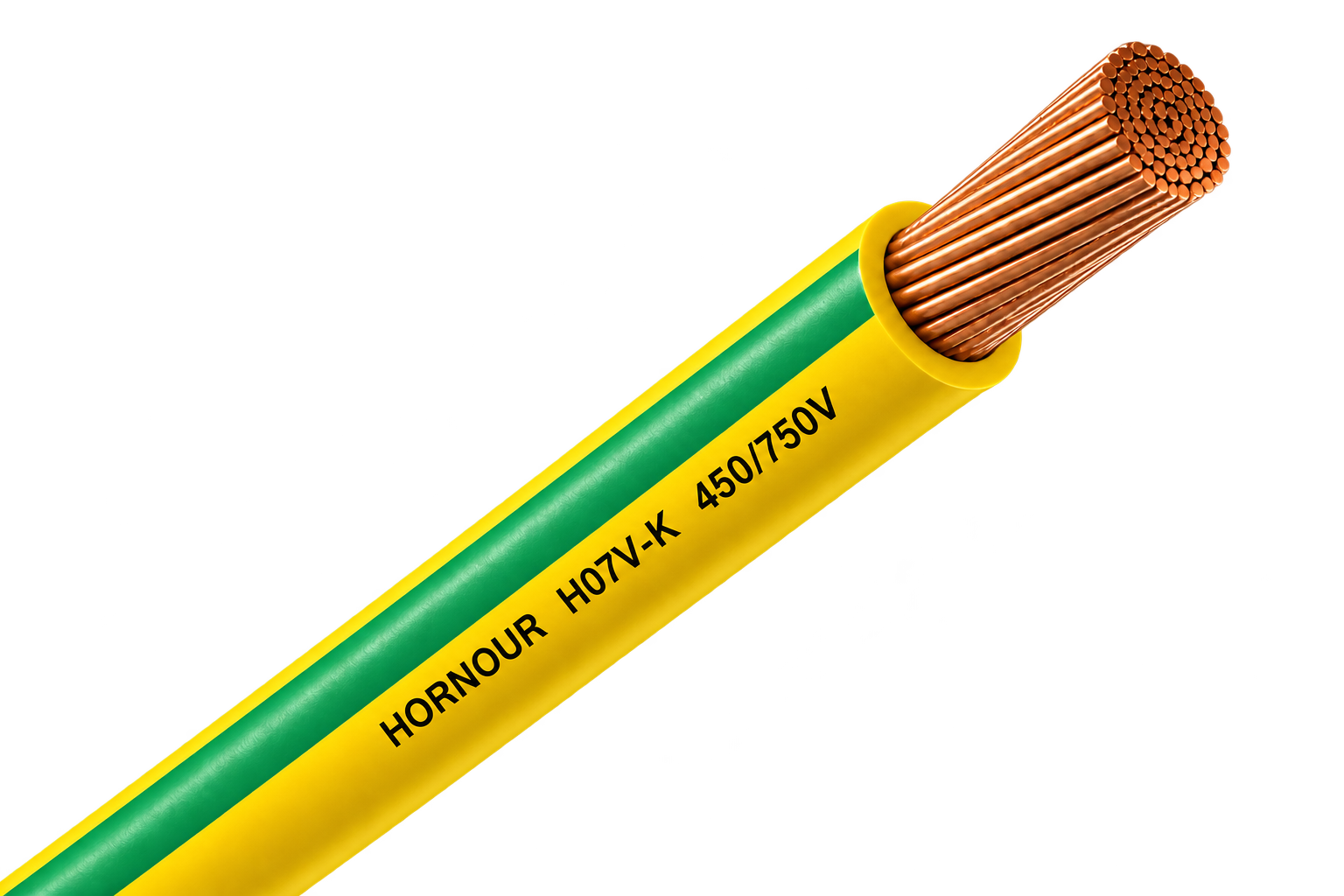
Green/yellow H07V-K Class 5 copper wire for protective-earth and equipotential-bonding connections in PV, ESS and electrical installations.
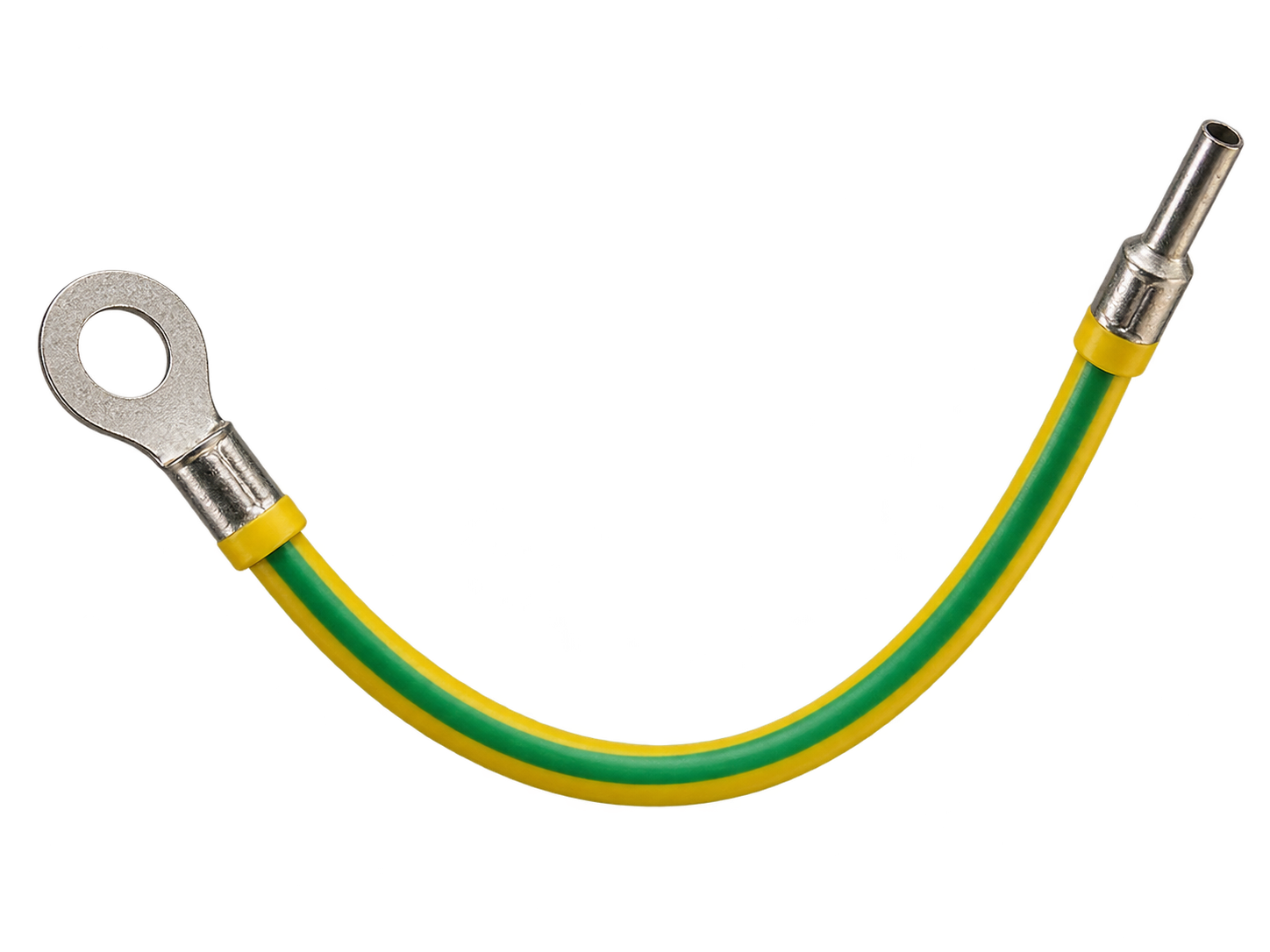
Green/yellow H07V-K grounding lead with factory-crimped ring / OT terminal for ready-to-install earthing and bonding connections.
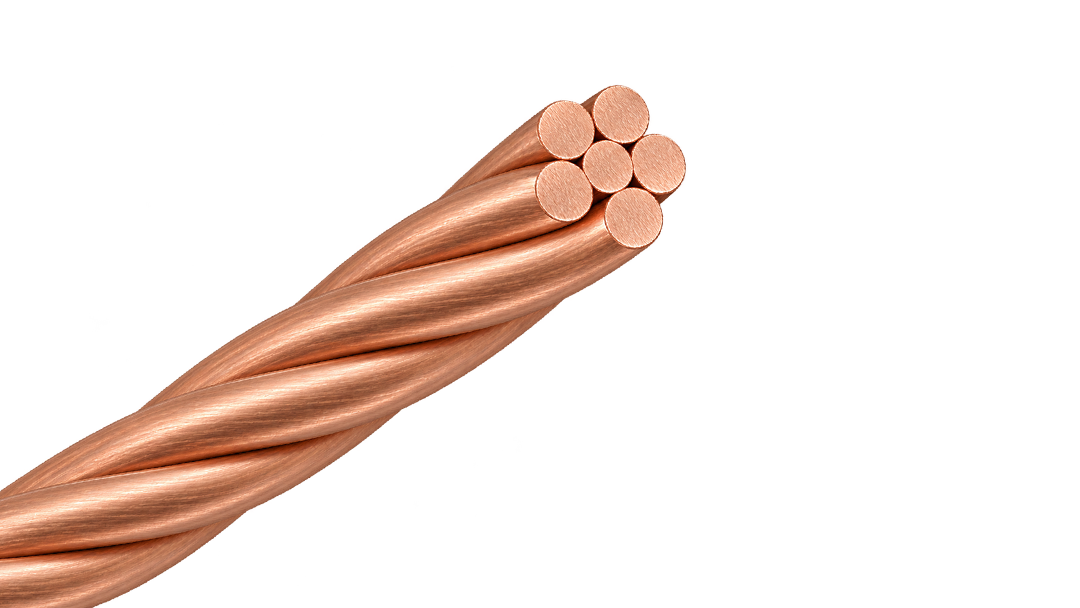
Bare Class 2 stranded copper conductor for earthing and equipotential bonding, available in 16–120 mm².
H1Z2Z2-K 1.5 kV DC solar cable with a nylon barrier beneath the outer sheath for PV routes that need a non-metallic physical defence against rodent damage.
H1Z2Z2-K 1.5 kV DC solar cable with external steel-wire armour for fixed PV routes exposed to severe rodent activity or mechanical damage.
H1Z2Z2-K 1.5 kV DC solar cable with a capsaicin-based rodent-deterrent sheath for PV routes where chemical protection is preferred over added armour.
Factory-terminated PV extension cable for controlled module, string and combiner-box connections.
Joined twin PV cable for orderly positive and negative string routing beneath solar modules.
Single-core PV cable for reliable DC wiring across rooftop and ground-mounted solar arrays.
Green/yellow H07V-K Class 5 copper wire for protective-earth and equipotential-bonding connections in PV, ESS and electrical installations.
Green/yellow H07V-K grounding lead with factory-crimped ring / OT terminal for ready-to-install earthing and bonding connections.
Bare Class 2 stranded copper conductor for earthing and equipotential bonding, available in 16–120 mm².
PVC-sheathed 300/500 V cable for fixed power and lighting circuits inside buildings and panels.
Solid 450/750 V PVC wire for stable fixed circuits in protected conduit and building installations.
Class 2 stranded 300/500 V PVC wire for fixed equipment and panel routes needing moderate flexibility.
Solid 300/500 V PVC wire for simple, stable fixed connections inside protected equipment and conduit.
Class 2 stranded 450/750 V PVC wire for protected fixed routes requiring easier pulling and forming.
300/500 V PVC-sheathed cable for fixed surface and flush-mounted installations in Finnish building wiring.
Flexible 300/500 V PVC wire for compact equipment, switchgear and control-panel connections.
Flexible 450/750 V PVC wire for protected conduit, panel and grounding connections.
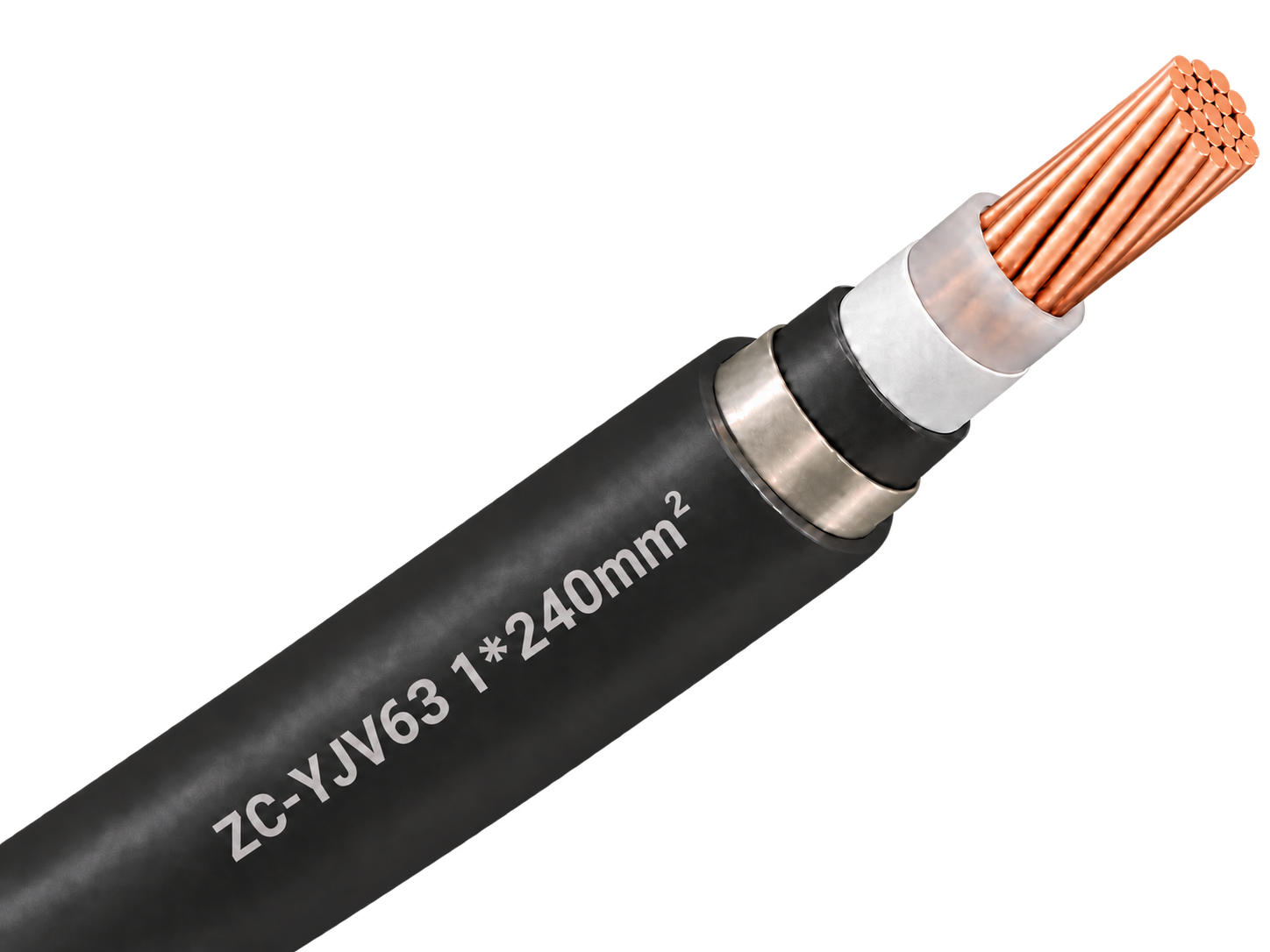
Single-core 1.8/3 kV copper XLPE cable with non-magnetic stainless-steel tape armour, PVC sheath and Category C flame-retardant construction for protected fixed power routes.
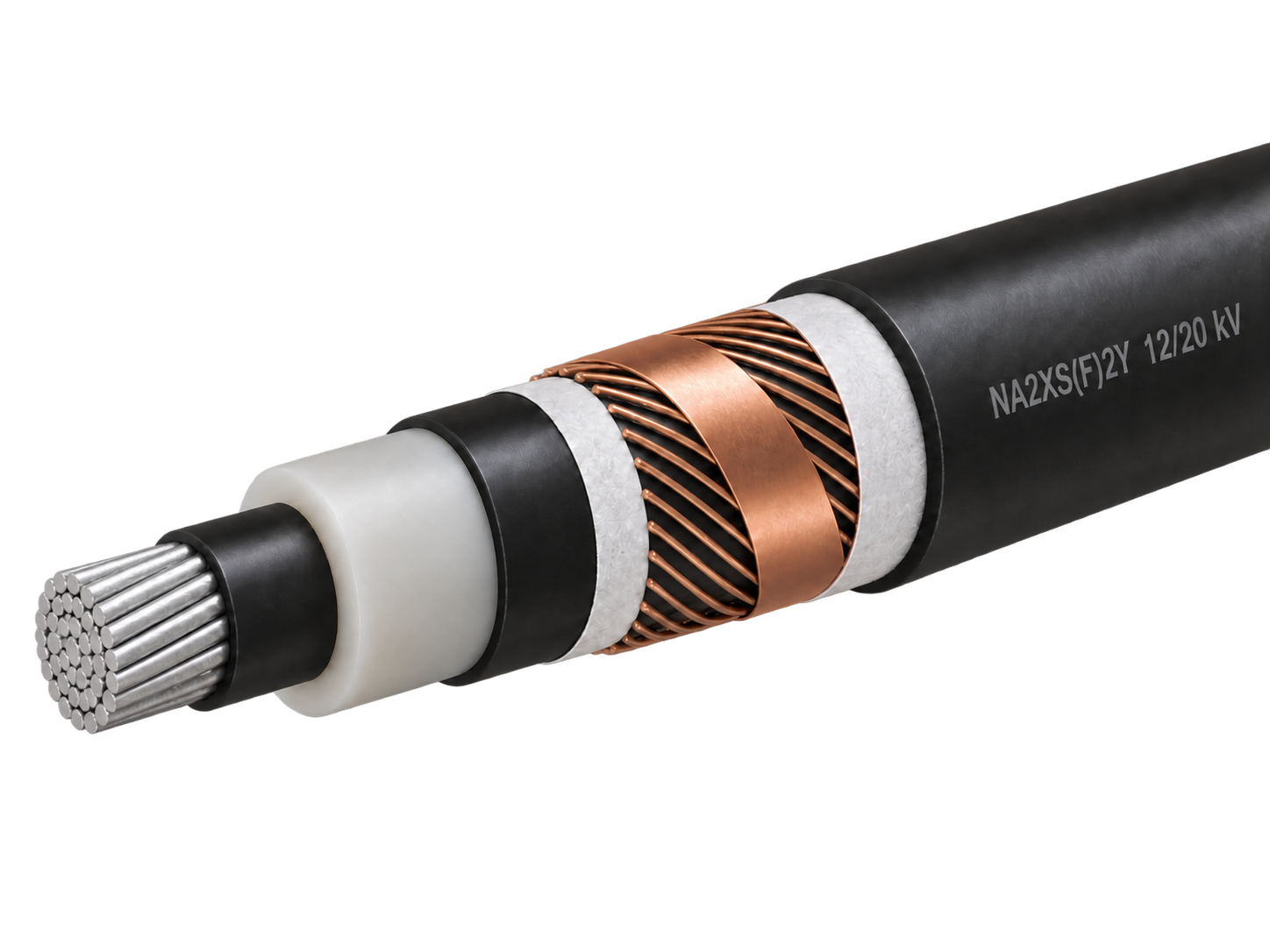
Aluminium XLPE medium-voltage cable with longitudinal water blocking for fixed distribution networks.
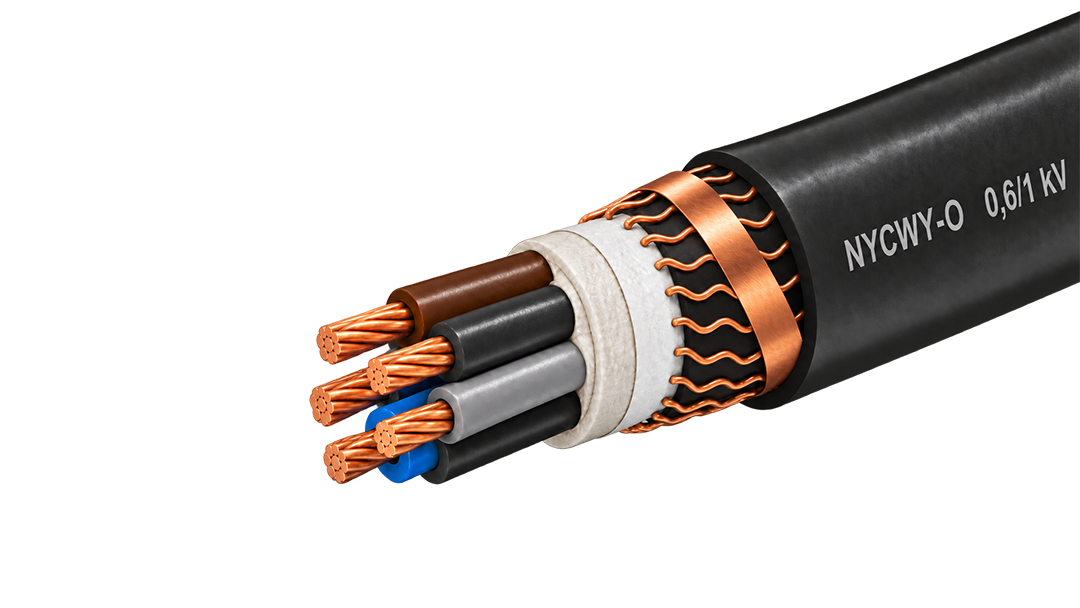
0.6/1 kV copper cable with a wave-laid concentric conductor for fixed distribution and service routes.
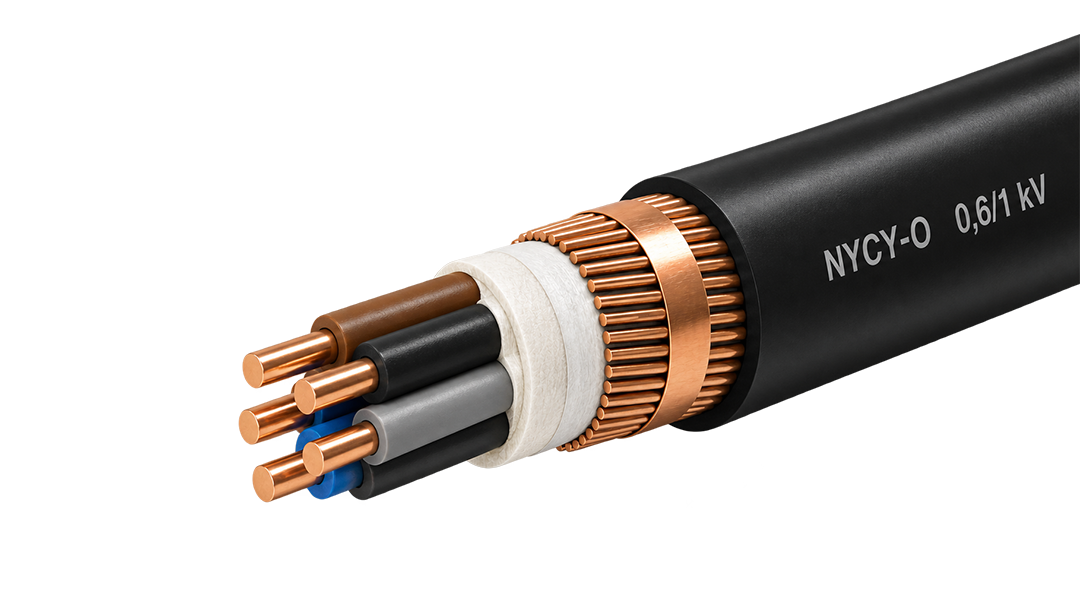
0.6/1 kV copper power cable with a concentric copper layer for service and distribution circuits.
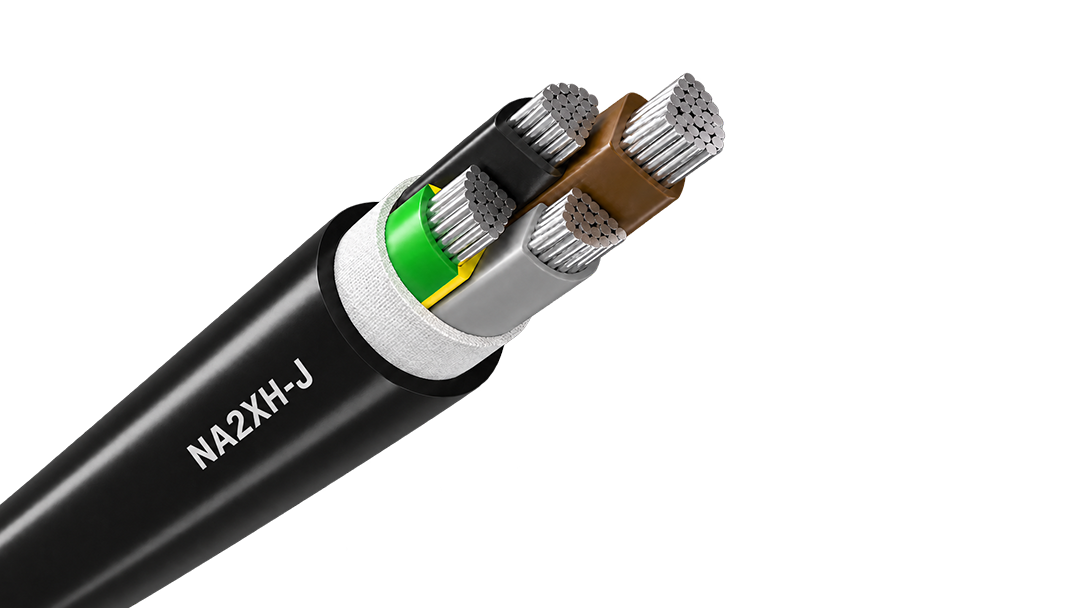
Aluminium halogen-free 0.6/1 kV cable for fire-conscious fixed distribution and long feeders.
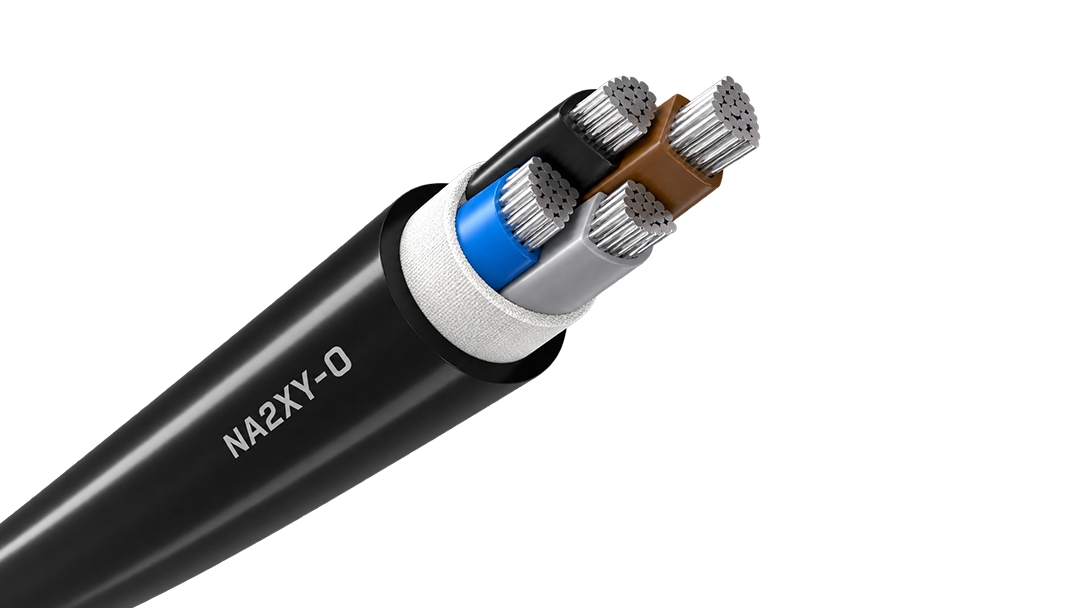
Aluminium XLPE power cable for economical fixed distribution, available in 0.6/1 kV and 1.8/3 kV constructions for long outdoor and buried routes.
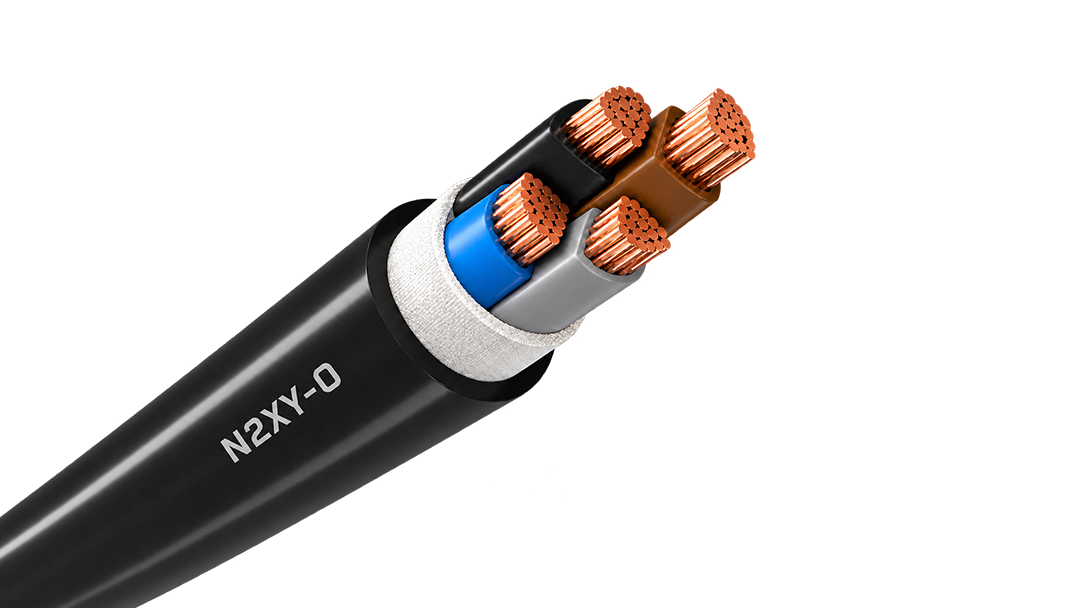
Copper XLPE 0.6/1 kV cable for demanding fixed feeders, outdoor routes and power distribution.
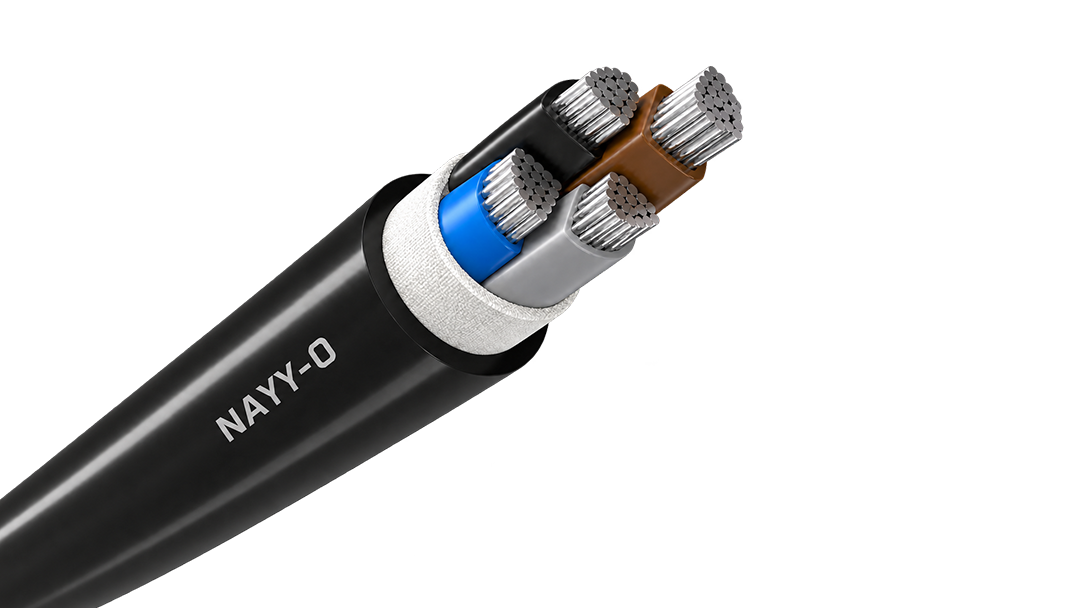
Aluminium 0.6/1 kV PVC cable for cost-conscious fixed distribution and long feeder routes.
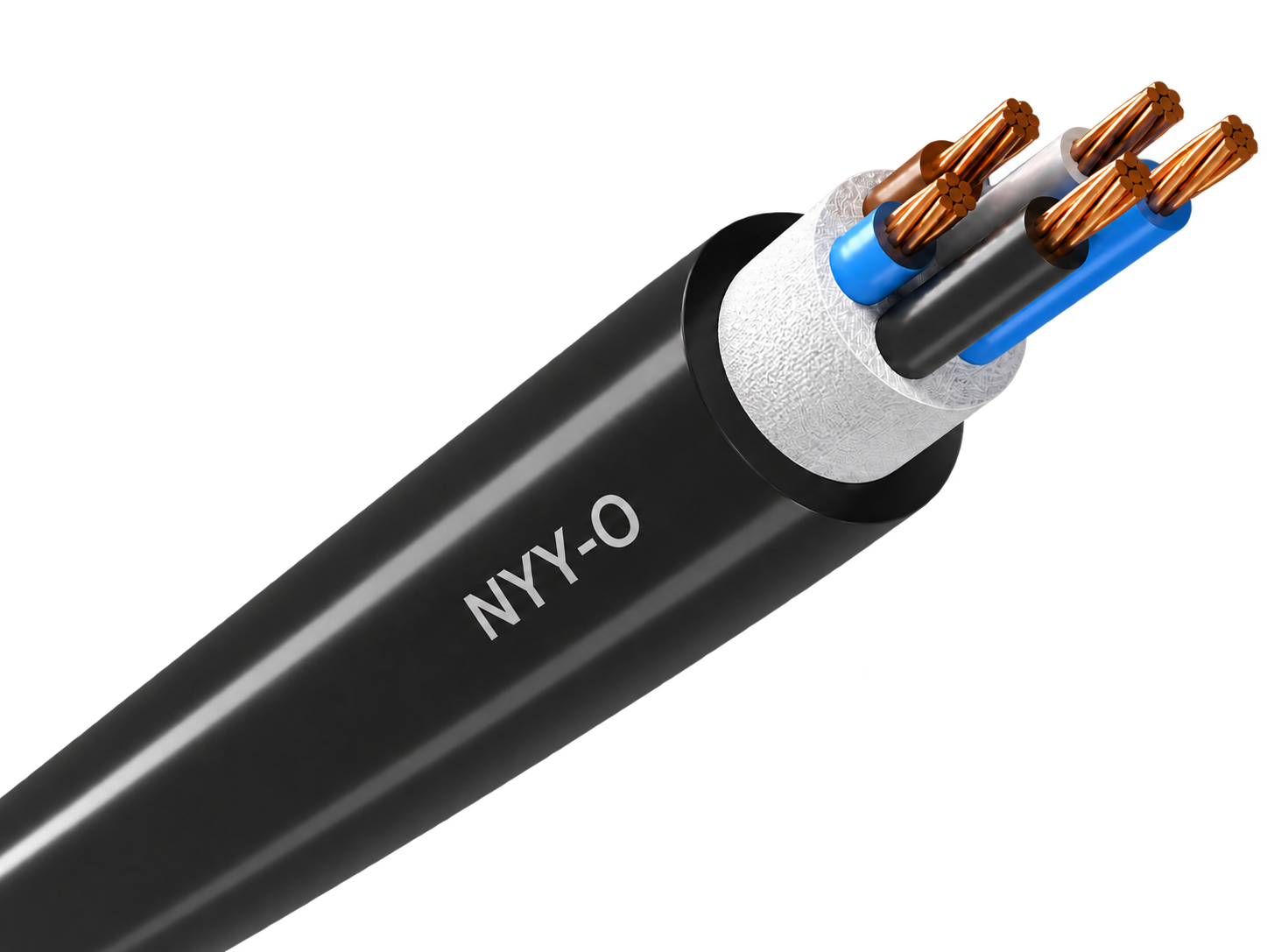
Robust 0.6/1 kV copper cable for economical fixed power distribution indoors, outdoors and underground.
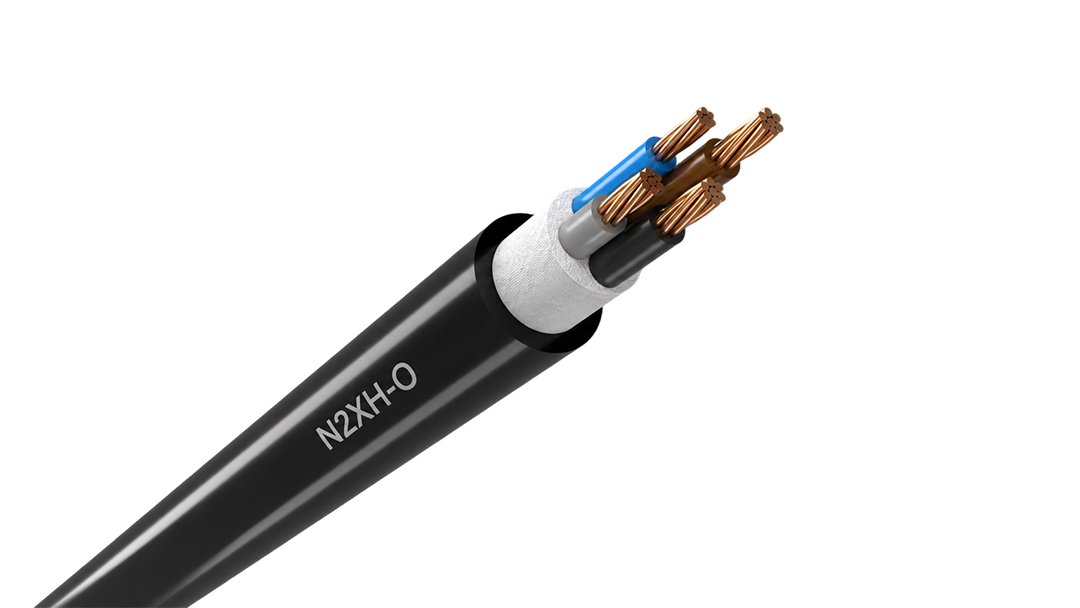
Low-smoke halogen-free 0.6/1 kV cable for fixed distribution in occupied and critical buildings.

hot search


Standard H1Z2Z2-K solar cable is designed to EN 50618 and IEC 62930 for photovoltaic DC applications. Related constructions may use the same electrical design basis, but the approval scope must still be checked for the exact product.
Twin cable, PV Extension assemblies and rodent-resistant versions are not automatically covered by the same certificates or CPR documents as standard H1Z2Z2-K. Each construction has to be checked separately. The current Capsaicin, Nylon Barrier and SWA versions do not carry a HORNOUR CPR claim.
For a connectorised PV Extension, the compliance of the base cable still applies to the cable itself, but it does not automatically classify or approve the complete finished assembly.
H05V-K/U/R and H07V-K/U/R are PVC-insulated single-core wires designed to EN 50525-2-31. Their designation also defines key differences such as voltage class and conductor construction, so K, U and R versions should not be treated as interchangeable simply because they belong to the same family.
NYM is a 300/500 V multicore fixed-building cable based on the applicable NYM construction requirements, including DIN VDE 0281-1 in the current technical data. MMJ is a separate Finnish installation-cable system specified to SFS 2091:2011 / HD 21.4 S2 / IEC 60227-4; the current HORNOUR MMJ construction is declared CPR Eca.
Similar voltage ratings or building applications do not make these cable types direct substitutes. The required designation, conductor construction, installation method, national specification and fire requirement should all be checked before one type is replaced by another.
Grounding products have to be assessed according to their actual construction. The green/yellow H07V-K grounding wire uses the H07V-K cable construction to EN 50525-2-31, while HK25 is a bare Class 2 copper grounding conductor and should be specified according to its conductor construction and the project earthing design.
A pre-assembled grounding lead is different from the cable alone. EN 50525-2-31 applies to the H07V-K cable body, but once a lug or terminal is crimped onto it, the finished lead also depends on the terminal, crimp and completed configuration. Cable compliance therefore does not automatically approve the complete assembly.
H07BZ5-F is a flexible 450/750 V EV charging cable designed to EN 50620 / IEC 62893 for Mode 2 and Mode 3 AC charging applications. The cable construction includes the power, protective and signalling conductors required for charging-lead manufacture.
These standards define the cable, not automatically the complete charging lead. Connectors, finished length, strain relief and assembly work remain part of the finished product and must be checked separately.
The main HORNOUR 0.6/1 kV power-cable families—including NYY/NAYY, N2XY/NA2XY and N2XH/NA2XH—use the applicable IEC 60502-1 low-voltage power-cable framework. Conductor material, insulation and sheath construction still differ between the individual cable types.
Concentric-conductor cables such as NYCY and NYCWY have additional construction requirements; the current NYCWY technical data references VDE 0276-603 / HD 603 S1 / IEC 60502-1. A common 0.6/1 kV rating therefore does not make NYY, N2XY, N2XH, NYCY or their aluminium versions direct substitutes. Cable material, conductor system, installation route, fire requirement and termination arrangement must also match the project.
NA2XS(F)2Y is a screened aluminium medium-voltage cable covering 6/10 kV, 12/20 kV and 18/30 kV constructions. The current design is based on IEC 60502-2, DIN VDE 0276-620 and HD 620, with XLPE insulation, copper-wire screening and longitudinal water blocking.
Cable compliance alone does not select the accessory. Joints and terminations must match the actual voltage class, conductor size, insulation diameter and screen construction. The accessory manufacturer should verify compatibility with the final cable dimensions before installation
ESS DC is an application and product-family description, not a standardized cable designation such as H1Z2Z2-K. The current HORNOUR construction is designed for 1.5 kV DC fixed battery-system connections using Class 5 tinned copper and cross-linked halogen-free compounds, with EN 50618 used as a design basis.
A design basis is not the same as product certification. The cable should therefore not be described as H1Z2Z2-K or as EN 50618 certified unless the issued product documentation specifically confirms that claim. The current ESS DC Cable also has no stated CPR class.
CPR should be checked against the exact cable construction and the fire classification required for the installation. For the current standard H1Z2Z2-K range, Eca, Dca and Cca versions are available, and the selected class must be supported by the corresponding test documentation, certificate and, where applicable, Declaration of Performance. CPR reaction-to-fire performance is assessed under EN 50575.
CPR must not be inferred from terms such as halogen-free, flame-retardant, UV-resistant or water-resistant. These describe different performance characteristics. The classification also cannot automatically be transferred to a modified construction: the current rodent-resistant solar cables carry no CPR claim, and the CPR class of a base cable does not classify a finished connectorised PV Extension assembly.
The required CPR class should therefore be determined from the project or building requirement first, then matched to the exact cable and its supporting documentation.
The document must be checked against the actual quoted construction, not only the product name. The relevant scope can include cable type, conductor size, material, voltage class, CPR class and any special construction used in the supplied product.
Certificates, test reports and DoPs issued for one construction should not be treated as approval for another simply because the designation is similar. Changes such as armour, barrier layers, connectors or terminals may alter the applicable approval scope, so the final quoted product should always be matched to the corresponding documentation before technical approval.