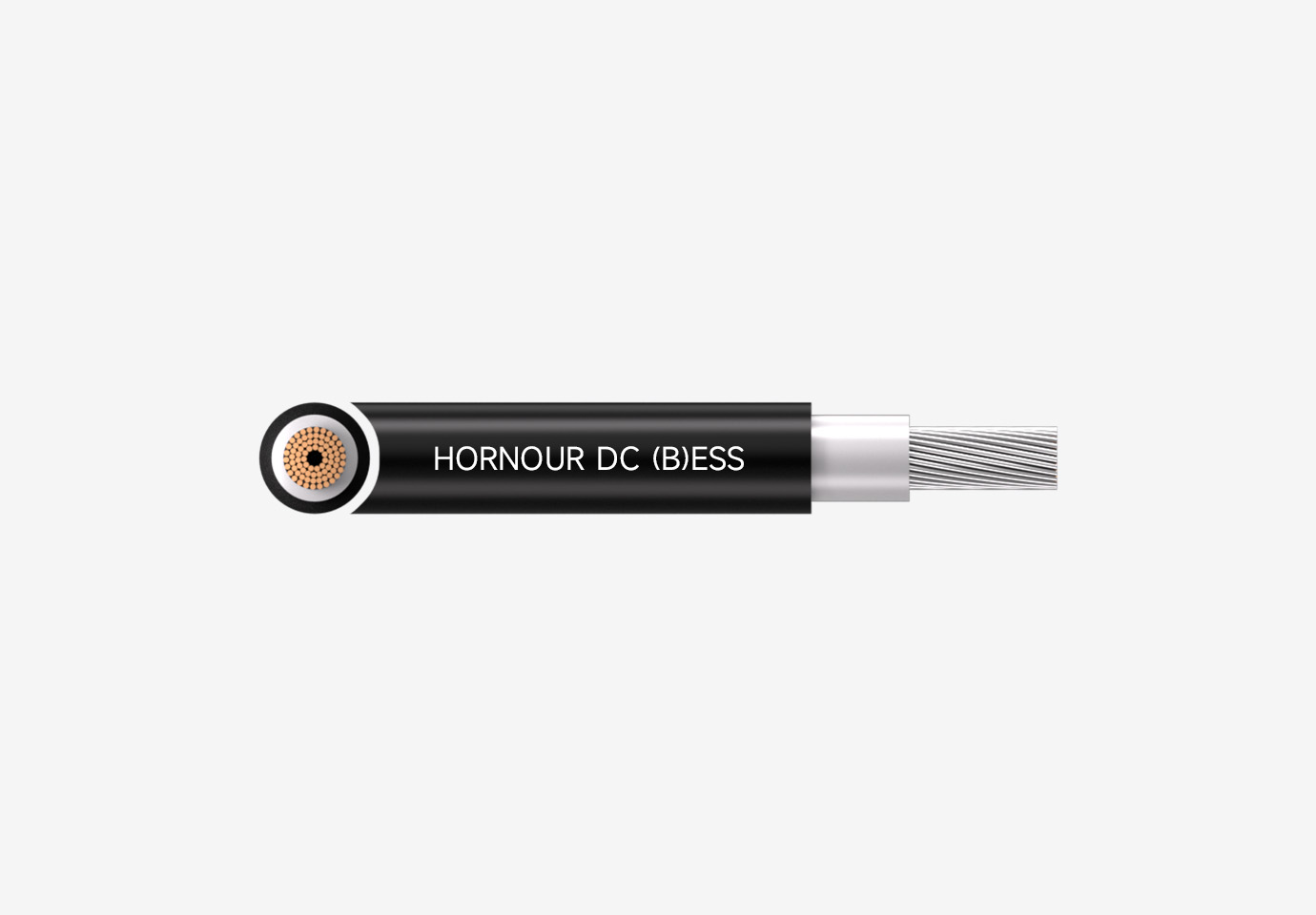
H1Z2Z2-K Nylon-Barrier Rodent-Resistant Solar Cable
H1Z2Z2-K 1.5 kV DC solar cable with a nylon barrier beneath the outer sheath for PV routes that need a non-metallic physical defence against rodent damage.


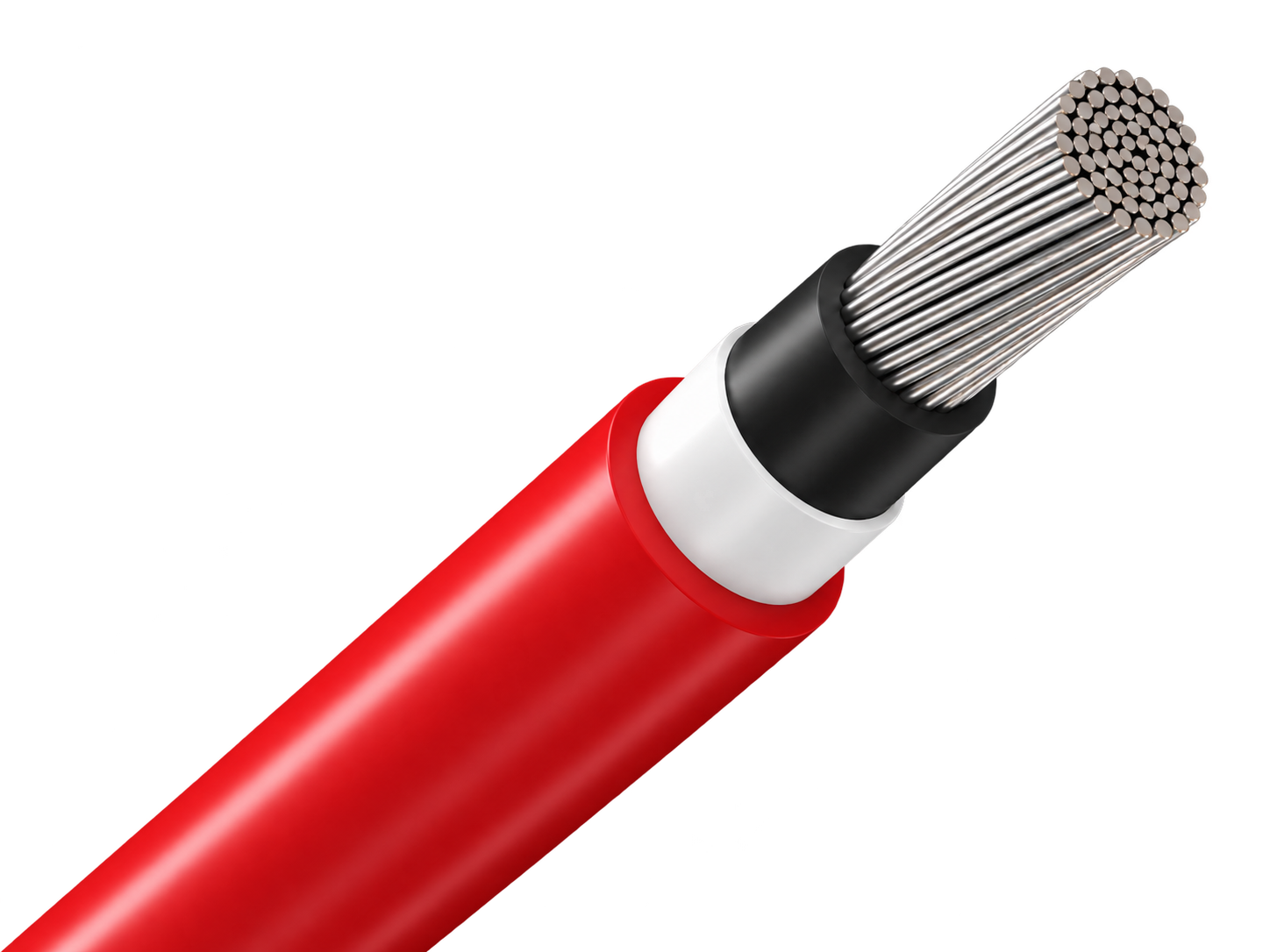
H1Z2Z2-K 1.5 kV DC solar cable with a nylon barrier beneath the outer sheath for PV routes that need a non-metallic physical defence against rodent damage.
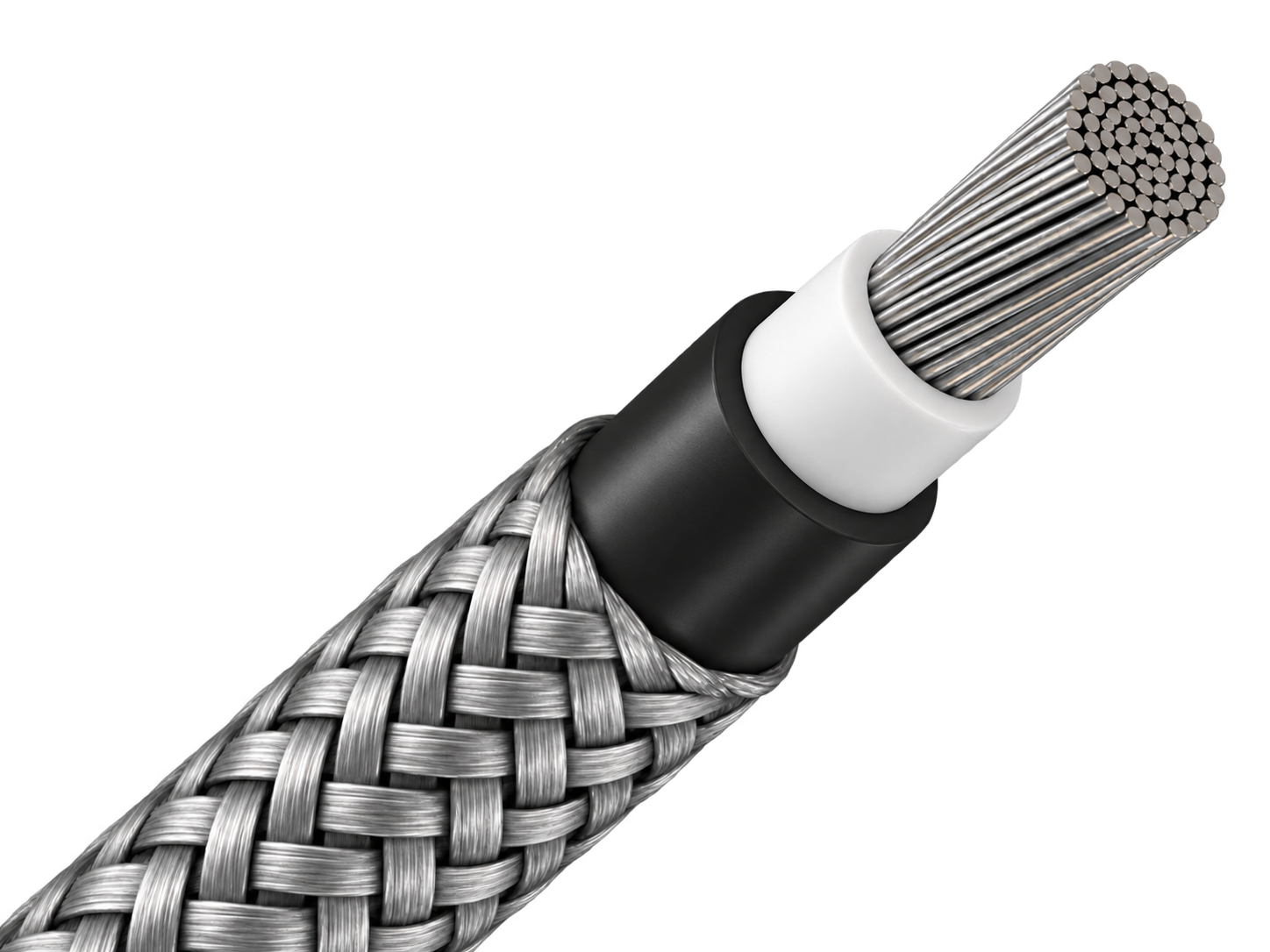
H1Z2Z2-K 1.5 kV DC solar cable with external steel-wire armour for fixed PV routes exposed to severe rodent activity or mechanical damage.
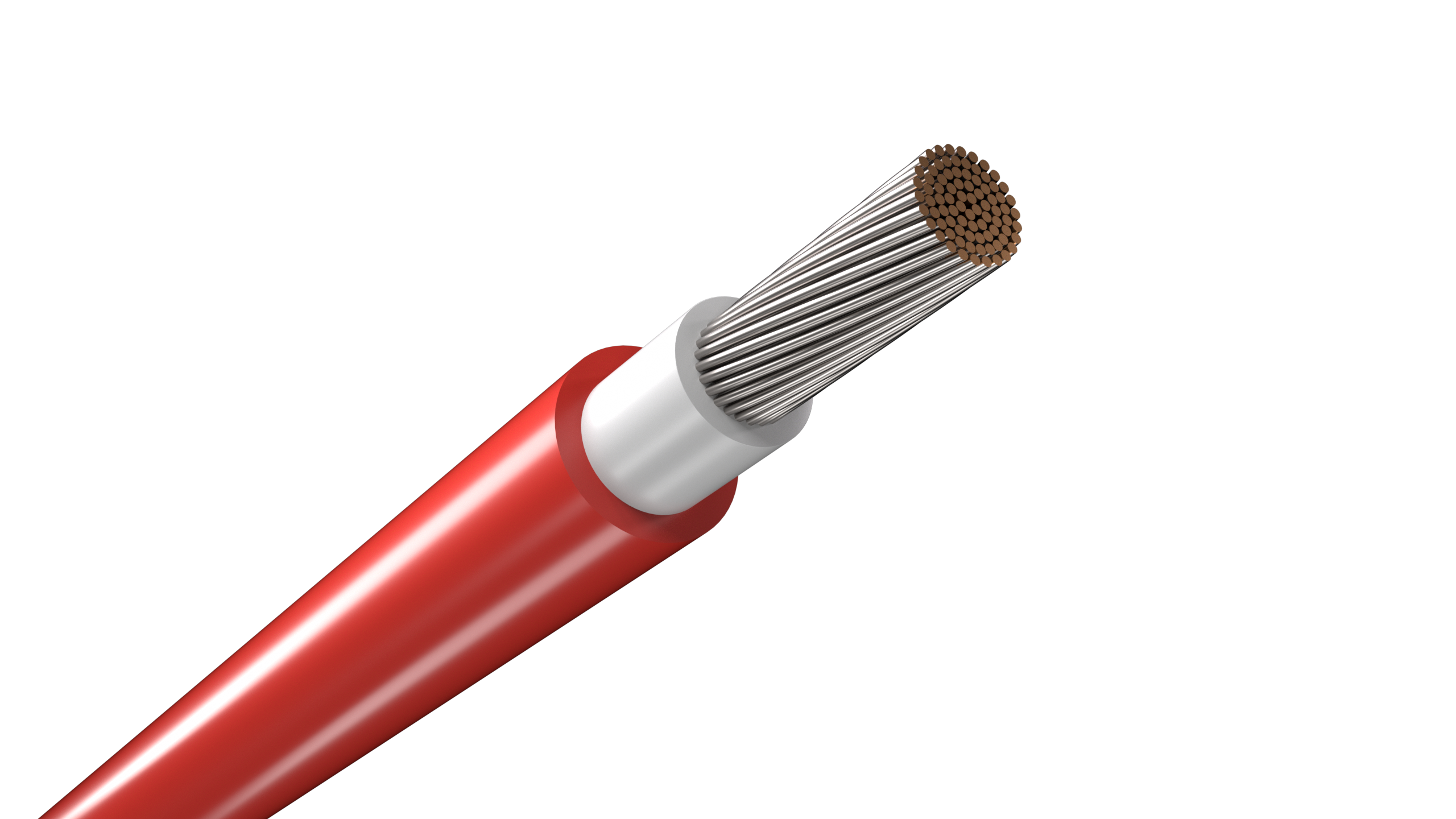
H1Z2Z2-K 1.5 kV DC solar cable with a capsaicin-based rodent-deterrent sheath for PV routes where chemical protection is preferred over added armour.
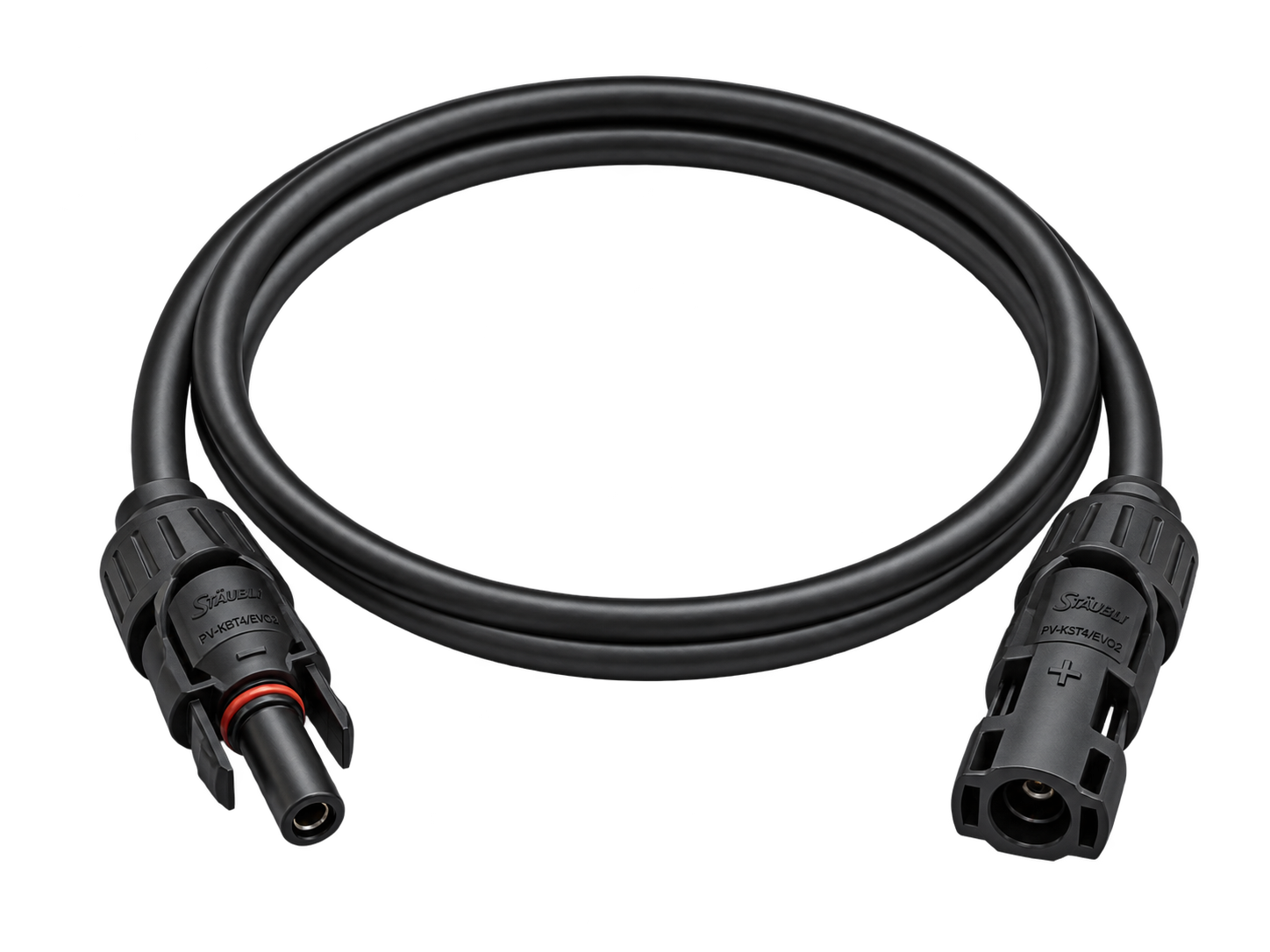
Factory-terminated PV extension cable for controlled module, string and combiner-box connections.
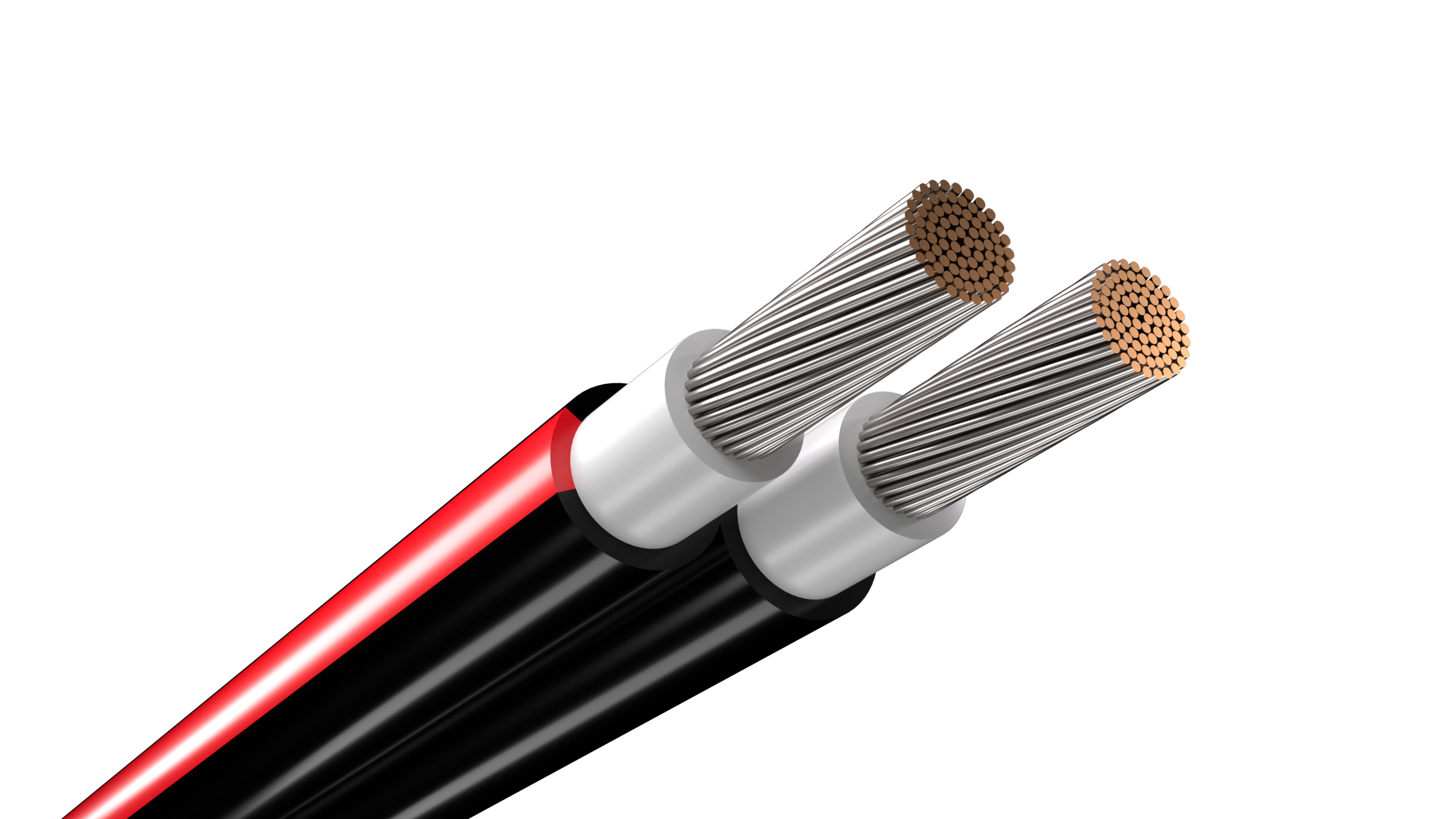
Joined twin PV cable for orderly positive and negative string routing beneath solar modules.
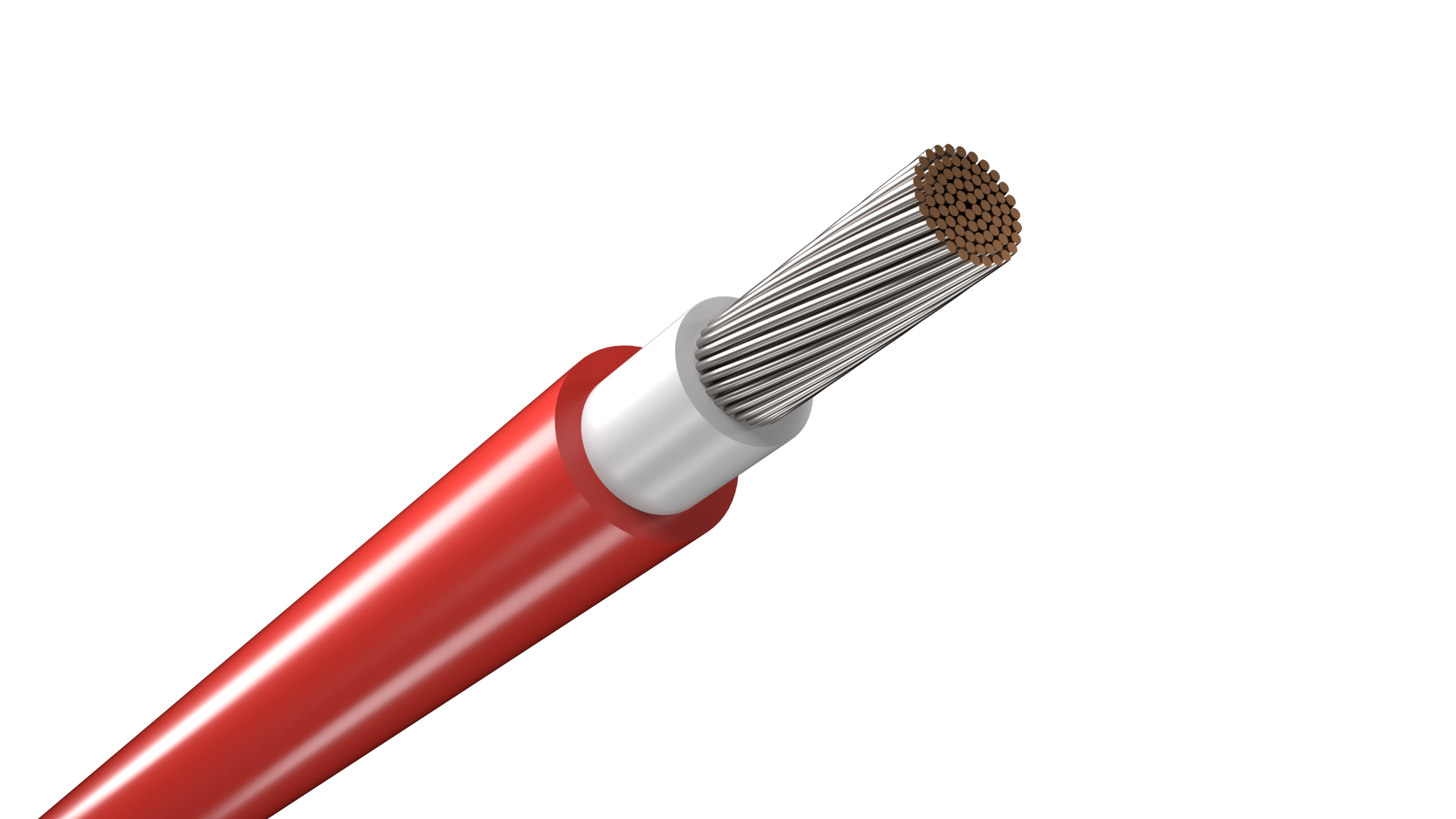
Single-core PV cable for reliable DC wiring across rooftop and ground-mounted solar arrays.
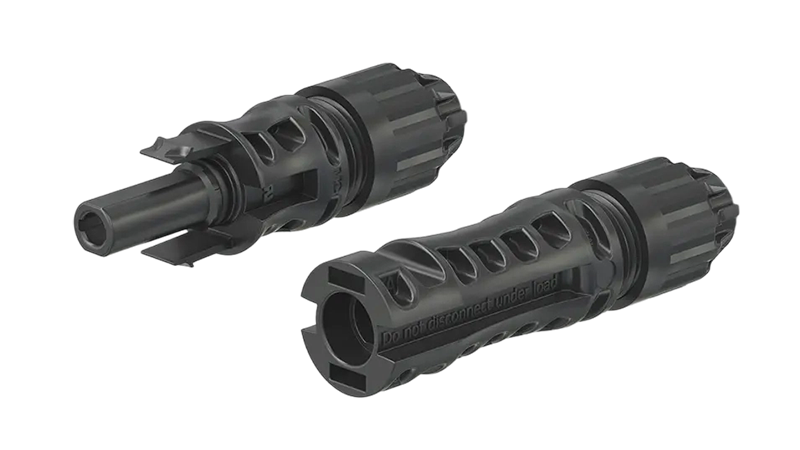
Durable DC connector for residential solar panels – UV-resistant and waterproof.
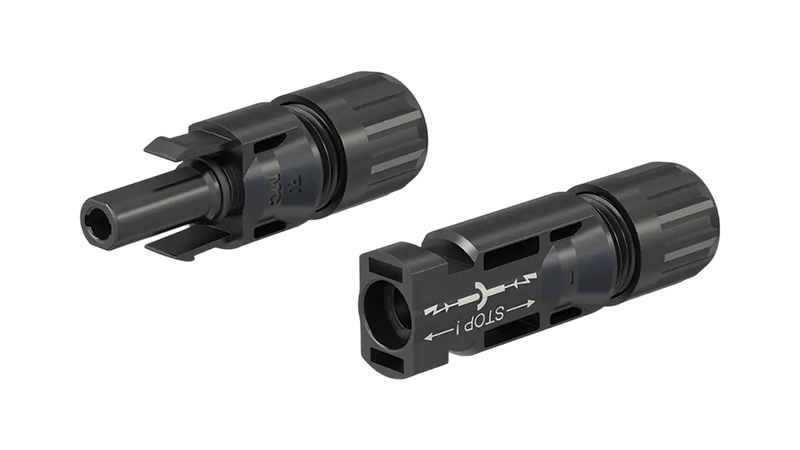
Reliable DC connection for residential photovoltaic systems, UV-resistant, waterproof, and long-lasting.
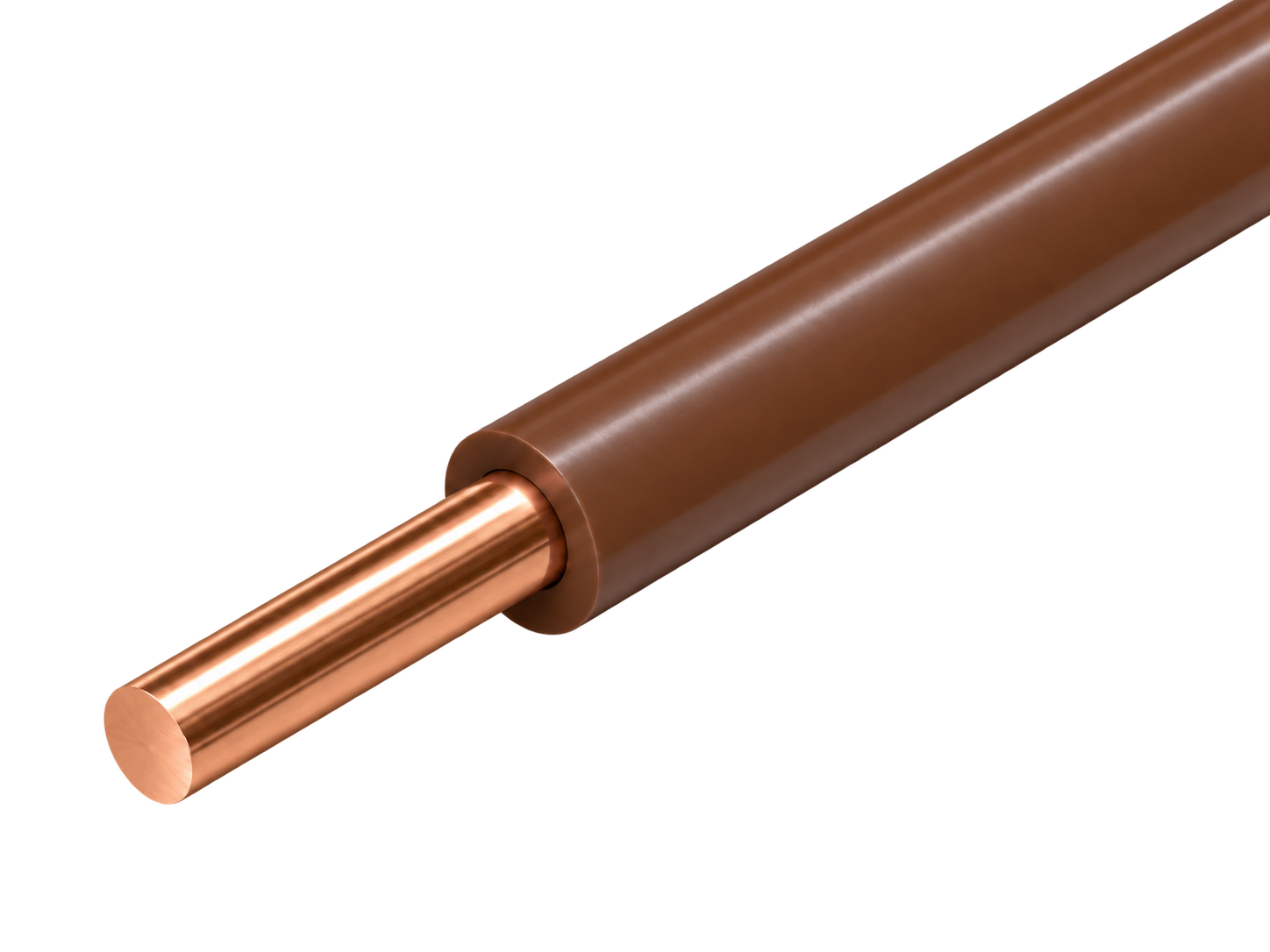
Solid 450/750 V PVC wire for stable fixed circuits in protected conduit and building installations.
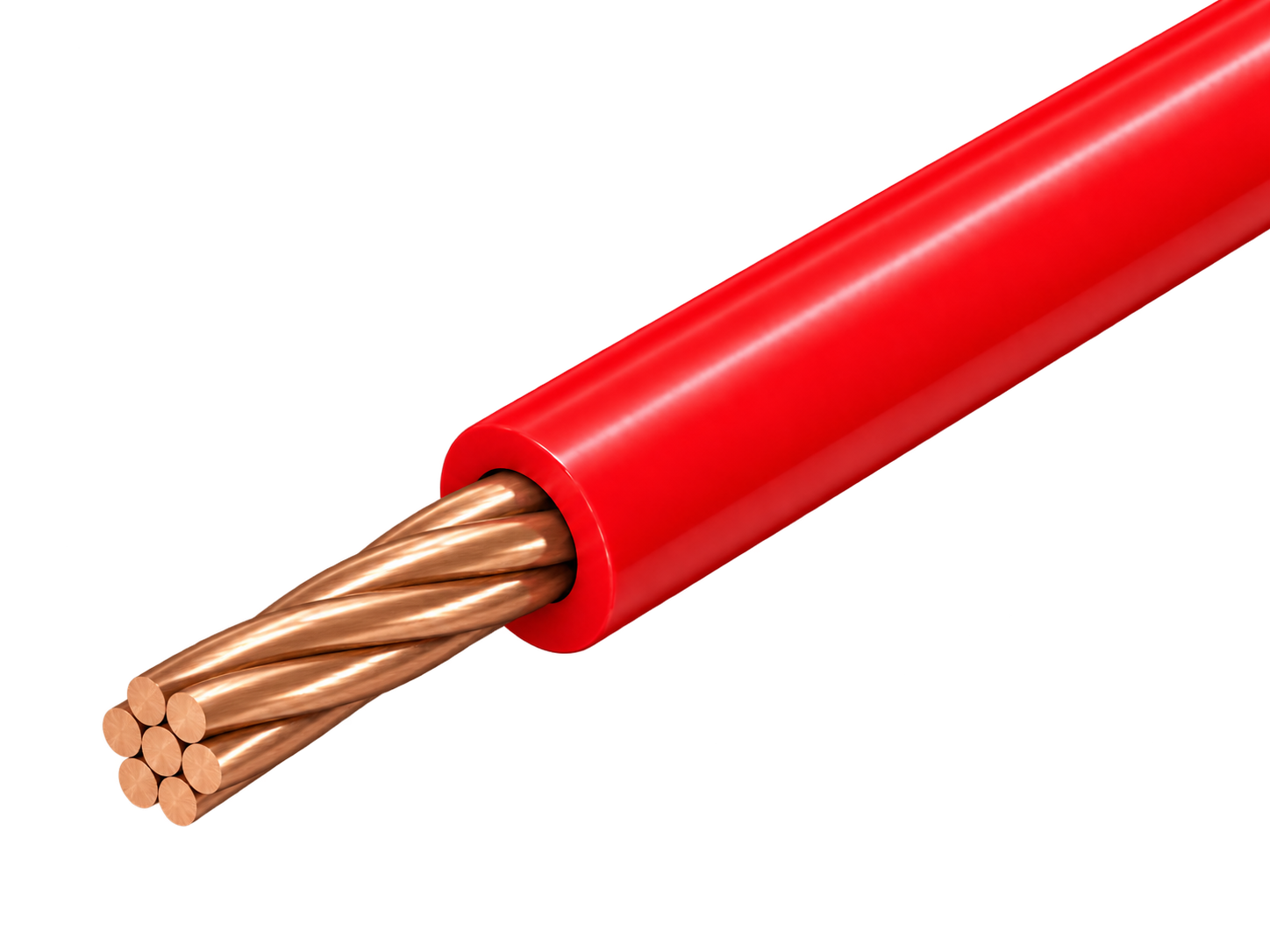
Class 2 stranded 300/500 V PVC wire for fixed equipment and panel routes needing moderate flexibility.
Solid 300/500 V PVC wire for simple, stable fixed connections inside protected equipment and conduit.
Class 2 stranded 450/750 V PVC wire for protected fixed routes requiring easier pulling and forming.
300/500 V PVC-sheathed cable for fixed surface and flush-mounted installations in Finnish building wiring.
Flexible 300/500 V PVC wire for compact equipment, switchgear and control-panel connections.
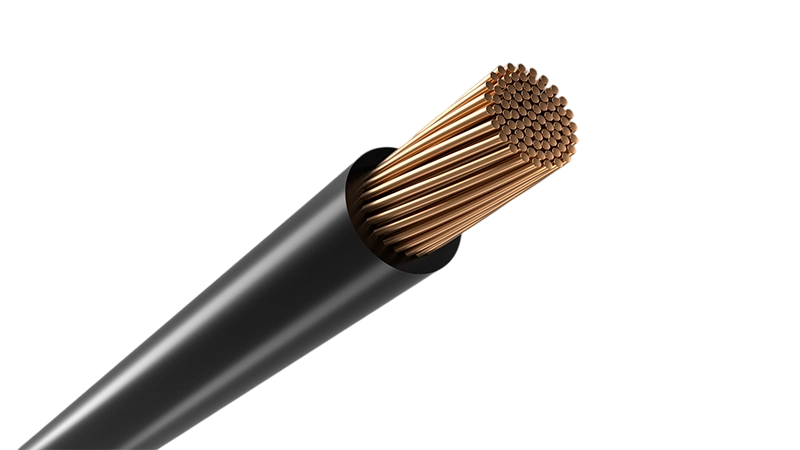
Flexible 450/750 V PVC wire for protected conduit, panel and grounding connections.
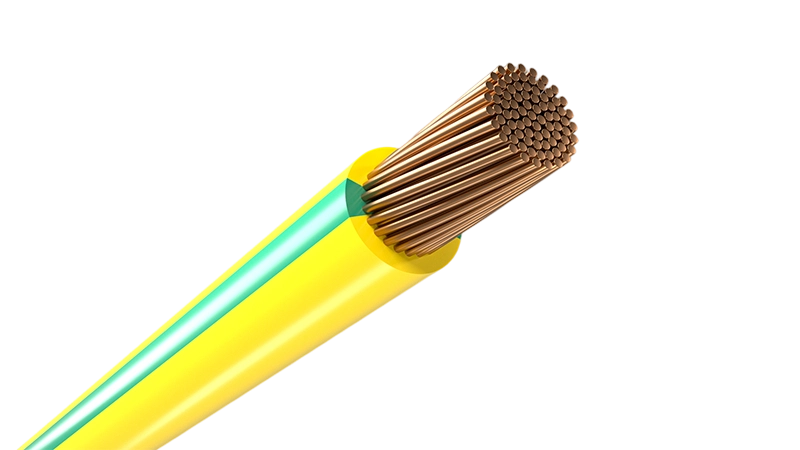
Flexible PVC insulated earthing cable for residential solar PV system grounding
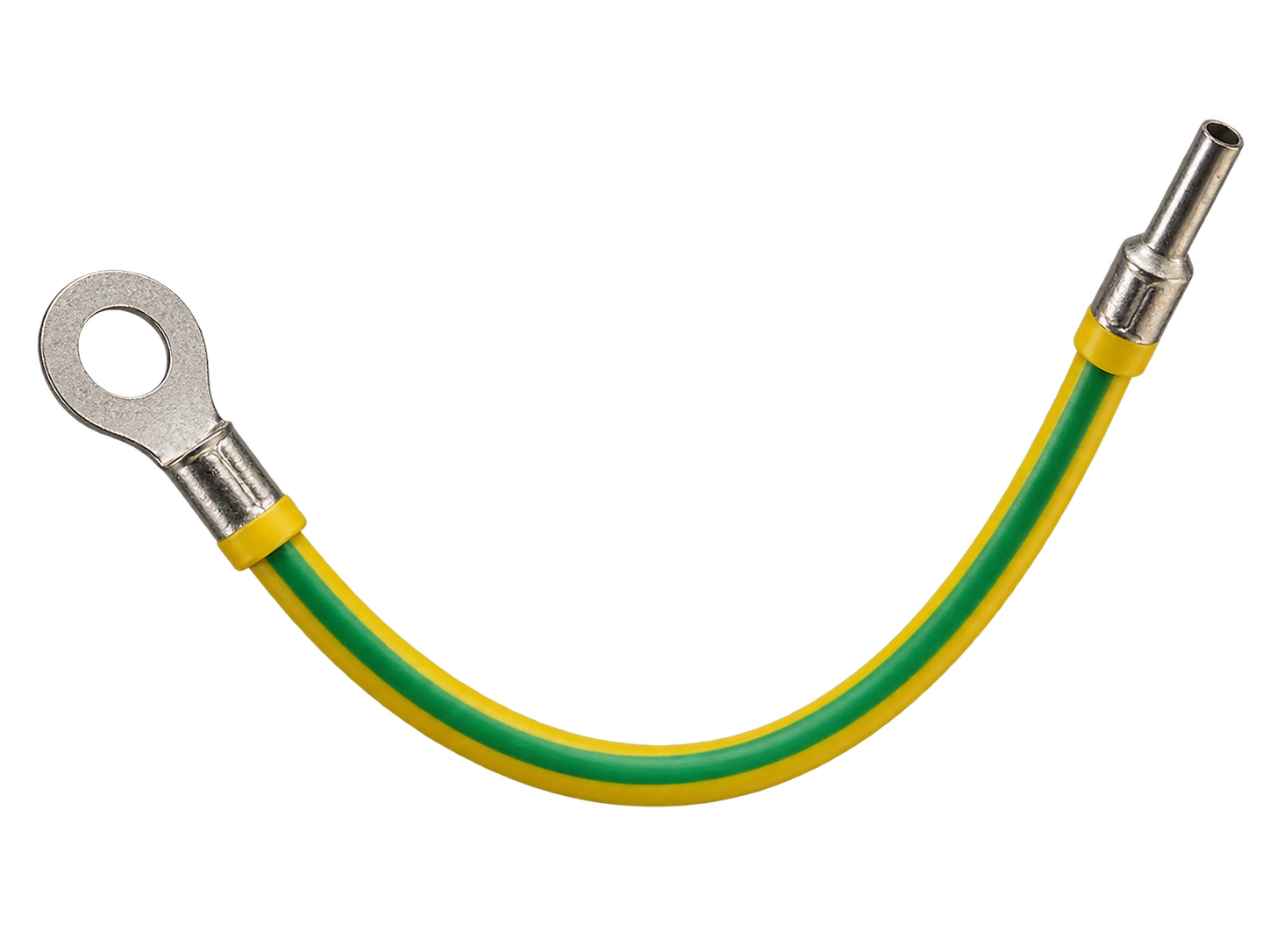
Green/yellow H07V-K grounding lead with factory-crimped ring / OT terminal for ready-to-install earthing and bonding connections.
Bare 25 mm² Class 2 stranded copper conductor for earthing, grounding and equipotential bonding.
Flexible 450/750 V PVC wire for protected conduit, panel and grounding connections.
H1Z2Z2-K 1.5 kV DC solar cable with a nylon barrier beneath the outer sheath for PV routes that need a non-metallic physical defence against rodent damage.
H1Z2Z2-K 1.5 kV DC solar cable with external steel-wire armour for fixed PV routes exposed to severe rodent activity or mechanical damage.
H1Z2Z2-K 1.5 kV DC solar cable with a capsaicin-based rodent-deterrent sheath for PV routes where chemical protection is preferred over added armour.
Factory-terminated PV extension cable for controlled module, string and combiner-box connections.
Joined twin PV cable for orderly positive and negative string routing beneath solar modules.
Single-core PV cable for reliable DC wiring across rooftop and ground-mounted solar arrays.
Flexible PVC insulated earthing cable for residential solar PV system grounding
Green/yellow H07V-K grounding lead with factory-crimped ring / OT terminal for ready-to-install earthing and bonding connections.
Bare 25 mm² Class 2 stranded copper conductor for earthing, grounding and equipotential bonding.
Flexible 450/750 V PVC wire for protected conduit, panel and grounding connections.
Flexible Eca-s1a,d1,a1 grounding cable for commercial and industrial installations
Flexible PVC insulated earthing cable for residential solar PV system grounding
Solid 450/750 V PVC wire for stable fixed circuits in protected conduit and building installations.
Class 2 stranded 300/500 V PVC wire for fixed equipment and panel routes needing moderate flexibility.
Solid 300/500 V PVC wire for simple, stable fixed connections inside protected equipment and conduit.
Class 2 stranded 450/750 V PVC wire for protected fixed routes requiring easier pulling and forming.
300/500 V PVC-sheathed cable for fixed surface and flush-mounted installations in Finnish building wiring.
Flexible 300/500 V PVC wire for compact equipment, switchgear and control-panel connections.
Flexible 450/750 V PVC wire for protected conduit, panel and grounding connections.
High-performance medium-voltage cable for demanding industrial and commercial networks
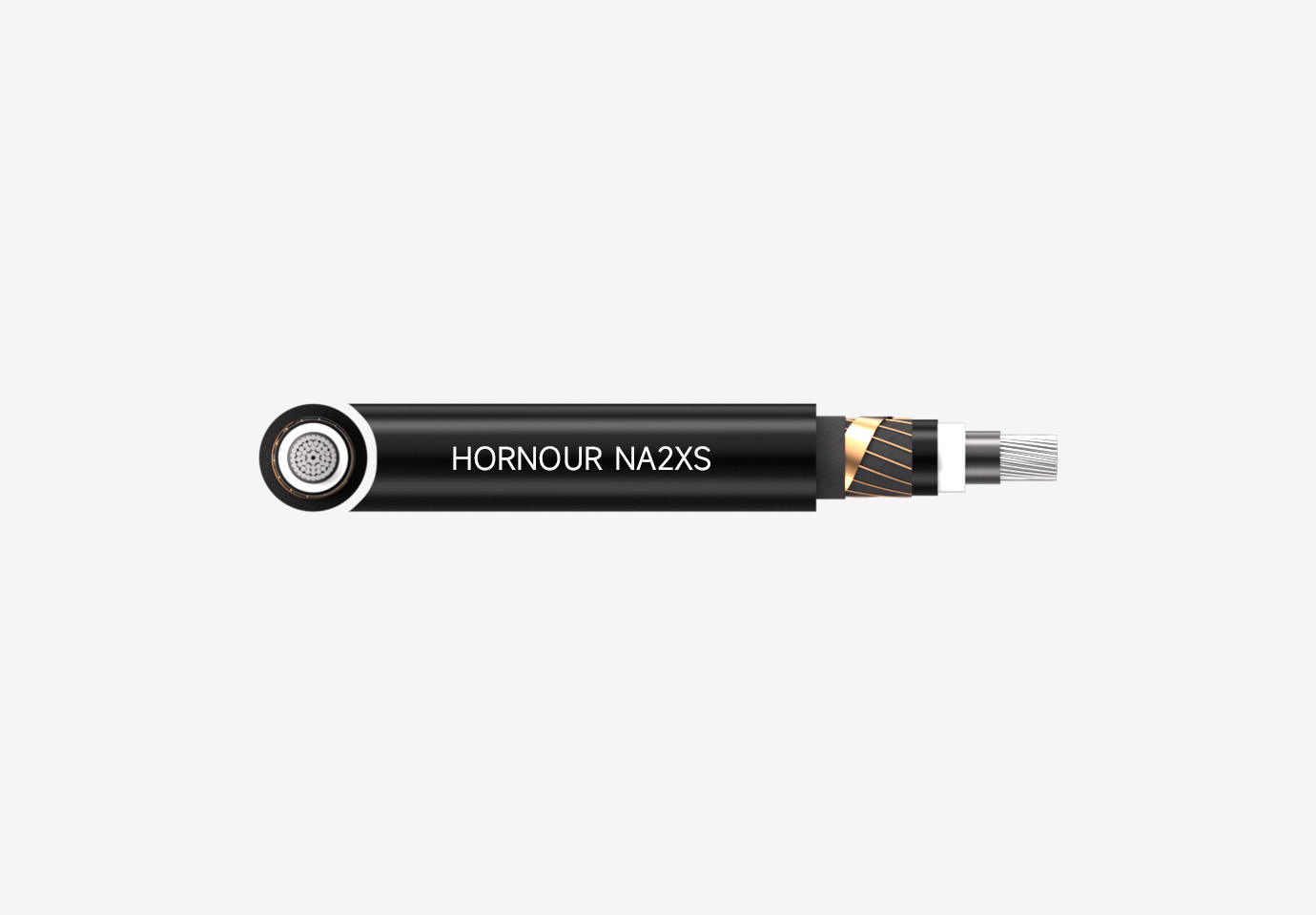
High-performance medium-voltage cable for demanding industrial and commercial networks
High-performance medium-voltage cable for demanding industrial and commercial networks
Reliable medium-voltage cable for commercial and industrial energy networks
Durable medium-voltage cable for industrial and commercial power distribution
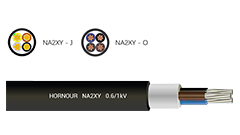
XLPE Insulated Aluminum Conductor 0.6/1 kV Power Cable
XLPE Insulated and PVC Sheathed 0.6/1 kV Power Cable for Commercial & Industrial Distribution
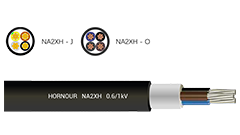
XLPE Insulated and PVC Sheathed Heavy-Duty Power Cable for Commercial & Industrial Applications
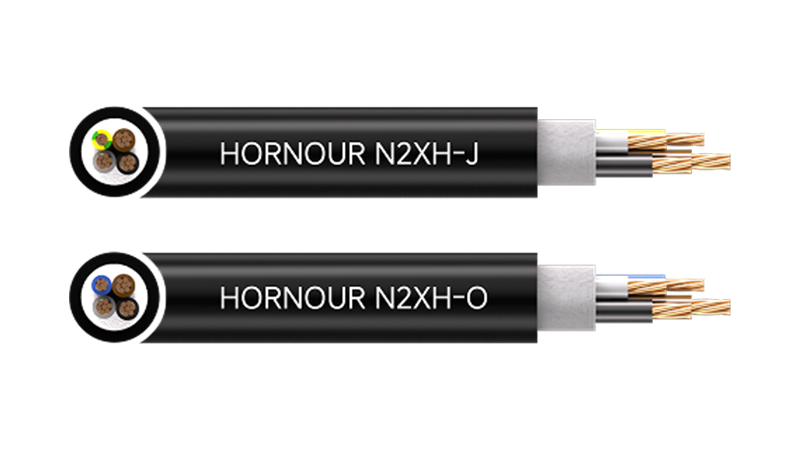
Halogen-Free XLPE Insulated 0.6/1 kV Power Cable
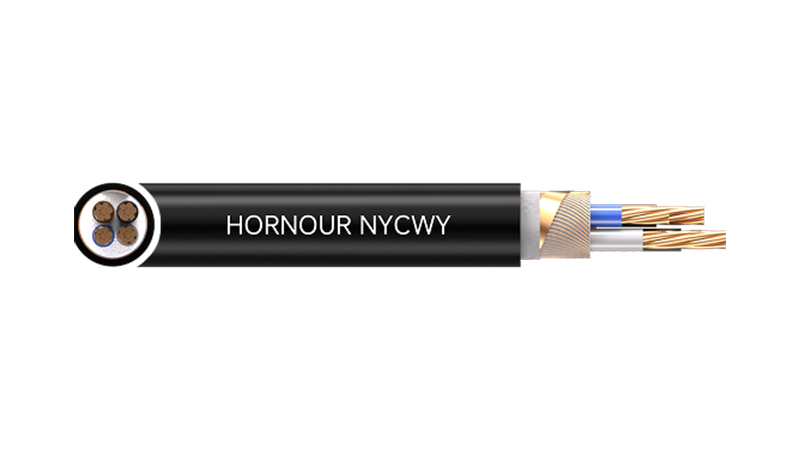
Copper Conductor Wire Armored Cable for Industrial & Commercial Installations
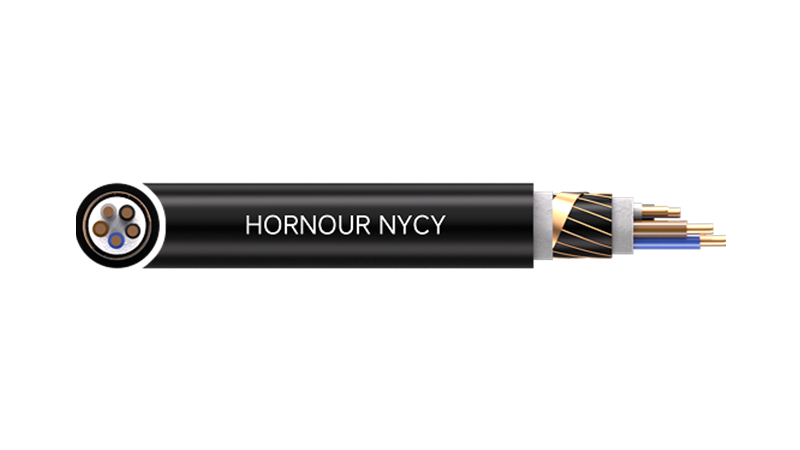
Copper Conductor Concentric Cable for Industrial & Commercial Installations
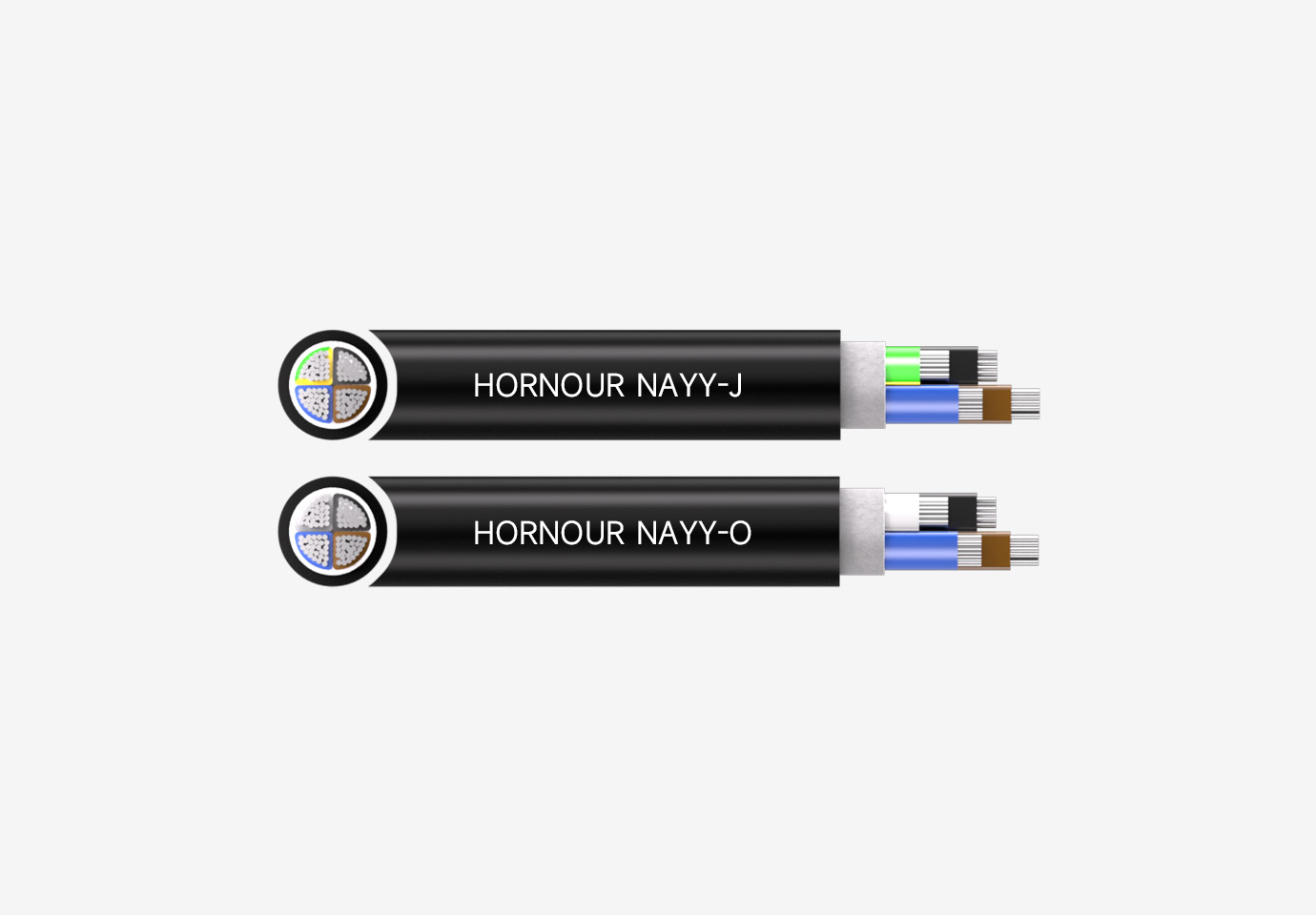
Aluminum Conductor PVC Insulated 0.6/1 kV Power Cable

hot search


The H1Z2Z2-K electrical construction is retained while the halogen-free outer sheath incorporates a capsaicin-based rodent-deterrent additive. It is intended for fixed PV DC routes with known rodent activity where a separate physical armour layer is not required.




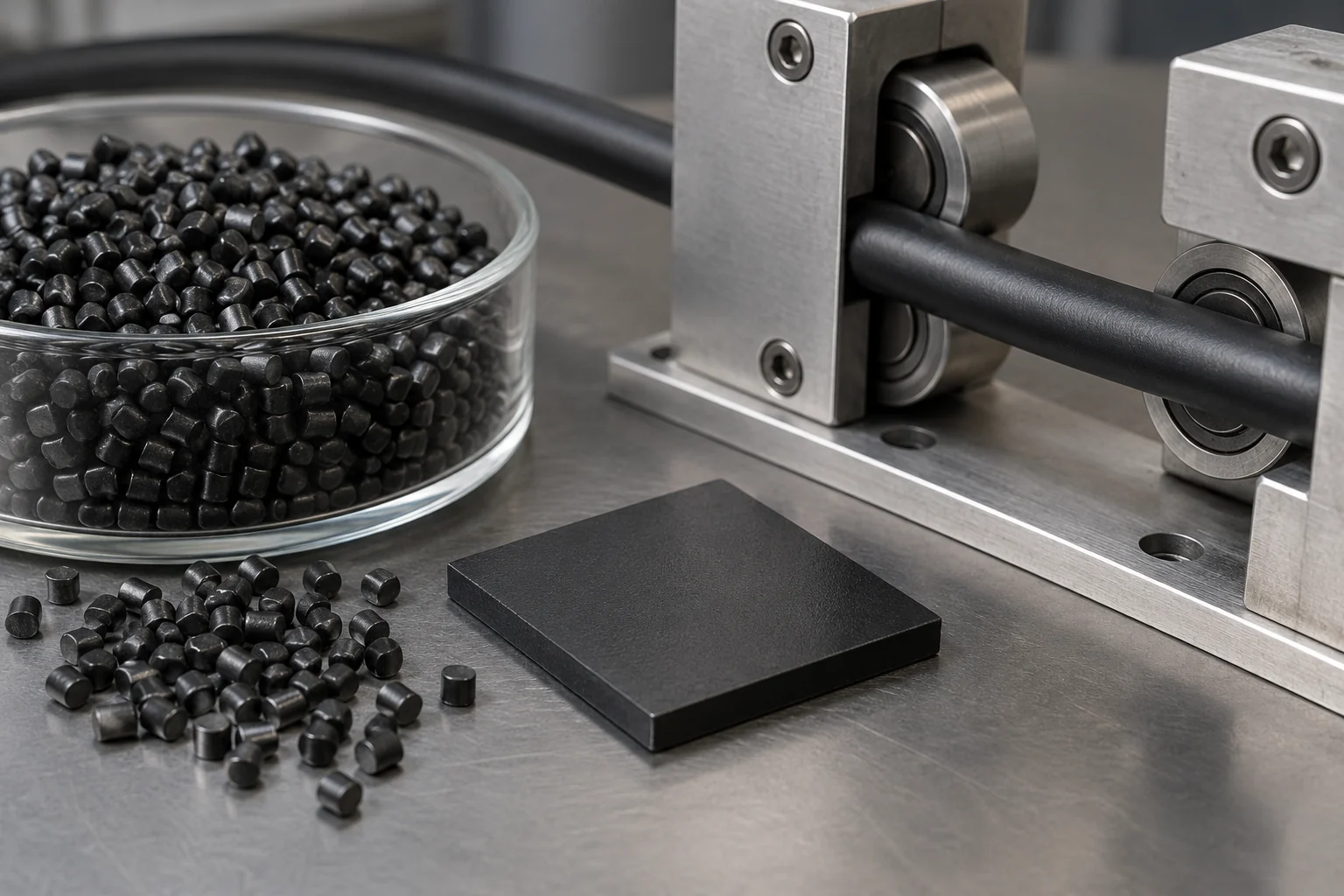
The protective function is built into the outer sheath rather than added as a metal layer. When a PV route has known rodent activity but does not need armour for impact or crushing, the capsaicin-based construction adds a deterrent while keeping the cable close to the handling profile of a conventional single-core H1Z2Z2-K.
Because the protection is chemical rather than metallic, the cable avoids the extra diameter, weight and armour termination work of a steel-protected design. That makes it better suited to supported rooftop and array routes where cable clips, bends and equipment entries still need normal PV-cable handling.
This construction is intended to discourage gnawing; it is not a substitute for physical protection where rodents are persistent or where the route is also exposed to impact, crushing or other mechanical damage. For those sections, a nylon-barrier or steel-wire-armoured construction should be considered instead.
Designed for Rodent-prone rooftop PV, Agricultural solar installations, Ground-mounted arrays and Exposed supported DC cable routes.
| Description | Nominal cross section mm² | OD of conductor mm | Insulation mm | Sheath mm | Cable diameter mm | Conductor resistance at 20°C Ω/km | Cable colour |
|---|---|---|---|---|---|---|---|
| H1Z2Z2-K Capsaicin | 1 × 1.5 | — | 0.7 | 0.8 | 4.6 | 13.7 | Black / Red |
| H1Z2Z2-K Capsaicin | 1 × 2.5 | 2.0 | 0.7 | 0.8 | 5.1 ± 0.1 | 8.21 | Black / Red |
| H1Z2Z2-K Capsaicin | 1 × 4 | 2.45 | 0.7 | 0.8 | 5.5 ± 0.15 | 5.09 | Black / Red |
| H1Z2Z2-K Capsaicin | 1 × 6 | 3.0 | 0.7 | 0.8 | 6.1 ± 0.15 | 3.39 | Black / Red |
| H1Z2Z2-K Capsaicin | 1 × 10 | 4.1 | 0.7 | 0.8 | 7.2 ± 0.3 | 1.95 | Black / Red |
| H1Z2Z2-K Capsaicin | 1 × 16 | 5.1 | 0.7 | 0.9 | 8.8 ± 0.4 | 1.24 | Black / Red |
| H1Z2Z2-K Capsaicin | 1 × 25 | 6.3 | 0.9 | 1.0 | 10.8 ± 0.5 | 0.795 | Black / Red |
| H1Z2Z2-K Capsaicin | 1 × 35 | 8.0 | 0.9 | 1.1 | 12.6 ± 0.6 | 0.565 | Black / Red |
Dimensional and electrical values follow the standard H1Z2Z2-K data for the corresponding conductor size.
Download TDS
Where a certificate, test report or DoP is part of the approval package, we match it to the quoted cable construction and the applicable scope. A document for one version is not treated as approval for another simply because the model name is similar.
Not automatically. Twin constructions, connectorised extensions and modified constructions such as nylon barrier or steel-wire armour have to be checked against the scope of the applicable documents. For a PV extension lead, CPR evidence for the base cable does not by itself classify the complete connectorised assembly.
Single-core PV cable for reliable DC wiring across rooftop and ground-mounted solar arrays.
H1Z2Z2-K 1.5 kV DC solar cable with external steel-wire armour for fixed PV routes exposed to severe rodent activity or mechanical damage.
H1Z2Z2-K 1.5 kV DC solar cable with a nylon barrier beneath the outer sheath for PV routes that need a non-metallic physical defence against rodent damage.