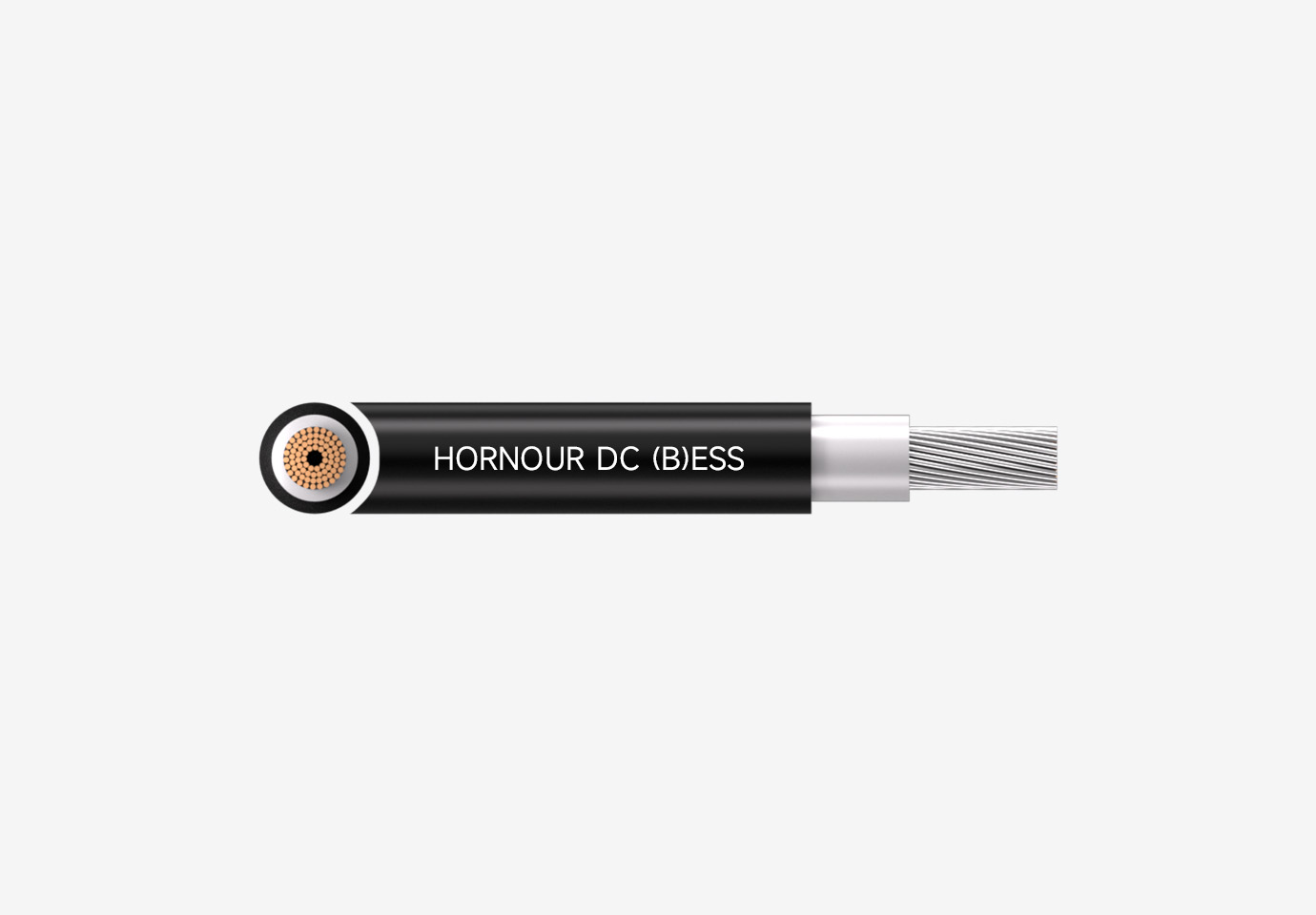
H1Z2Z2-K Nylon-Barrier Rodent-Resistant Solar Cable
H1Z2Z2-K 1.5 kV DC solar cable with a nylon barrier beneath the outer sheath for PV routes that need a non-metallic physical defence against rodent damage.


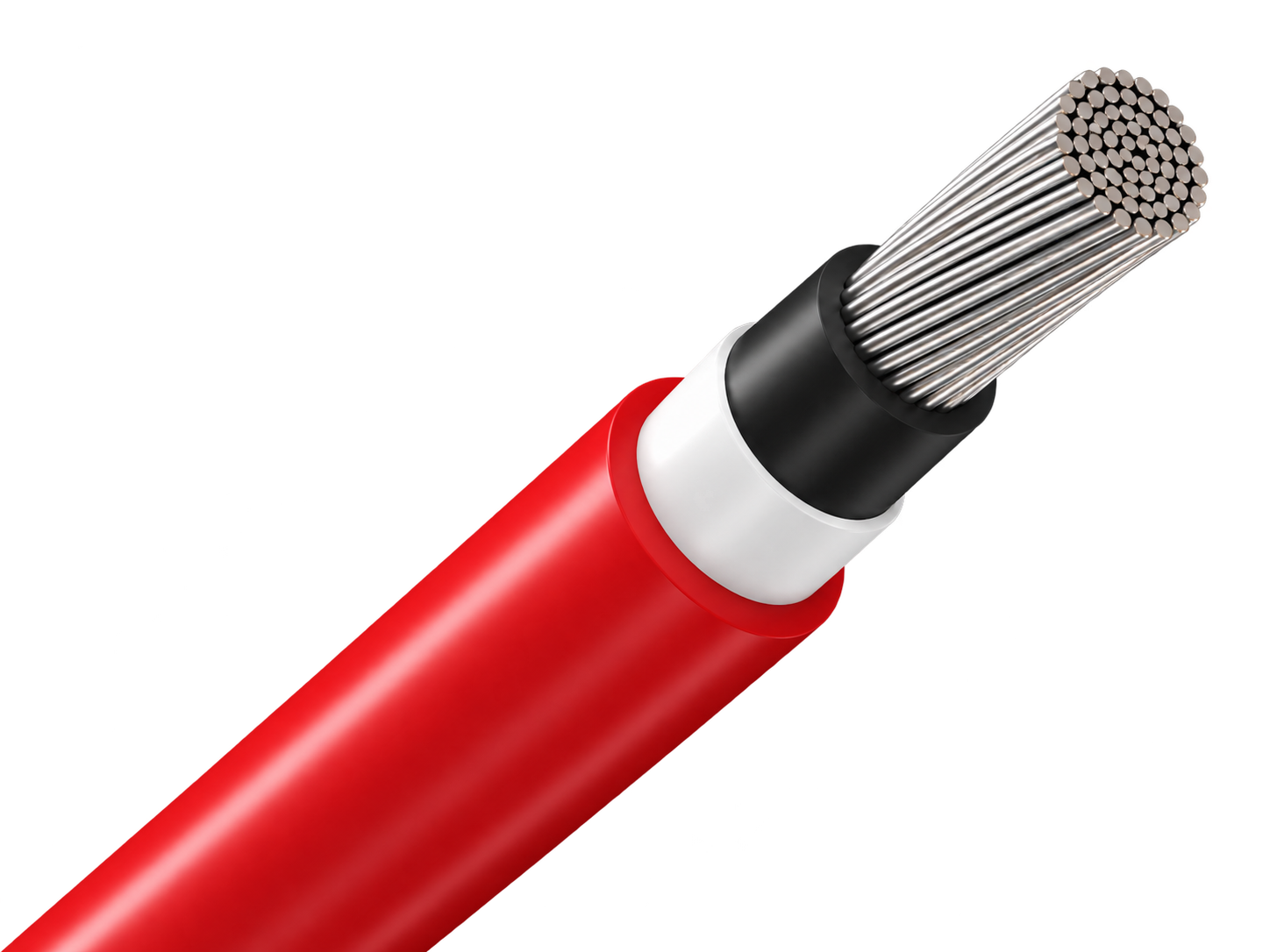
H1Z2Z2-K 1.5 kV DC solar cable with a nylon barrier beneath the outer sheath for PV routes that need a non-metallic physical defence against rodent damage.
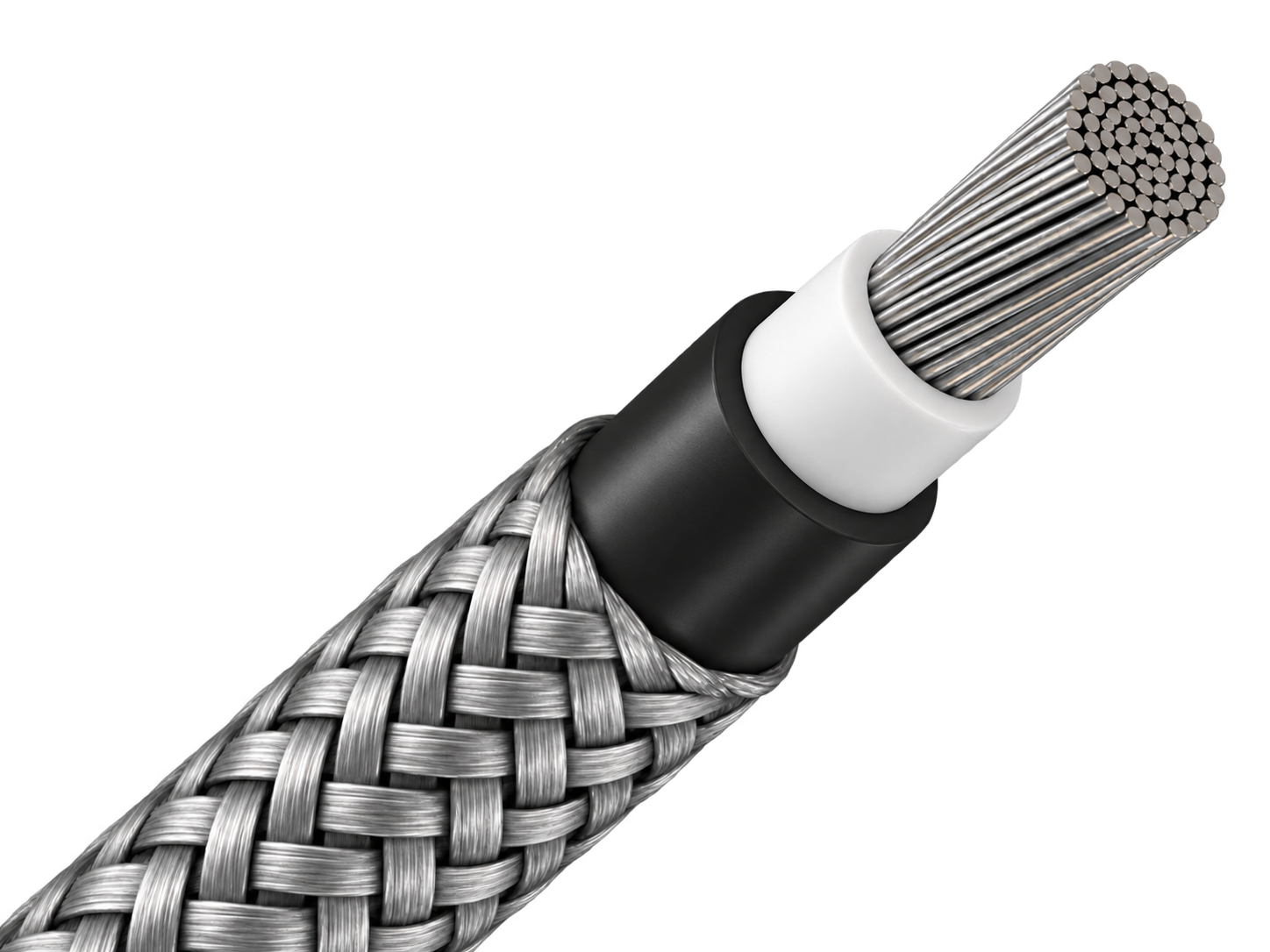
H1Z2Z2-K 1.5 kV DC solar cable with external steel-wire armour for fixed PV routes exposed to severe rodent activity or mechanical damage.
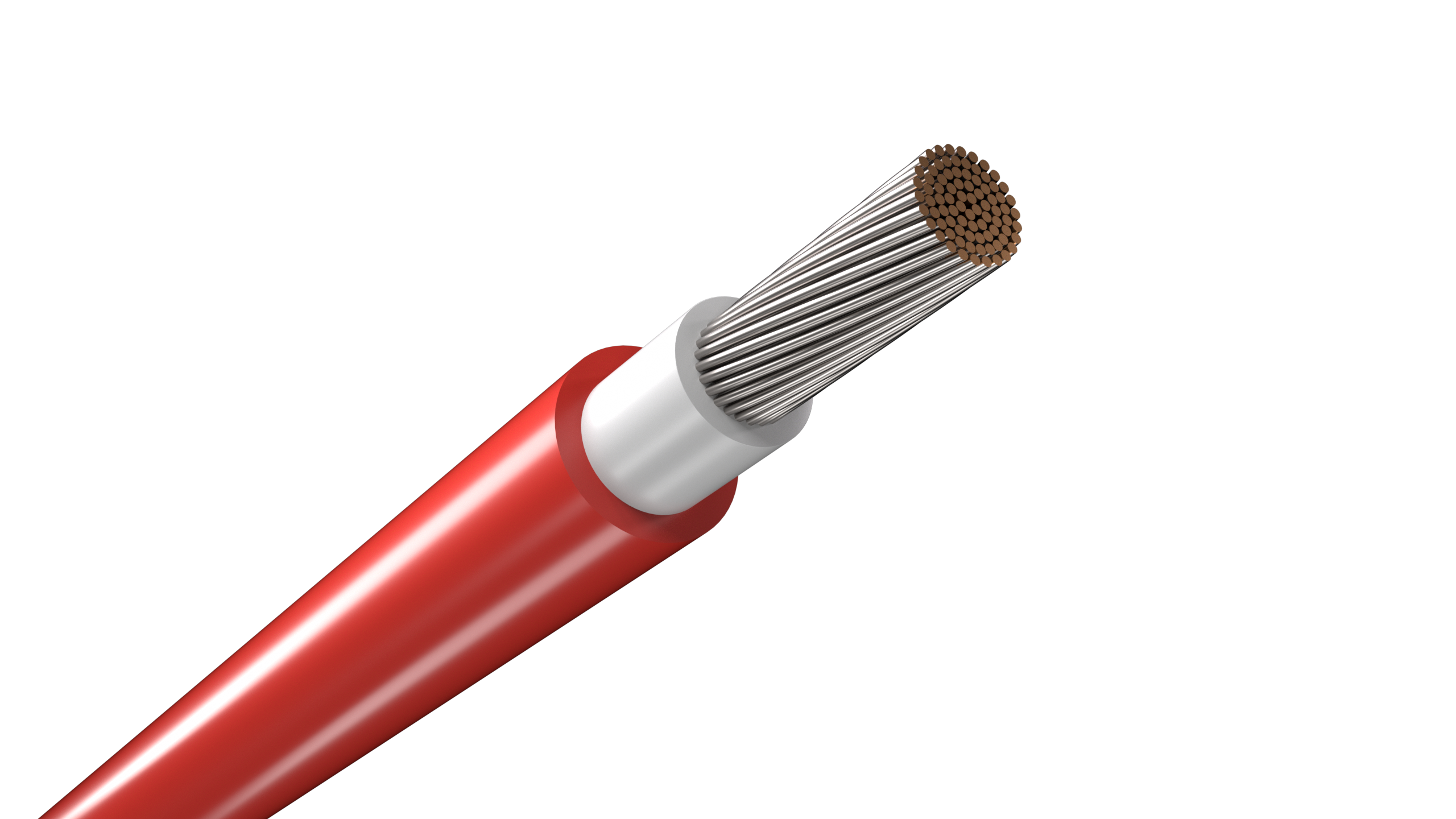
H1Z2Z2-K 1.5 kV DC solar cable with a capsaicin-based rodent-deterrent sheath for PV routes where chemical protection is preferred over added armour.
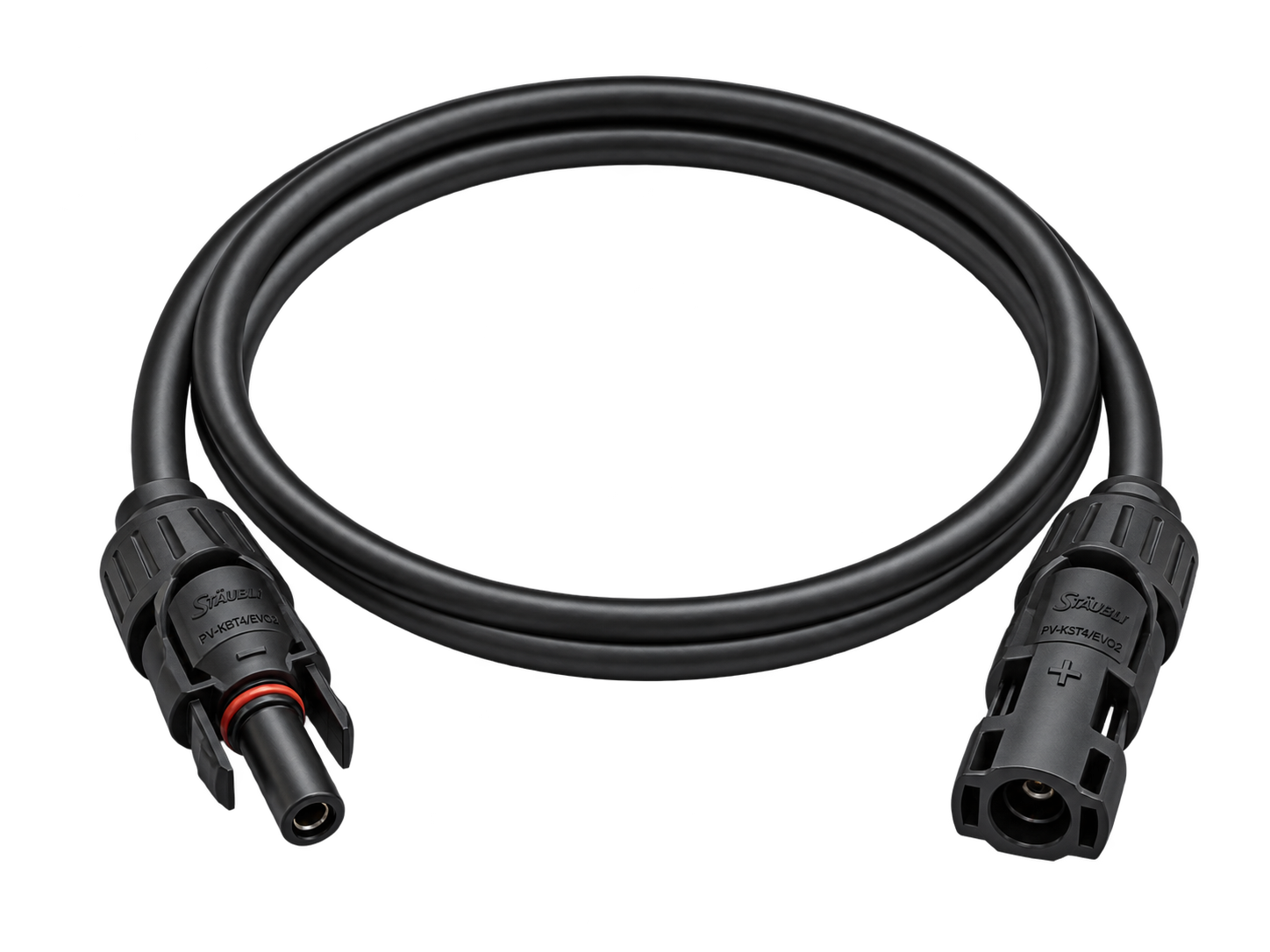
Factory-terminated PV extension cable for controlled module, string and combiner-box connections.
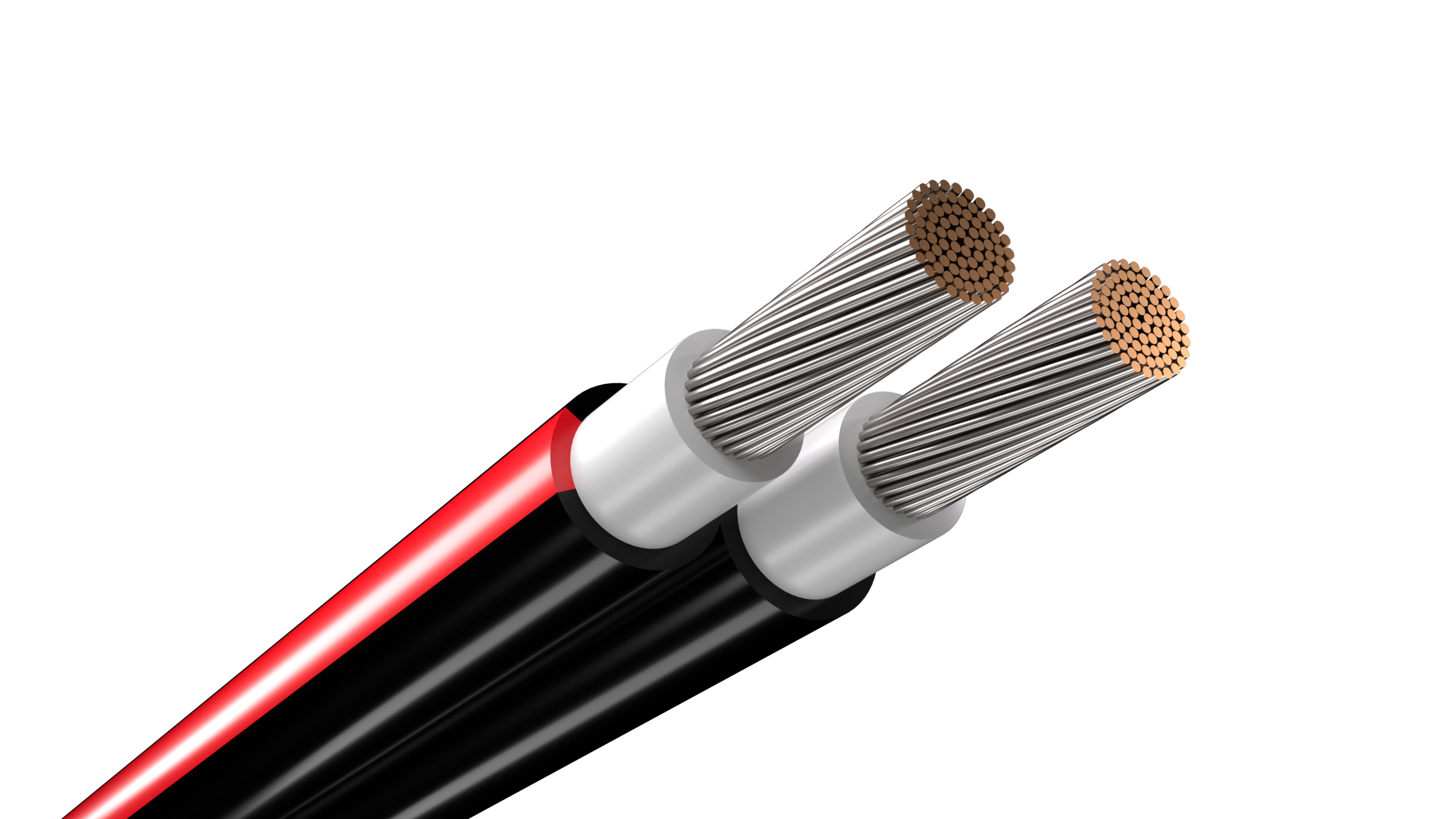
Joined twin PV cable for orderly positive and negative string routing beneath solar modules.
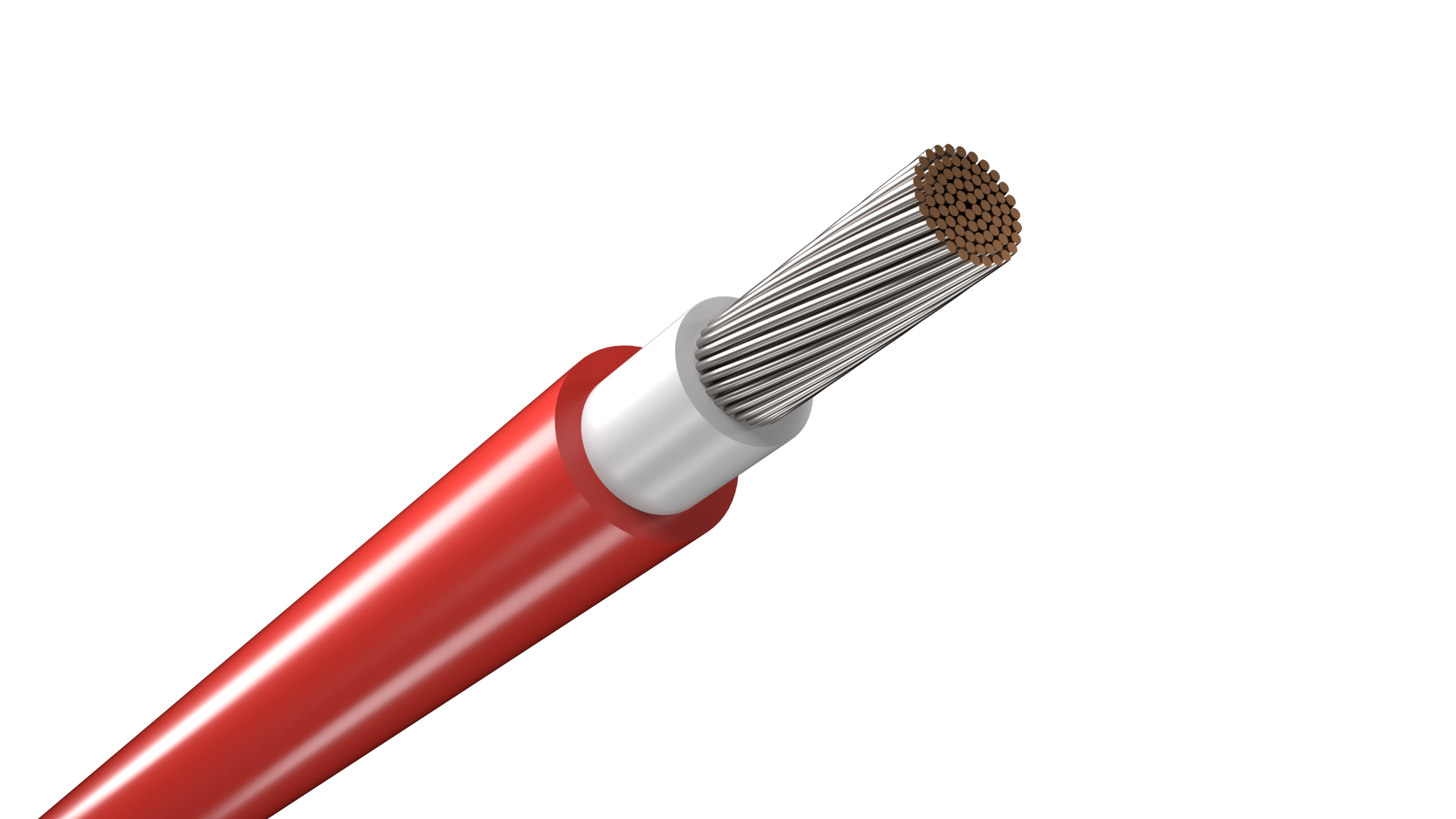
Single-core PV cable for reliable DC wiring across rooftop and ground-mounted solar arrays.
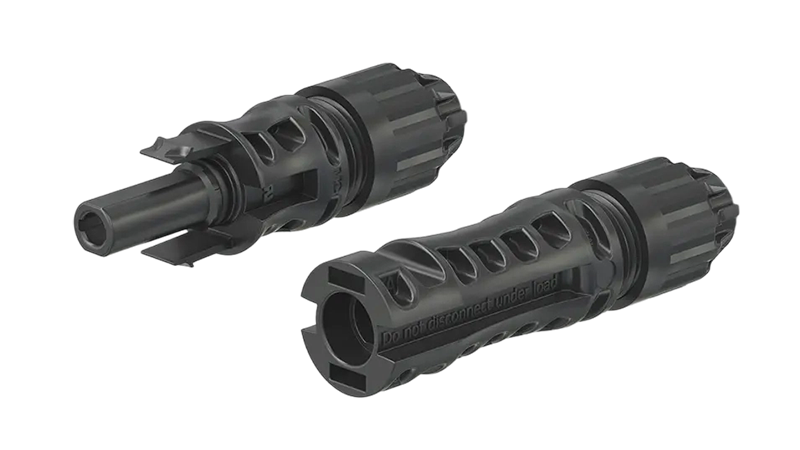
Durable DC connector for residential solar panels – UV-resistant and waterproof.
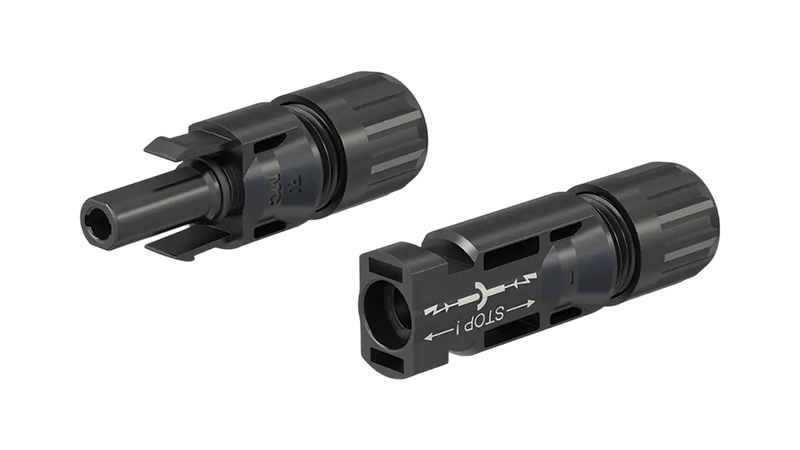
Reliable DC connection for residential photovoltaic systems, UV-resistant, waterproof, and long-lasting.
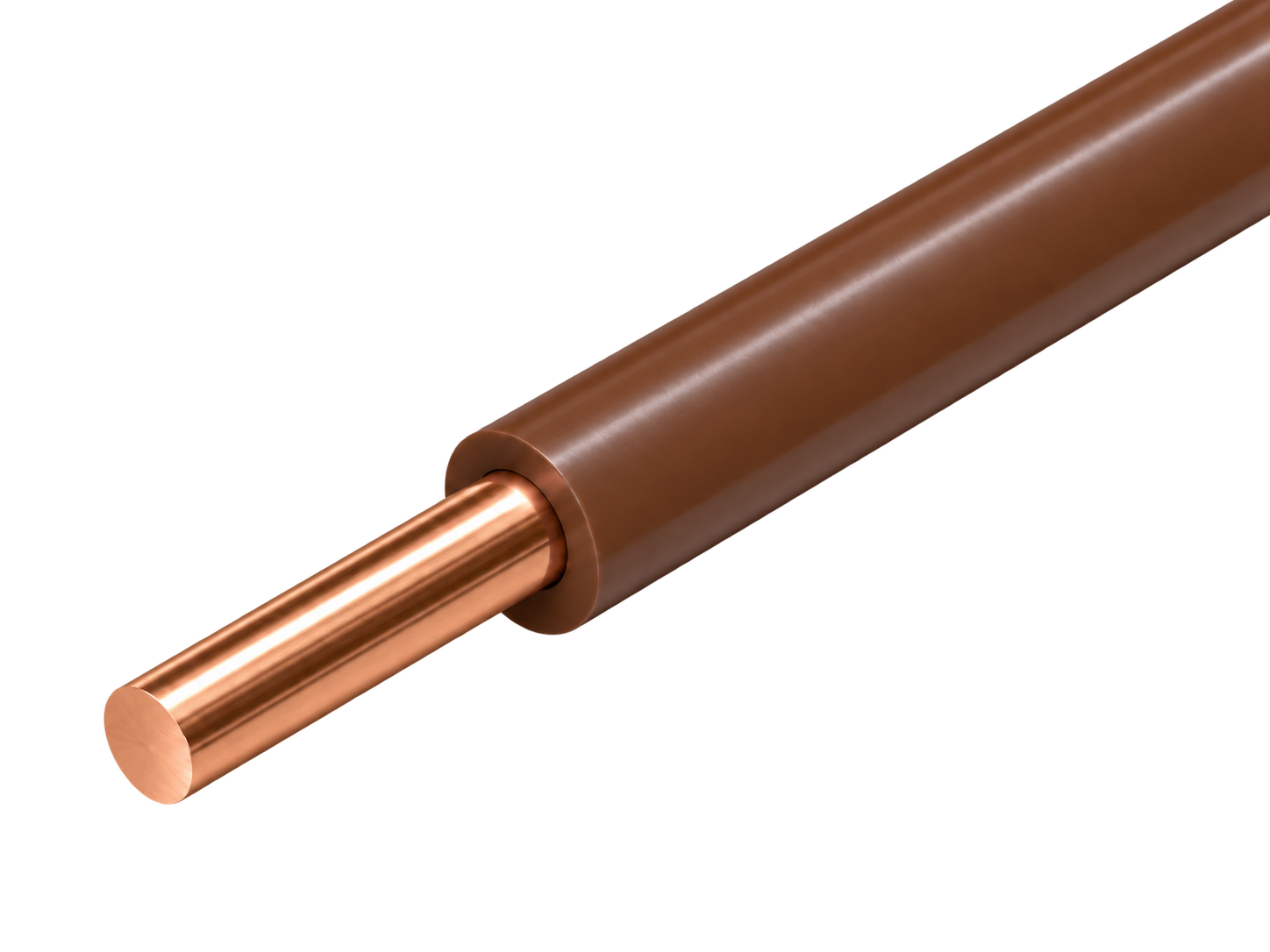
Solid 450/750 V PVC wire for stable fixed circuits in protected conduit and building installations.
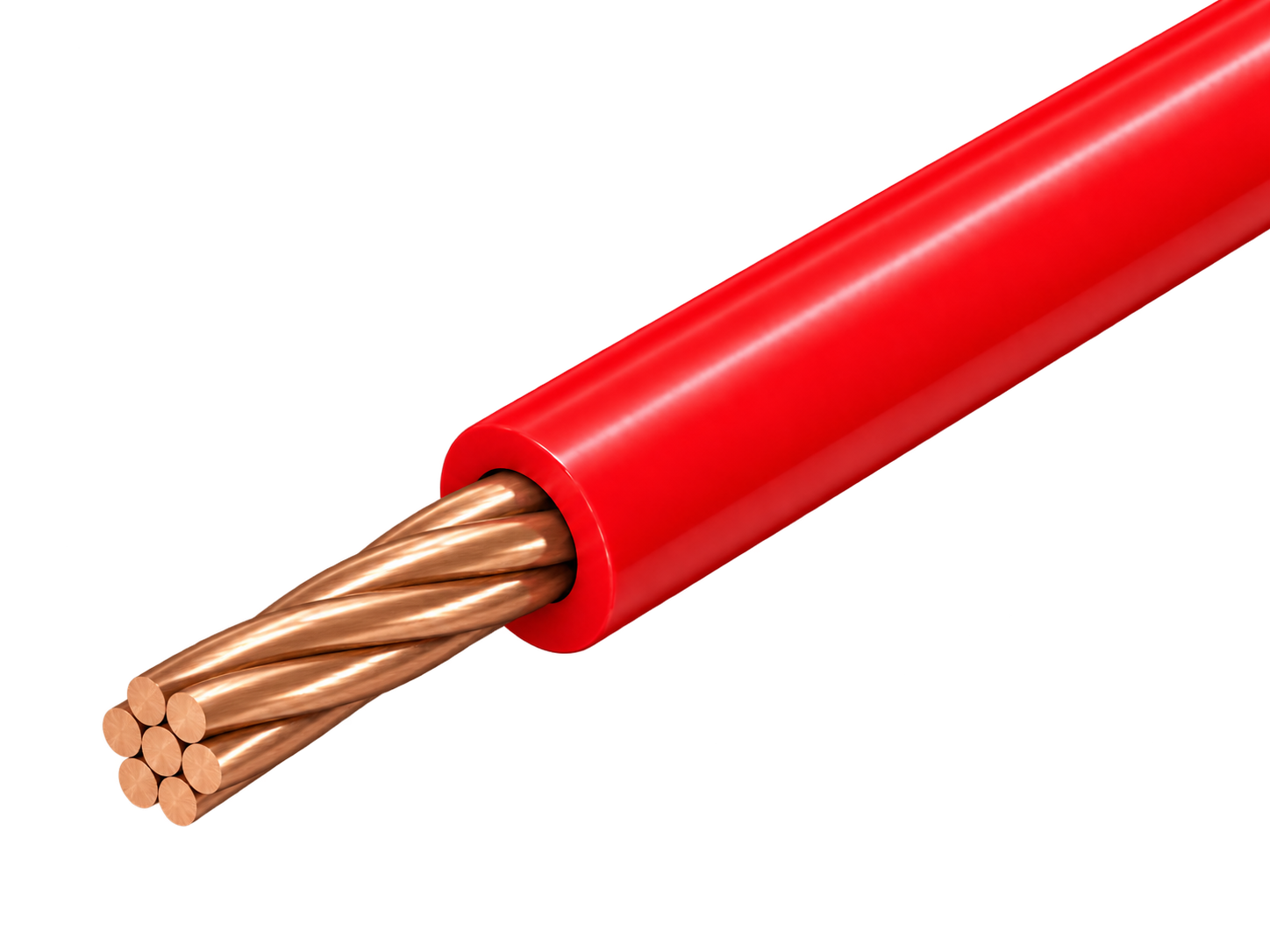
Class 2 stranded 300/500 V PVC wire for fixed equipment and panel routes needing moderate flexibility.
Solid 300/500 V PVC wire for simple, stable fixed connections inside protected equipment and conduit.
Class 2 stranded 450/750 V PVC wire for protected fixed routes requiring easier pulling and forming.
300/500 V PVC-sheathed cable for fixed surface and flush-mounted installations in Finnish building wiring.
Flexible 300/500 V PVC wire for compact equipment, switchgear and control-panel connections.
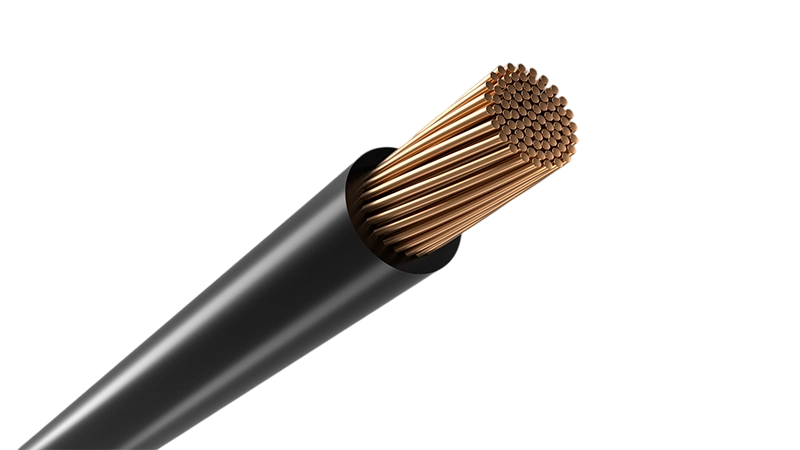
Flexible 450/750 V PVC wire for protected conduit, panel and grounding connections.
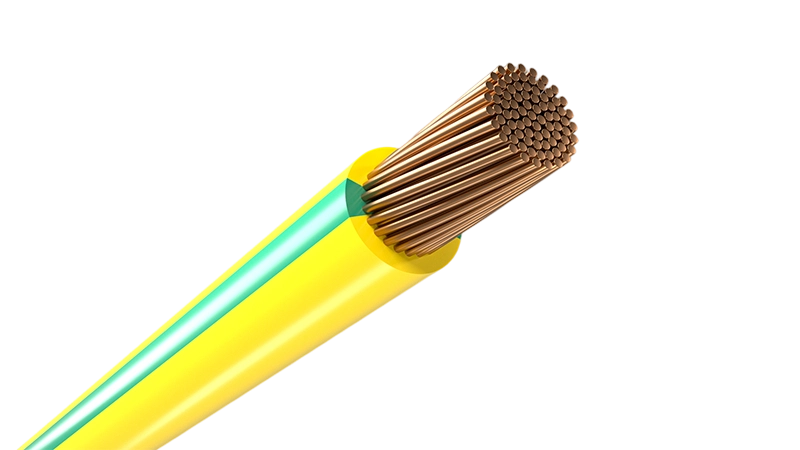
Flexible PVC insulated earthing cable for residential solar PV system grounding
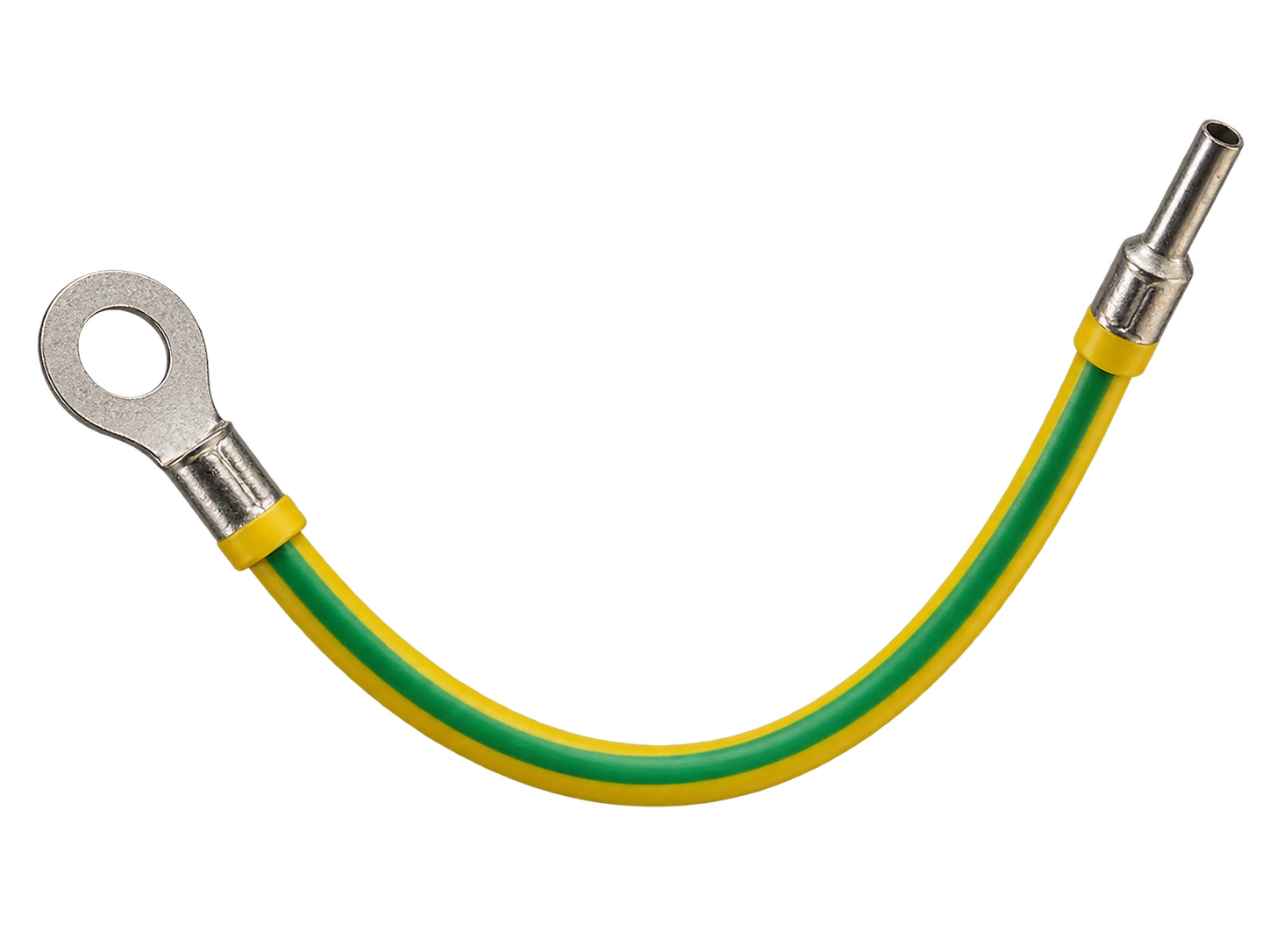
Green/yellow H07V-K grounding lead with factory-crimped ring / OT terminal for ready-to-install earthing and bonding connections.
Bare 25 mm² Class 2 stranded copper conductor for earthing, grounding and equipotential bonding.
Flexible 450/750 V PVC wire for protected conduit, panel and grounding connections.
H1Z2Z2-K 1.5 kV DC solar cable with a nylon barrier beneath the outer sheath for PV routes that need a non-metallic physical defence against rodent damage.
H1Z2Z2-K 1.5 kV DC solar cable with external steel-wire armour for fixed PV routes exposed to severe rodent activity or mechanical damage.
H1Z2Z2-K 1.5 kV DC solar cable with a capsaicin-based rodent-deterrent sheath for PV routes where chemical protection is preferred over added armour.
Factory-terminated PV extension cable for controlled module, string and combiner-box connections.
Joined twin PV cable for orderly positive and negative string routing beneath solar modules.
Single-core PV cable for reliable DC wiring across rooftop and ground-mounted solar arrays.
Flexible PVC insulated earthing cable for residential solar PV system grounding
Green/yellow H07V-K grounding lead with factory-crimped ring / OT terminal for ready-to-install earthing and bonding connections.
Bare 25 mm² Class 2 stranded copper conductor for earthing, grounding and equipotential bonding.
Flexible 450/750 V PVC wire for protected conduit, panel and grounding connections.
Flexible Eca-s1a,d1,a1 grounding cable for commercial and industrial installations
Flexible PVC insulated earthing cable for residential solar PV system grounding
Solid 450/750 V PVC wire for stable fixed circuits in protected conduit and building installations.
Class 2 stranded 300/500 V PVC wire for fixed equipment and panel routes needing moderate flexibility.
Solid 300/500 V PVC wire for simple, stable fixed connections inside protected equipment and conduit.
Class 2 stranded 450/750 V PVC wire for protected fixed routes requiring easier pulling and forming.
300/500 V PVC-sheathed cable for fixed surface and flush-mounted installations in Finnish building wiring.
Flexible 300/500 V PVC wire for compact equipment, switchgear and control-panel connections.
Flexible 450/750 V PVC wire for protected conduit, panel and grounding connections.
High-performance medium-voltage cable for demanding industrial and commercial networks
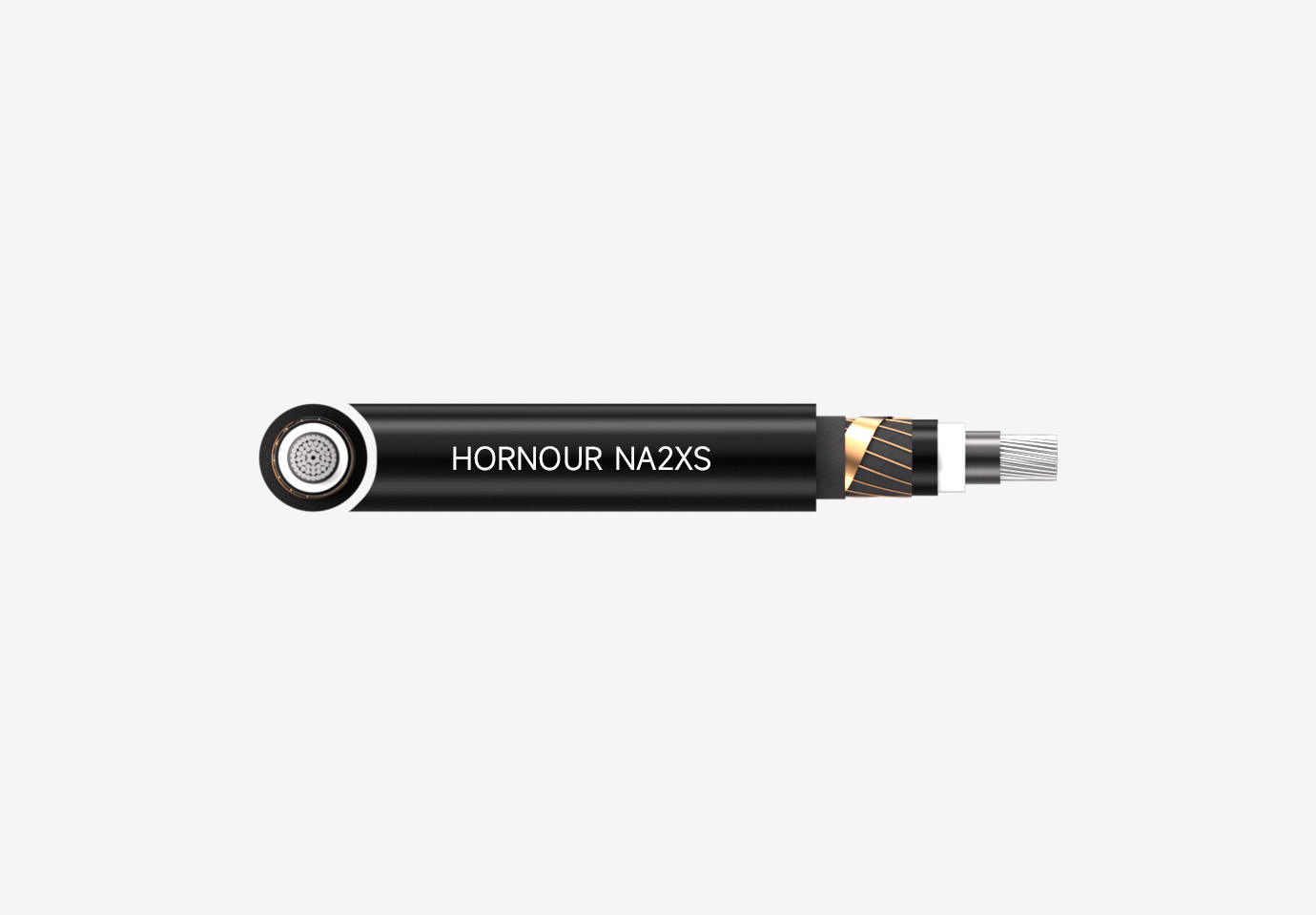
High-performance medium-voltage cable for demanding industrial and commercial networks
High-performance medium-voltage cable for demanding industrial and commercial networks
Reliable medium-voltage cable for commercial and industrial energy networks
Durable medium-voltage cable for industrial and commercial power distribution
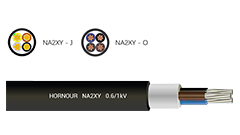
XLPE Insulated Aluminum Conductor 0.6/1 kV Power Cable
XLPE Insulated and PVC Sheathed 0.6/1 kV Power Cable for Commercial & Industrial Distribution
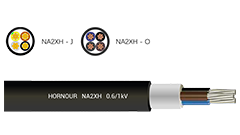
XLPE Insulated and PVC Sheathed Heavy-Duty Power Cable for Commercial & Industrial Applications
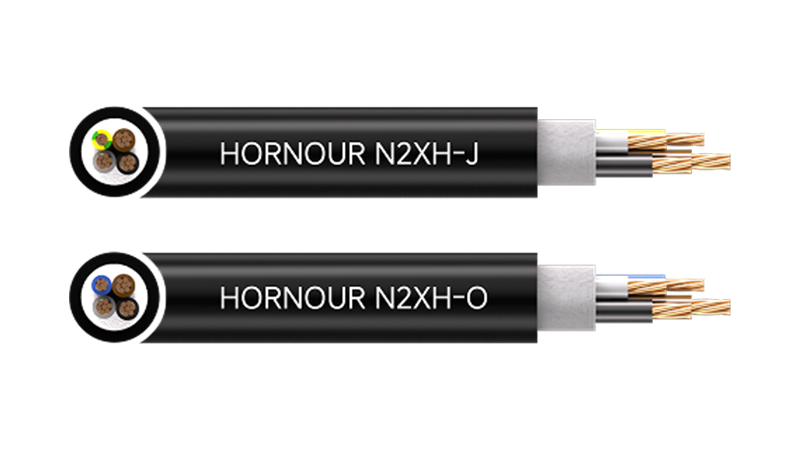
Halogen-Free XLPE Insulated 0.6/1 kV Power Cable
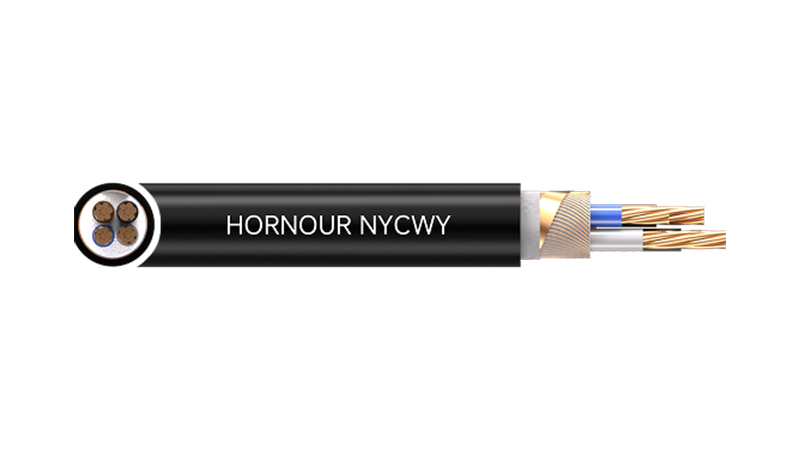
Copper Conductor Wire Armored Cable for Industrial & Commercial Installations
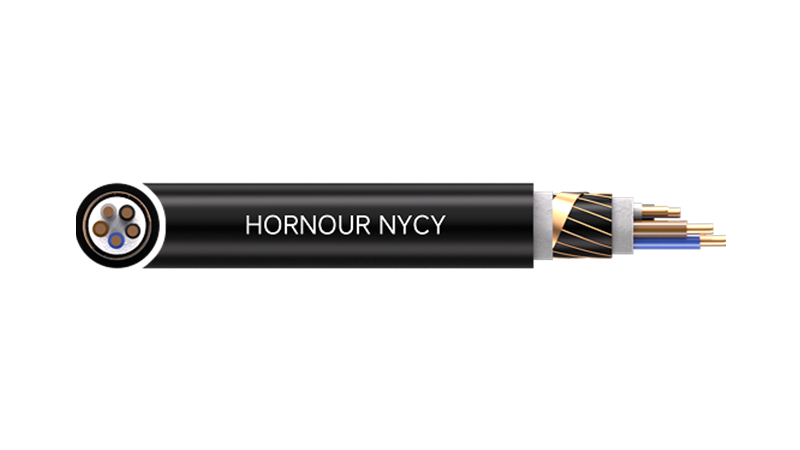
Copper Conductor Concentric Cable for Industrial & Commercial Installations
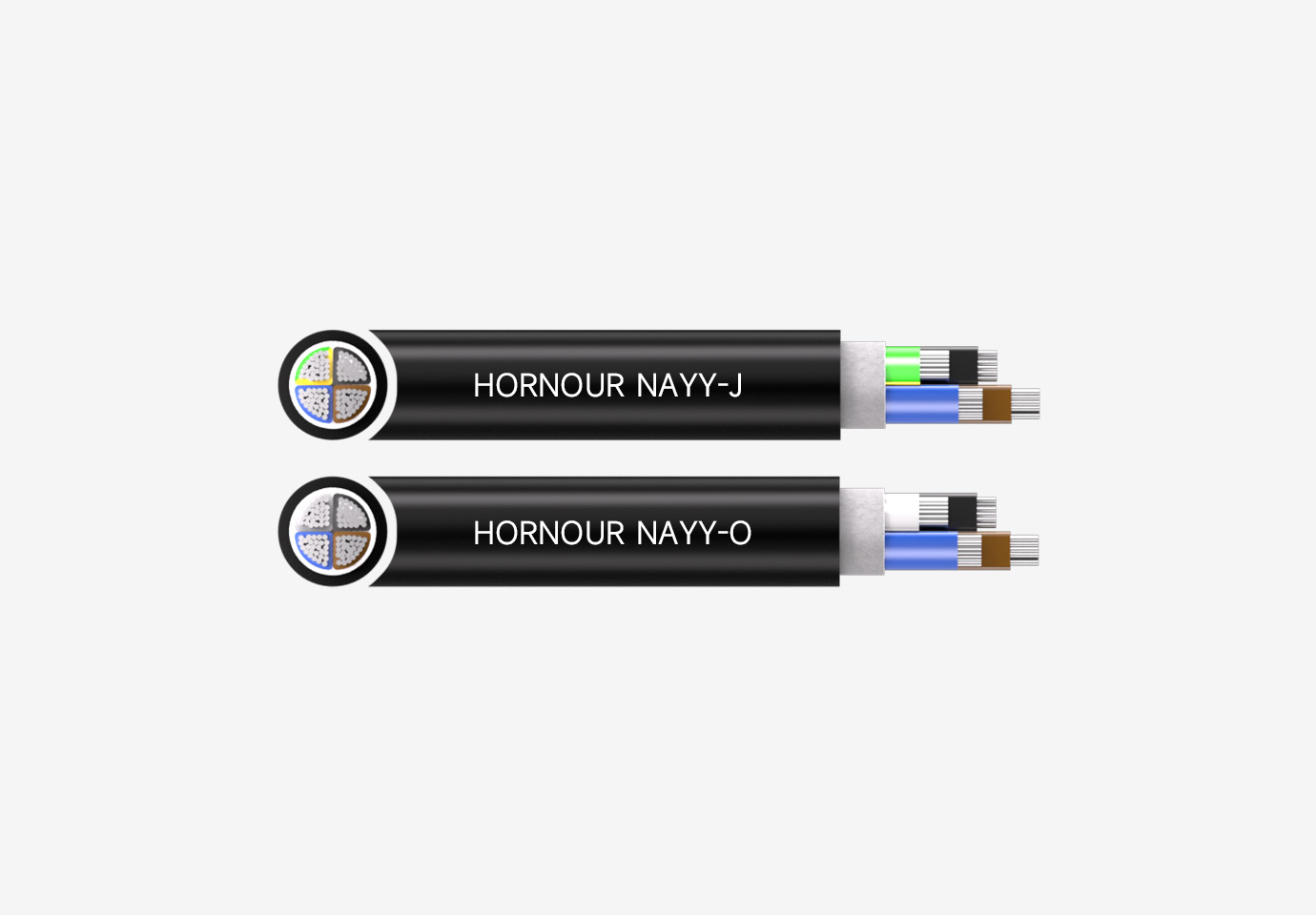
Aluminum Conductor PVC Insulated 0.6/1 kV Power Cable

hot search


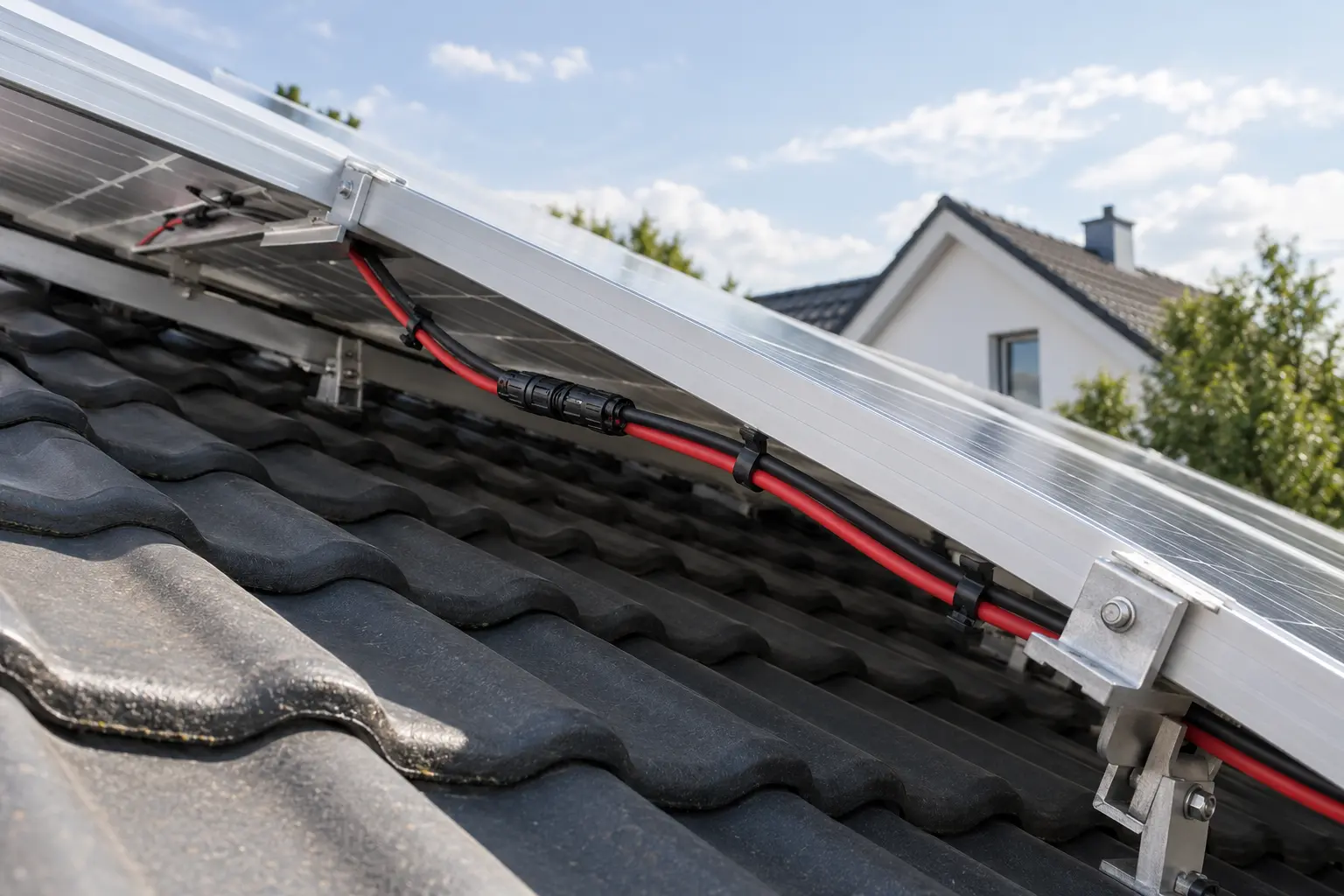
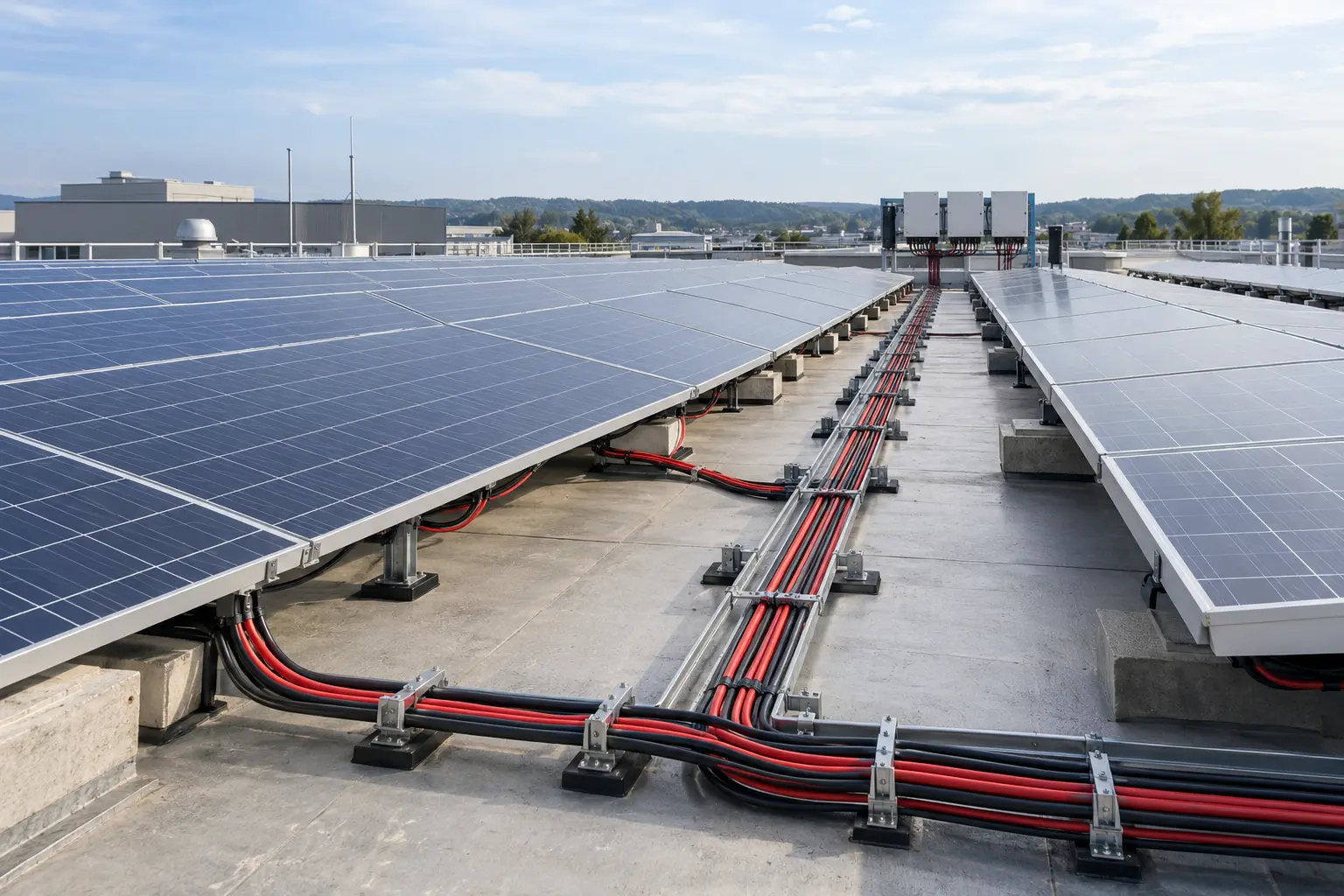
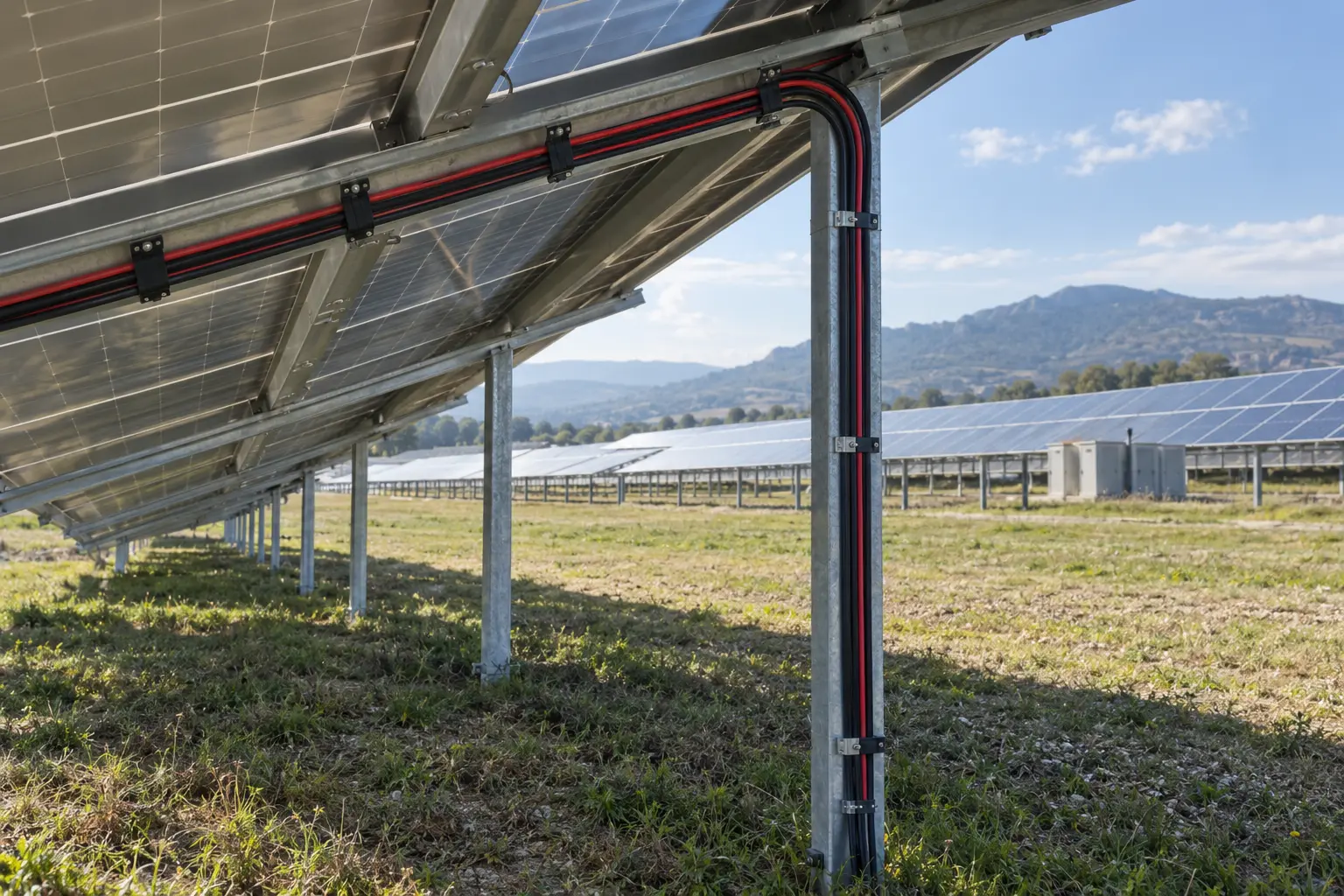
Paired H1Z2Z2-K conductors keep both DC polarities aligned through repetitive module rows and protected rooftop routes.



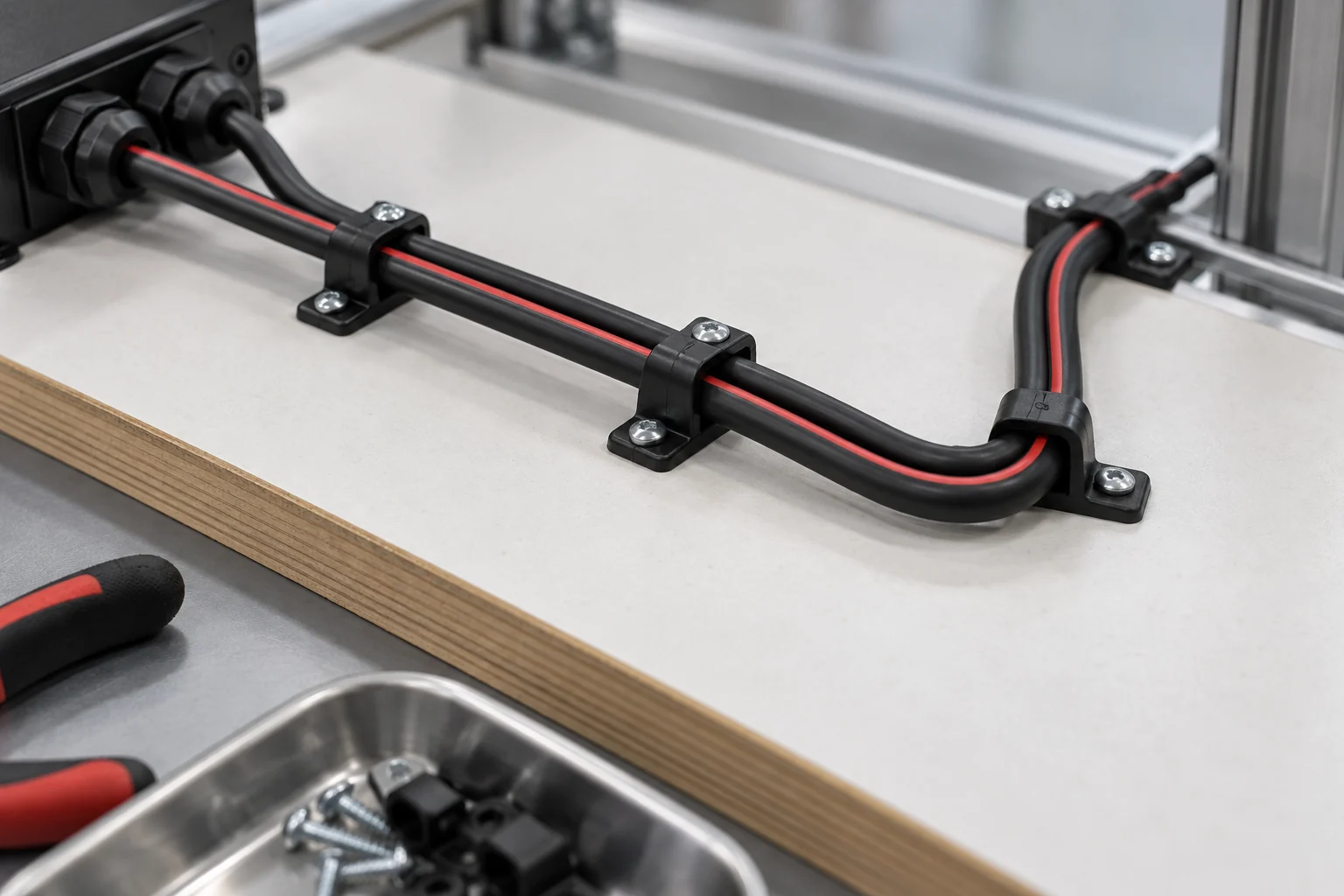
Two independent PV singles can separate at turns, cross between rows or require extra clips to keep the route orderly. H1Z2Z2-K Twin keeps both single-core legs joined through the common run, so positive and negative conductors remain physically associated from row to row. This simplifies cable management beneath modules and makes the DC route easier to follow during commissioning, inspection and maintenance.
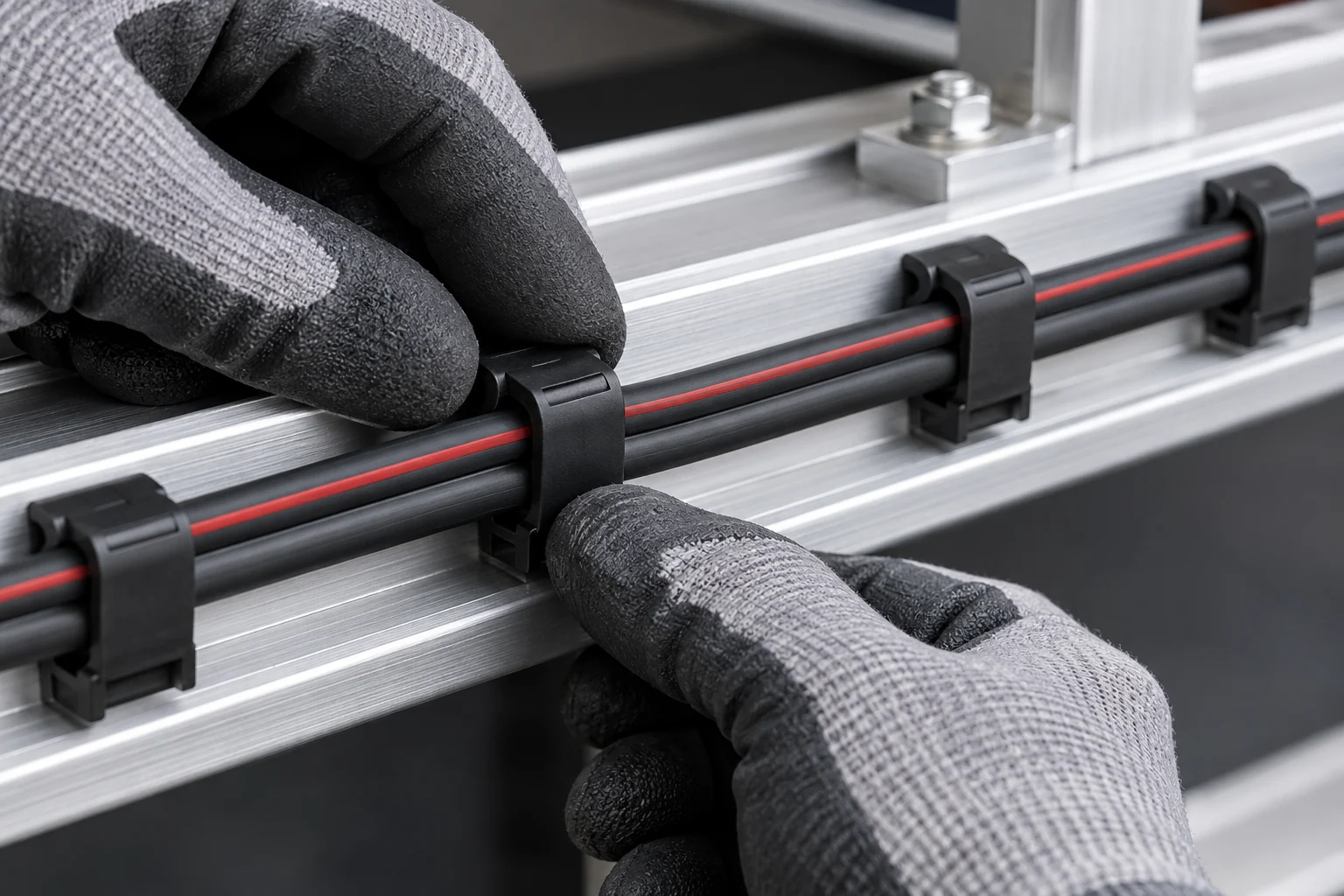
Large rooftop arrays repeat the same cable path hundreds of times. A twin profile gives installers one paired route to clip, support and dress instead of managing two loose singles independently. The benefit is most visible on repetitive module rows and tray transitions, where consistent routing reduces installation variation and keeps the array underside cleaner and easier to inspect.
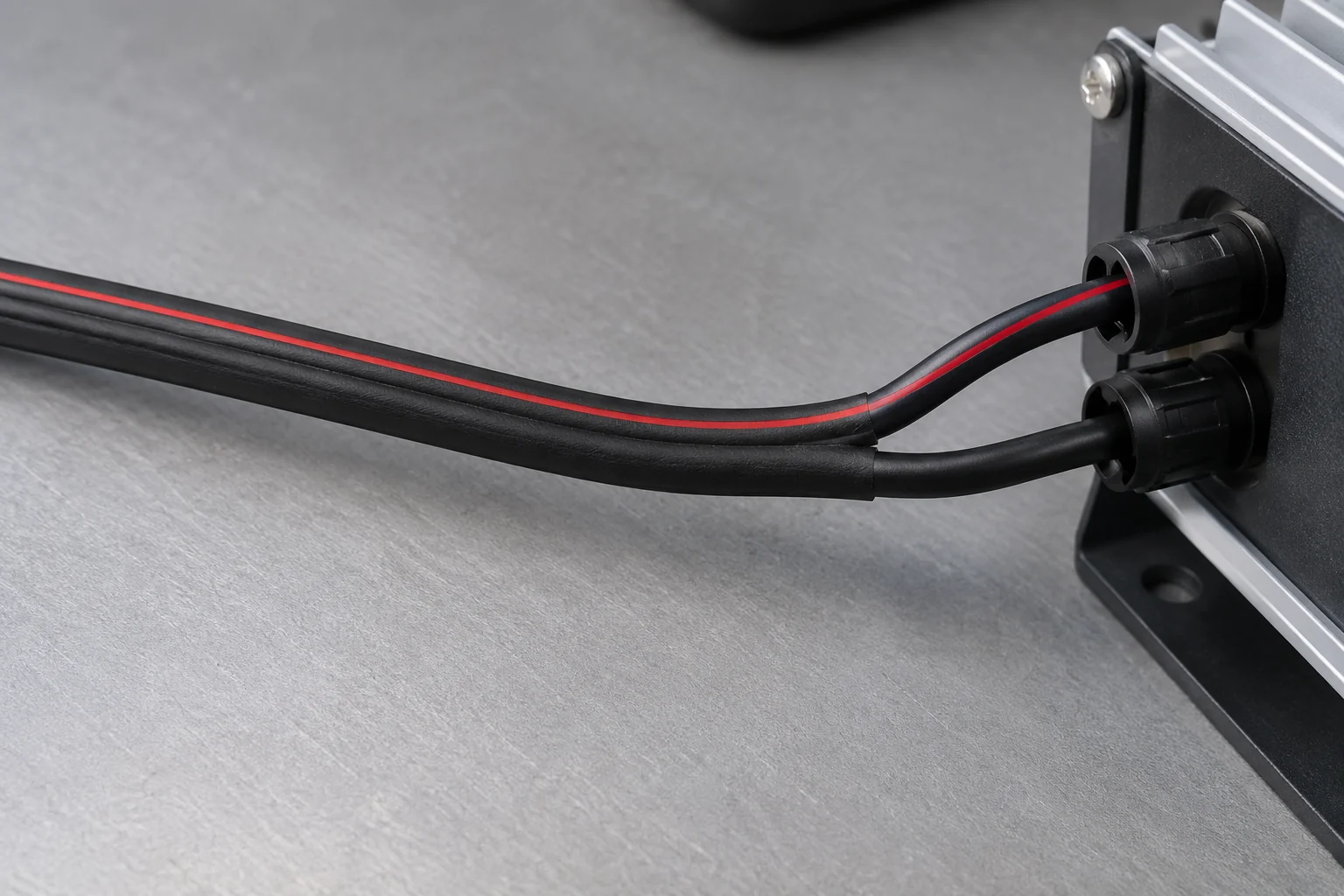
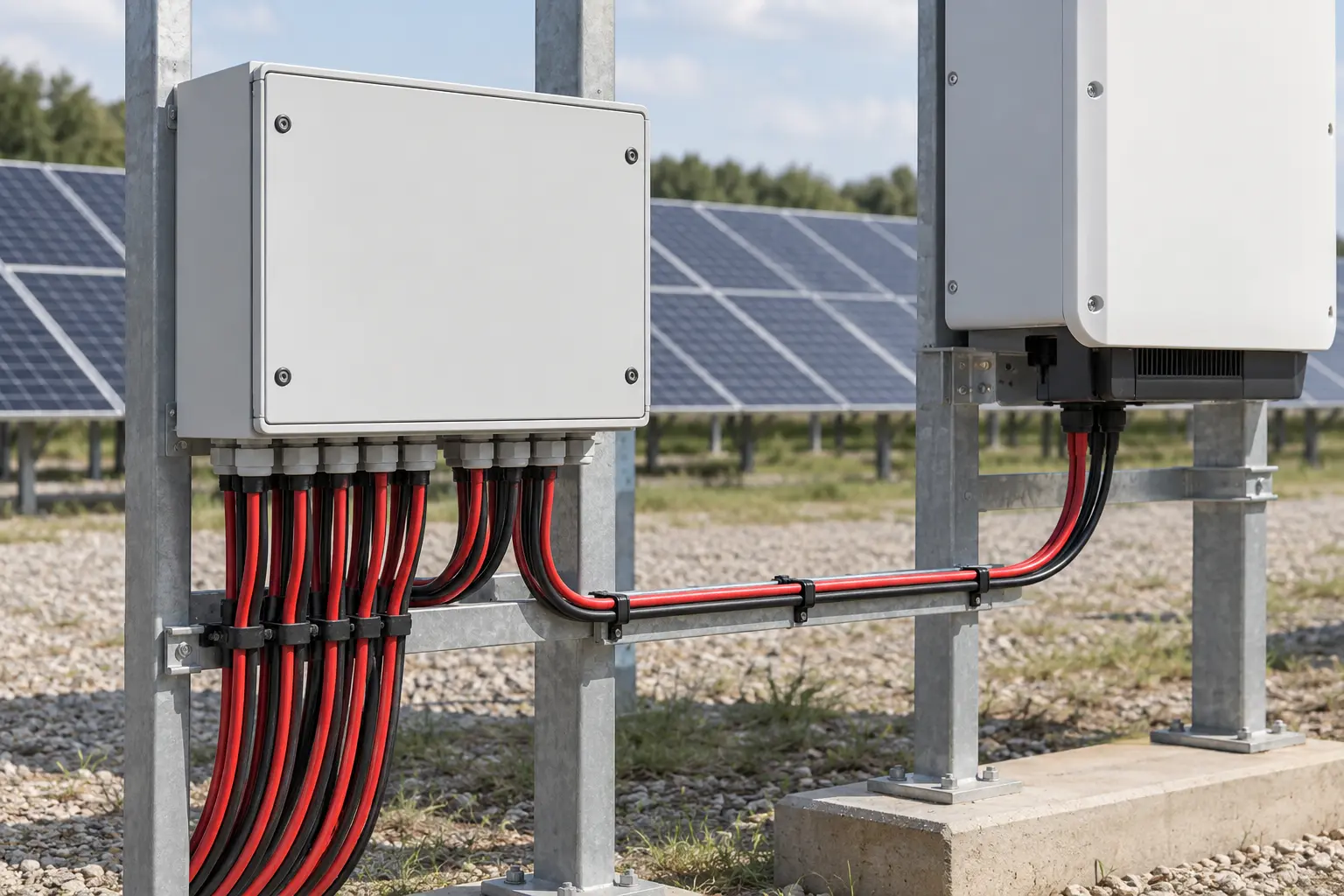
The joined construction can be separated at the cable end so each H1Z2Z2-K leg reaches its own connector or terminal while the rest of the route remains paired. This gives installers the handling advantage of a twin cable without changing the underlying single-core PV connection method. It is particularly useful where the route should stay compact but the final positive and negative connection points are physically spaced apart.
Designed for Residential module strings, Commercial rooftop arrays, Cable-tray PV routes and Factory-prepared DC assemblies.
| Configuration | Conductor OD mm | Insulation mm | Sheath mm | Single-leg OD mm | Finished twin dimension mm | Conductor resistance at 20°C Ω/km |
|---|---|---|---|---|---|---|
| 2 × 4 | 2.45 | 0.7 | 0.8 | 5.5 ± 0.15 | Final twin width by production drawing | 5.09 |
| 2 × 6 | 3.0 | 0.7 | 0.8 | 6.1 ± 0.15 | 6.1 ± 0.15 × 12.3 ± 0.3 | ≤ 3.39 |
| 2 × 10 | 4.1 | 0.7 | 0.8 | 7.2 ± 0.3 | Final twin width by production drawing | 1.95 |
The table shows the finished twin dimension for 2 × 6 mm². For 2 × 4 and 2 × 10 mm², the listed values describe the individual H1Z2Z2-K cable legs; finished twin width varies by construction.
Download TDS
Where a certificate, test report or DoP is part of the approval package, we match it to the quoted cable construction and the applicable scope. A document for one version is not treated as approval for another simply because the model name is similar.
Eca is supported by the applicable test report. Dca and Cca are supported by the corresponding CPR certificate and Declaration of Performance. The CPR class, construction and size being supplied must fall within the scope of the supporting documents.
Not automatically. Twin constructions, connectorised extensions and modified constructions such as nylon barrier or steel-wire armour have to be checked against the scope of the applicable documents. For a PV extension lead, CPR evidence for the base cable does not by itself classify the complete connectorised assembly.