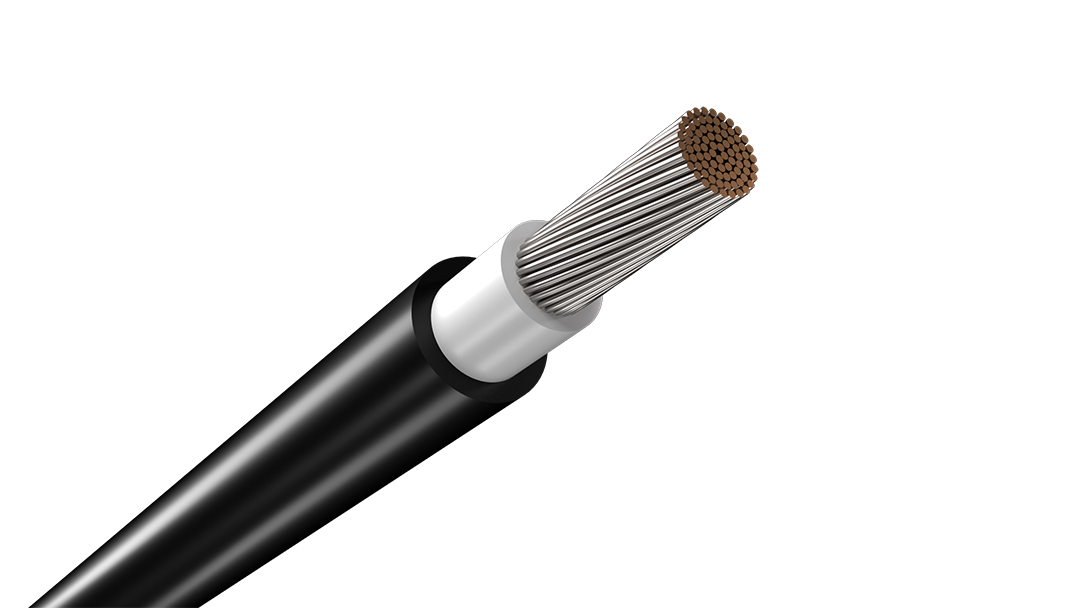
H1Z2Z2-K Nylon-Barrier Rodent-Resistant Solar Cable
H1Z2Z2-K 1.5 kV DC solar cable with a nylon barrier beneath the outer sheath for PV routes that need a non-metallic physical defence against rodent damage.


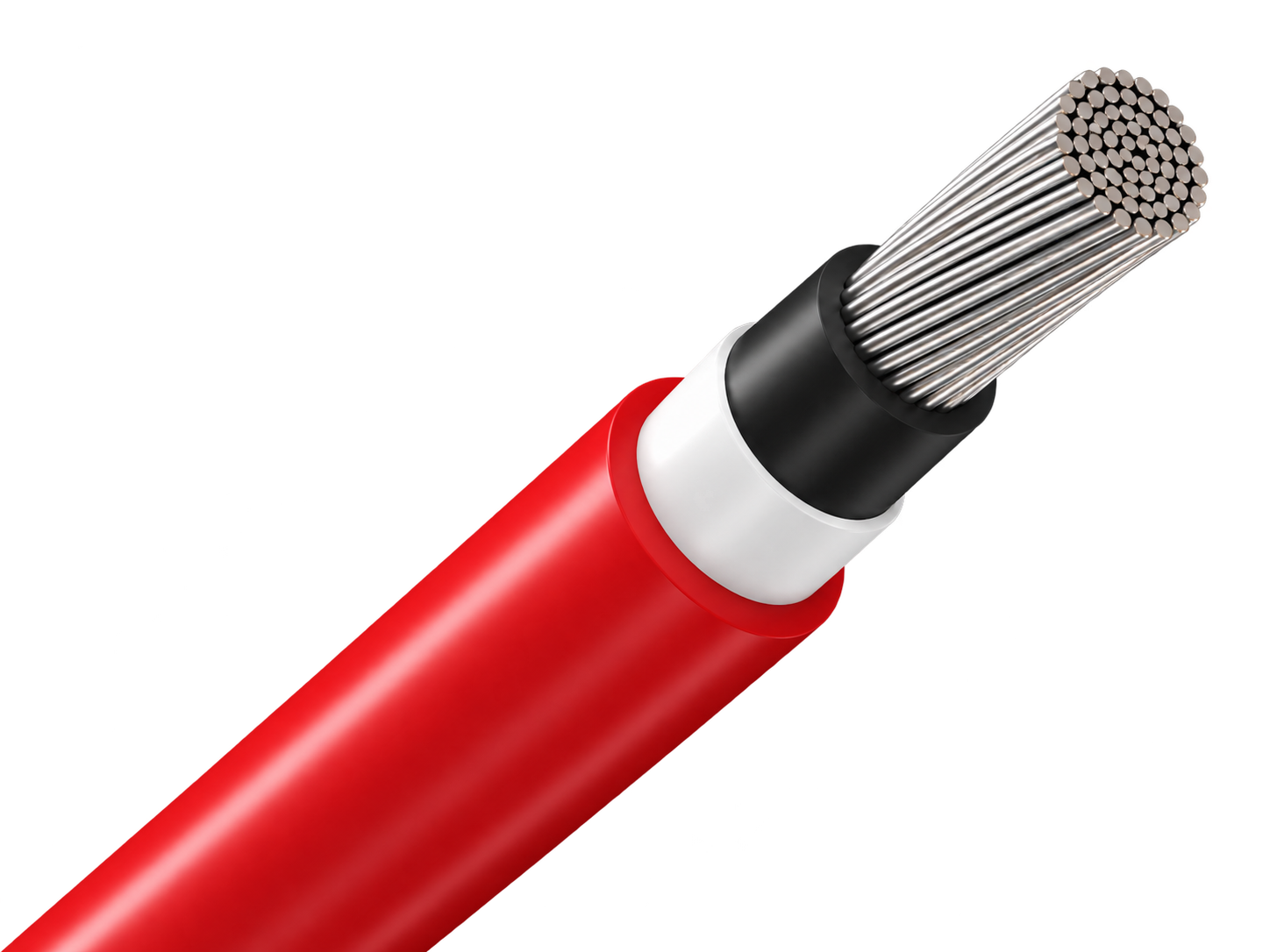
H1Z2Z2-K 1.5 kV DC solar cable with a nylon barrier beneath the outer sheath for PV routes that need a non-metallic physical defence against rodent damage.
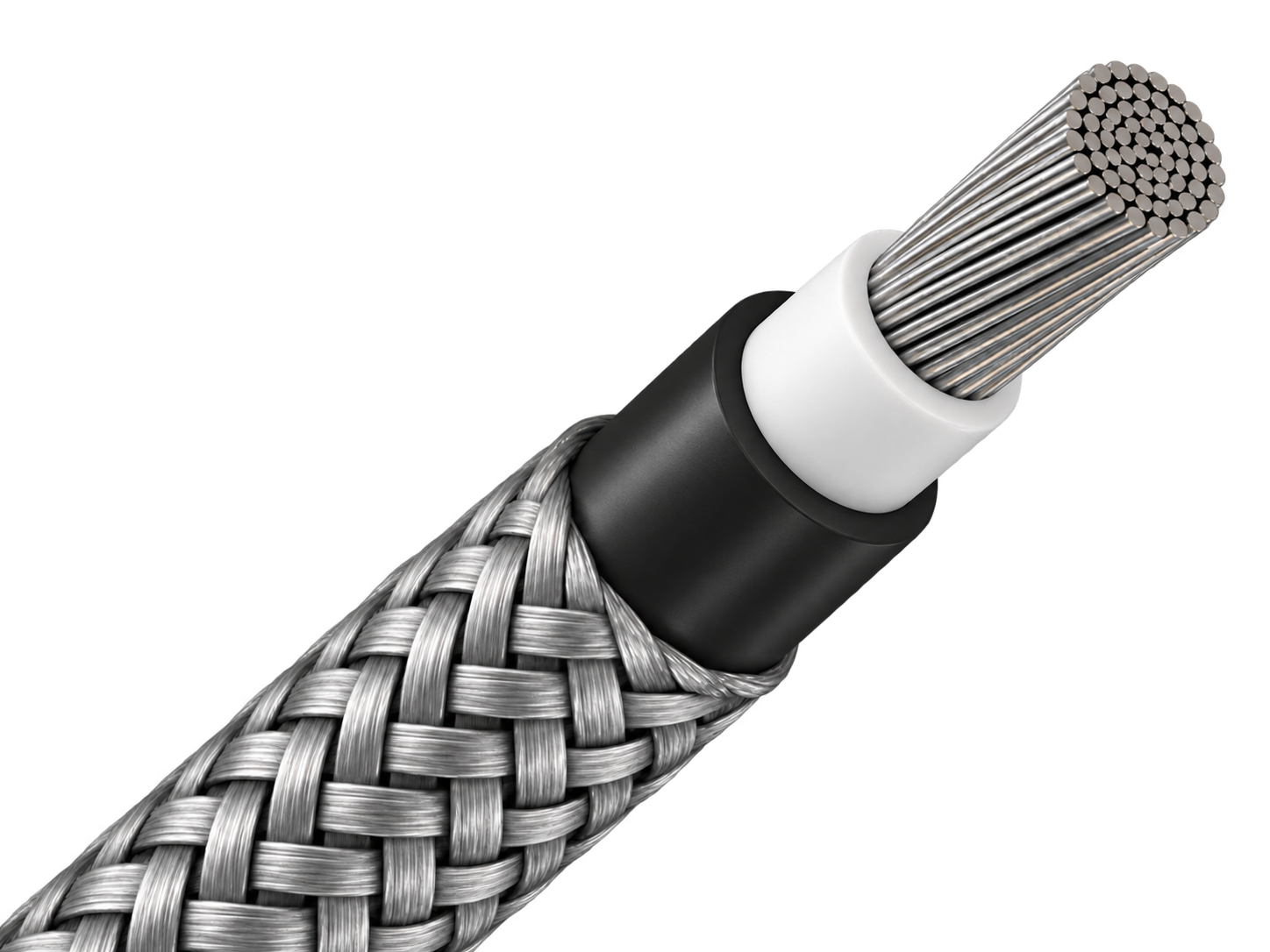
H1Z2Z2-K 1.5 kV DC solar cable with external steel-wire armour for fixed PV routes exposed to severe rodent activity or mechanical damage.
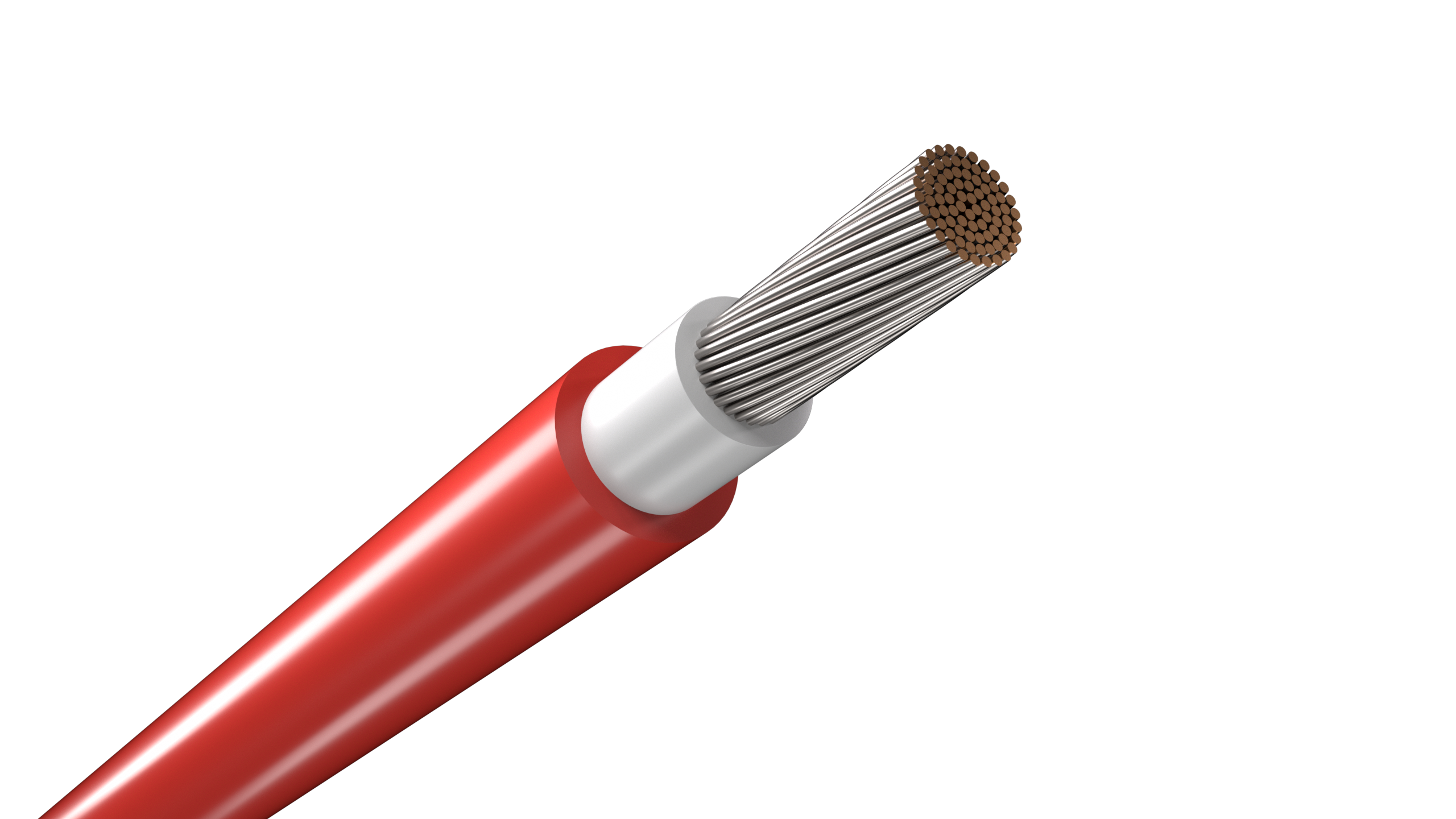
H1Z2Z2-K 1.5 kV DC solar cable with a capsaicin-based rodent-deterrent sheath for PV routes where chemical protection is preferred over added armour.
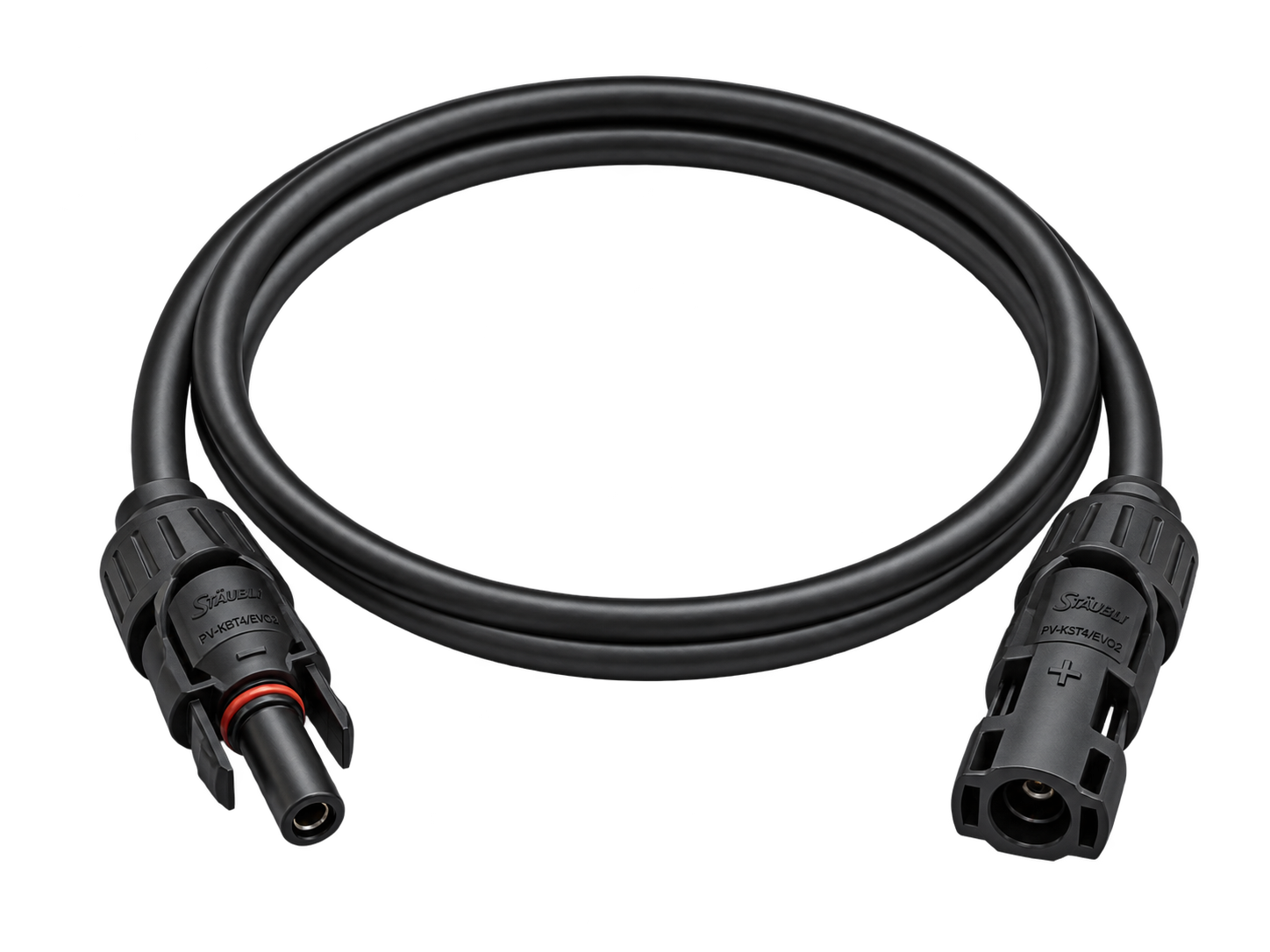
Factory-terminated PV extension cable for controlled module, string and combiner-box connections.
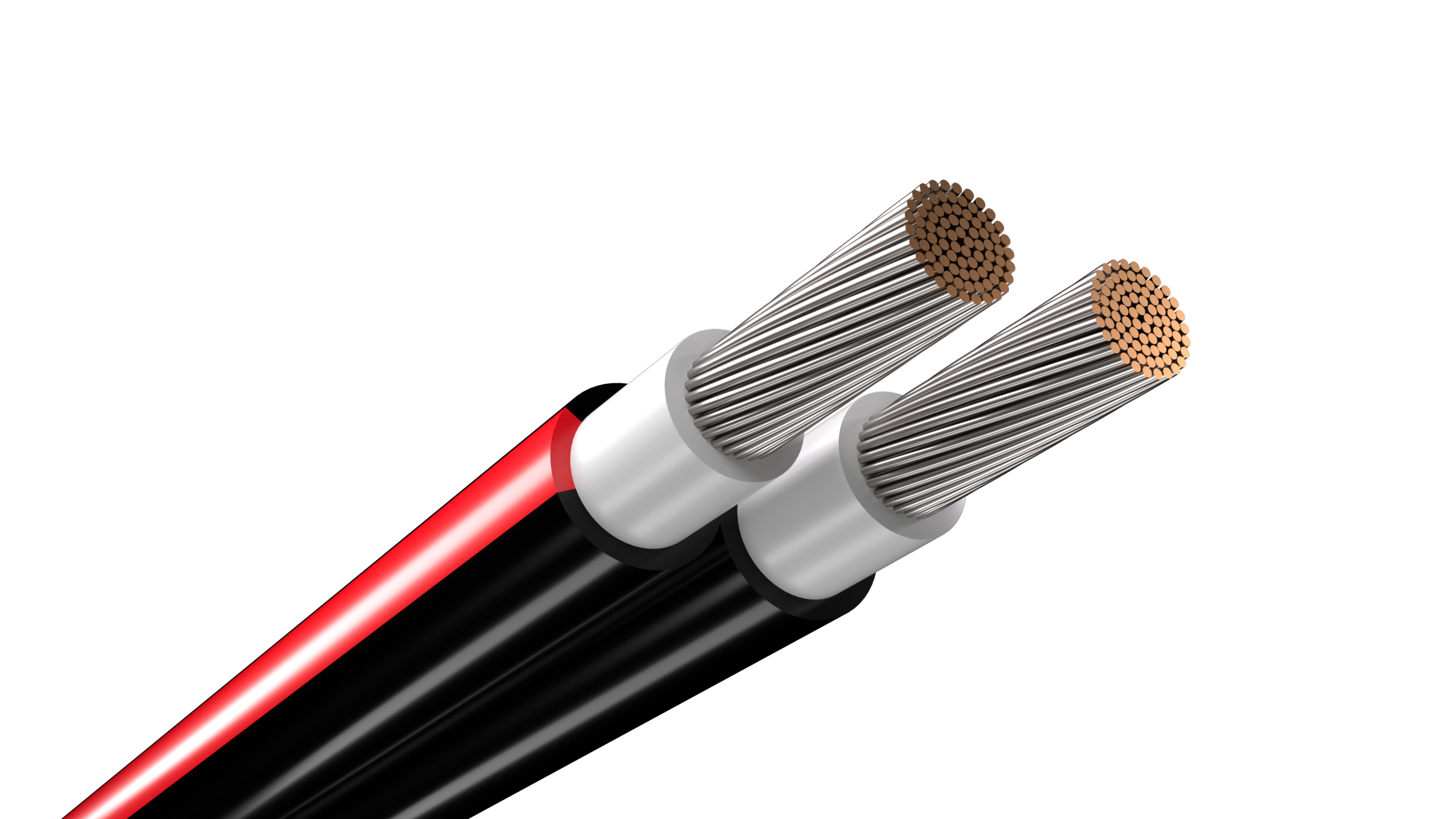
Joined twin PV cable for orderly positive and negative string routing beneath solar modules.
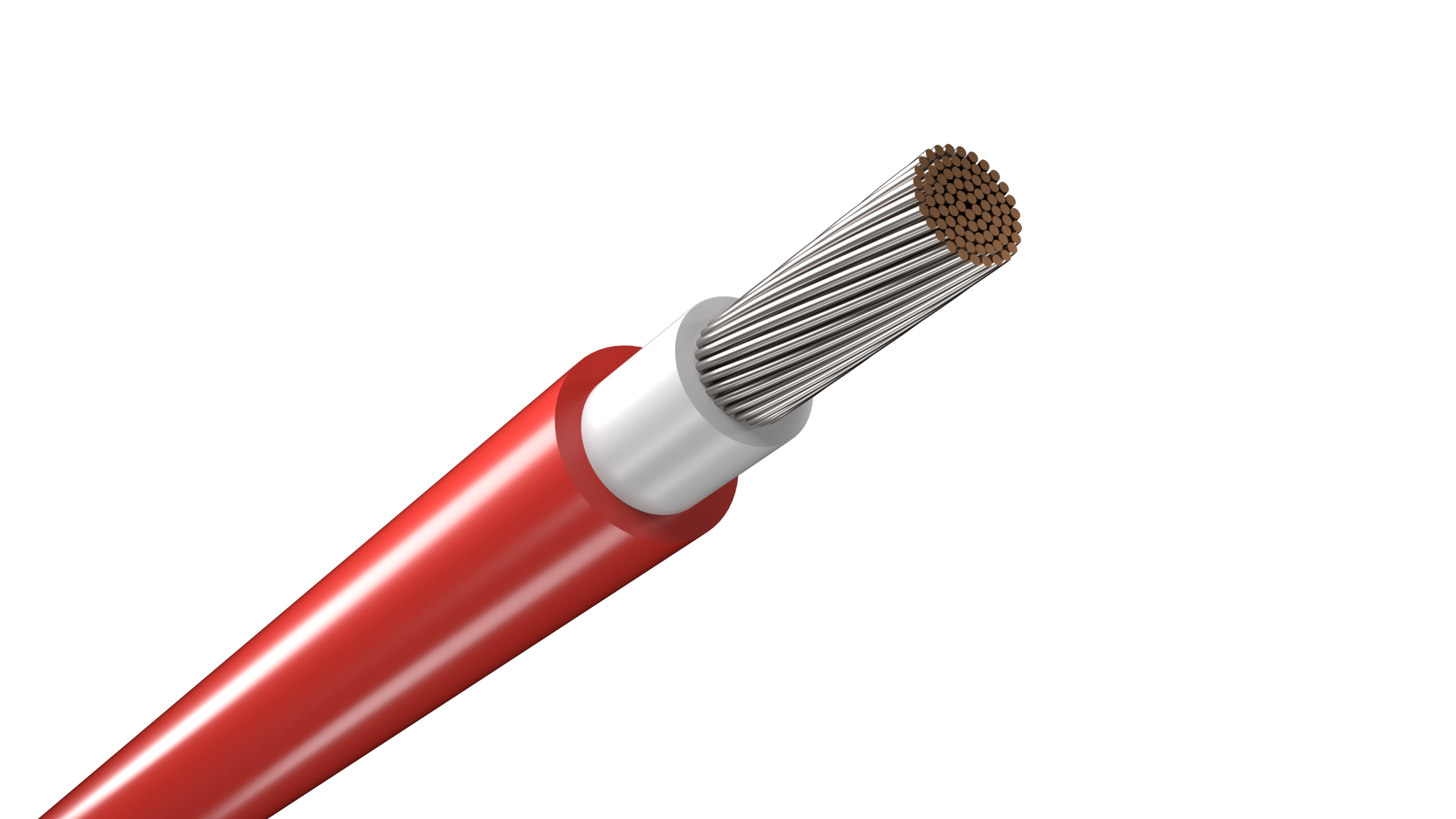
Single-core PV cable for reliable DC wiring across rooftop and ground-mounted solar arrays.
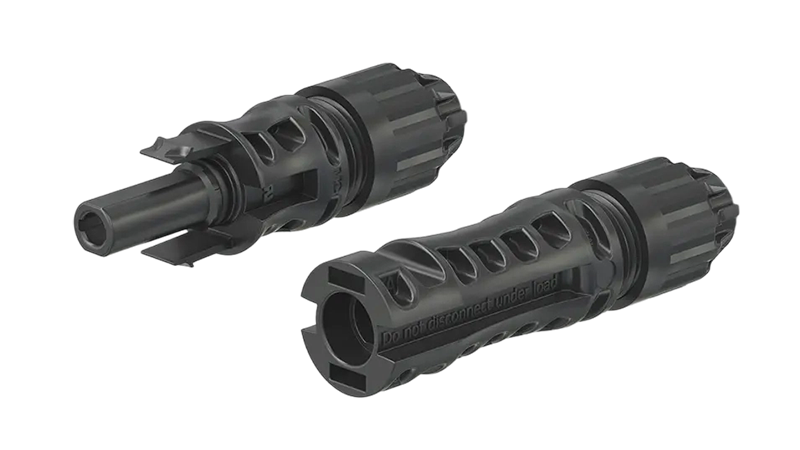
Durable DC connector for residential solar panels – UV-resistant and waterproof.
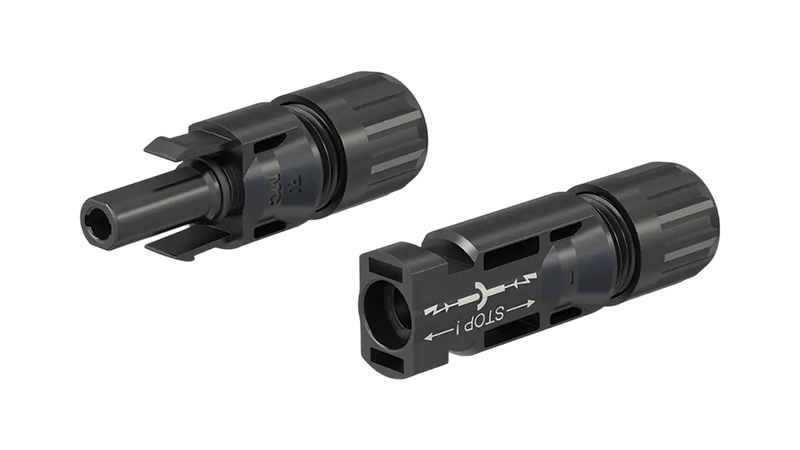
Reliable DC connection for residential photovoltaic systems, UV-resistant, waterproof, and long-lasting.
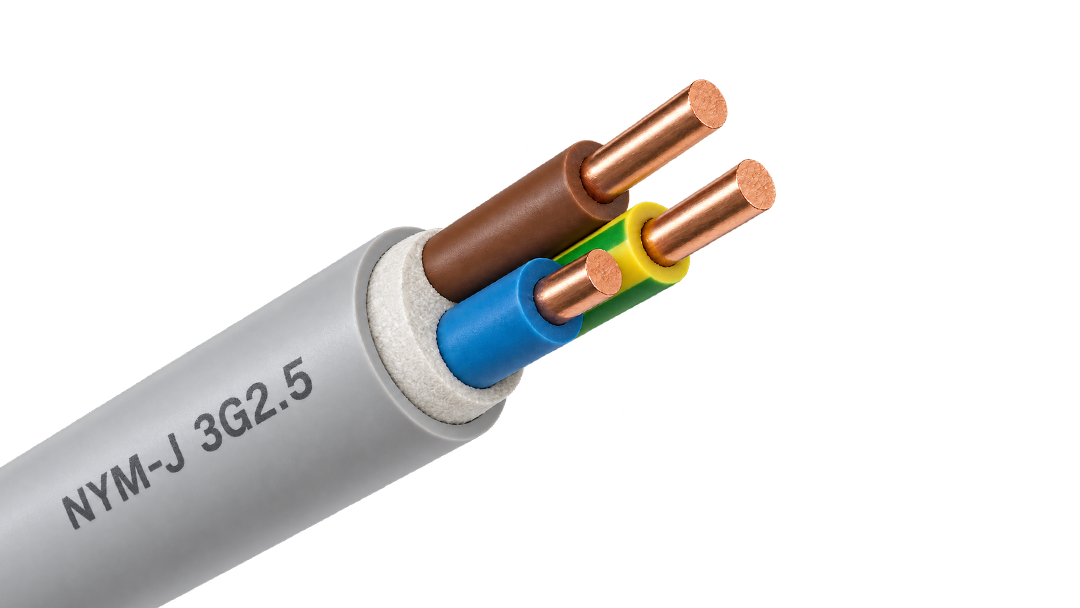
PVC-sheathed 300/500 V cable for fixed power and lighting circuits inside buildings and panels.
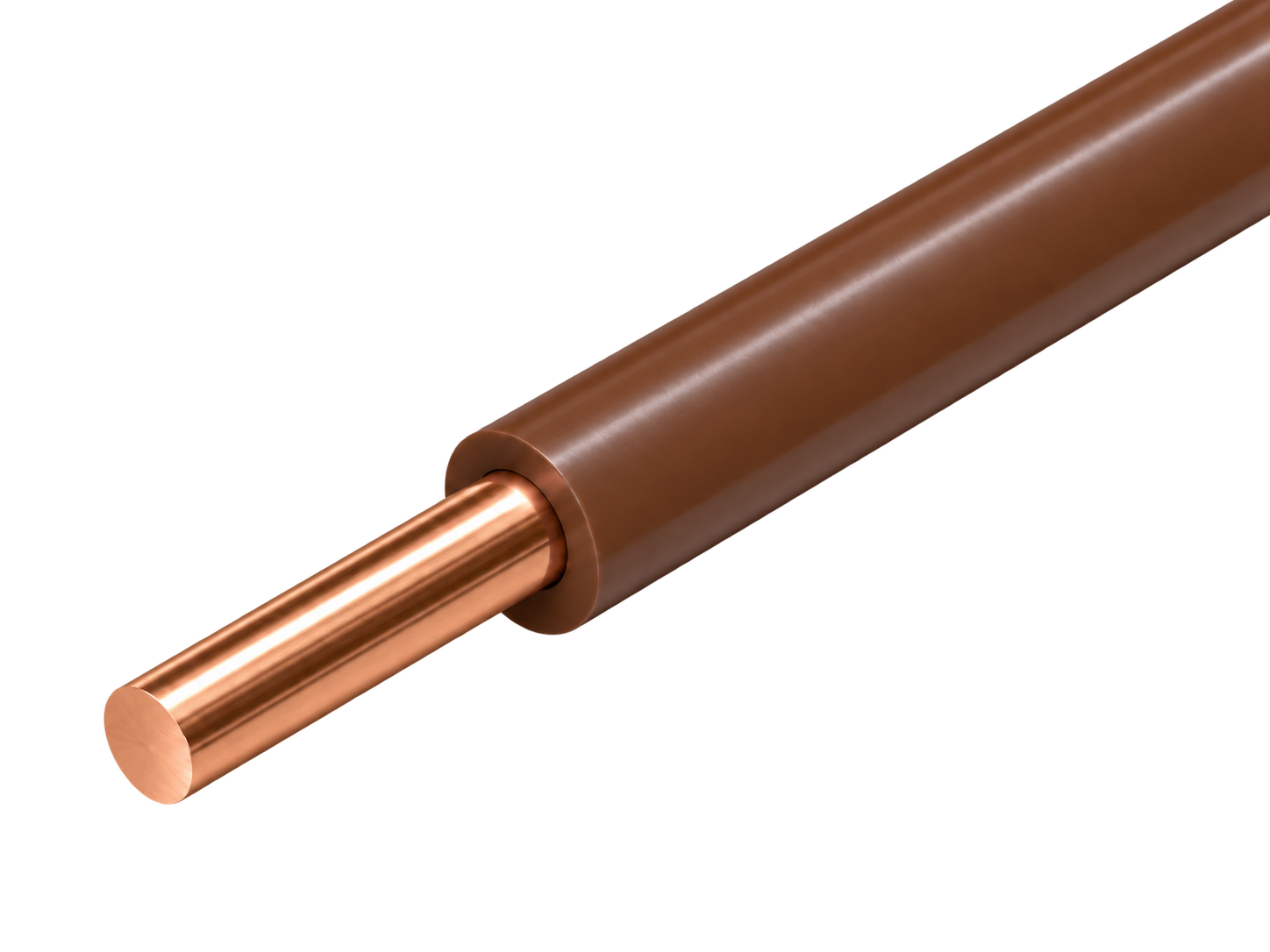
Solid 450/750 V PVC wire for stable fixed circuits in protected conduit and building installations.
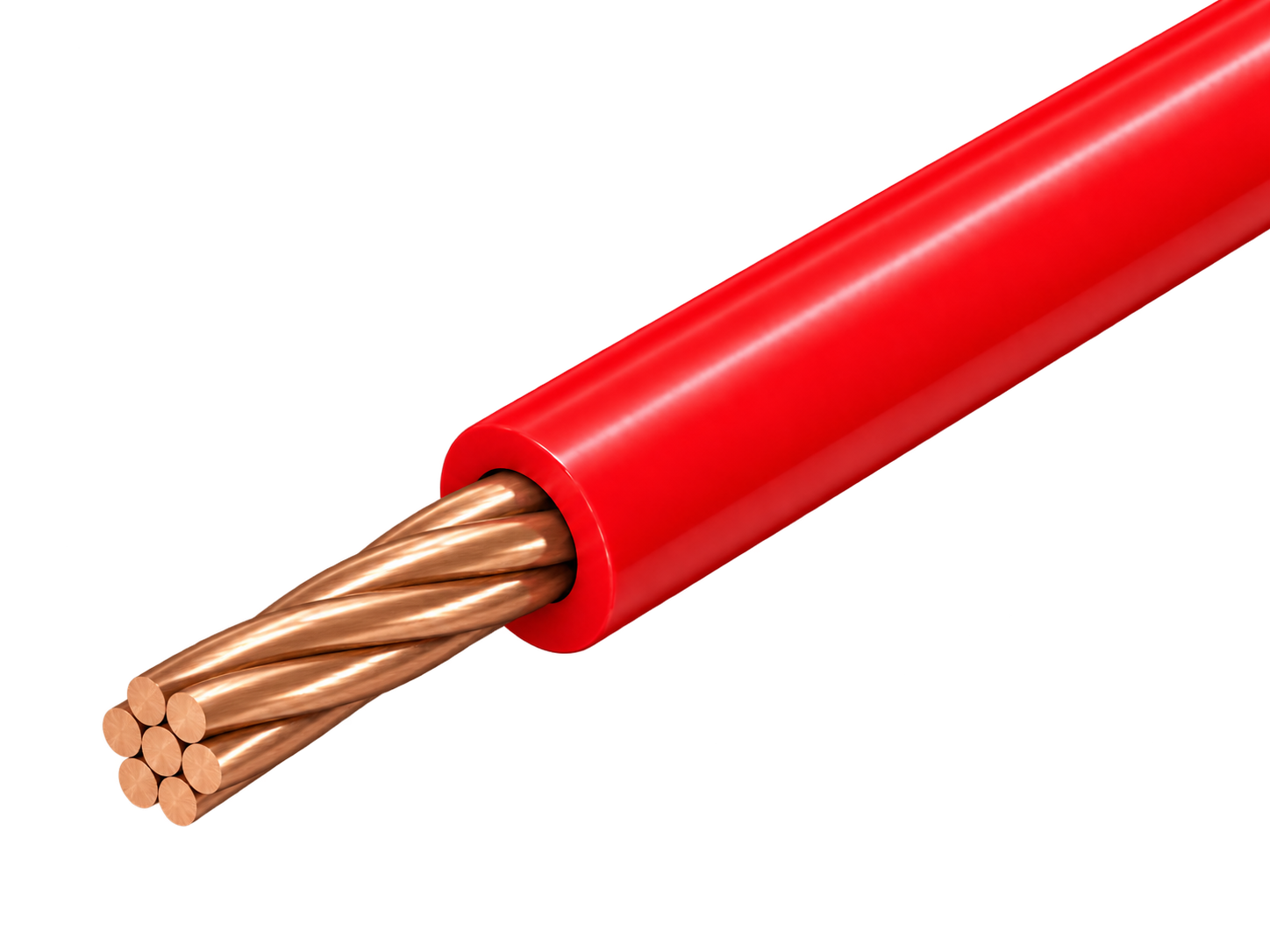
Class 2 stranded 300/500 V PVC wire for fixed equipment and panel routes needing moderate flexibility.
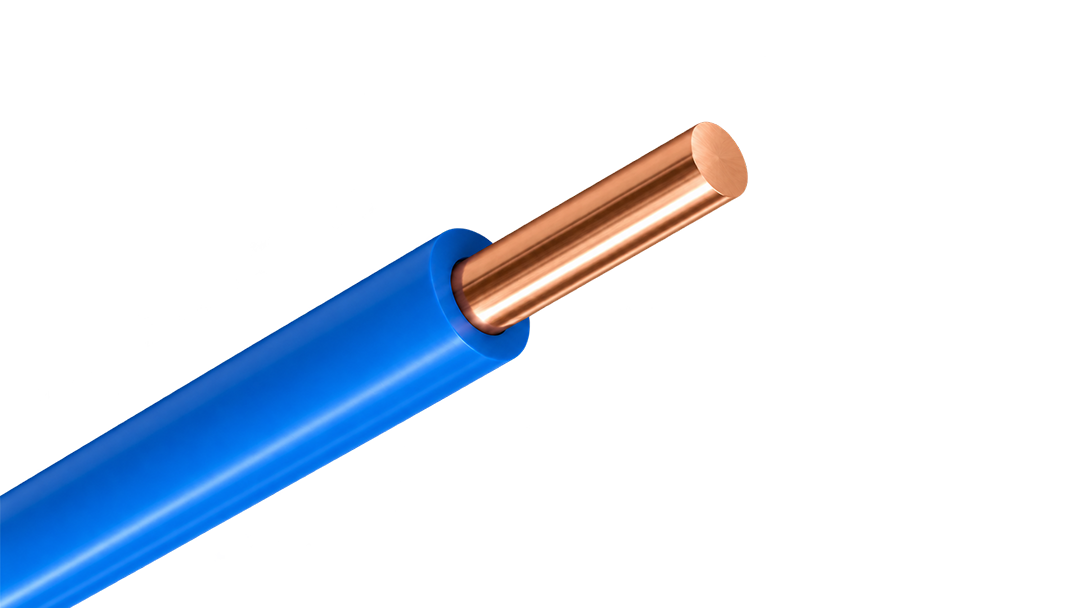
Solid 300/500 V PVC wire for simple, stable fixed connections inside protected equipment and conduit.
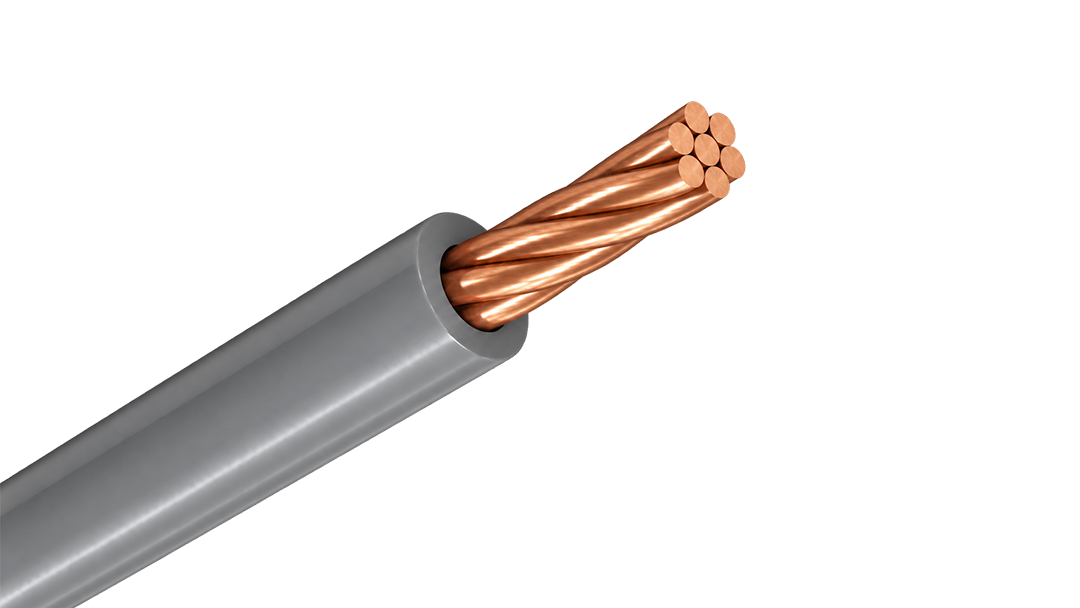
Class 2 stranded 450/750 V PVC wire for protected fixed routes requiring easier pulling and forming.
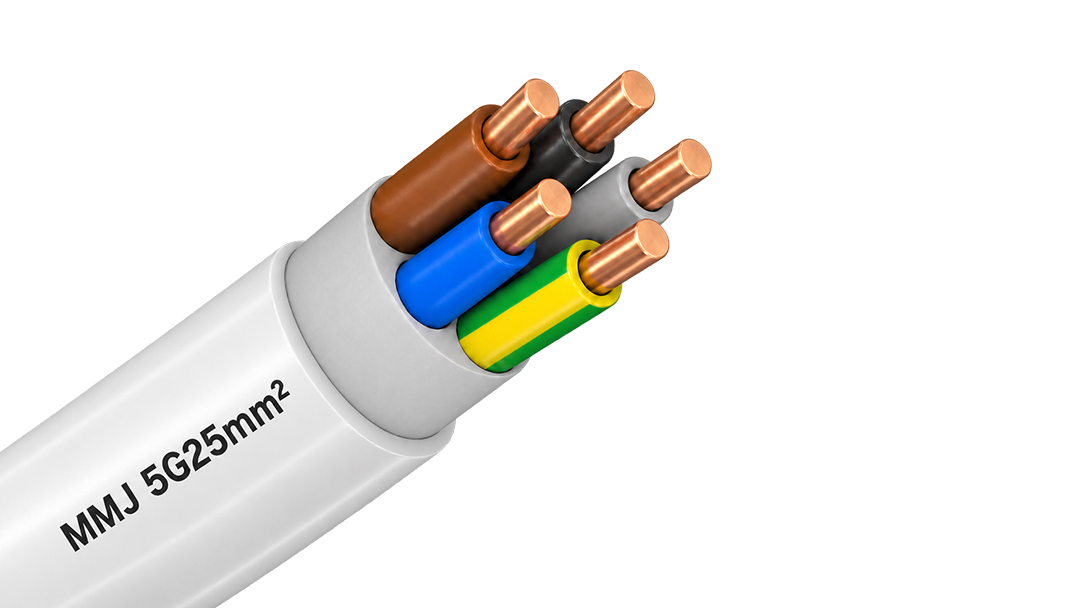
300/500 V PVC-sheathed cable for fixed surface and flush-mounted installations in Finnish building wiring.
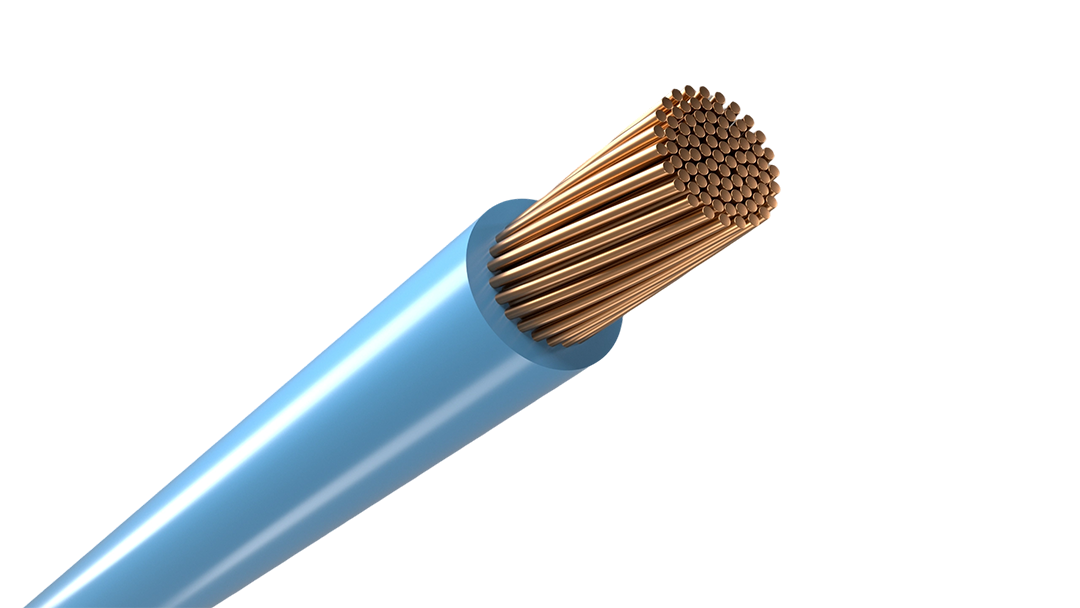
Flexible 300/500 V PVC wire for compact equipment, switchgear and control-panel connections.
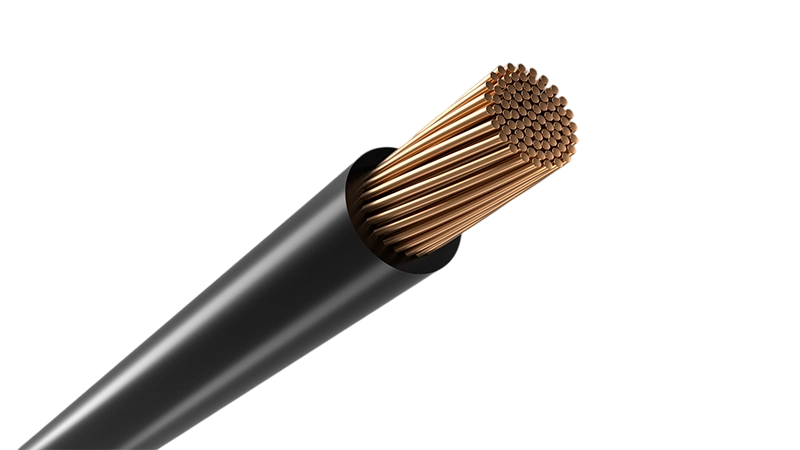
Flexible 450/750 V PVC wire for protected conduit, panel and grounding connections.
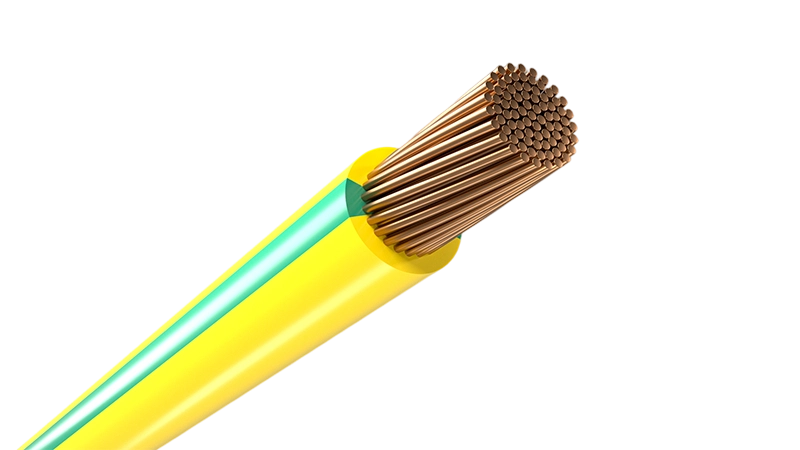
Flexible PVC insulated earthing cable for residential solar PV system grounding
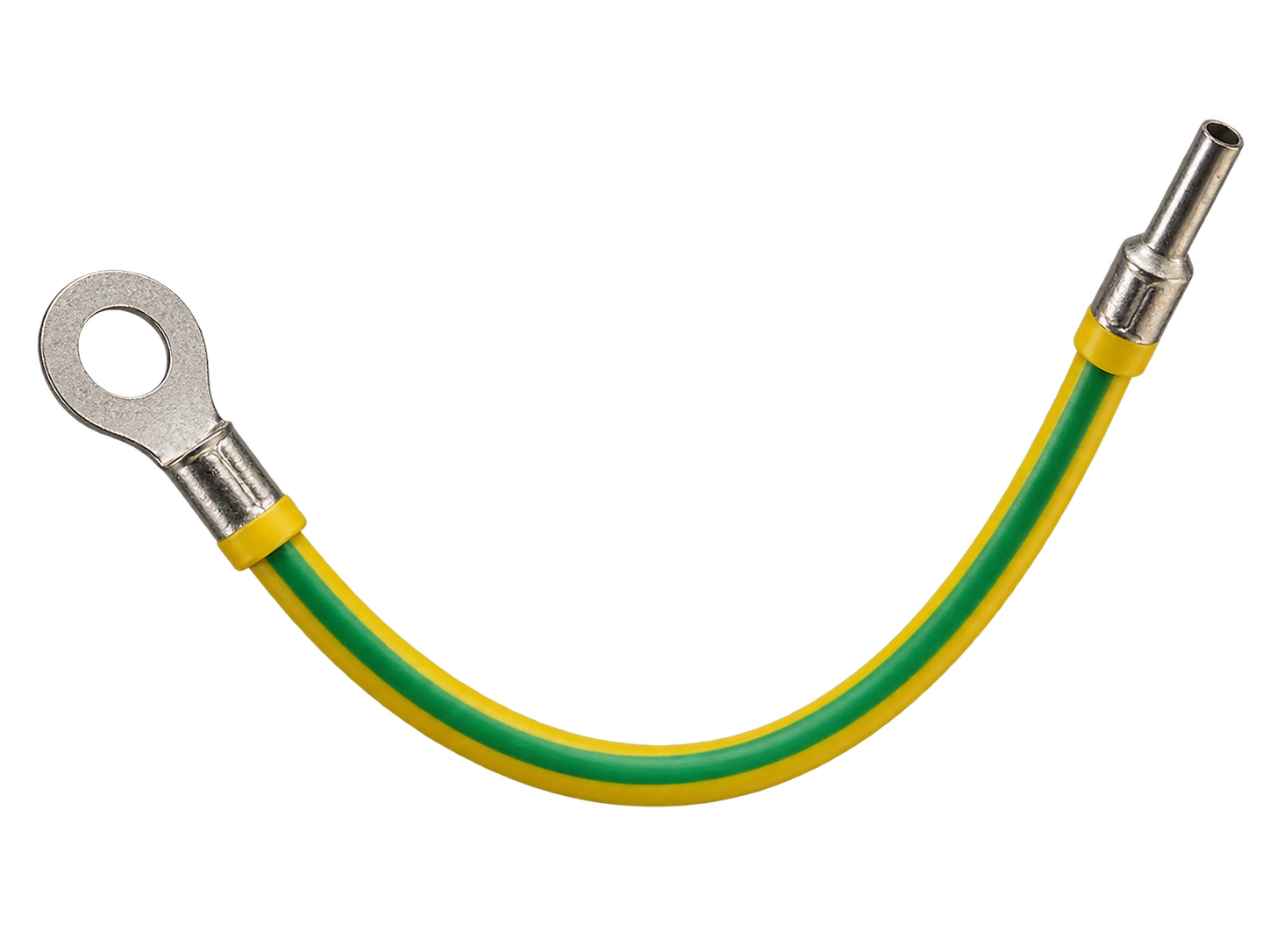
Green/yellow H07V-K grounding lead with factory-crimped ring / OT terminal for ready-to-install earthing and bonding connections.
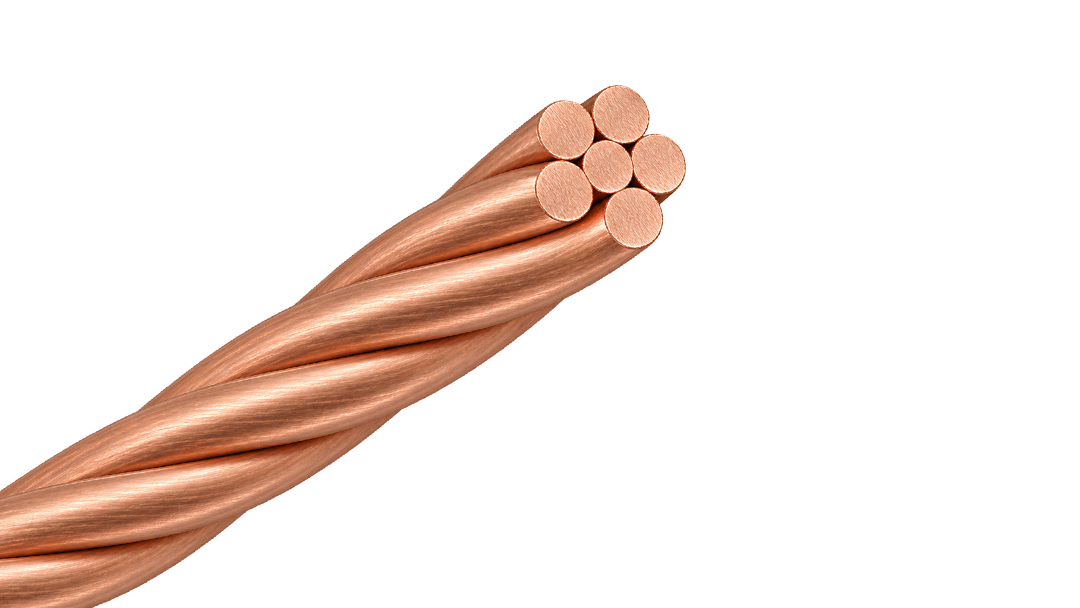
Bare 25 mm² Class 2 stranded copper conductor for earthing, grounding and equipotential bonding.
Flexible 450/750 V PVC wire for protected conduit, panel and grounding connections.
H1Z2Z2-K 1.5 kV DC solar cable with a nylon barrier beneath the outer sheath for PV routes that need a non-metallic physical defence against rodent damage.
H1Z2Z2-K 1.5 kV DC solar cable with external steel-wire armour for fixed PV routes exposed to severe rodent activity or mechanical damage.
H1Z2Z2-K 1.5 kV DC solar cable with a capsaicin-based rodent-deterrent sheath for PV routes where chemical protection is preferred over added armour.
Factory-terminated PV extension cable for controlled module, string and combiner-box connections.
Joined twin PV cable for orderly positive and negative string routing beneath solar modules.
Single-core PV cable for reliable DC wiring across rooftop and ground-mounted solar arrays.
Flexible PVC insulated earthing cable for residential solar PV system grounding
Green/yellow H07V-K grounding lead with factory-crimped ring / OT terminal for ready-to-install earthing and bonding connections.
Bare 25 mm² Class 2 stranded copper conductor for earthing, grounding and equipotential bonding.
Flexible 450/750 V PVC wire for protected conduit, panel and grounding connections.
PVC-sheathed 300/500 V cable for fixed power and lighting circuits inside buildings and panels.
Solid 450/750 V PVC wire for stable fixed circuits in protected conduit and building installations.
Class 2 stranded 300/500 V PVC wire for fixed equipment and panel routes needing moderate flexibility.
Solid 300/500 V PVC wire for simple, stable fixed connections inside protected equipment and conduit.
Class 2 stranded 450/750 V PVC wire for protected fixed routes requiring easier pulling and forming.
300/500 V PVC-sheathed cable for fixed surface and flush-mounted installations in Finnish building wiring.
Flexible 300/500 V PVC wire for compact equipment, switchgear and control-panel connections.
Flexible 450/750 V PVC wire for protected conduit, panel and grounding connections.
2Y-1220-kV.png)
Aluminium XLPE medium-voltage cable with longitudinal water blocking for fixed distribution networks.
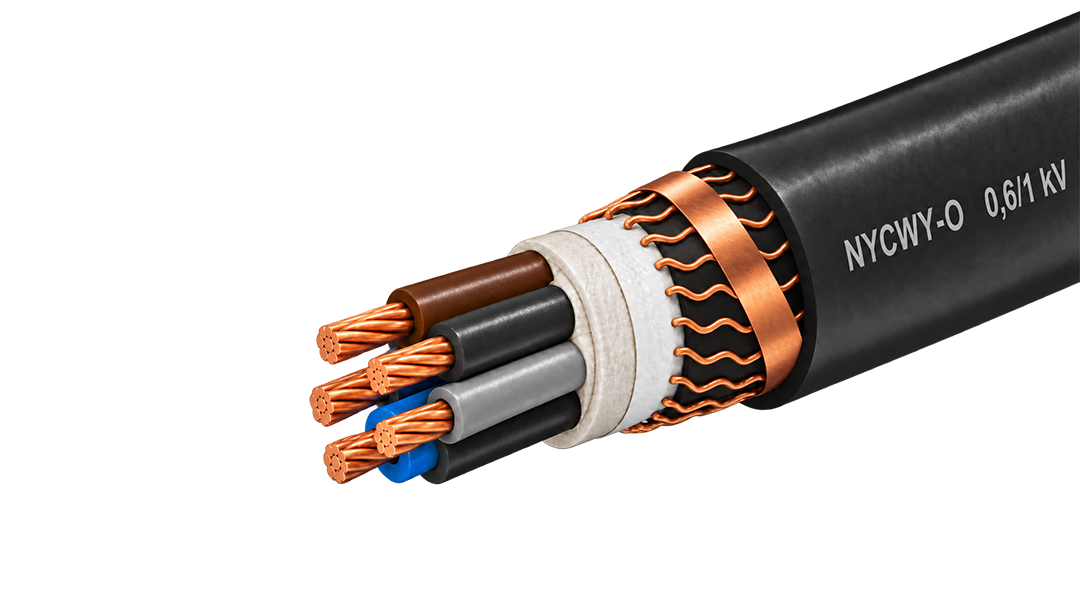
0.6/1 kV copper cable with a wave-laid concentric conductor for fixed distribution and service routes.
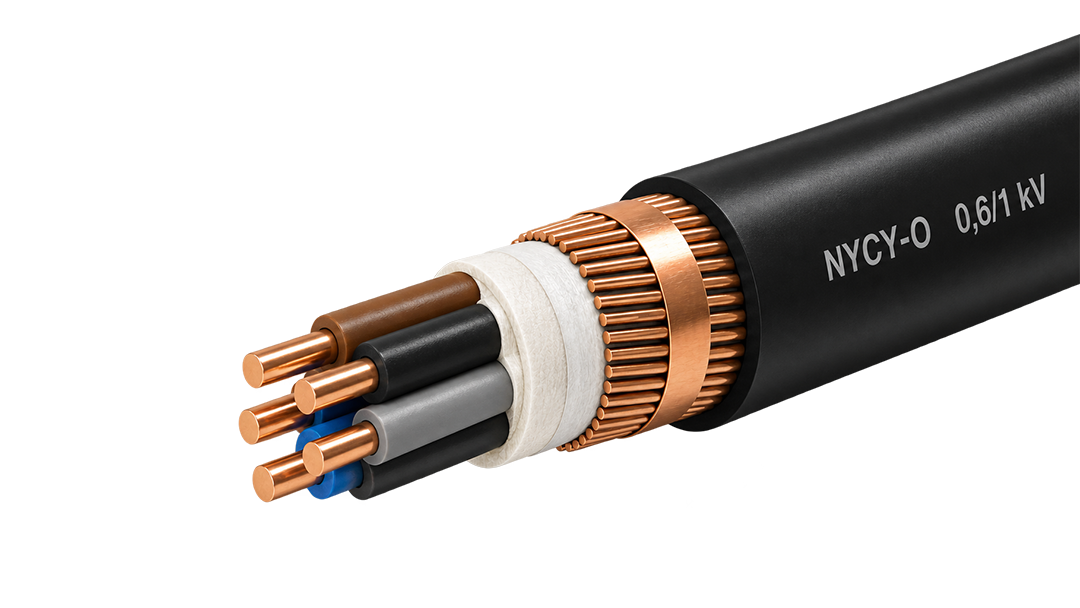
0.6/1 kV copper power cable with a concentric copper layer for service and distribution circuits.
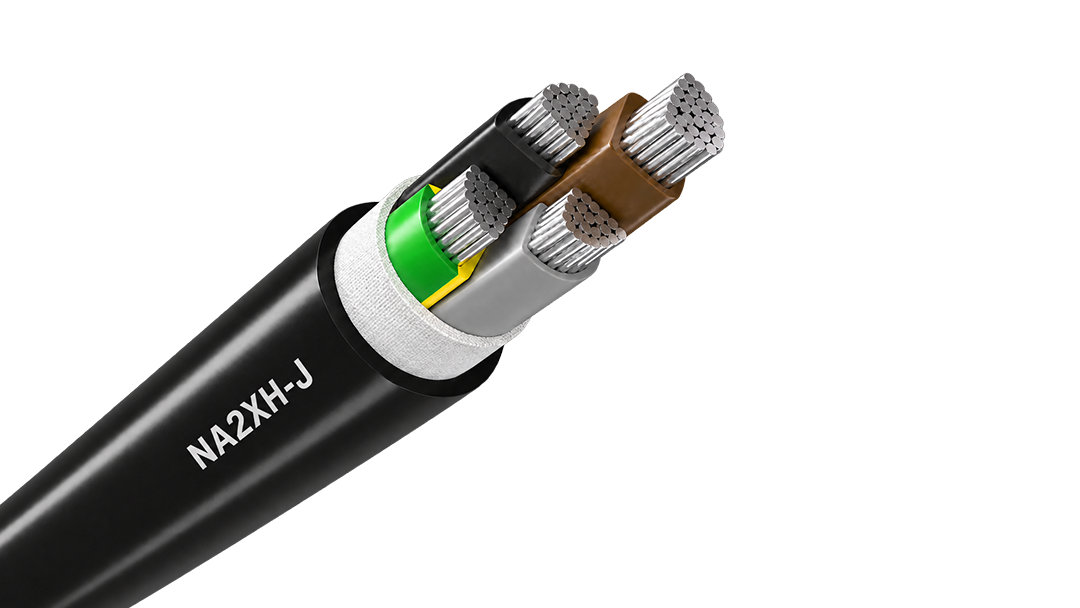
Aluminium halogen-free 0.6/1 kV cable for fire-conscious fixed distribution and long feeders.
XLPE Insulated and PVC Sheathed Heavy-Duty Power Cable for Commercial & Industrial Applications
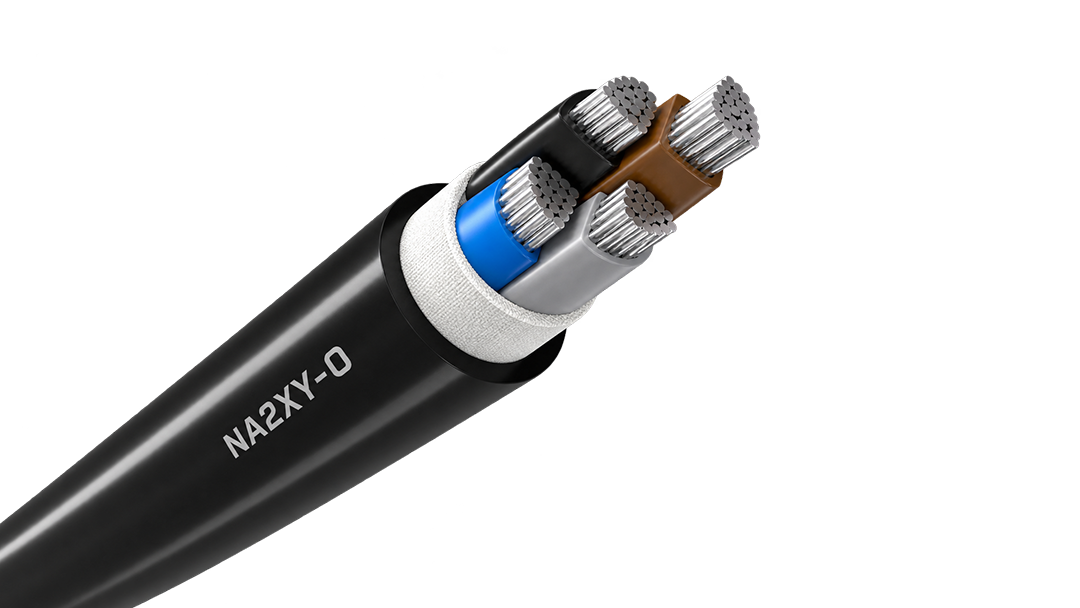
Aluminium XLPE 0.6/1 kV cable for economical high-current fixed distribution and long routes.
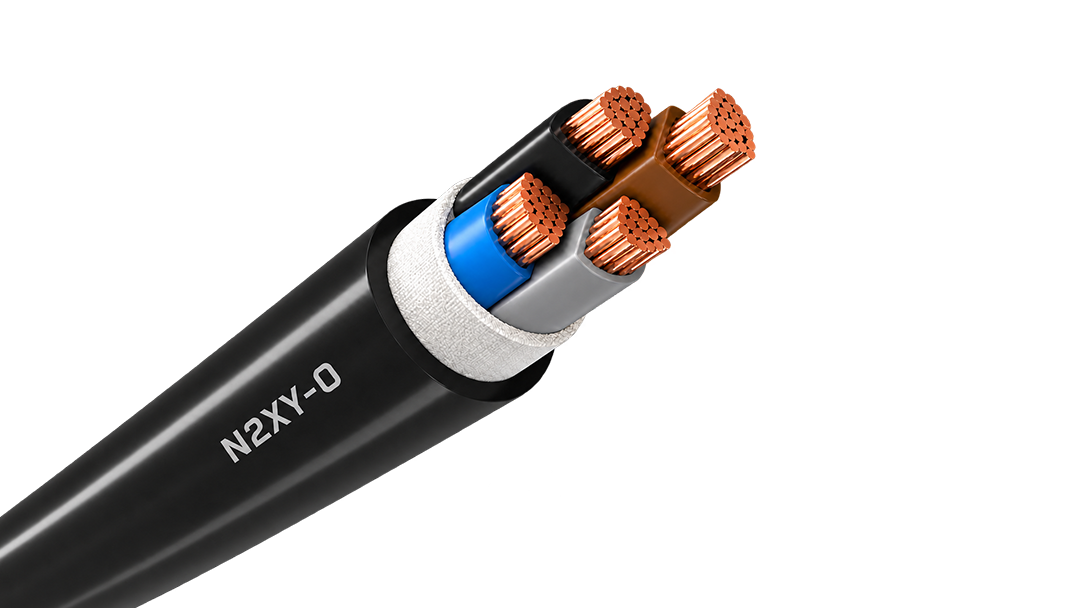
Copper XLPE 0.6/1 kV cable for demanding fixed feeders, outdoor routes and power distribution.
Aluminium 0.6/1 kV PVC cable for cost-conscious fixed distribution and long feeder routes.
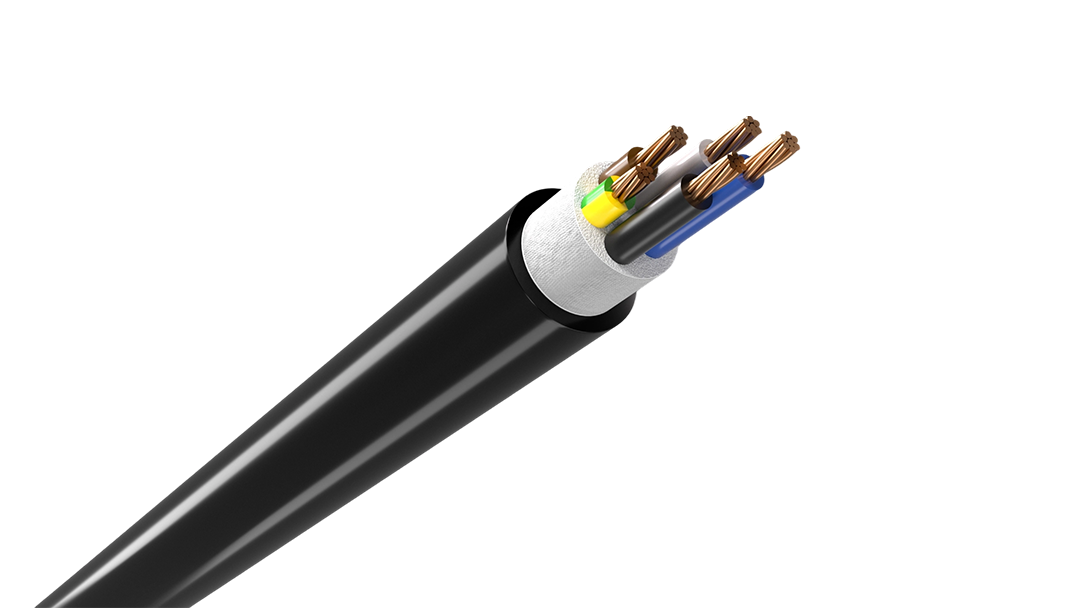
Robust 0.6/1 kV copper cable for economical fixed power distribution indoors, outdoors and underground.
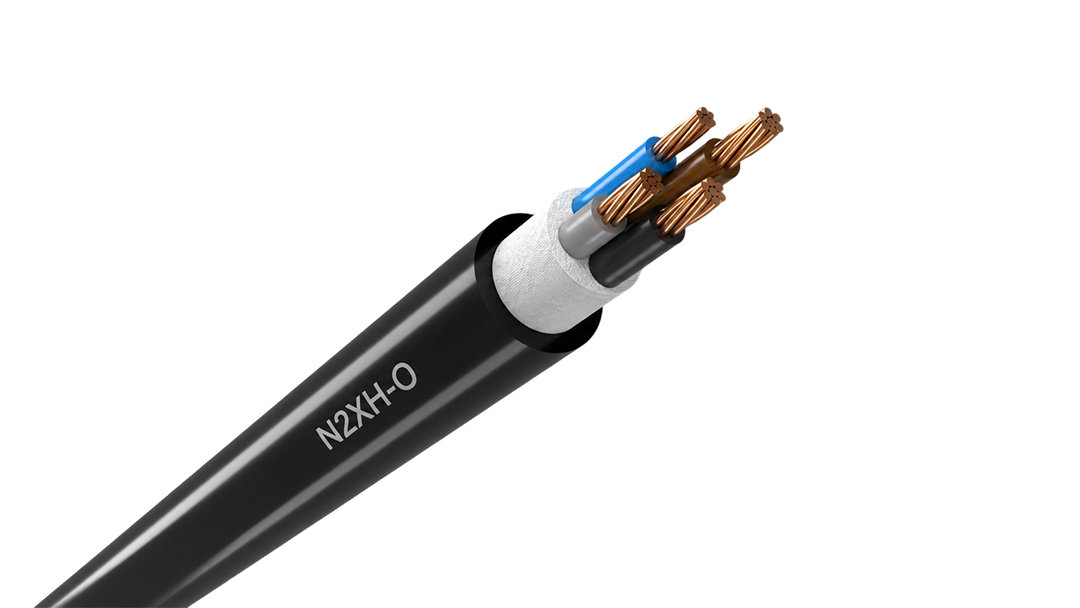
Low-smoke halogen-free 0.6/1 kV cable for fixed distribution in occupied and critical buildings.

hot search


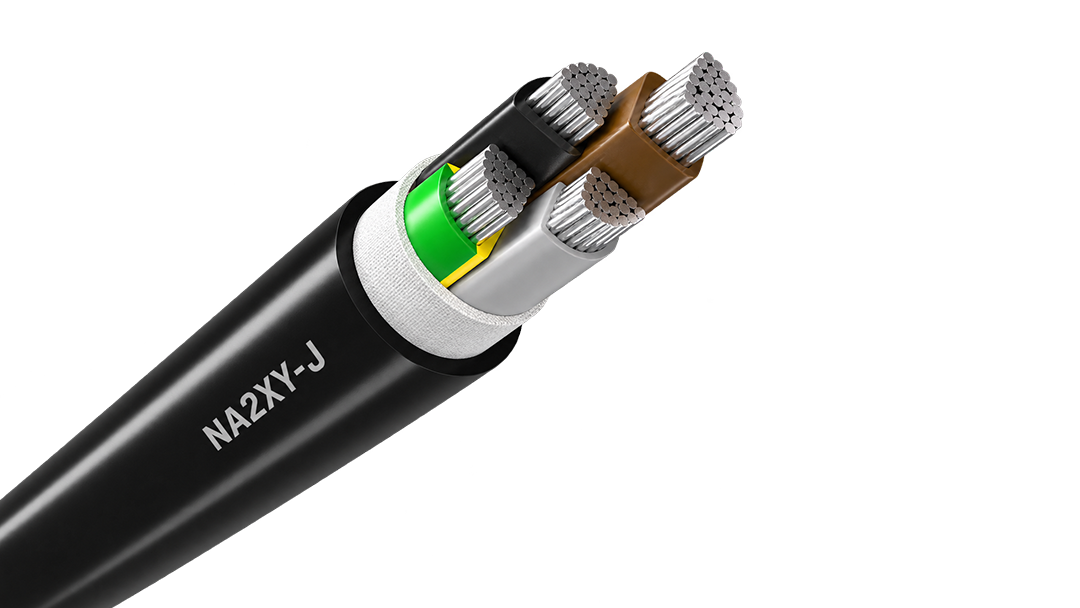
NA2XY pairs aluminium conductors with XLPE insulation for fixed feeders where conductor cost, weight and thermal design matter.
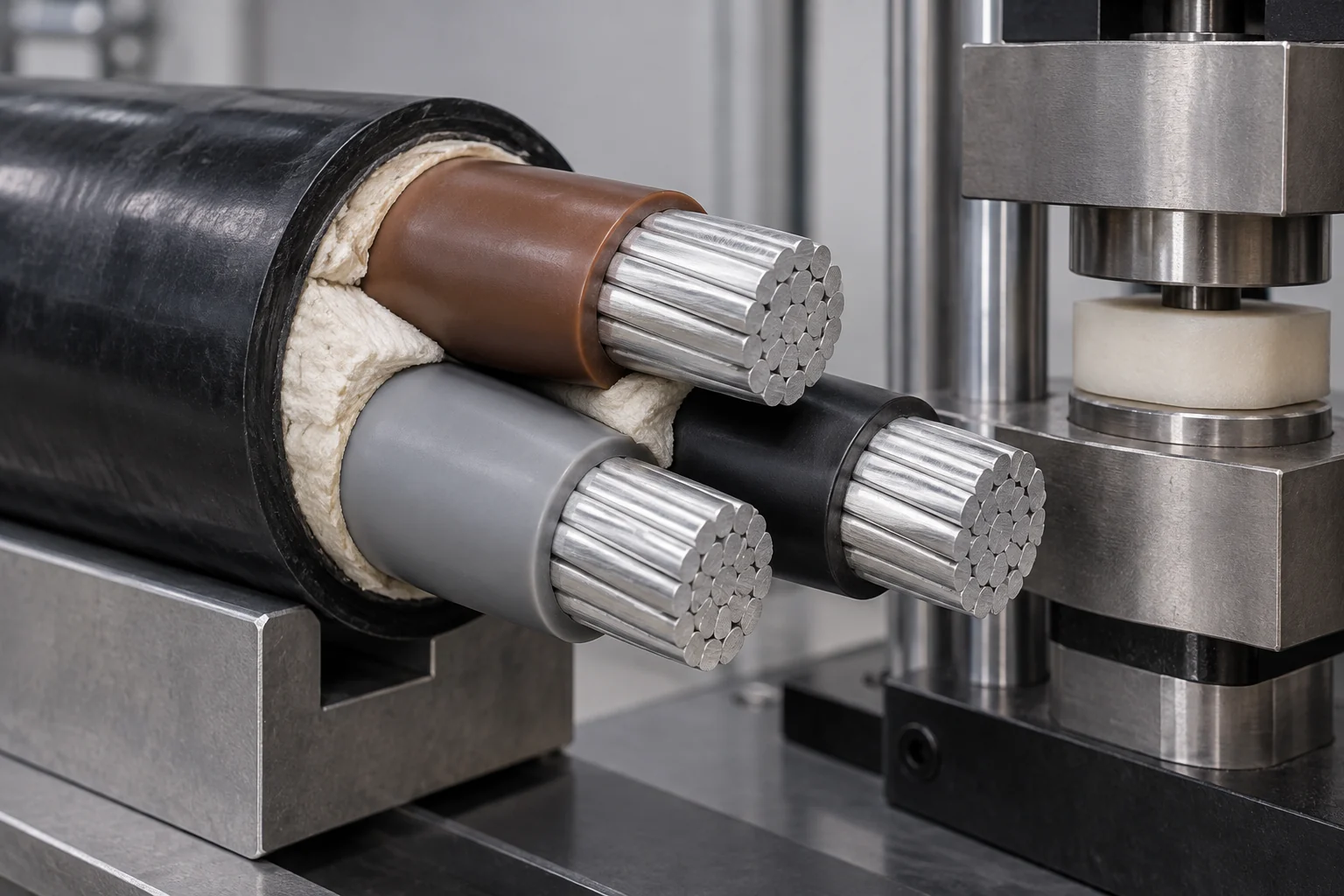
NA2XY uses XLPE insulation as the electrical and thermal foundation of the 0.6/1 kV feeder. This makes the cable suitable for fixed distribution where larger conductor sizes and sustained loading place greater demands on the insulation system. The value is not simply that the conductor is aluminium; the cable also provides an XLPE-based feeder construction for demanding fixed service.
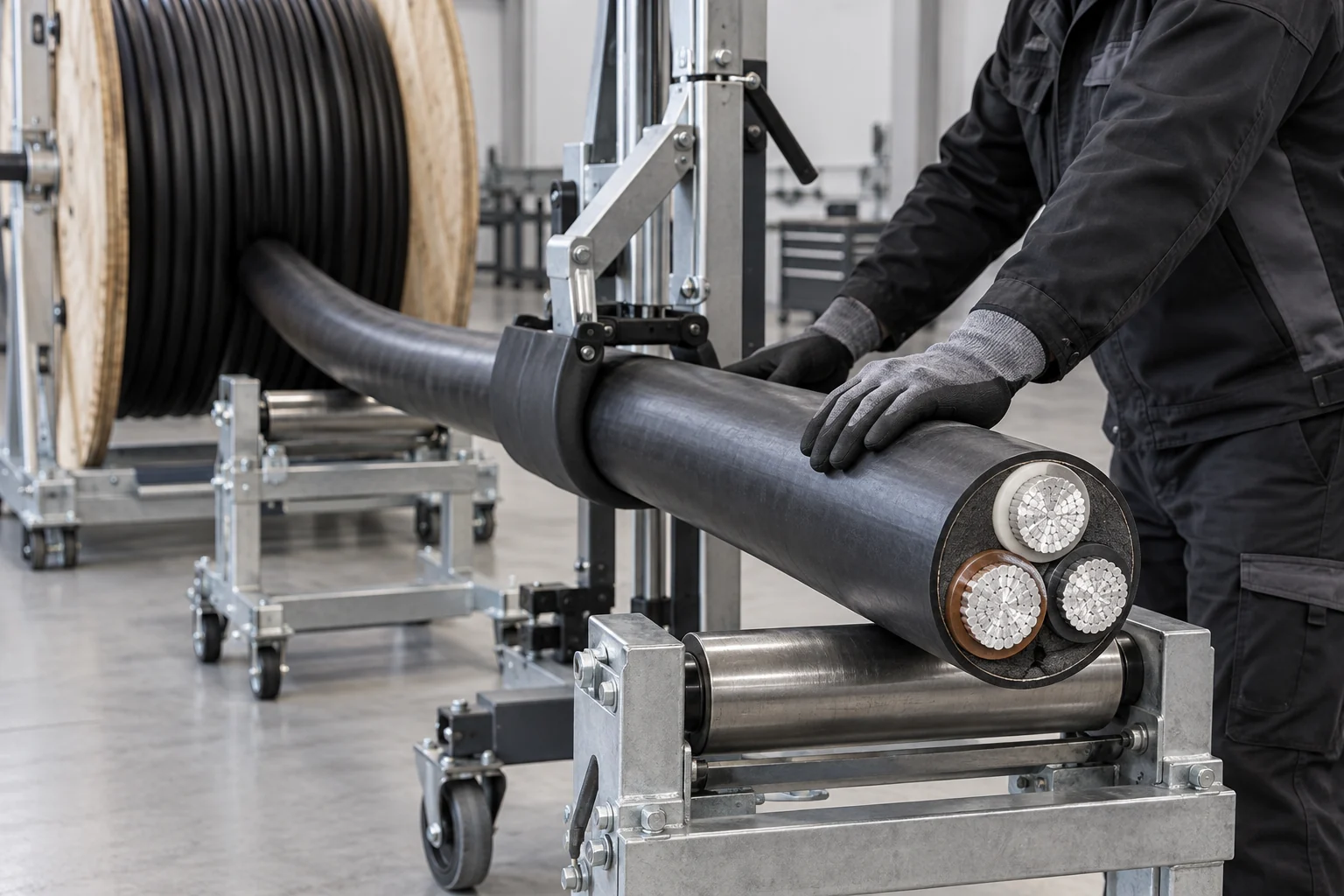
Aluminium reduces conductor mass and material cost, although a larger cross-section is normally required than for an equivalent copper duty. On long feeders, that trade-off can materially affect cable weight, handling and project economics. Planning the route around NA2XY from the start allows the project to use those benefits while accounting for the resulting diameter, bend radius and support requirements.
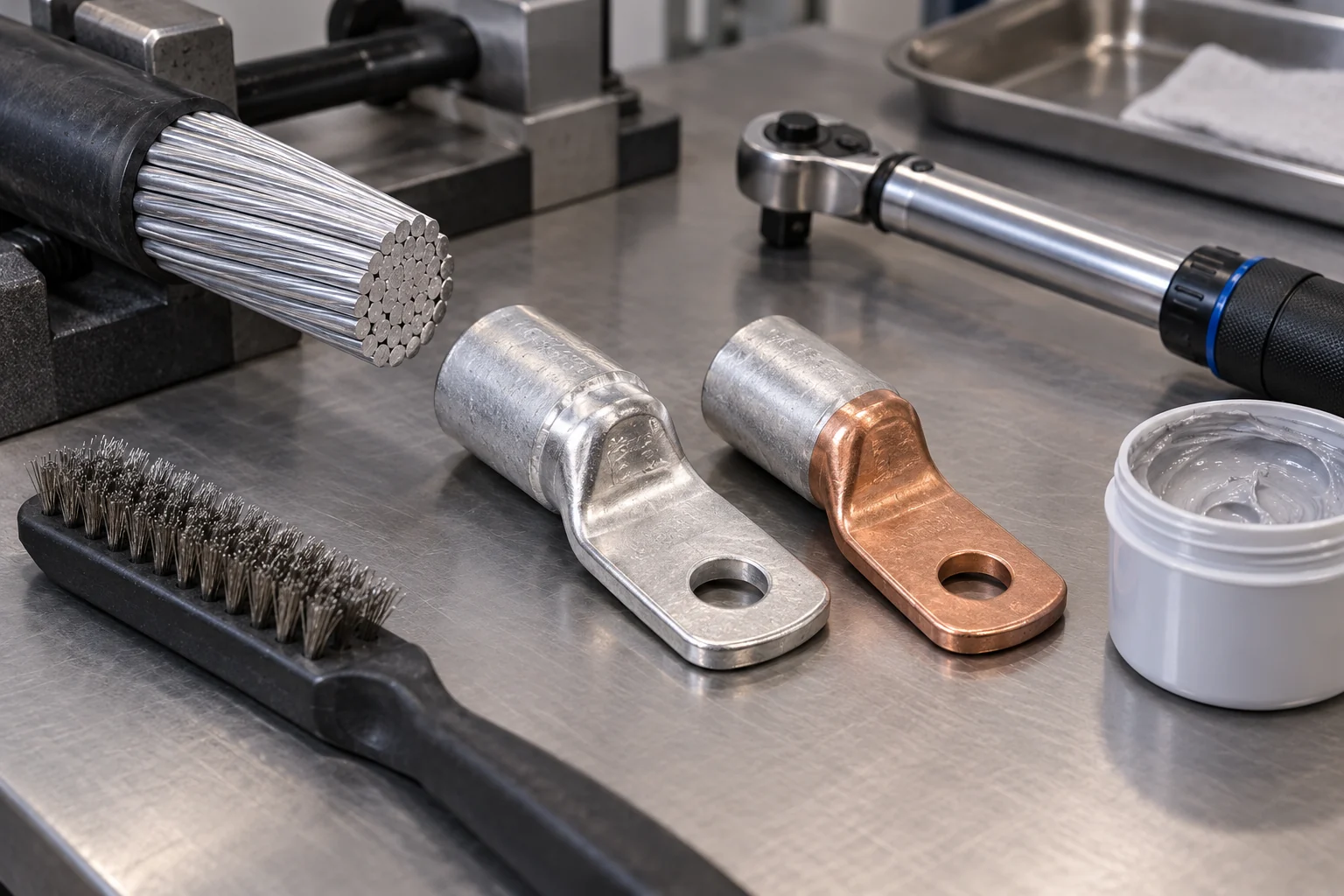
Reliable aluminium feeders depend on lugs and terminals designed for the conductor material and cross-section. Correct conductor preparation and torque control are part of the installation system, not optional extras. Selecting the termination hardware together with NA2XY avoids the common problem of choosing an economical aluminium feeder after the equipment has already been arranged around copper connections.
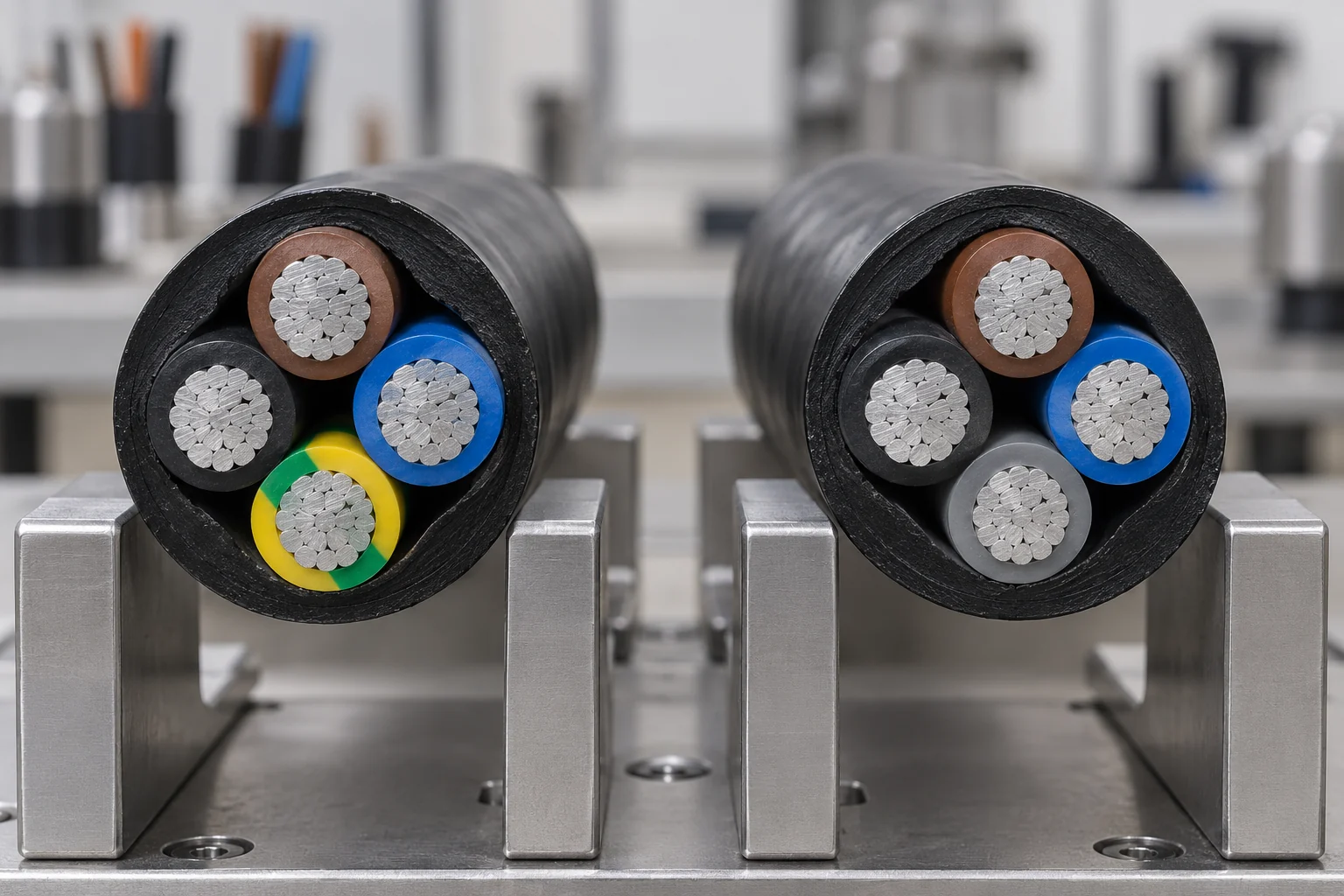
NA2XY-J includes a green/yellow protective conductor, while NA2XY-O does not. Selecting the required construction together with conductor size keeps the feeder core arrangement, gland sizing and terminal space aligned with the project earthing design. Making that decision early reduces late changes to cable diameter, connection hardware and enclosure space.
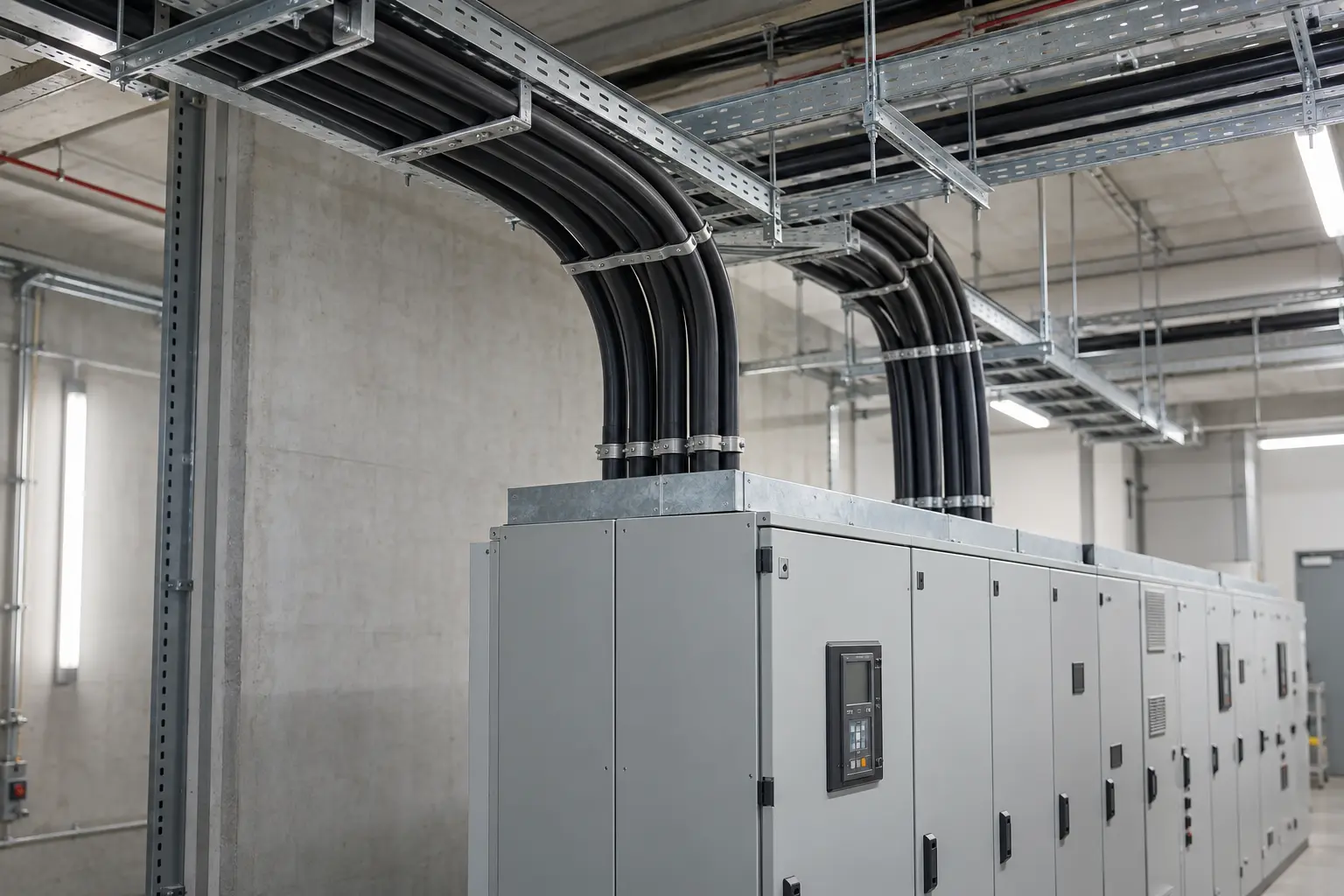
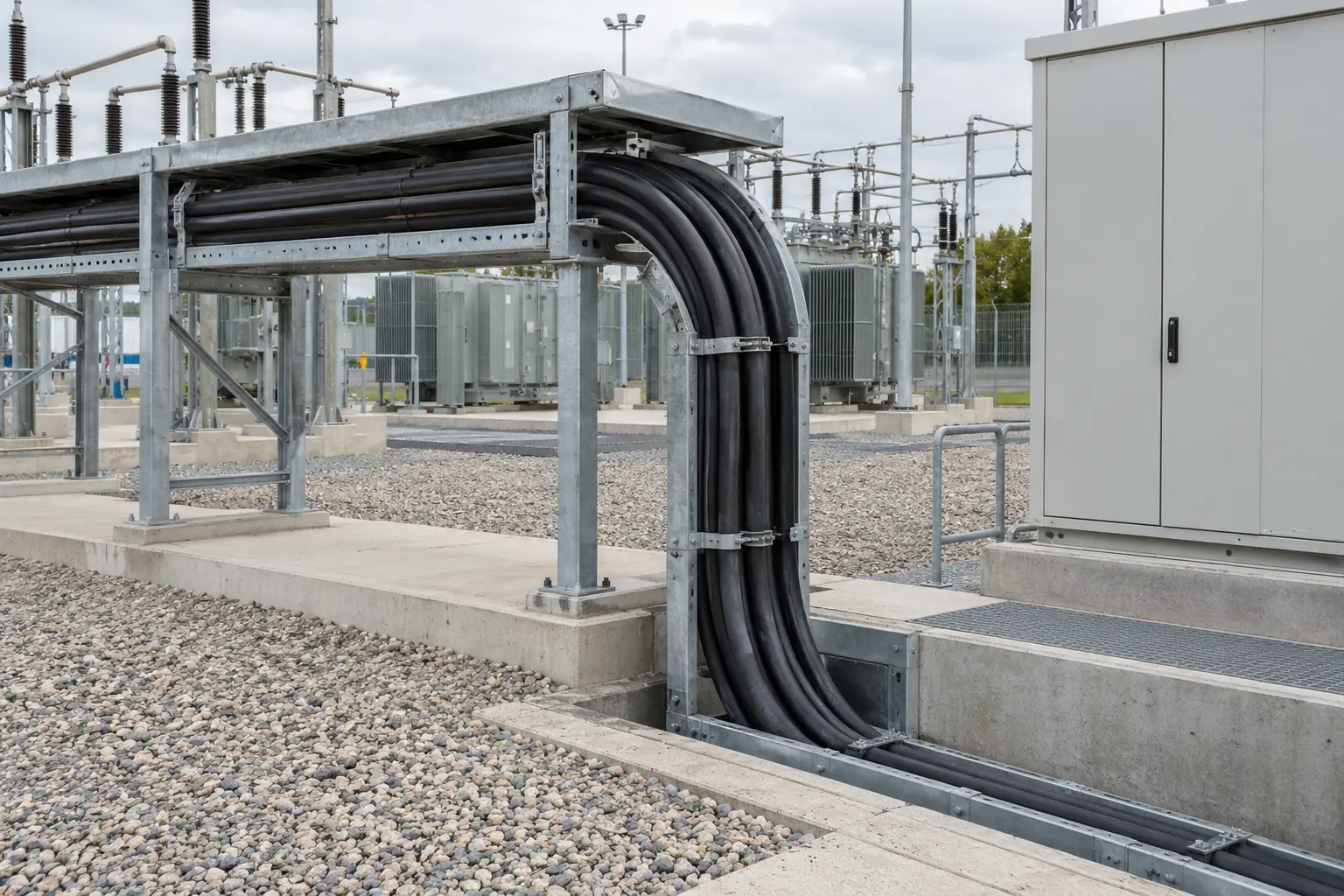
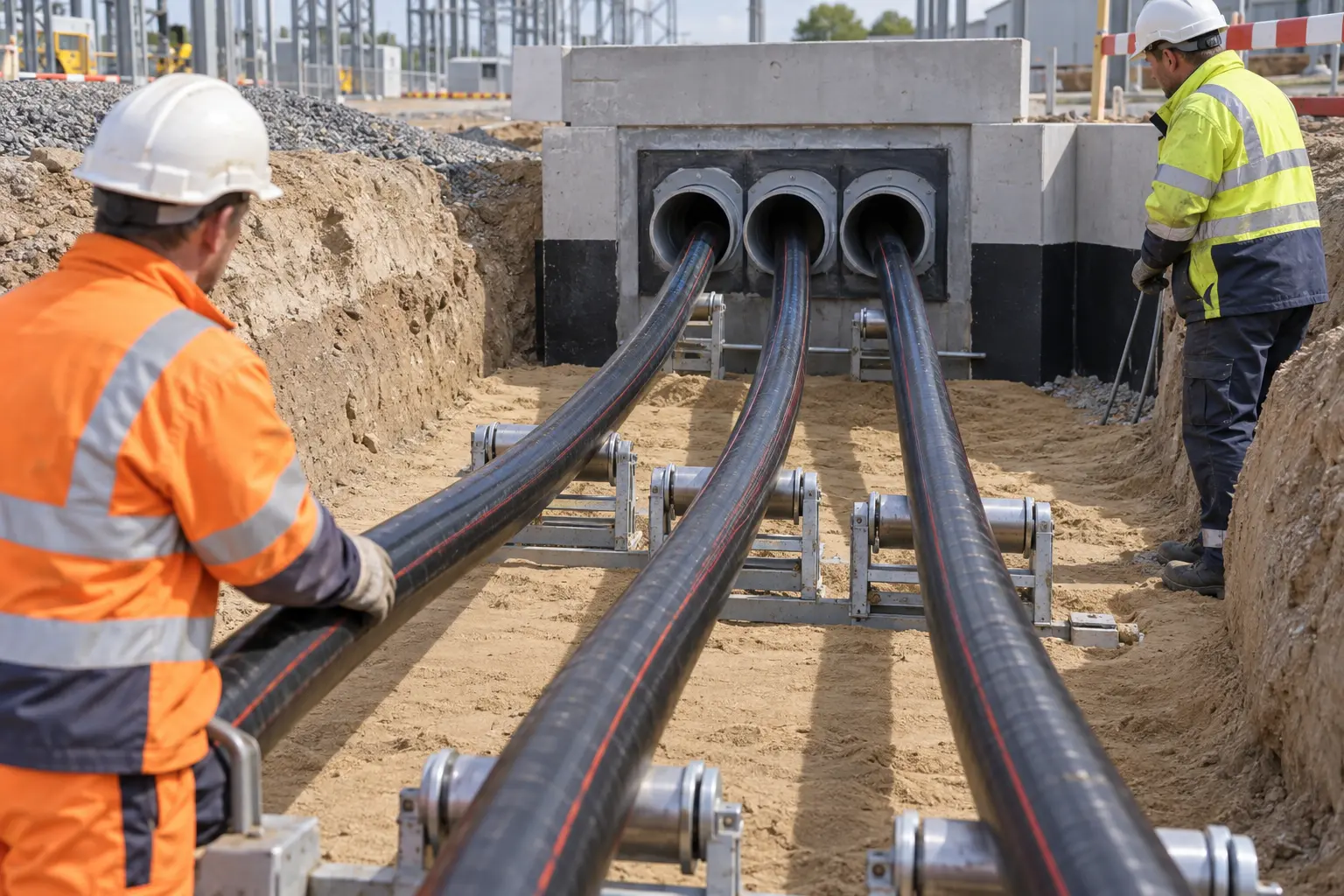
Designed for Utility solar plants, Commercial distribution, Outdoor feeders and Underground networks.
| Configuration | Conductor OD mm | Insulation mm | Sheath mm | Overall diameter mm | Current in air A | Aluminium weight kg/km | Approx. cable weight kg/km |
|---|---|---|---|---|---|---|---|
| 1 × 25 | 6.3 | 0.9 | 1.4 | 11.7 | 136 | 72.5 | 132 |
| 1 × 35 | 7.1 | 0.9 | 1.4 | 12.5 | 166 | 101.5 | 166 |
| 1 × 50 | 8.1 | 1.0 | 1.4 | 13.6 | 205 | 145.0 | 211 |
| 1 × 70 | 9.7 | 1.1 | 1.4 | 15.5 | 260 | 203.0 | 283 |
| 1 × 95 | 11.4 | 1.1 | 1.5 | 17.4 | 321 | 275.5 | 376 |
| 1 × 120 | 12.7 | 1.2 | 1.5 | 19.0 | 376 | 348.0 | 456 |
| 1 × 150 | 14.5 | 1.4 | 1.6 | 22.0 | 431 | 435.0 | 560 |
| 1 × 185 | 15.9 | 1.6 | 1.7 | 23.9 | 501 | 536.5 | 697 |
| 1 × 240 | 18.6 | 1.7 | 1.8 | 27.0 | 600 | 696.0 | 878 |
| 1 × 300 | 20.7 | 1.8 | 1.9 | 29.5 | 696 | 870.0 | 1073 |
| 1 × 400 | 23.5 | 2.0 | 2.0 | 32.9 | 821 | 1160.0 | 1347 |
| 1 × 500 | 26.5 | 2.2 | 2.1 | 36.6 | 971 | 1450.0 | 1705 |
| 1 × 630 | 30.2 | 2.4 | 2.2 | 41.0 | 1151 | 1827.0 | 2705 |
This table covers the listed single-core constructions. Multicore dimensions vary by core arrangement.
Download TDS
Yes, this can be reviewed, but aluminium is not normally a size-for-size replacement for copper. Current, route length, voltage drop, installation method, available space and the equipment termination system all need to be checked before an alternative size is proposed.
Yes. Send the exact cable designation and, where possible, the existing datasheet or project specification. We compare conductor material, construction, voltage rating, standards and the requirements that affect the installation before confirming whether an equivalent can be offered.
Send the exact requirement. The website does not represent every possible production combination. We will check whether the construction can be supplied and whether the required standards or certification scope also cover that version before it is quoted.