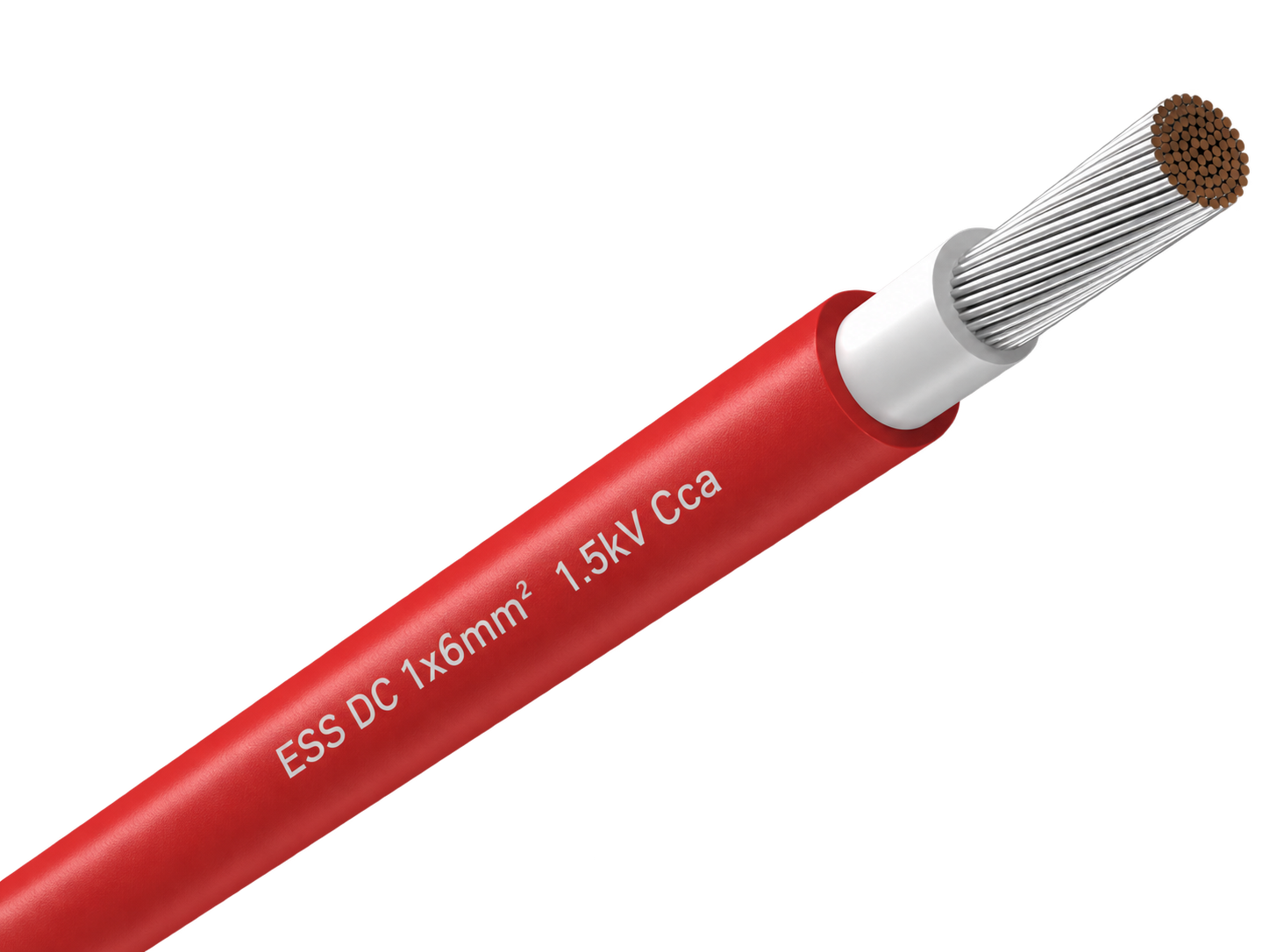
H1Z2Z2-K Nylon-Barrier Rodent-Resistant Solar Cable
H1Z2Z2-K 1.5 kV DC solar cable with a nylon barrier beneath the outer sheath for PV routes that need a non-metallic physical defence against rodent damage.

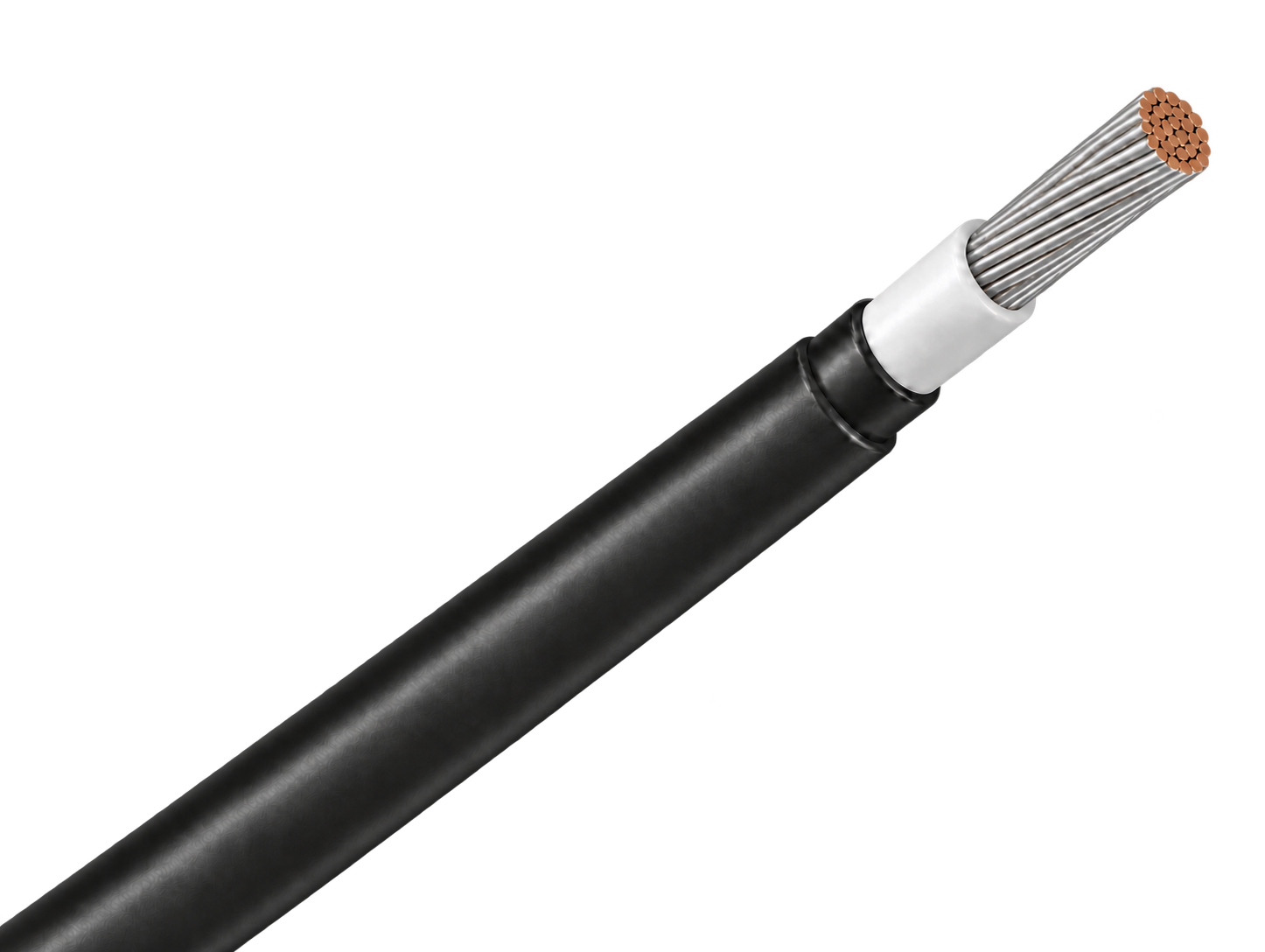
H1Z2Z2-K 1.5 kV DC solar cable with a nylon barrier beneath the outer sheath for PV routes that need a non-metallic physical defence against rodent damage.
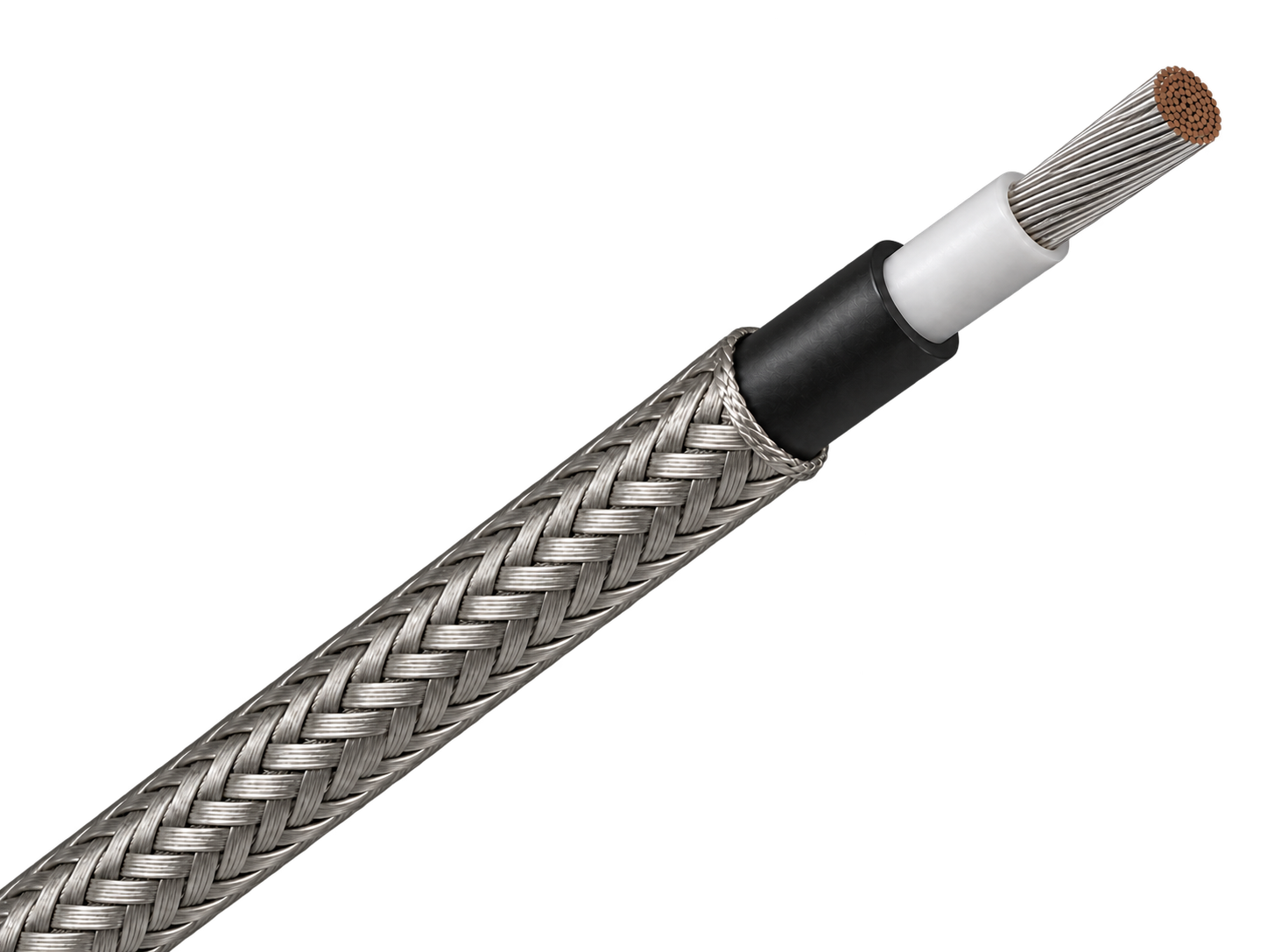
H1Z2Z2-K 1.5 kV DC solar cable with external steel-wire armour for fixed PV routes exposed to severe rodent activity or mechanical damage.
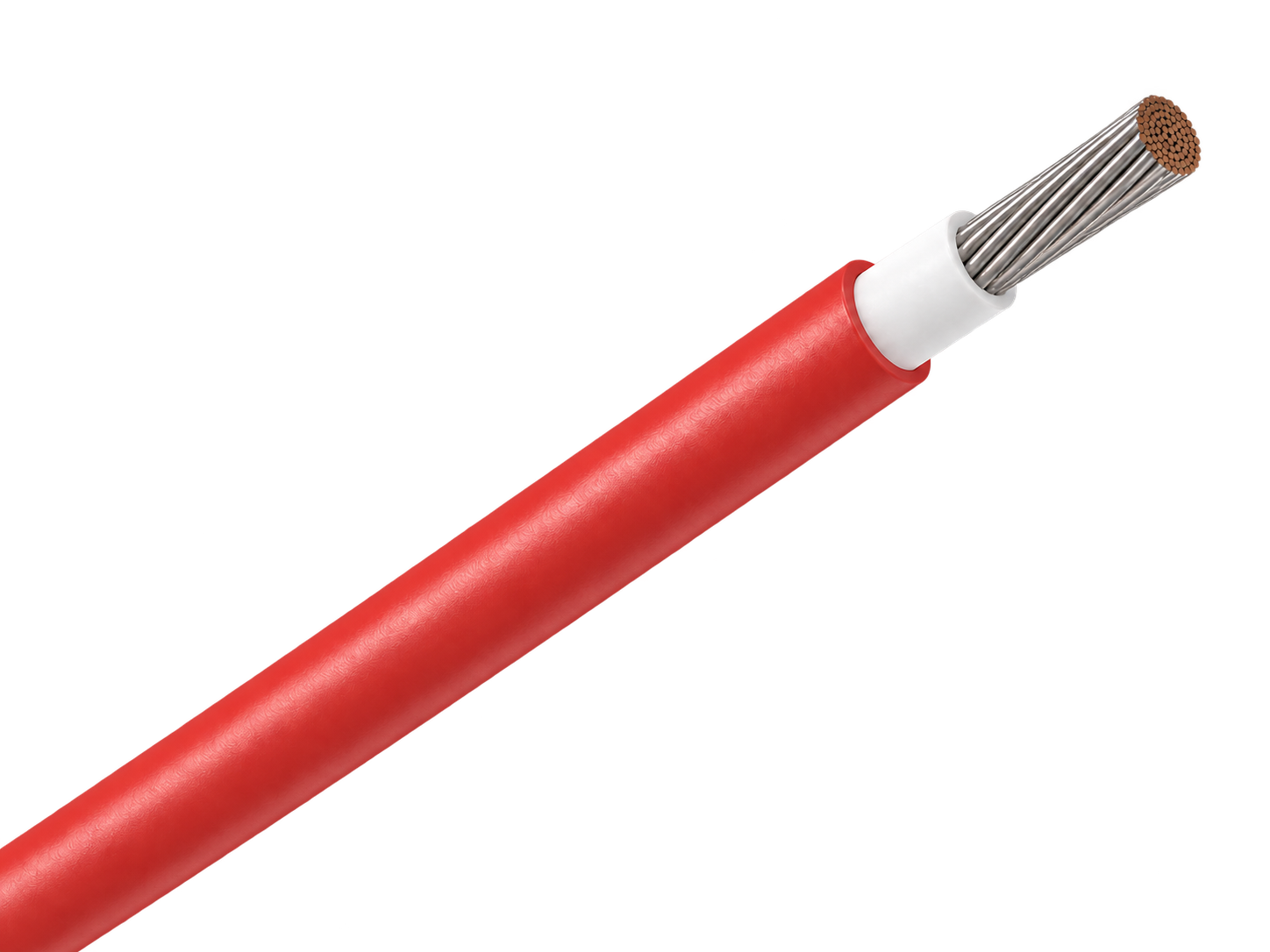
H1Z2Z2-K 1.5 kV DC solar cable with a capsaicin-based rodent-deterrent sheath for PV routes where chemical protection is preferred over added armour.
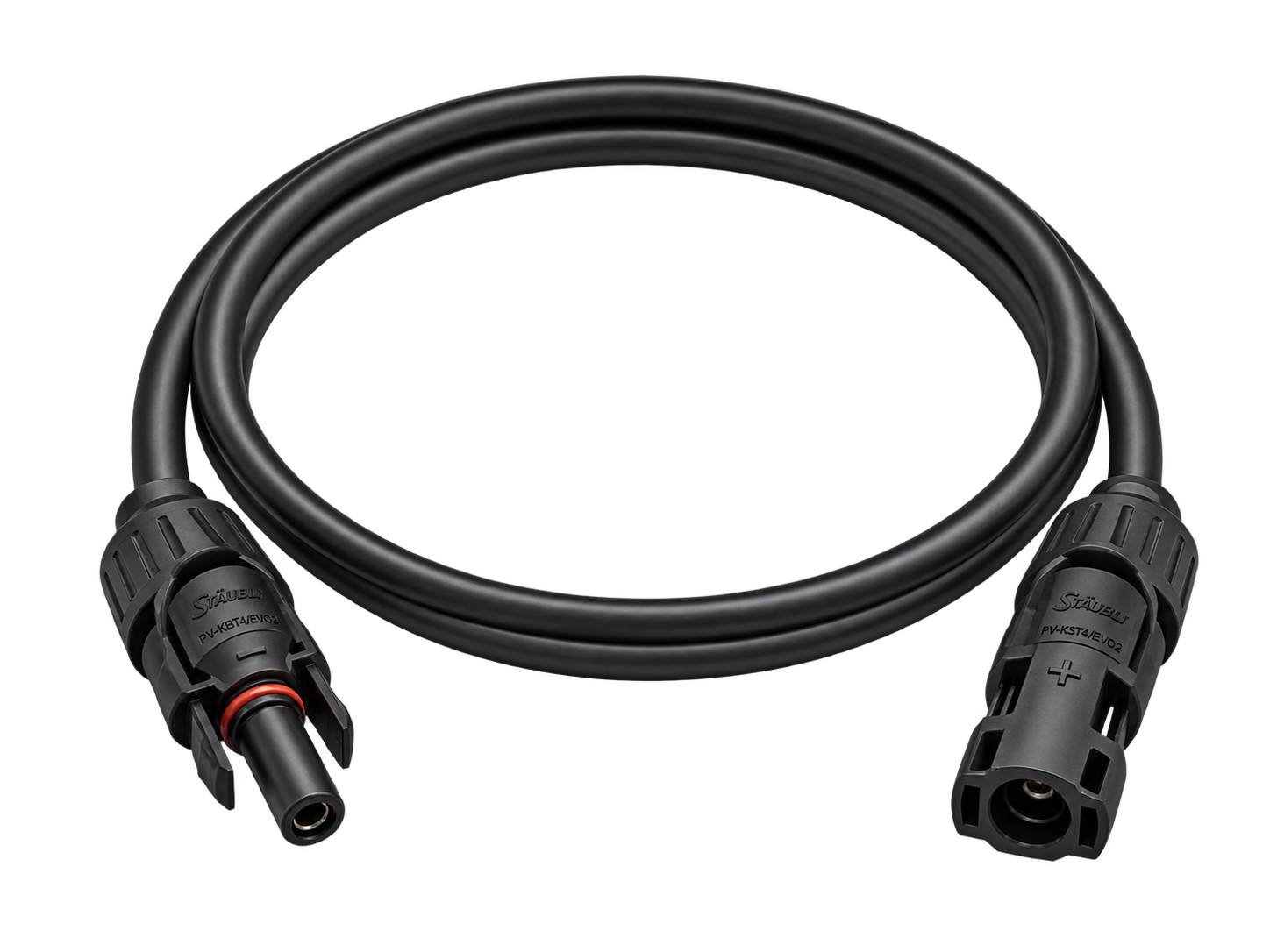
Factory-terminated PV extension cable for controlled module, string and combiner-box connections.
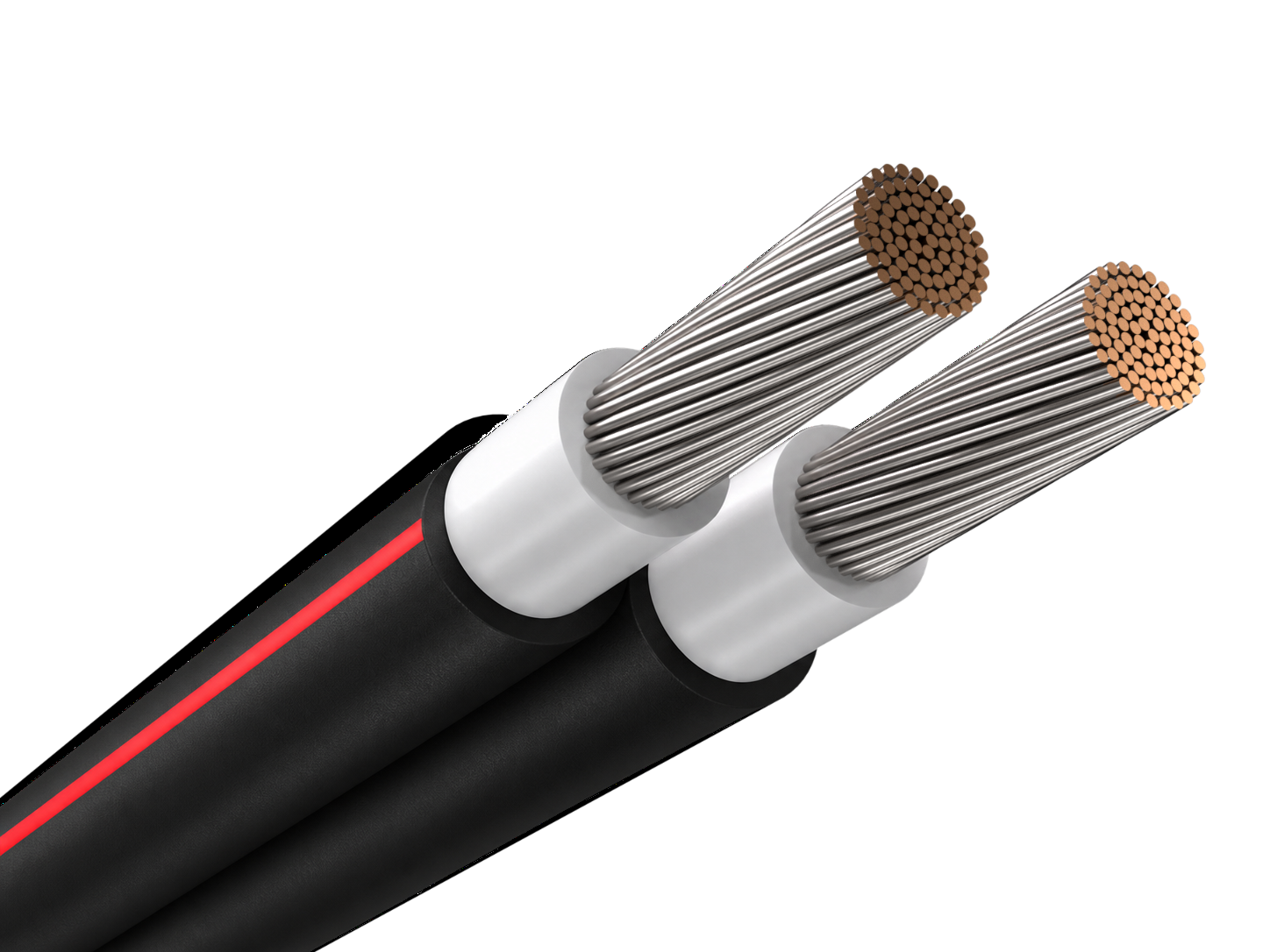
Joined twin PV cable for orderly positive and negative string routing beneath solar modules.
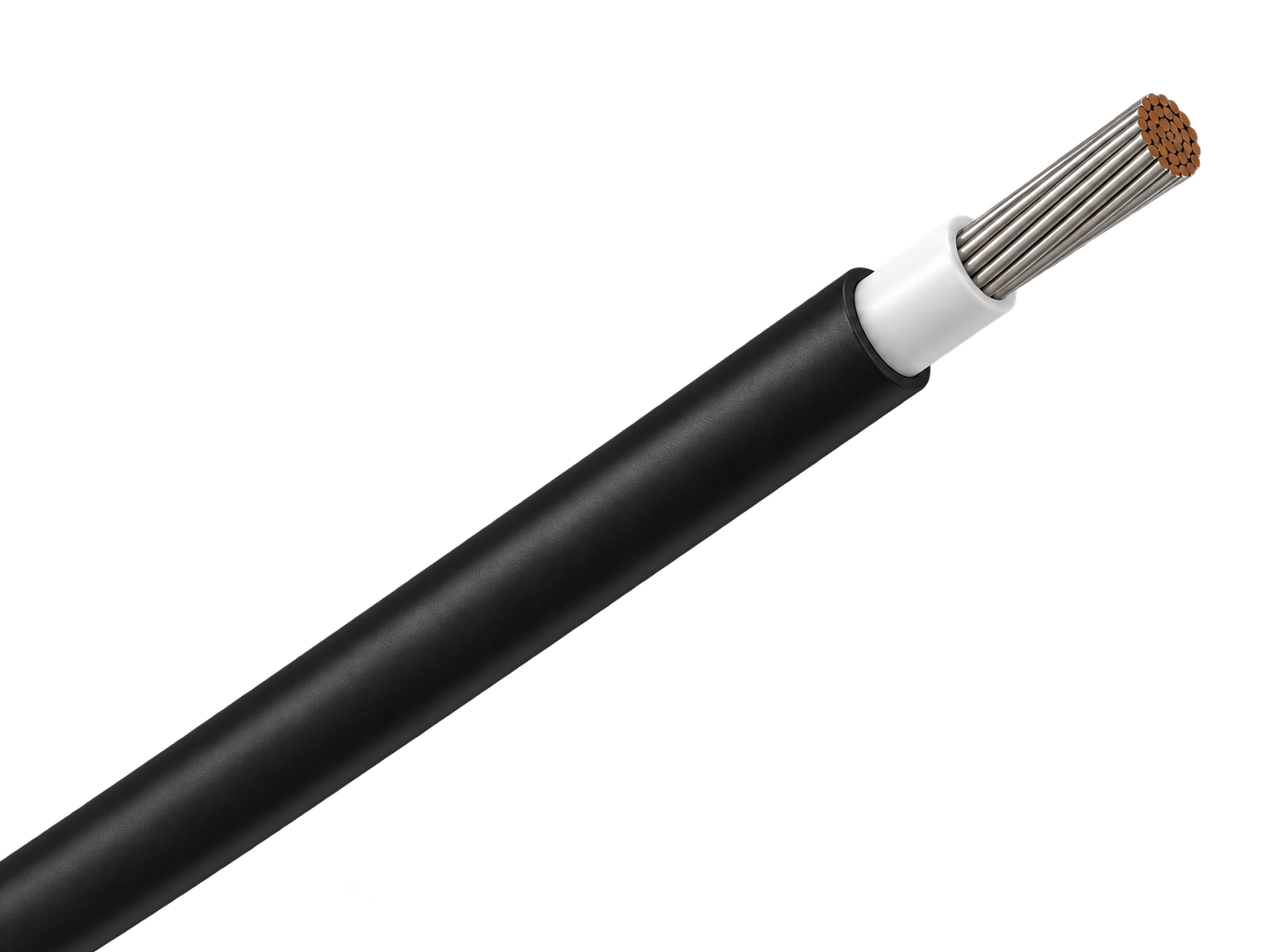
Single-core PV cable for reliable DC wiring across rooftop and ground-mounted solar arrays.
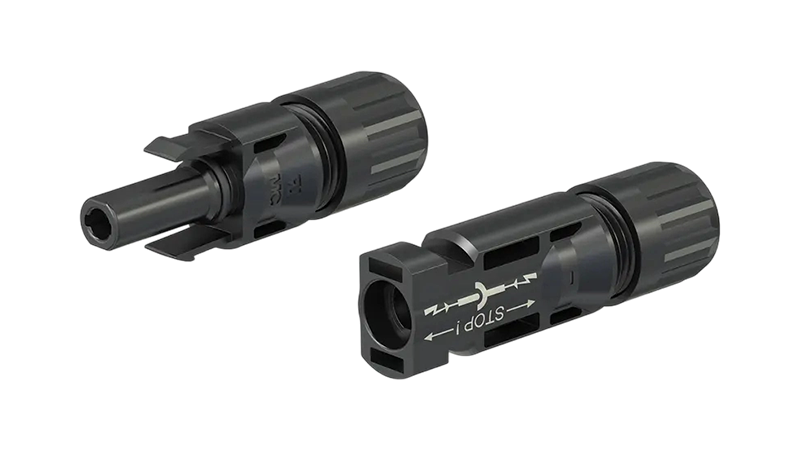
Original 4 mm DC PV connector for field-assembled module, string and extension-cable connections.
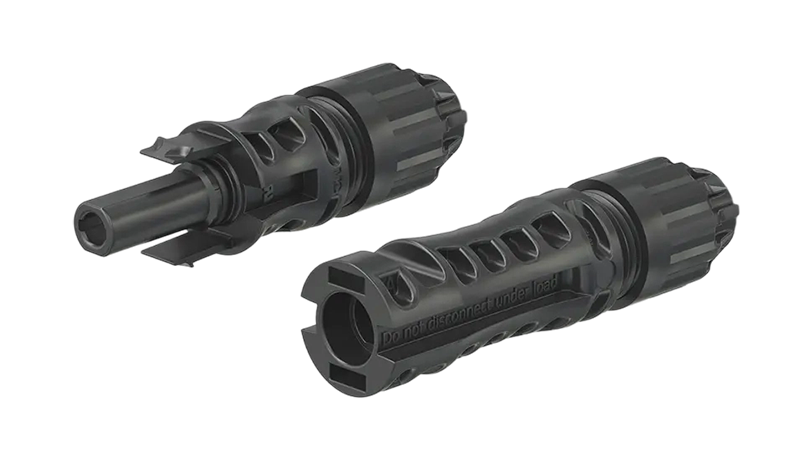
1500 V DC Original Stäubli PV connector for high-current string, extension and equipment connections.
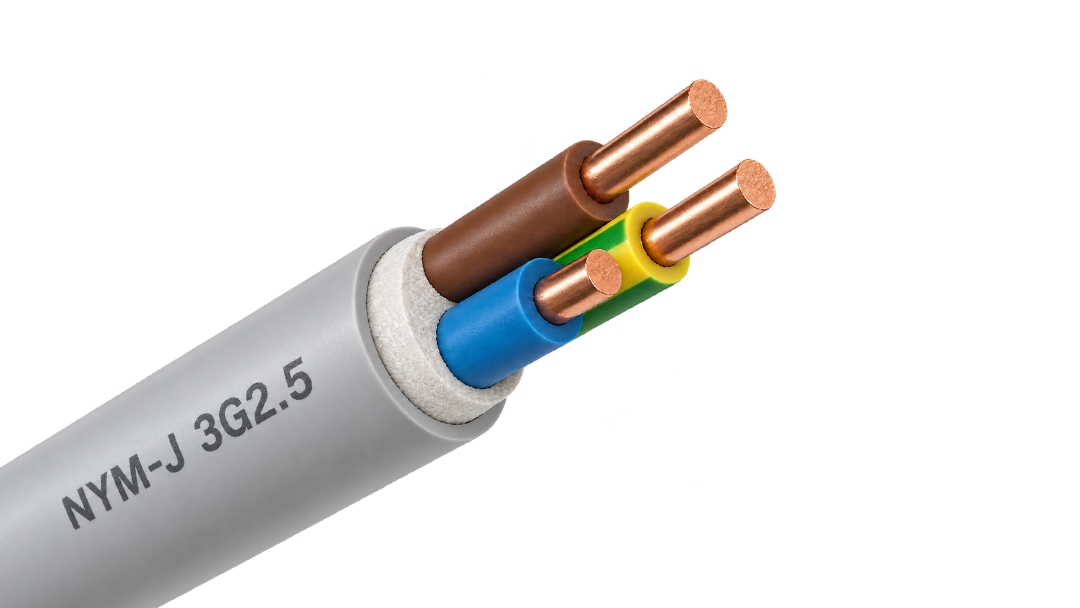
PVC-sheathed 300/500 V cable for fixed power and lighting circuits inside buildings and panels.
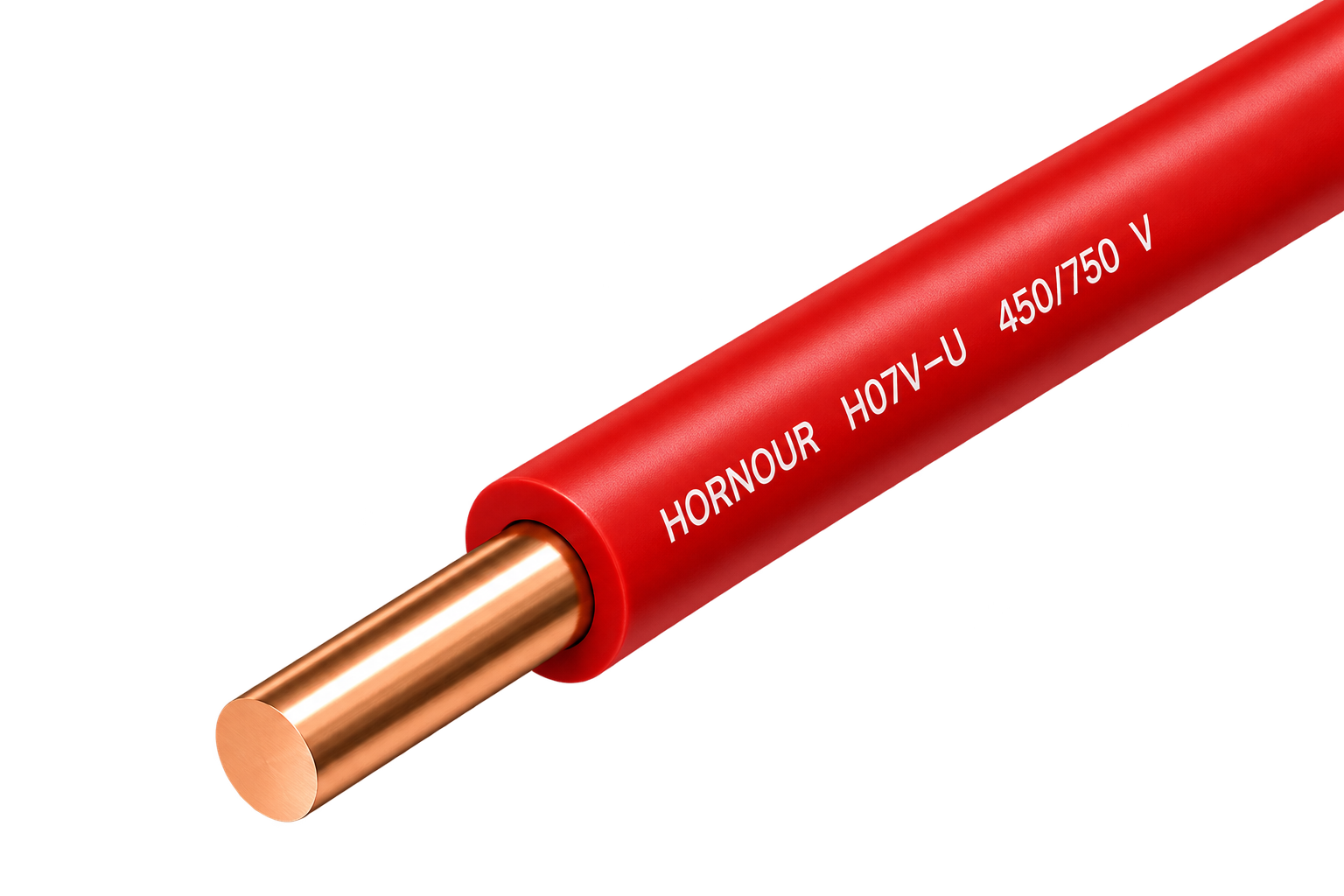
Solid 450/750 V PVC wire for stable fixed circuits in protected conduit and building installations.
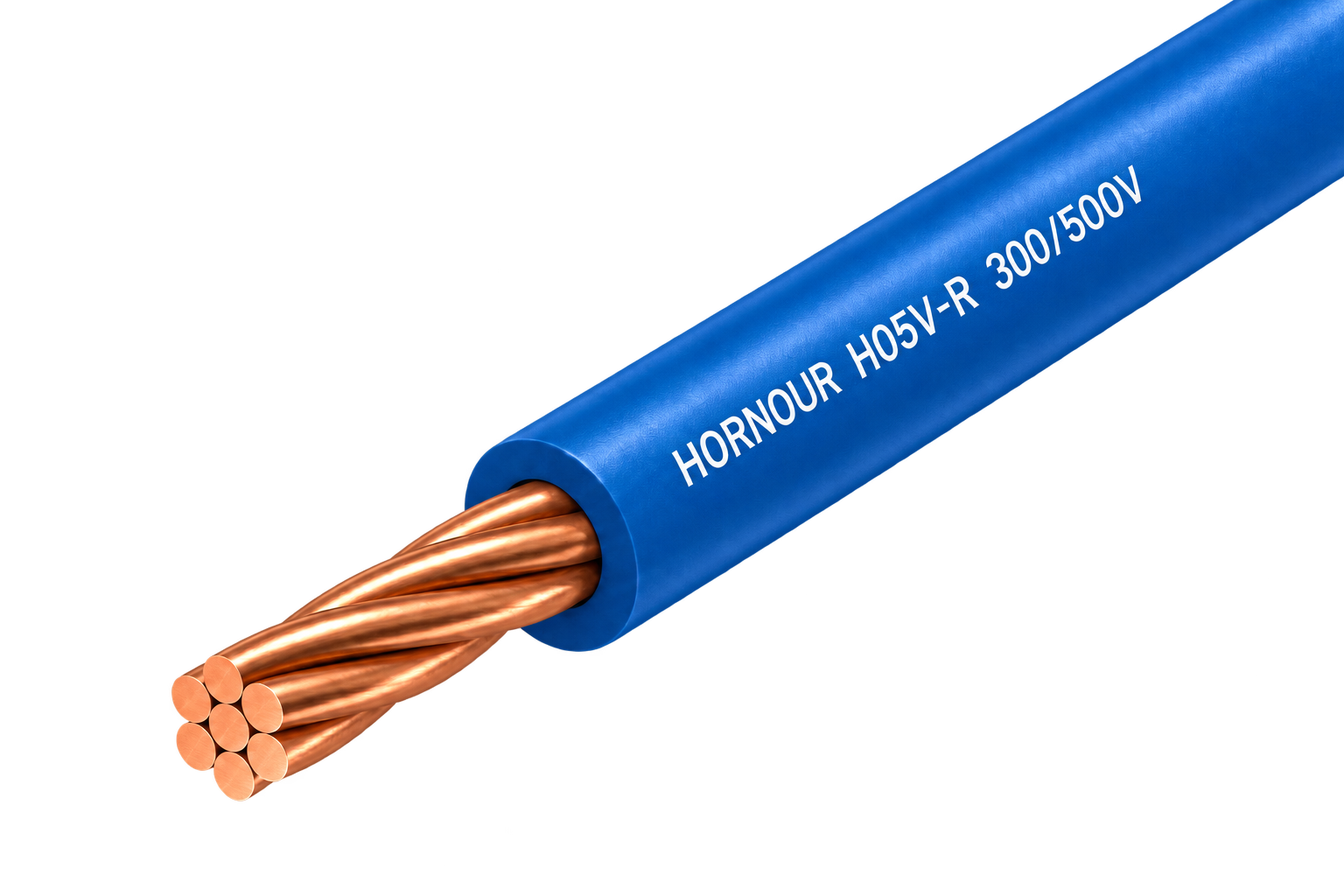
Class 2 stranded 300/500 V PVC wire for fixed equipment and panel routes needing moderate flexibility.
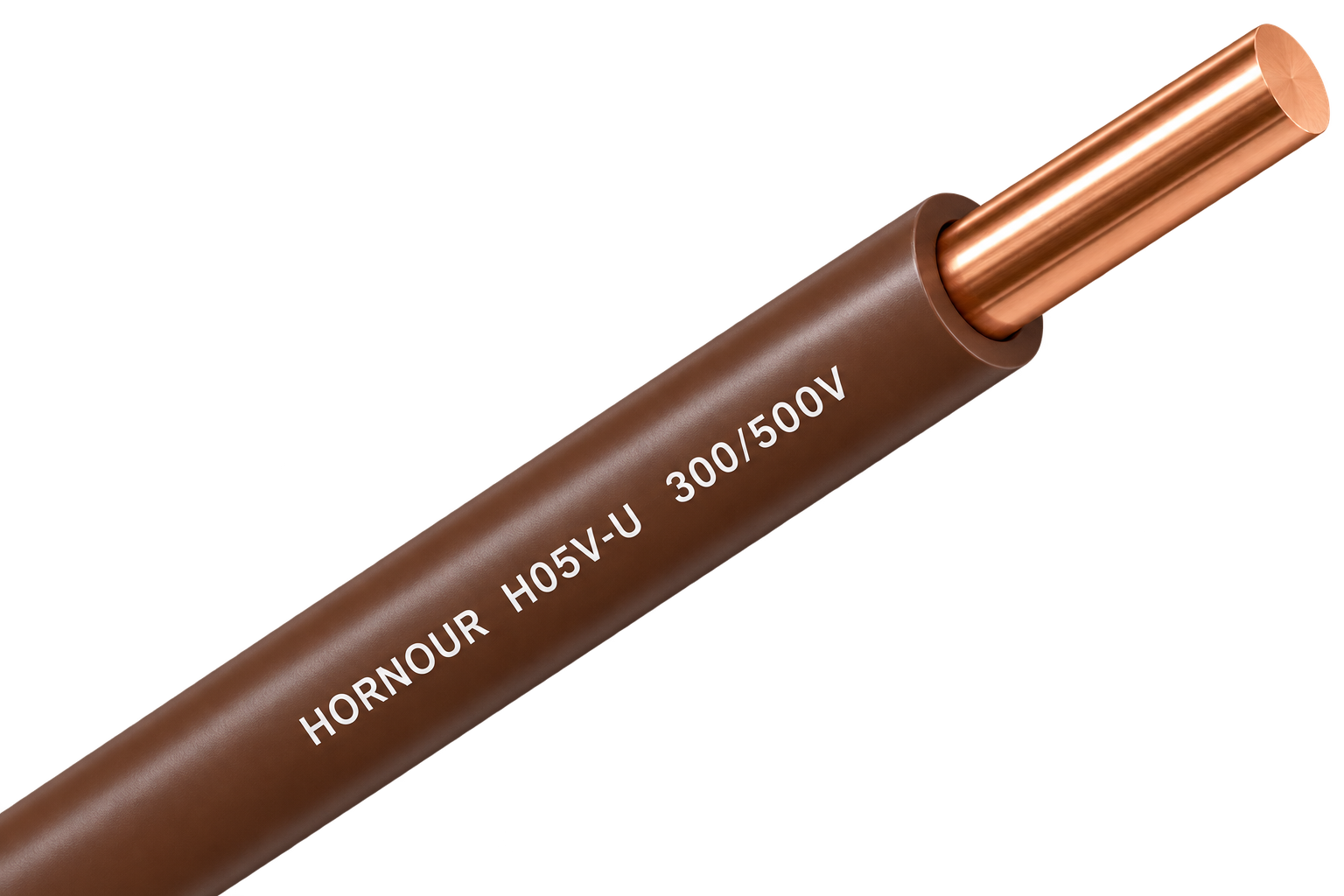
Solid 300/500 V PVC wire for simple, stable fixed connections inside protected equipment and conduit.
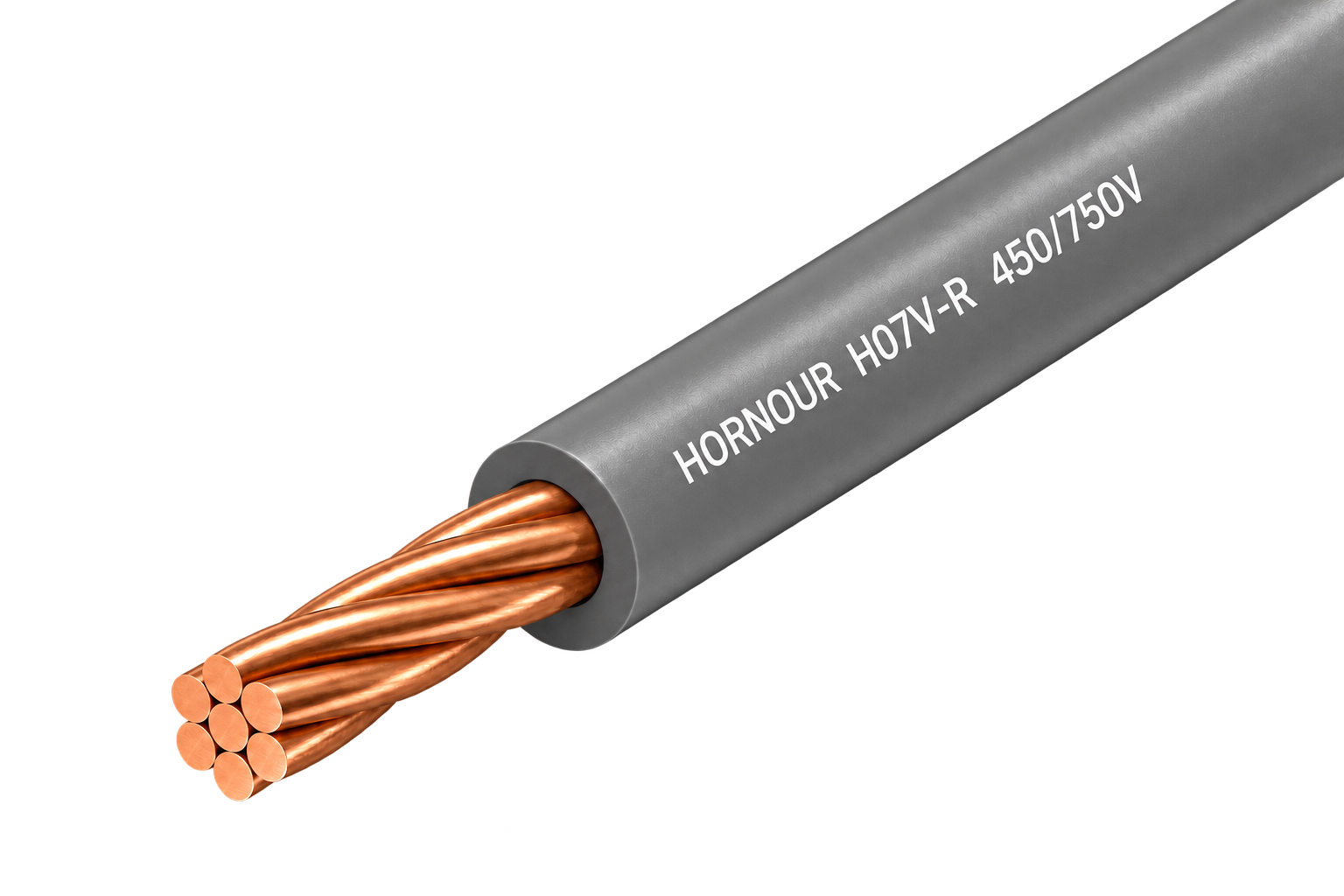
Class 2 stranded 450/750 V PVC wire for protected fixed routes requiring easier pulling and forming.
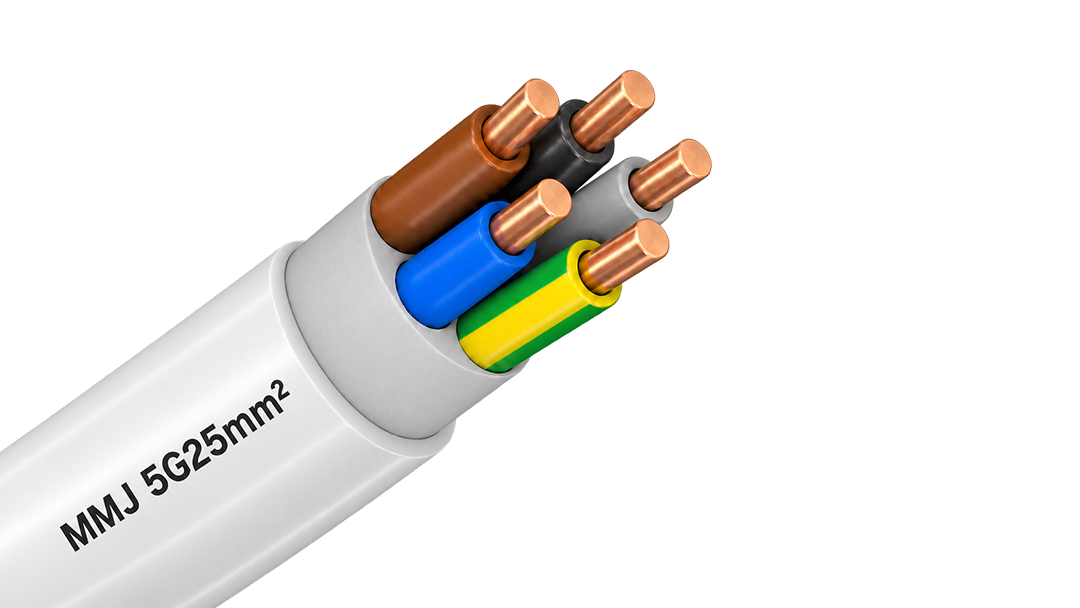
300/500 V PVC-sheathed cable for fixed surface and flush-mounted installations in Finnish building wiring.
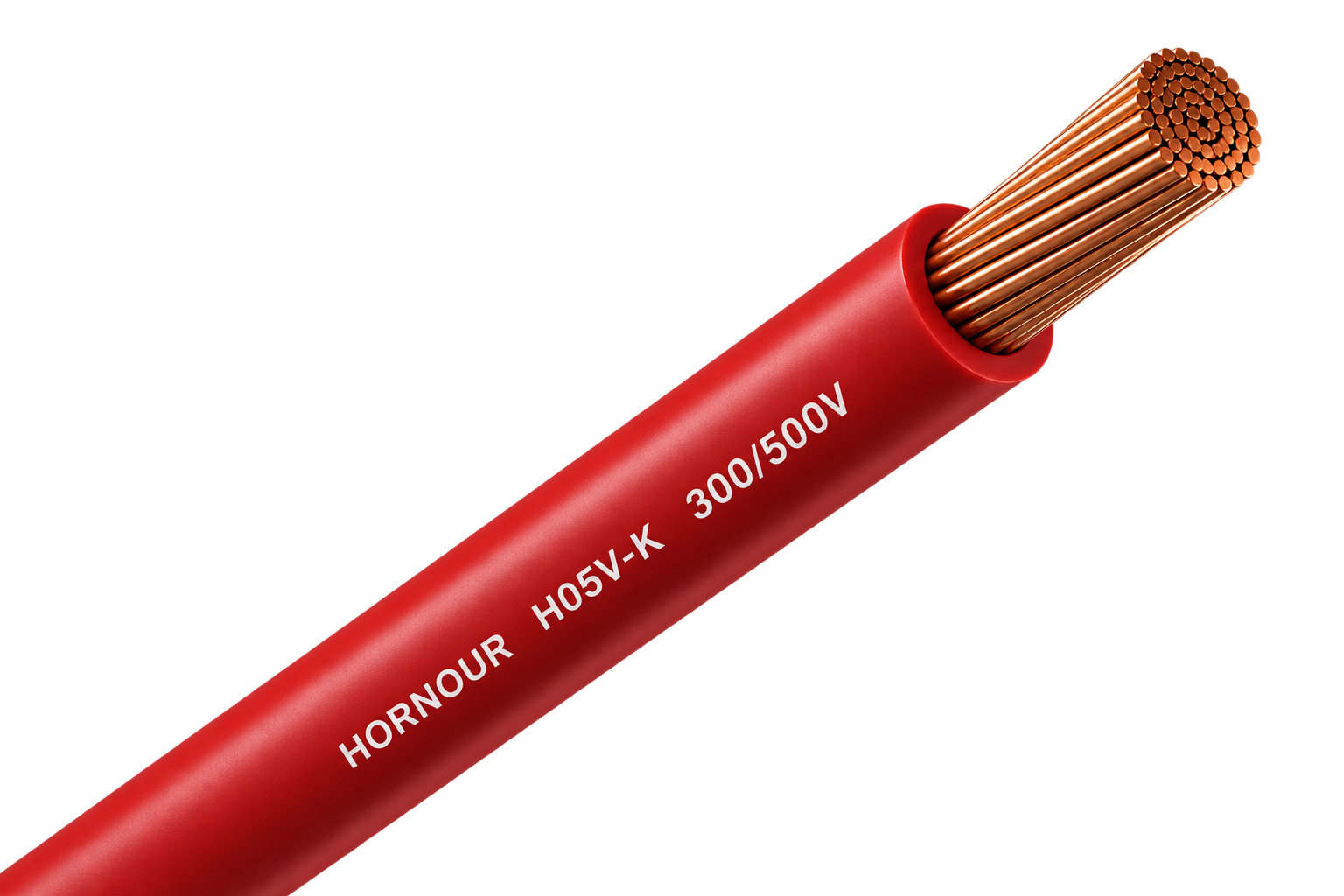
Flexible 300/500 V PVC wire for compact equipment, switchgear and control-panel connections.
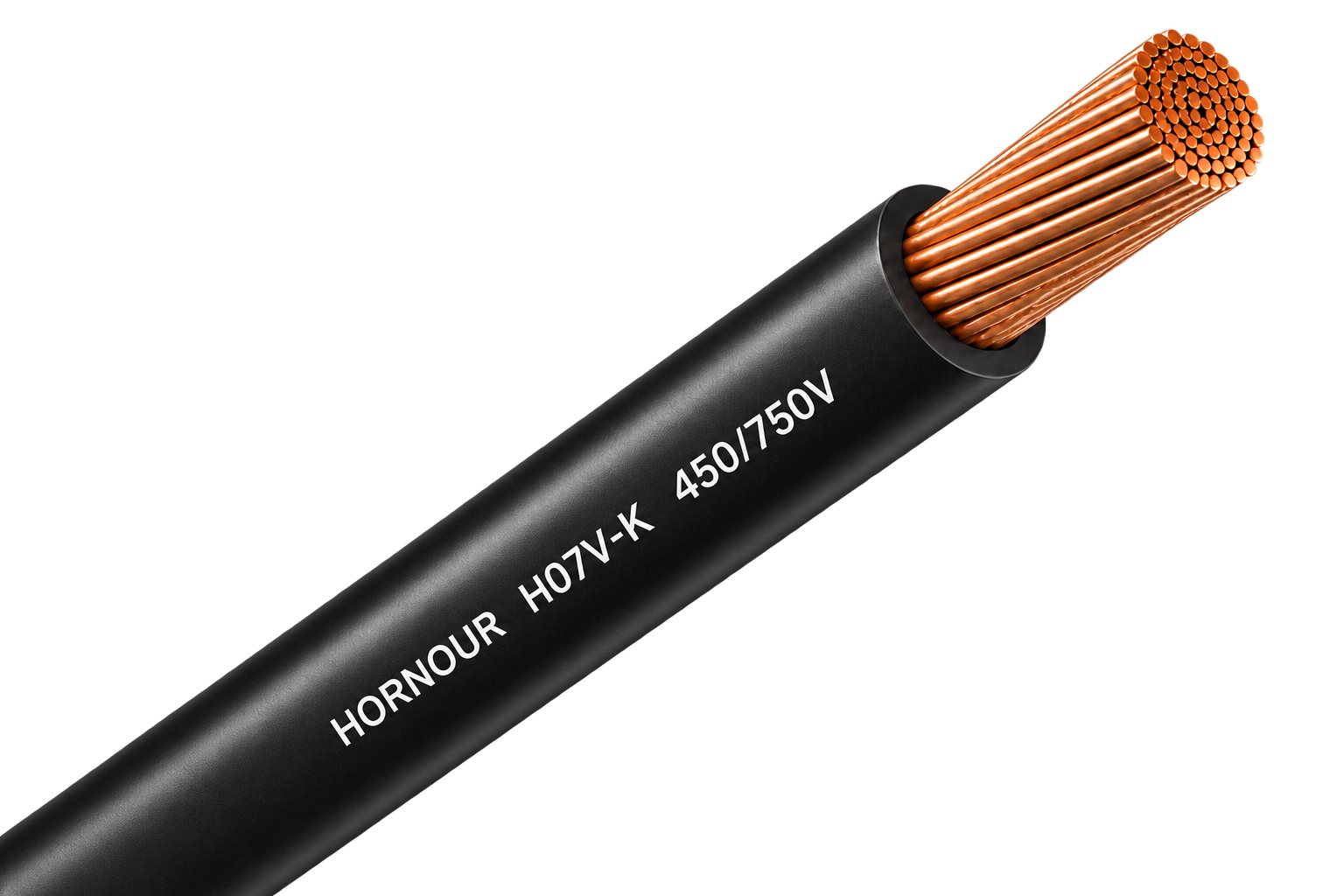
Flexible 450/750 V PVC wire for protected conduit, panel and grounding connections.
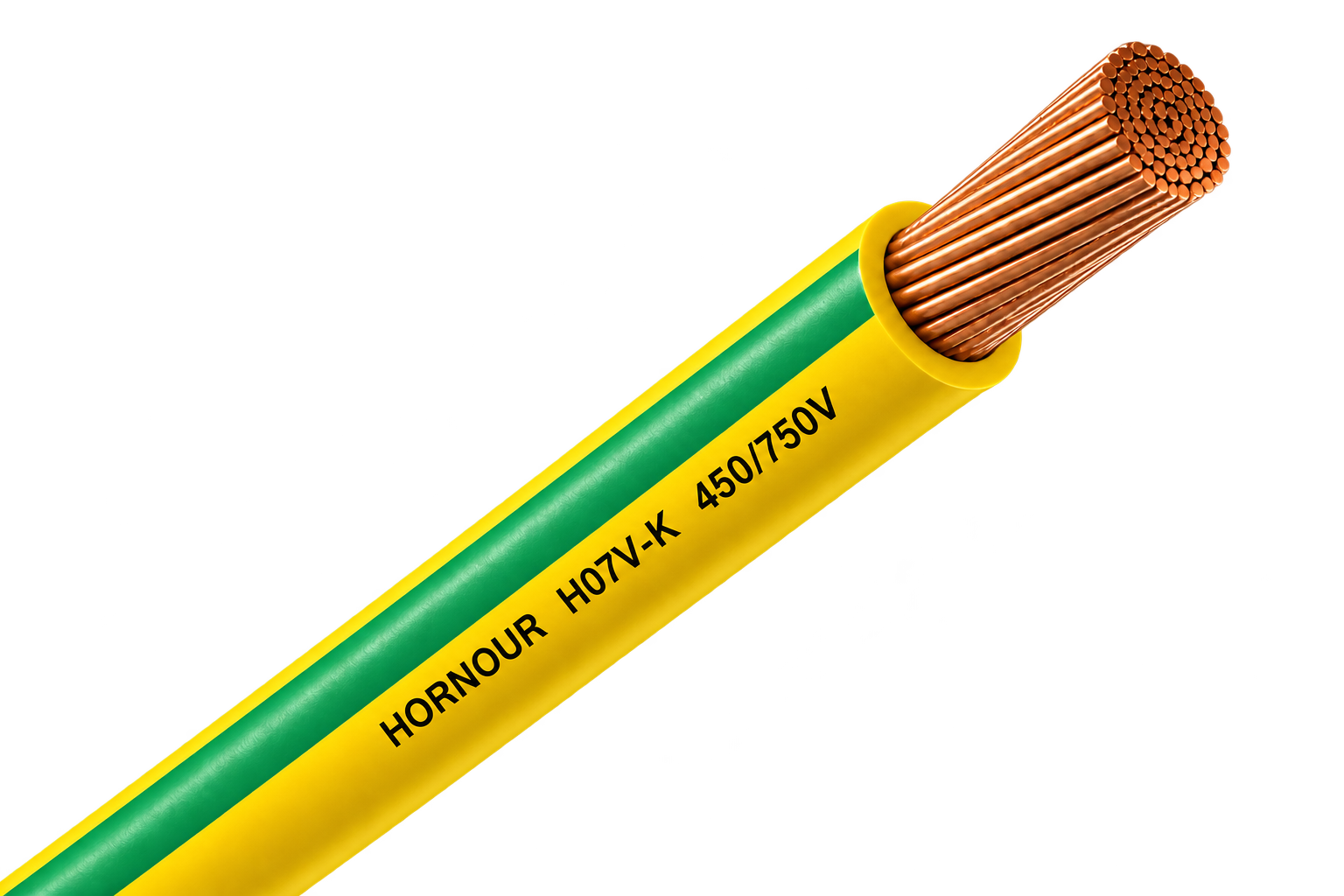
Green/yellow H07V-K Class 5 copper wire for protective-earth and equipotential-bonding connections in PV, ESS and electrical installations.
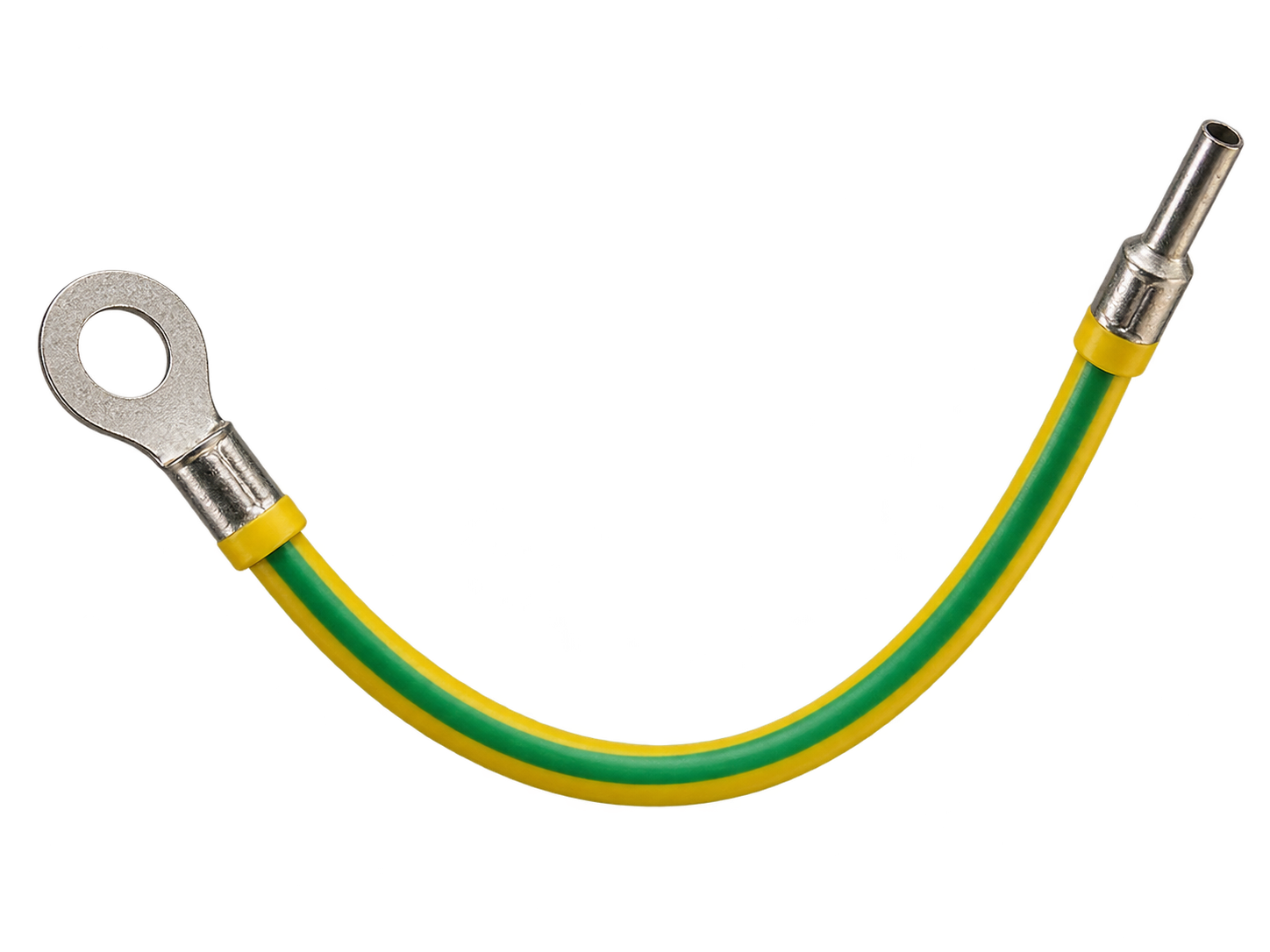
Green/yellow H07V-K grounding lead with factory-crimped ring / OT terminal for ready-to-install earthing and bonding connections.
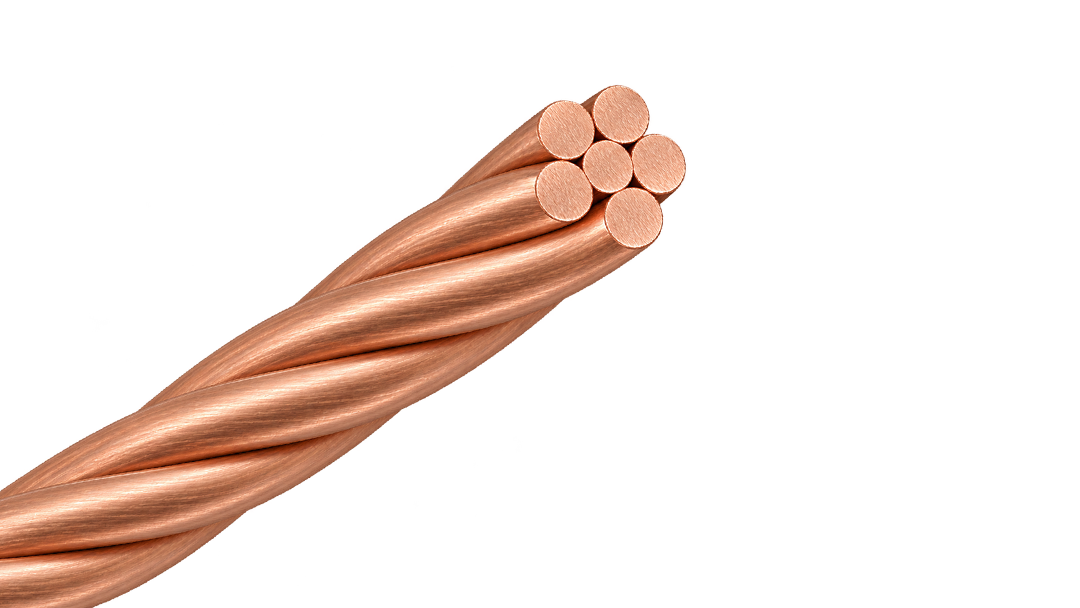
Bare Class 2 stranded copper conductor for earthing and equipotential bonding, available in 16–120 mm².
H1Z2Z2-K 1.5 kV DC solar cable with a nylon barrier beneath the outer sheath for PV routes that need a non-metallic physical defence against rodent damage.
H1Z2Z2-K 1.5 kV DC solar cable with external steel-wire armour for fixed PV routes exposed to severe rodent activity or mechanical damage.
H1Z2Z2-K 1.5 kV DC solar cable with a capsaicin-based rodent-deterrent sheath for PV routes where chemical protection is preferred over added armour.
Factory-terminated PV extension cable for controlled module, string and combiner-box connections.
Joined twin PV cable for orderly positive and negative string routing beneath solar modules.
Single-core PV cable for reliable DC wiring across rooftop and ground-mounted solar arrays.
Green/yellow H07V-K Class 5 copper wire for protective-earth and equipotential-bonding connections in PV, ESS and electrical installations.
Green/yellow H07V-K grounding lead with factory-crimped ring / OT terminal for ready-to-install earthing and bonding connections.
Bare Class 2 stranded copper conductor for earthing and equipotential bonding, available in 16–120 mm².
PVC-sheathed 300/500 V cable for fixed power and lighting circuits inside buildings and panels.
Solid 450/750 V PVC wire for stable fixed circuits in protected conduit and building installations.
Class 2 stranded 300/500 V PVC wire for fixed equipment and panel routes needing moderate flexibility.
Solid 300/500 V PVC wire for simple, stable fixed connections inside protected equipment and conduit.
Class 2 stranded 450/750 V PVC wire for protected fixed routes requiring easier pulling and forming.
300/500 V PVC-sheathed cable for fixed surface and flush-mounted installations in Finnish building wiring.
Flexible 300/500 V PVC wire for compact equipment, switchgear and control-panel connections.
Flexible 450/750 V PVC wire for protected conduit, panel and grounding connections.
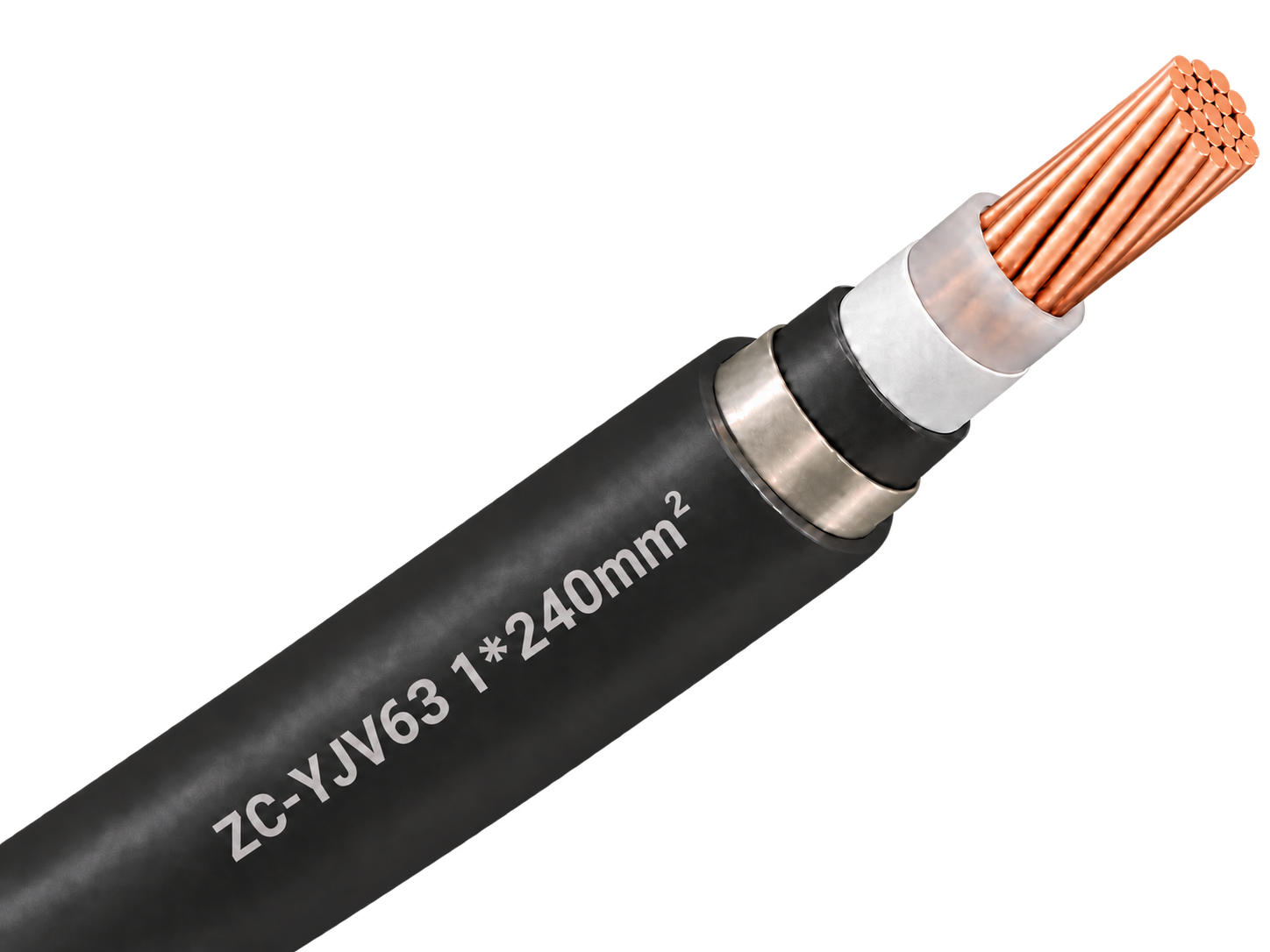
Single-core 1.8/3 kV copper XLPE cable with non-magnetic stainless-steel tape armour, PVC sheath and Category C flame-retardant construction for protected fixed power routes.
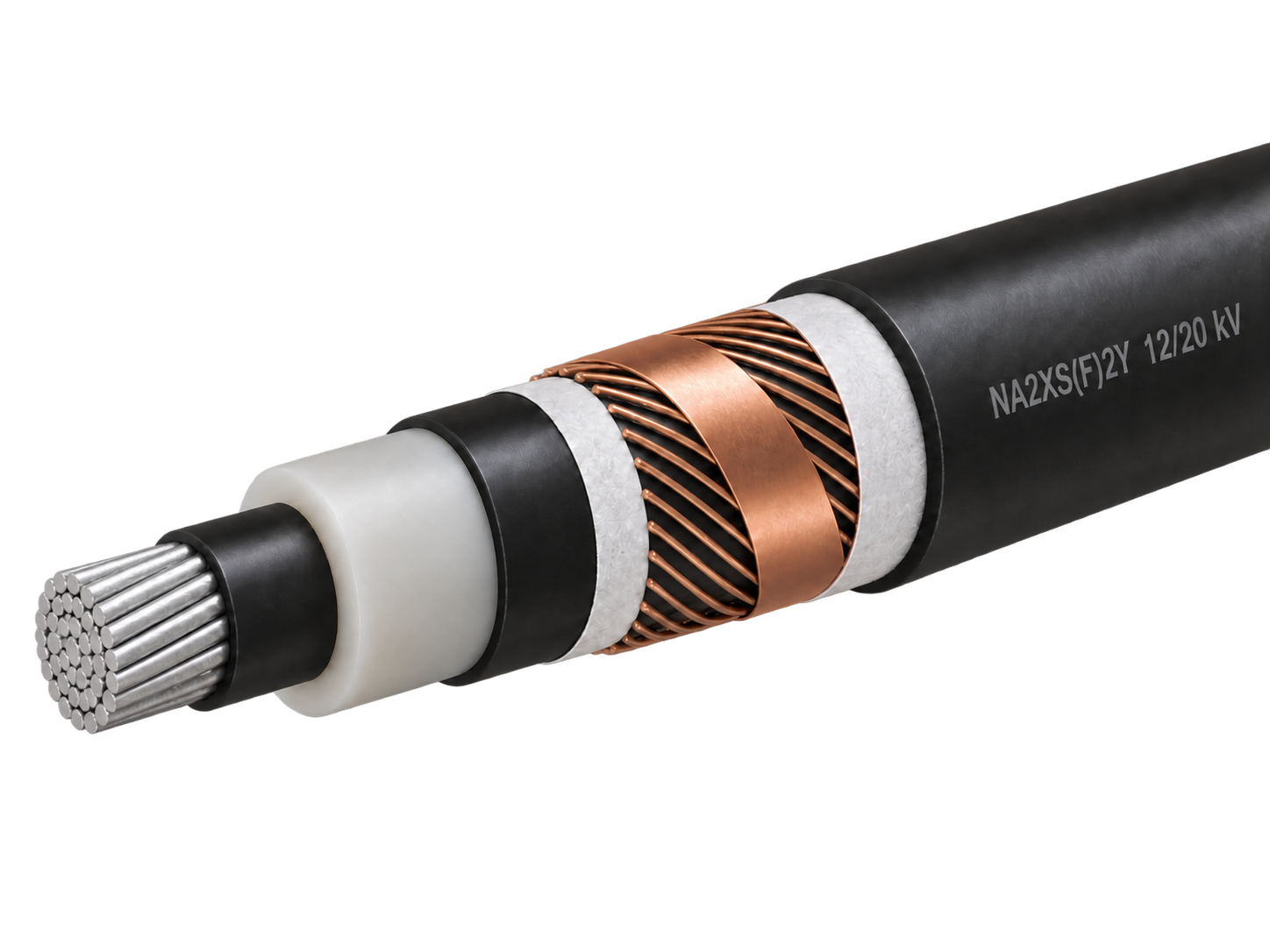
Aluminium XLPE medium-voltage cable with longitudinal water blocking for fixed distribution networks.
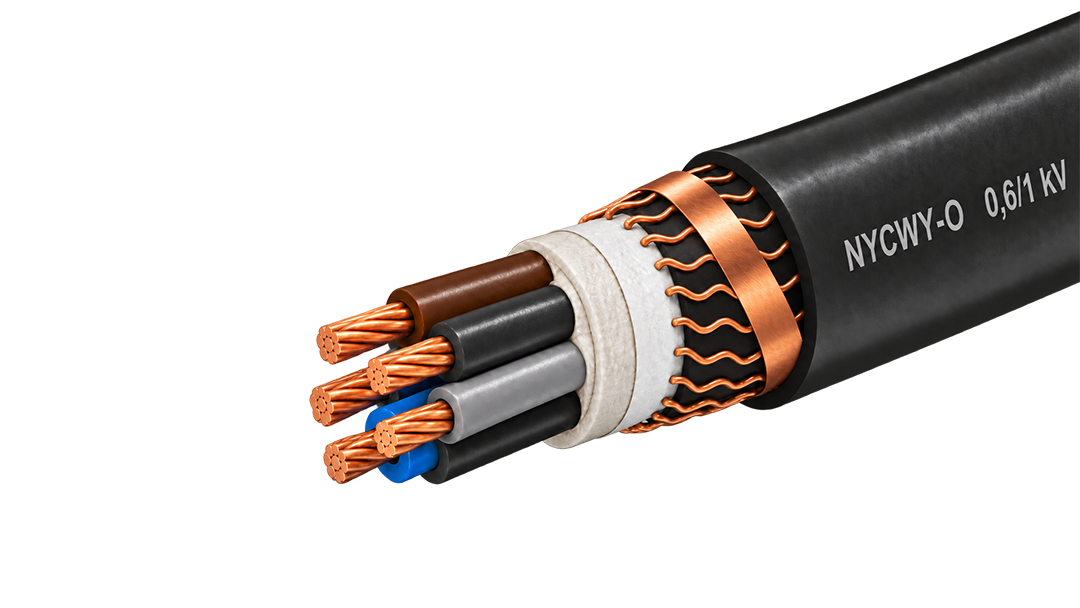
0.6/1 kV copper cable with a wave-laid concentric conductor for fixed distribution and service routes.
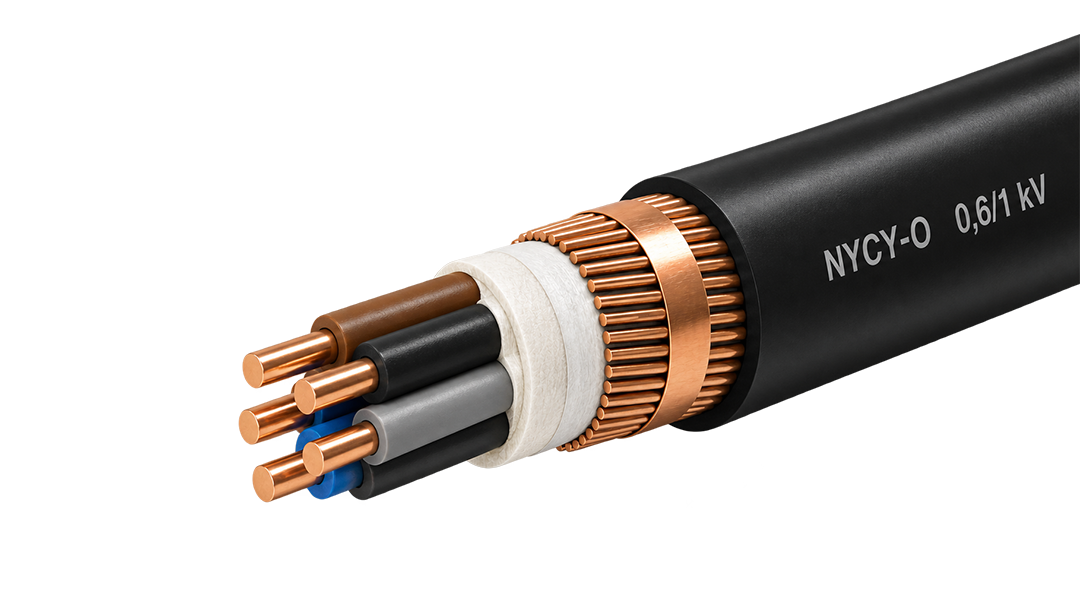
0.6/1 kV copper power cable with a concentric copper layer for service and distribution circuits.
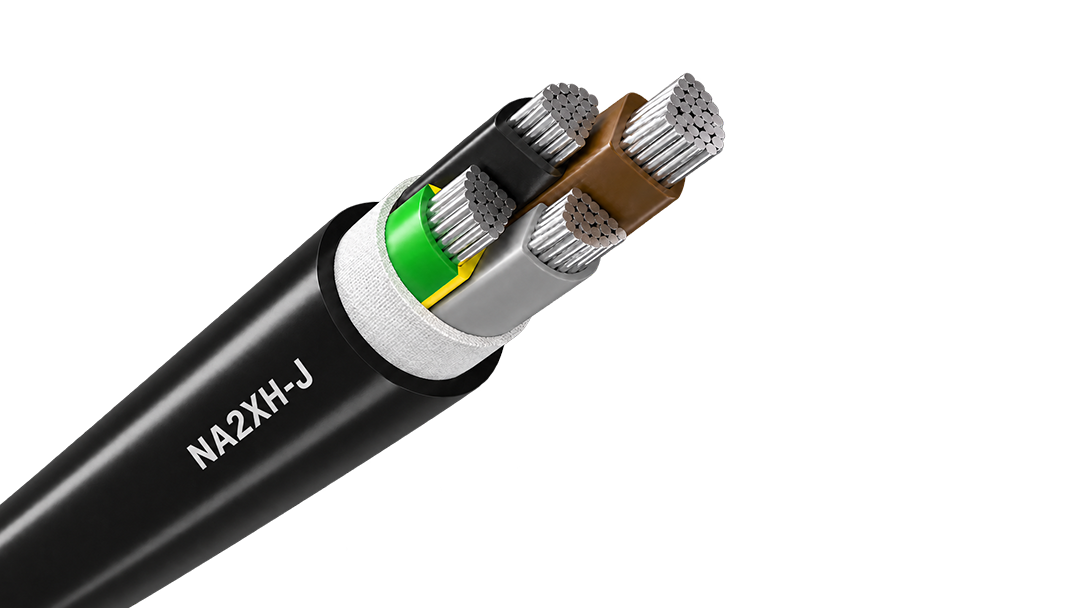
Aluminium halogen-free 0.6/1 kV cable for fire-conscious fixed distribution and long feeders.
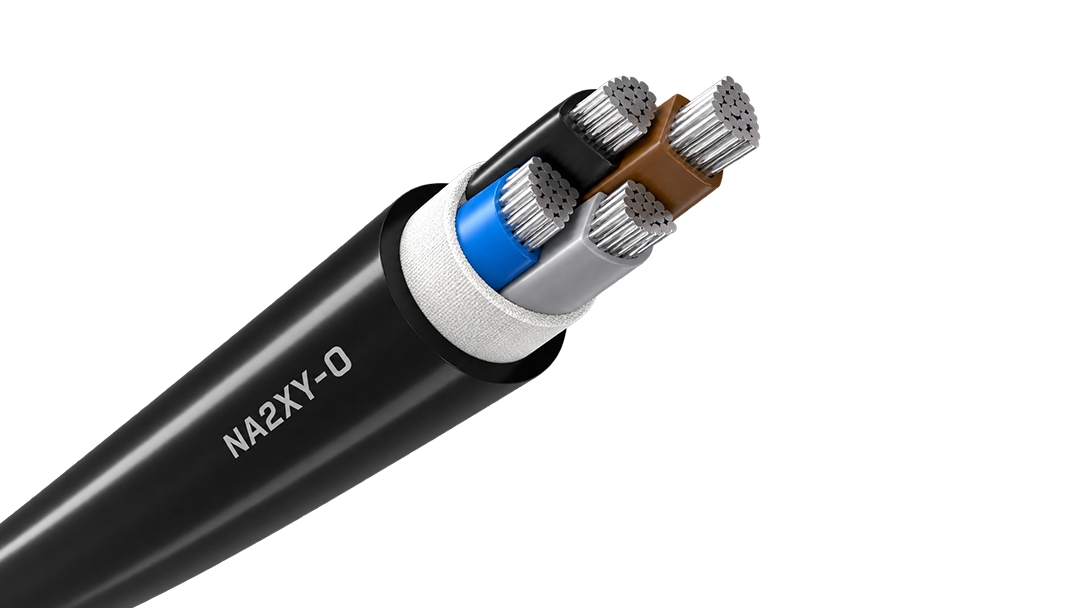
Aluminium XLPE power cable for economical fixed distribution, available in 0.6/1 kV and 1.8/3 kV constructions for long outdoor and buried routes.
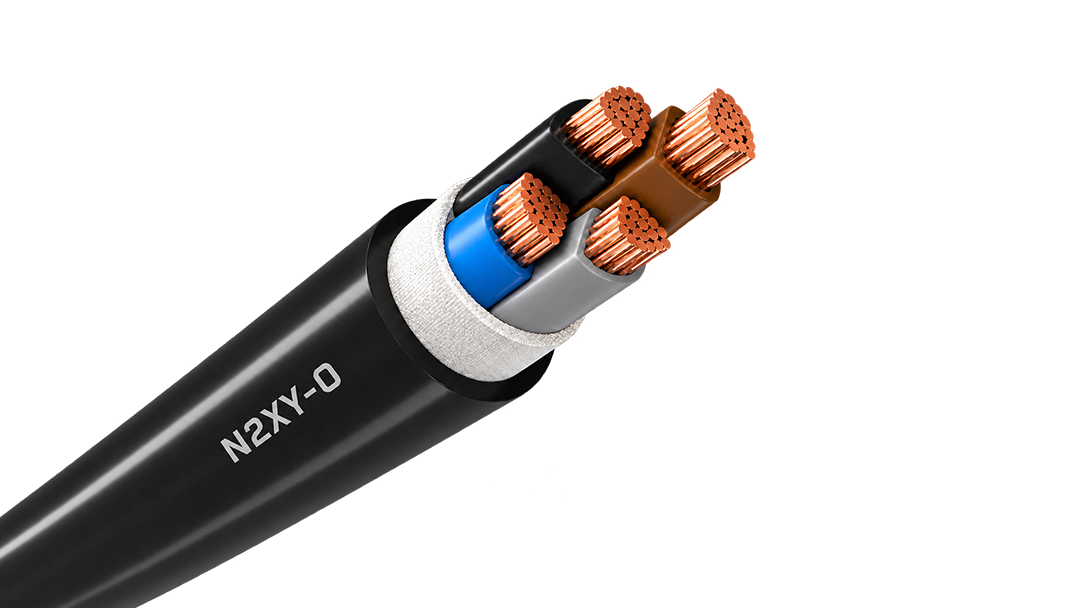
Copper XLPE 0.6/1 kV cable for demanding fixed feeders, outdoor routes and power distribution.
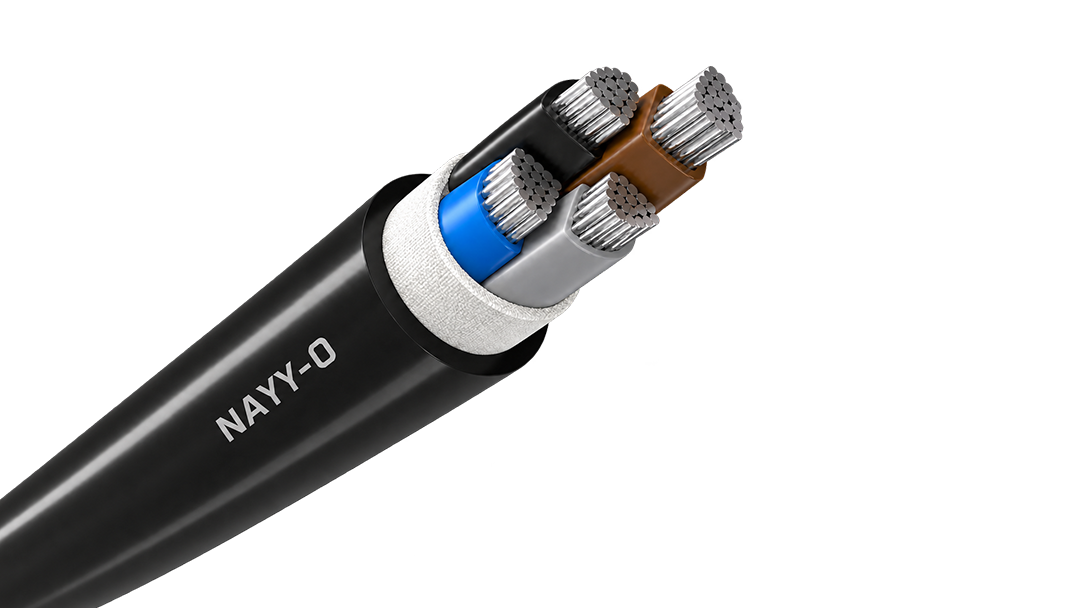
Aluminium 0.6/1 kV PVC cable for cost-conscious fixed distribution and long feeder routes.
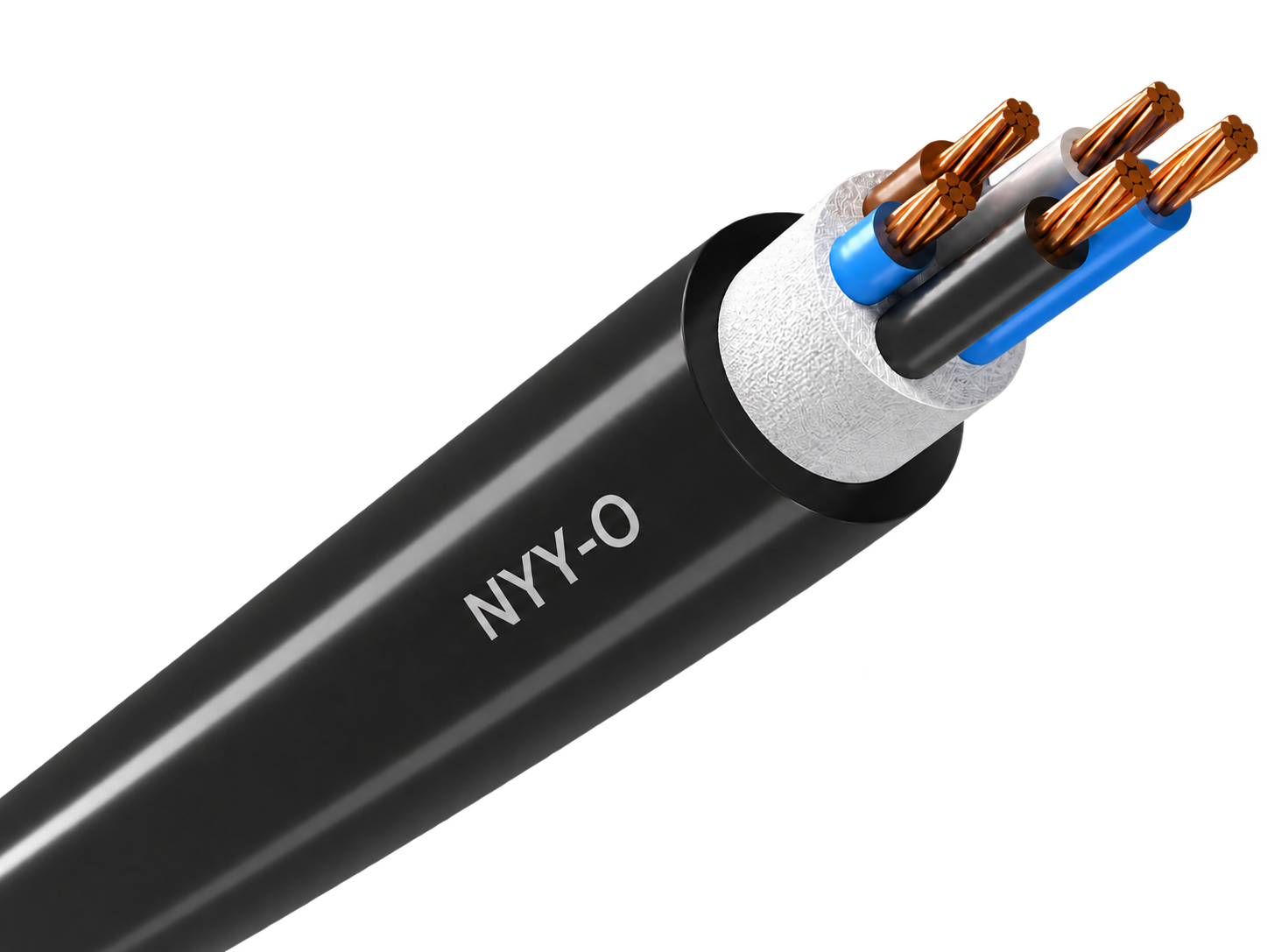
Robust 0.6/1 kV copper cable for economical fixed power distribution indoors, outdoors and underground.
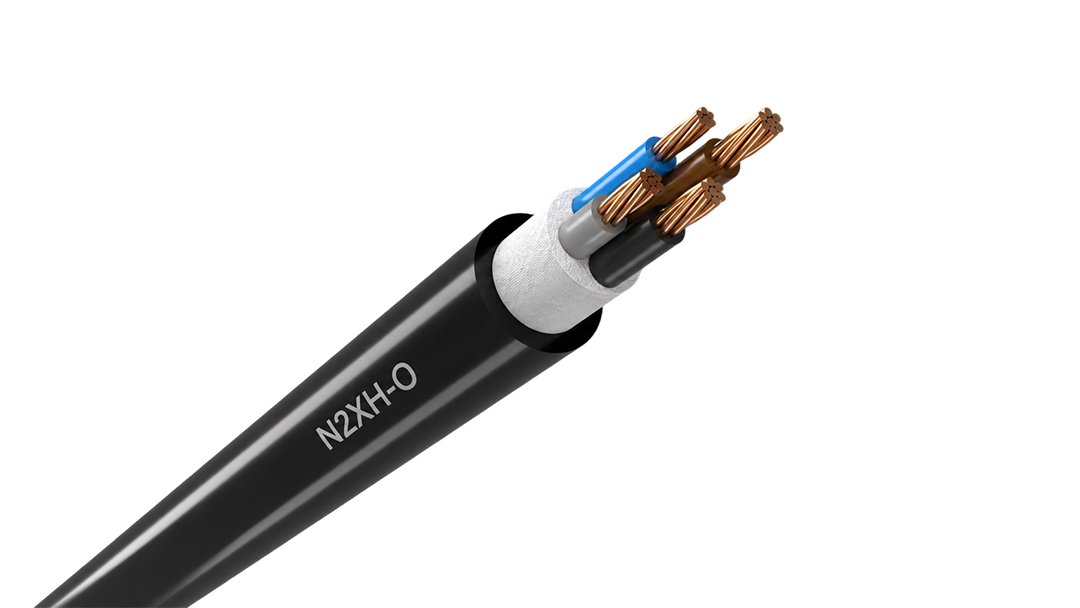
Low-smoke halogen-free 0.6/1 kV cable for fixed distribution in occupied and critical buildings.

hot search


The choice depends on more than voltage and conductor size. NYY/NAYY use PVC insulation and sheath for conventional fixed distribution. N2XY/NA2XY use XLPE insulation where the feeder requires a higher-temperature insulation system, while N2XH/NA2XH combine XLPE insulation with a low-smoke, halogen-free sheath for routes with additional fire and smoke requirements.
Copper or aluminium, installation environment, fire requirement, operating temperature and equipment interface should therefore be considered together rather than selecting the cable by model name alone.
Two cables are equivalent only when the characteristics that affect the project also match. The same voltage rating and conductor size are not enough: conductor material and class, core arrangement, insulation, sheath, fire behaviour, installation conditions, standards and relevant dimensions all need to be compared.
For example, NYY, N2XY and N2XH can all exist in the 0.6/1 kV class but use different material systems and are not automatically interchangeable. A cross-brand equivalent should therefore be checked against the original designation, datasheet or project specification rather than the model name alone.
Aluminium is often attractive on long routes and larger feeders because it can reduce conductor cost and cable weight, but it is not normally a size-for-size replacement for copper.
Current, route length, voltage drop and installation conditions may require a larger aluminium cross-section. The resulting cable diameter, bend space and equipment-entry requirements can also change, and the termination system must be suitable for aluminium.
The comparison should therefore be made at feeder-system level rather than by conductor price per metre alone.
Conductor size has to satisfy the complete electrical duty, not only normal operating current. Route length and voltage drop can require a larger conductor even when basic current capacity is sufficient, while installation conditions affect the allowable loading of the cable.
The cable construction also defines its thermal limits. For example, the current N2XY technical data specifies a +90°C permissible conductor operating temperature and a +250°C short-circuit conductor temperature for up to 5 seconds.
Final sizing should therefore combine load, voltage-drop, installation and project short-circuit calculations with the limits of the selected cable construction.
Sometimes, but only when every section remains within the cable’s installation and performance limits.
Several HORNOUR power-cable constructions are suitable for fixed outdoor, ducted or engineered underground routes. This does not mean an unarmoured cable can be placed in every underground environment without additional protection. Where excavation, impact or other mechanical risk exists, the route still requires suitable mechanical protection.
A route entering a building may also introduce different fire requirements. The complete route should therefore be reviewed by installation zone instead of assuming one outdoor or underground rating covers every section.
A -J version includes a green/yellow protective conductor, while an -O version does not. This changes the core arrangement and affects how the protective-earth path is provided in the circuit.
NYCY and NYCWY add a concentric copper conductor around the insulated cores. That layer should not automatically be treated as PE, neutral or another circuit conductor simply because it is present. Its electrical function must follow the circuit design and applicable installation rules.
The required earthing or neutral arrangement should therefore be defined before the cable variant is selected.
The cable must physically and electrically match the equipment it connects to. Relevant information includes conductor material, accepted conductor-size range, number and arrangement of conductors, cable outside diameter, available cable-entry and bend space, and the required PE or neutral arrangement.
This becomes particularly important when replacing copper with aluminium or changing cable construction. HORNOUR’s aluminium cable data specifically notes that lugs and equipment terminals must suit aluminium, while the larger cable dimensions can affect entry and termination space.
A technically suitable feeder can therefore still be a poor match if the equipment interface was designed around a different cable.
Parallel cables should be selected so that the parallel paths have compatible electrical and installation conditions. Conductor material, cross-section, cable construction, route length and termination arrangement normally need to be coordinated so that the paths have comparable impedance and share current as intended.
The installation arrangement also affects cable loading, so grouping and thermal conditions must be included in the feeder calculation rather than dividing the total current by the number of cables.
V3.6 does not define a HORNOUR-specific parallel-feeder rule; the final parallel arrangement therefore remains a project-design calculation based on the actual circuit and installation conditions.
Medium-voltage matching goes beyond voltage class and conductor size. NA2XS(F)2Y uses an aluminium conductor, XLPE insulation, semiconductive screens, a copper-wire metallic screen, longitudinal water blocking and a PE outer sheath, with versions from 6/10 kV to 18/30 kV.
Joints and terminations must match the actual insulation diameter, conductor size, screen construction and final cable dimensions. The accessory manufacturer should confirm compatibility with that exact cable construction.
Route conditions and the project’s metallic-screen earthing or bonding arrangement also need to be defined at system-design level rather than inferred from the cable designation alone.