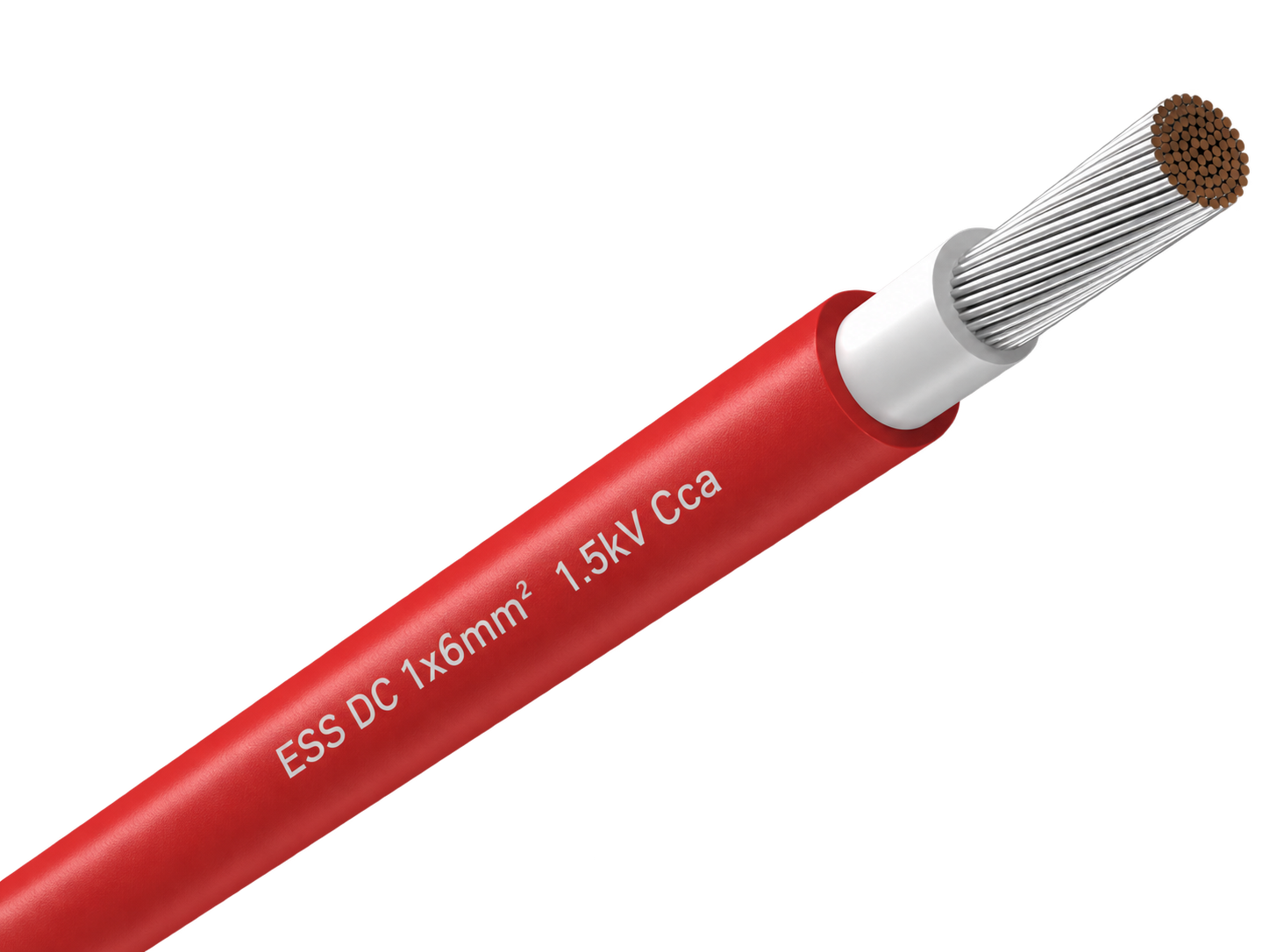
H1Z2Z2-K Nylon-Barrier Rodent-Resistant Solar Cable
H1Z2Z2-K 1.5 kV DC solar cable with a nylon barrier beneath the outer sheath for PV routes that need a non-metallic physical defence against rodent damage.

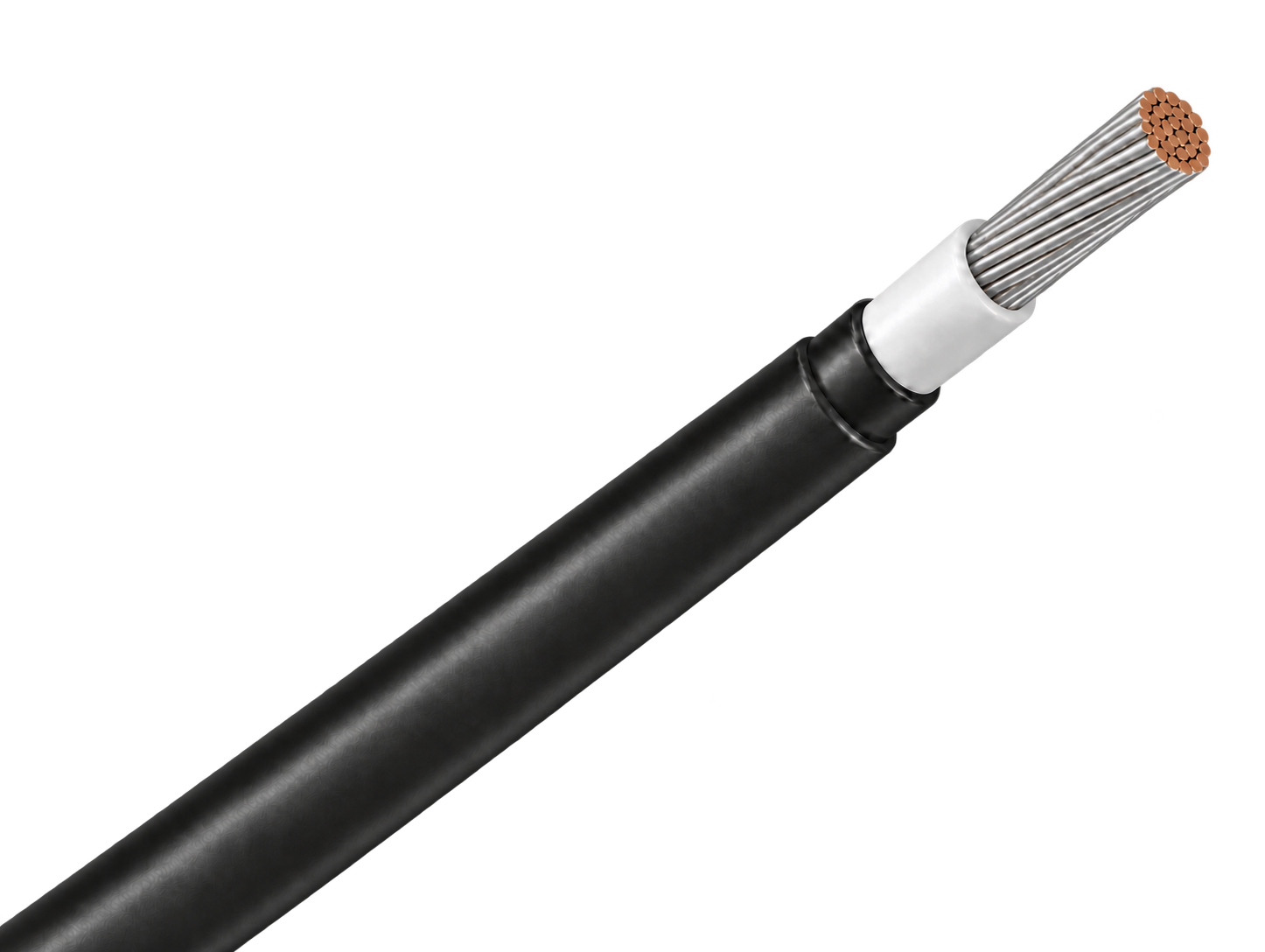
H1Z2Z2-K 1.5 kV DC solar cable with a nylon barrier beneath the outer sheath for PV routes that need a non-metallic physical defence against rodent damage.
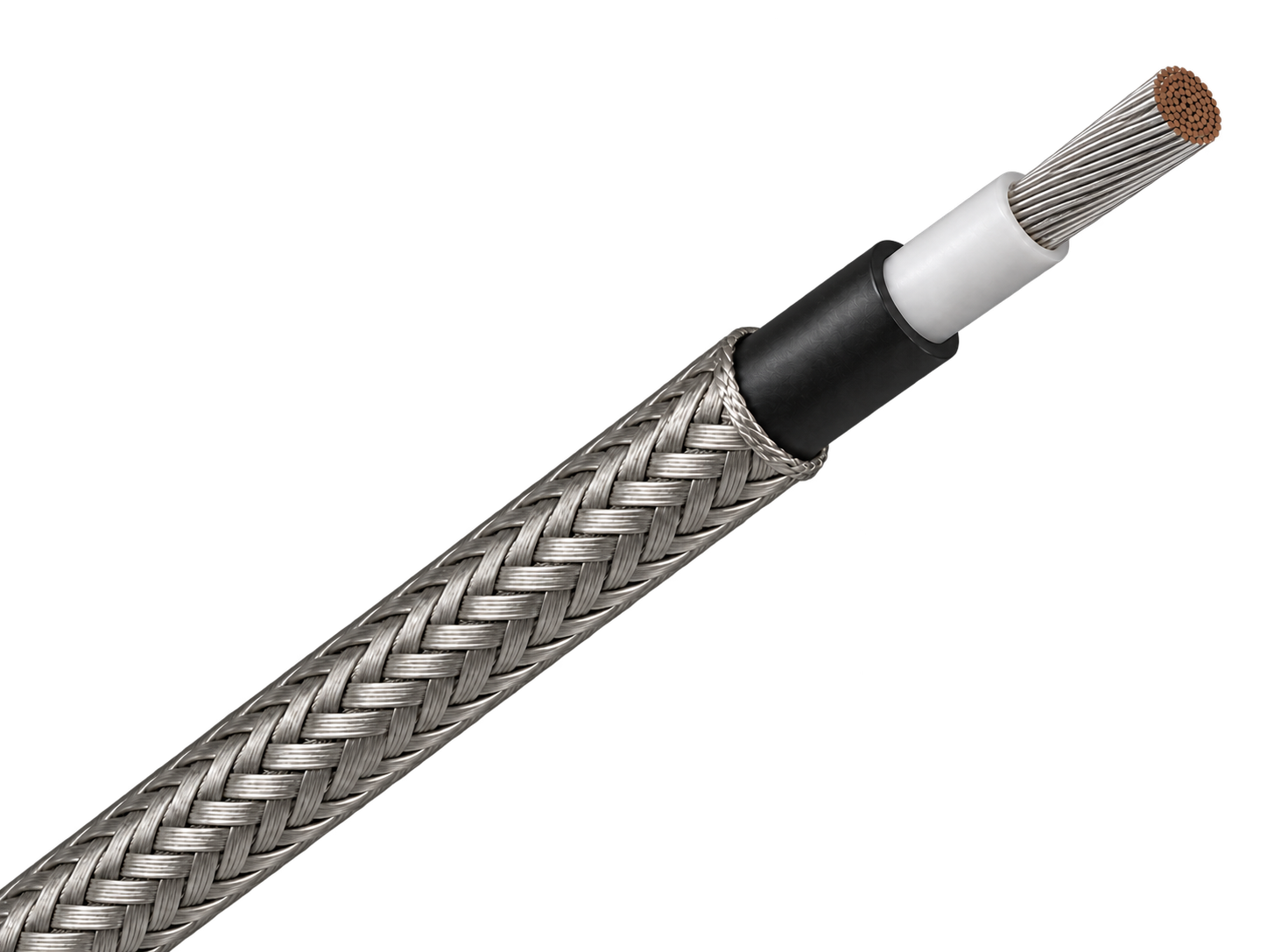
H1Z2Z2-K 1.5 kV DC solar cable with external steel-wire armour for fixed PV routes exposed to severe rodent activity or mechanical damage.
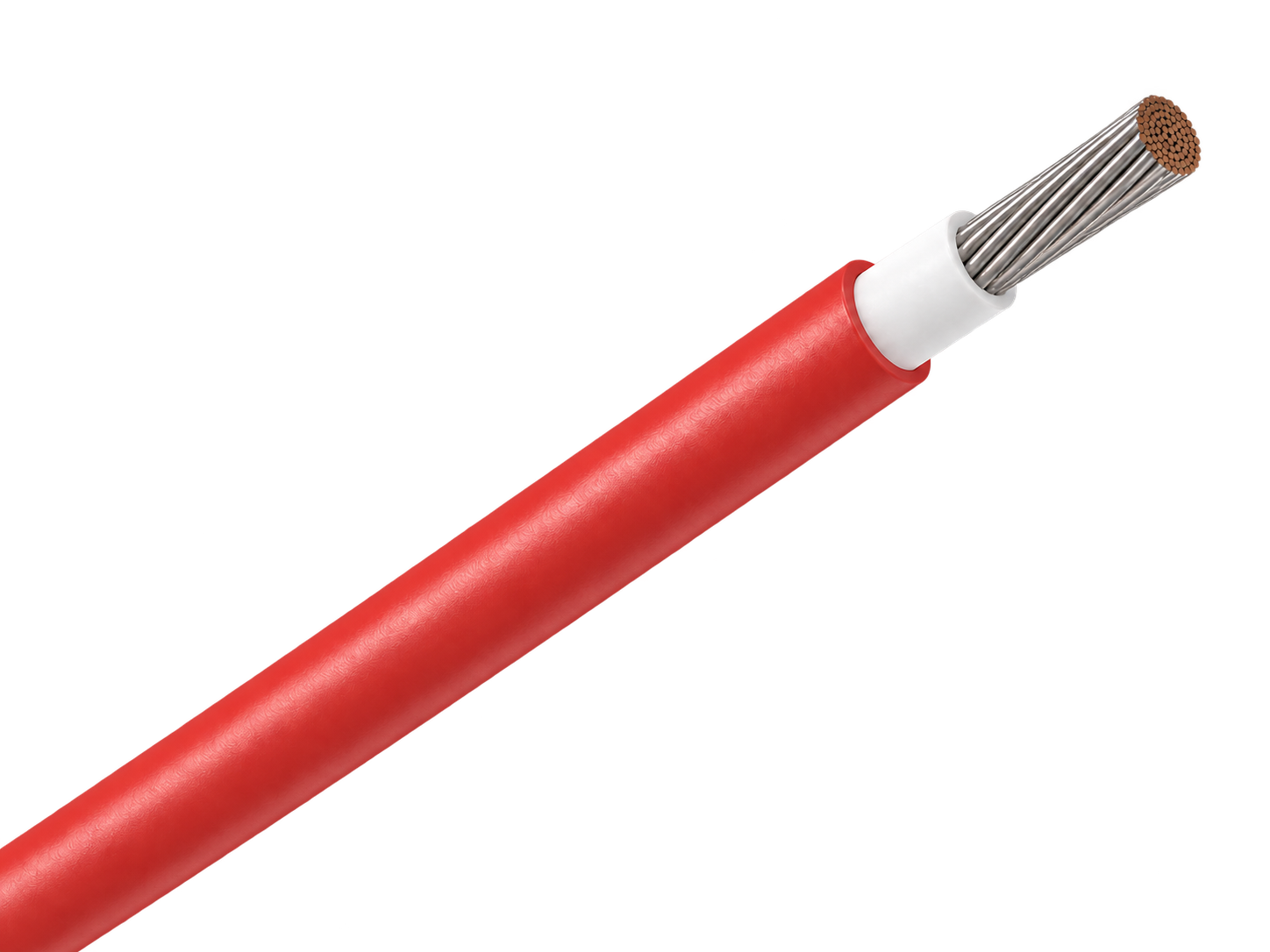
H1Z2Z2-K 1.5 kV DC solar cable with a capsaicin-based rodent-deterrent sheath for PV routes where chemical protection is preferred over added armour.
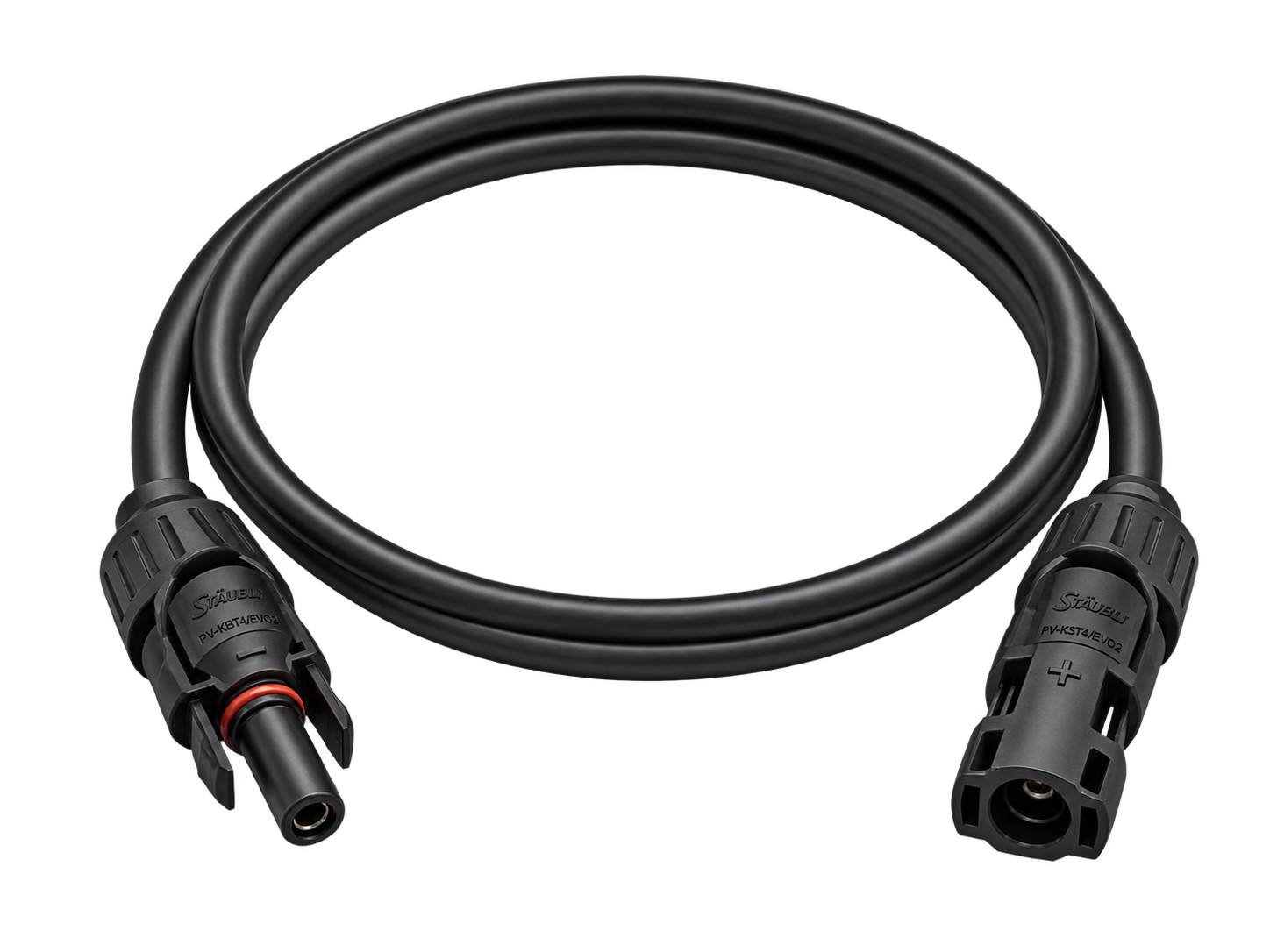
Factory-terminated PV extension cable for controlled module, string and combiner-box connections.
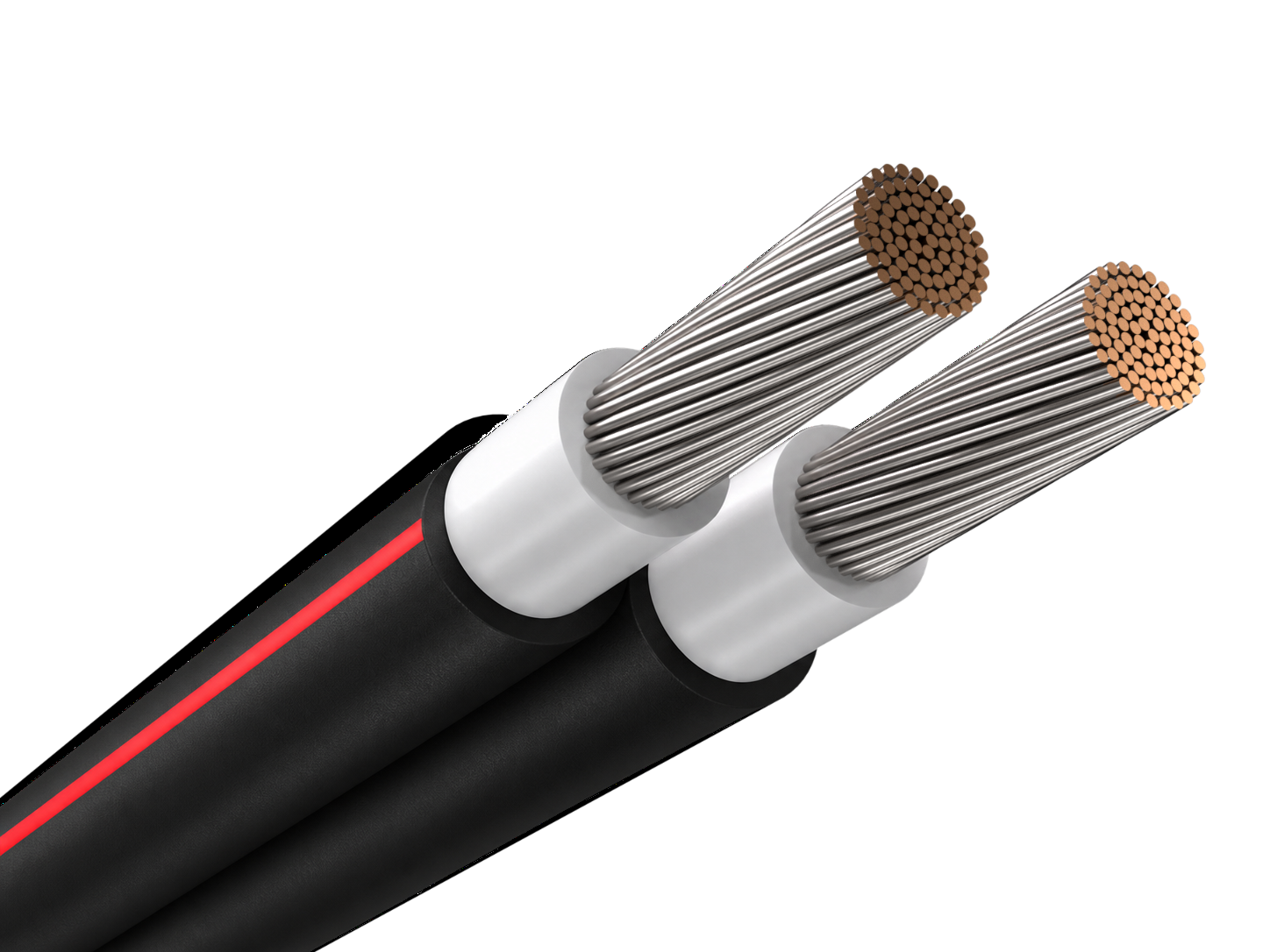
Joined twin PV cable for orderly positive and negative string routing beneath solar modules.
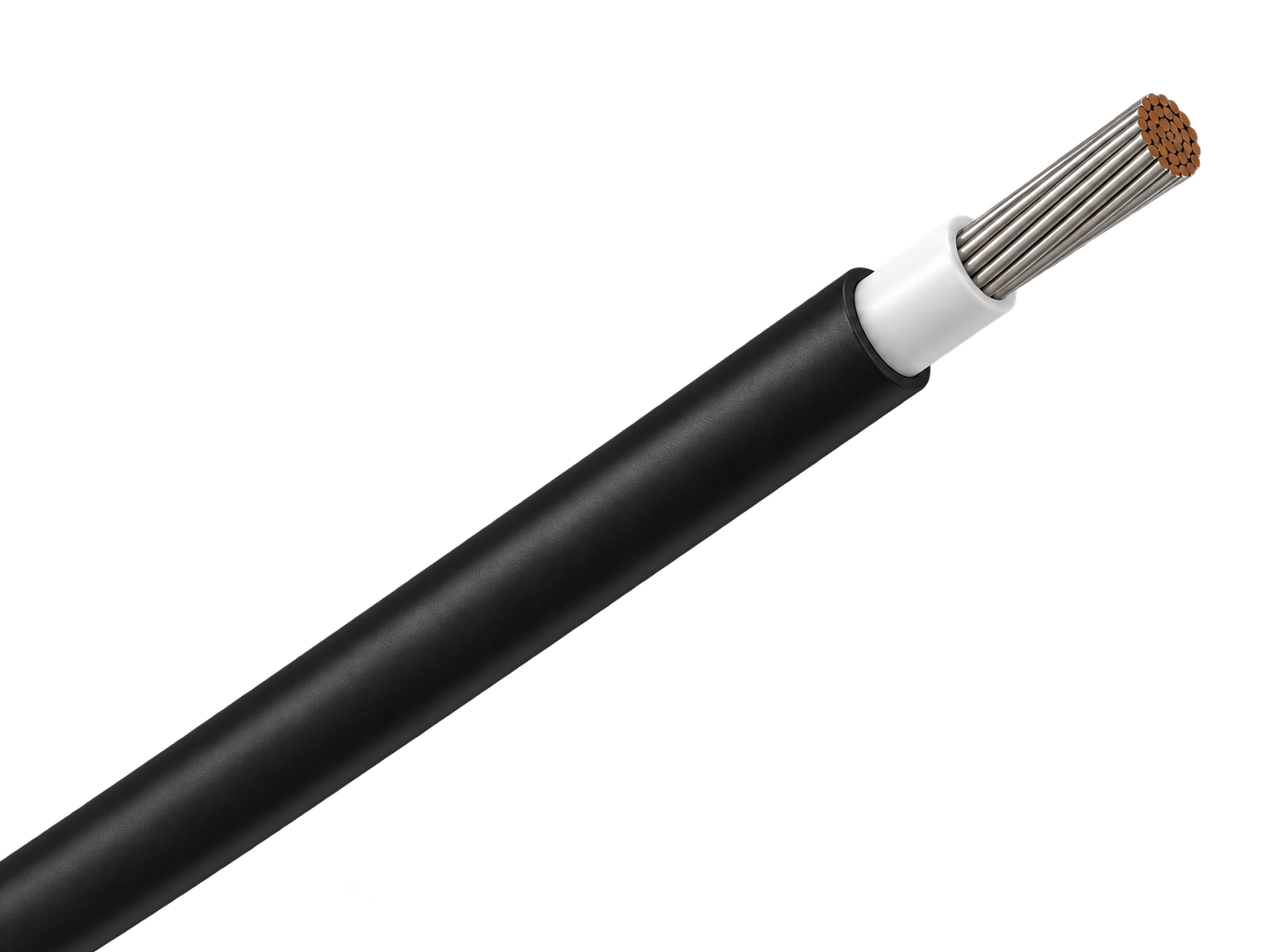
Single-core PV cable for reliable DC wiring across rooftop and ground-mounted solar arrays.
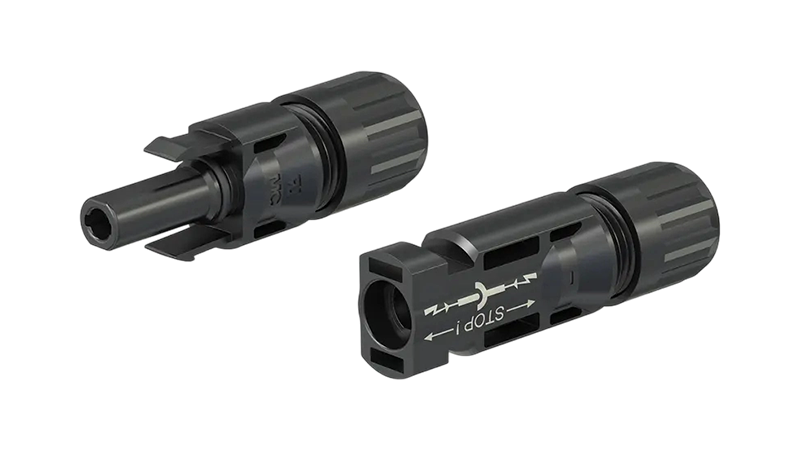
Original 4 mm DC PV connector for field-assembled module, string and extension-cable connections.
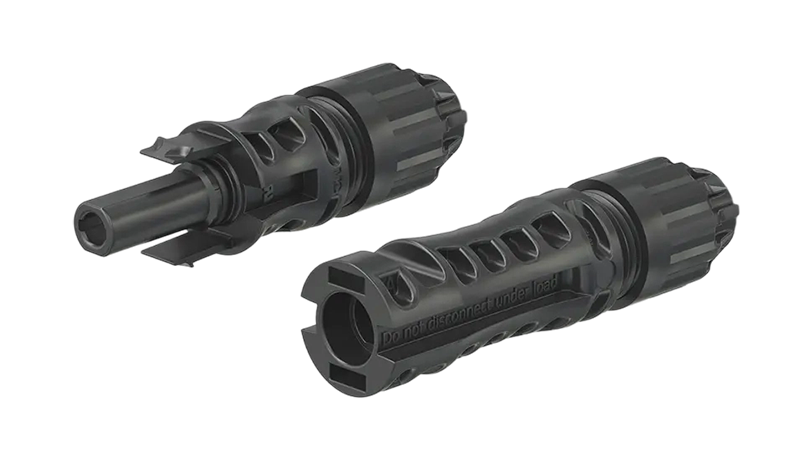
1500 V DC Original Stäubli PV connector for high-current string, extension and equipment connections.
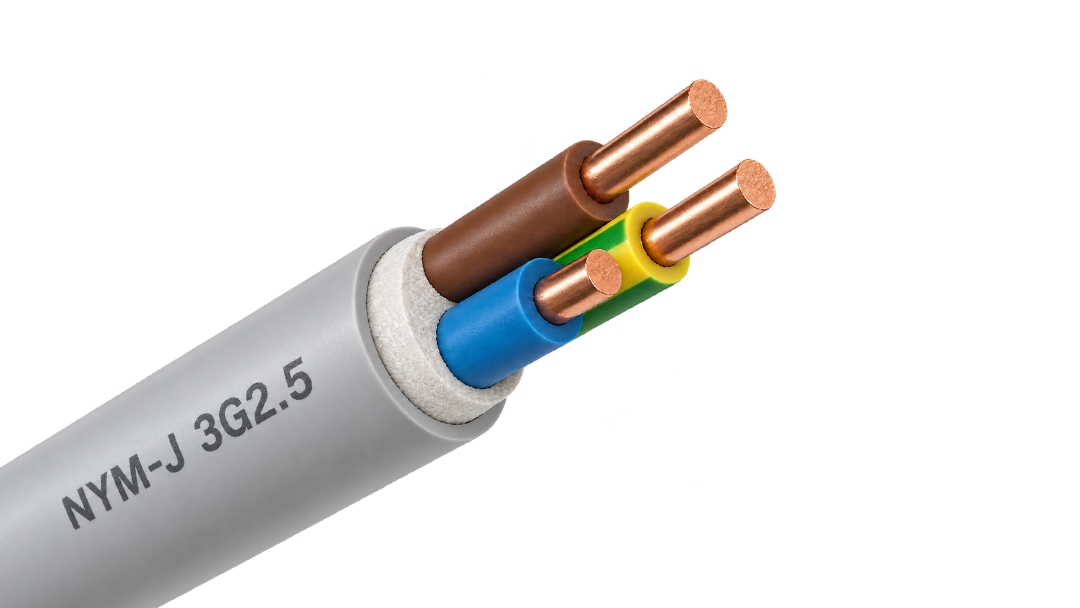
PVC-sheathed 300/500 V cable for fixed power and lighting circuits inside buildings and panels.
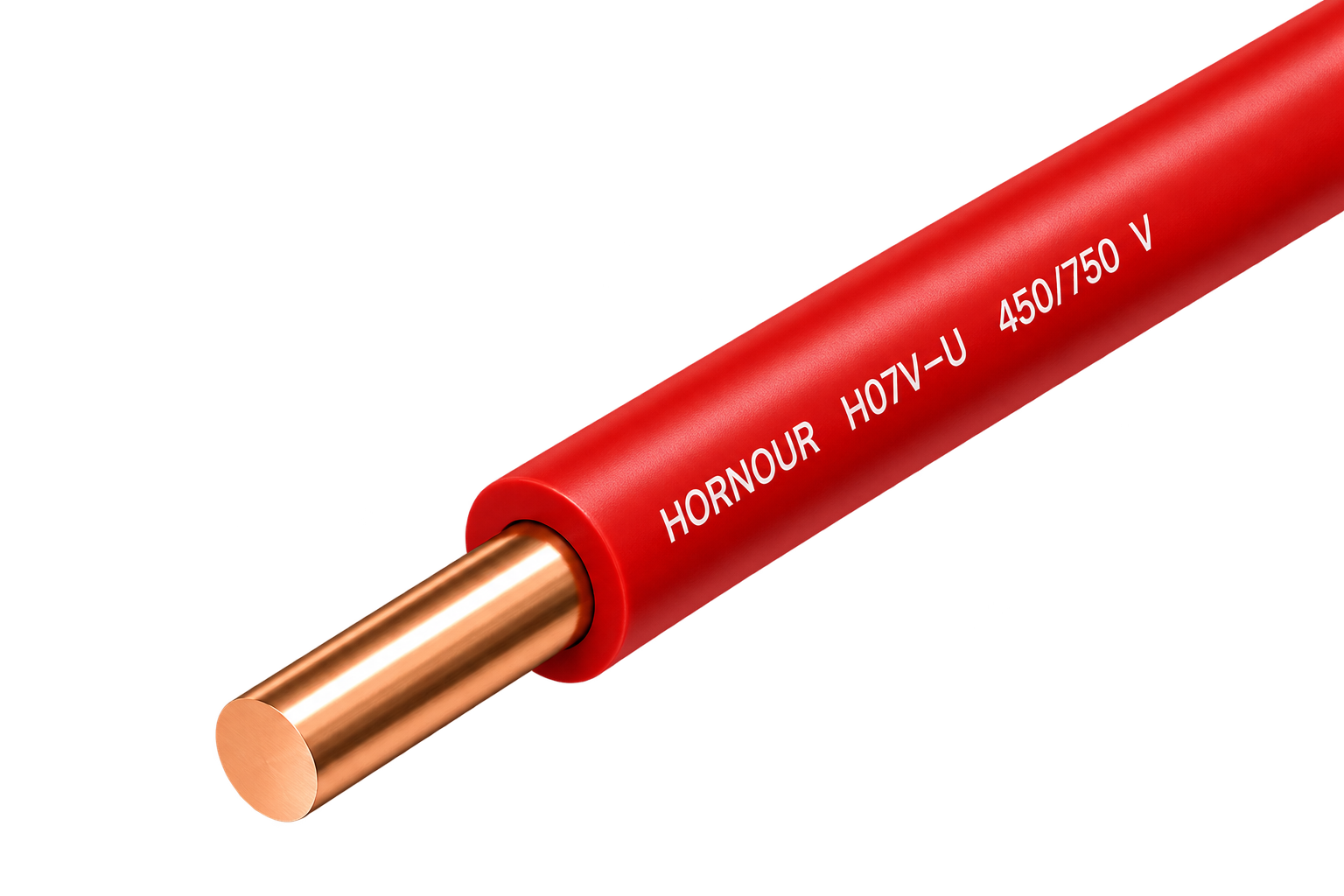
Solid 450/750 V PVC wire for stable fixed circuits in protected conduit and building installations.
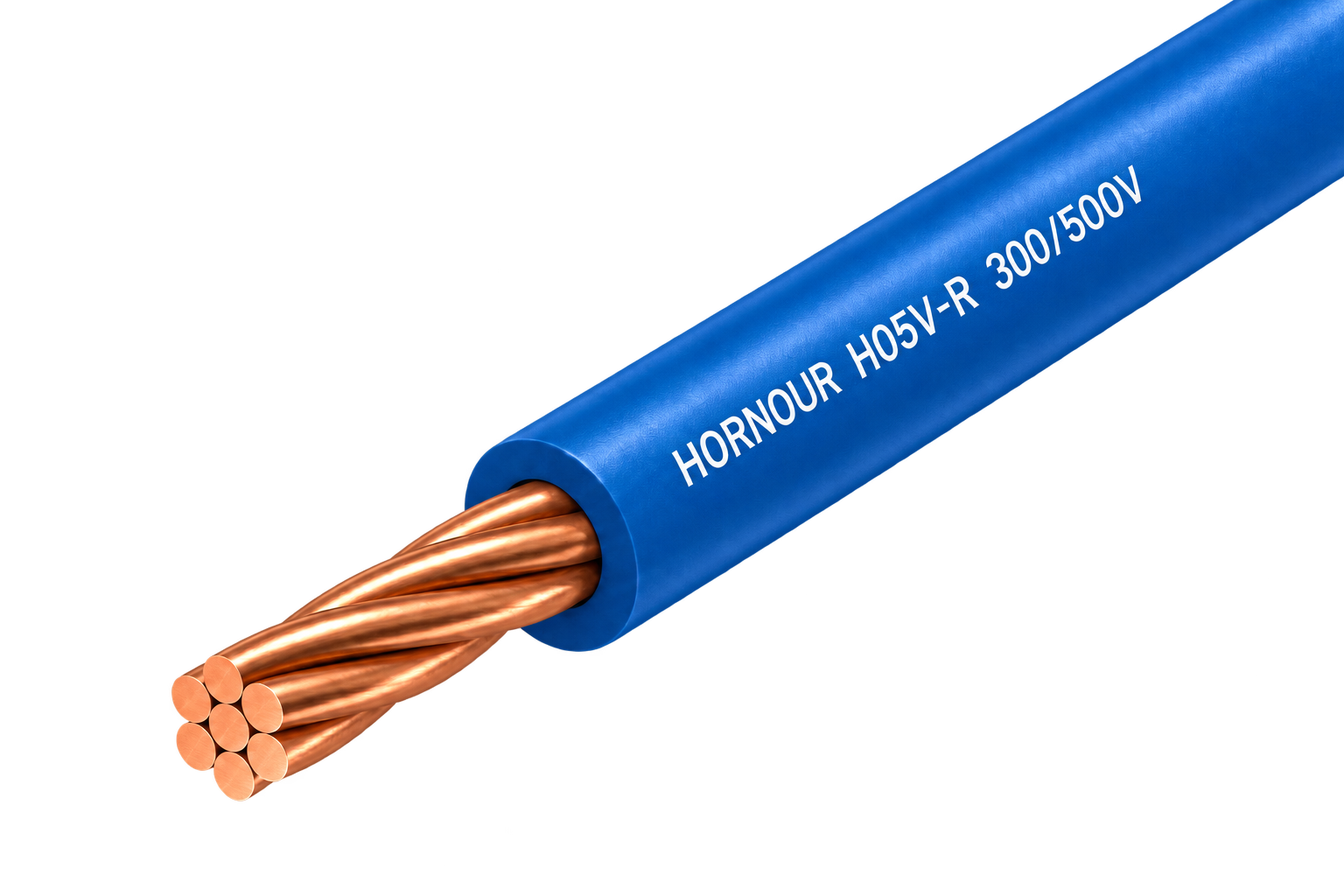
Class 2 stranded 300/500 V PVC wire for fixed equipment and panel routes needing moderate flexibility.
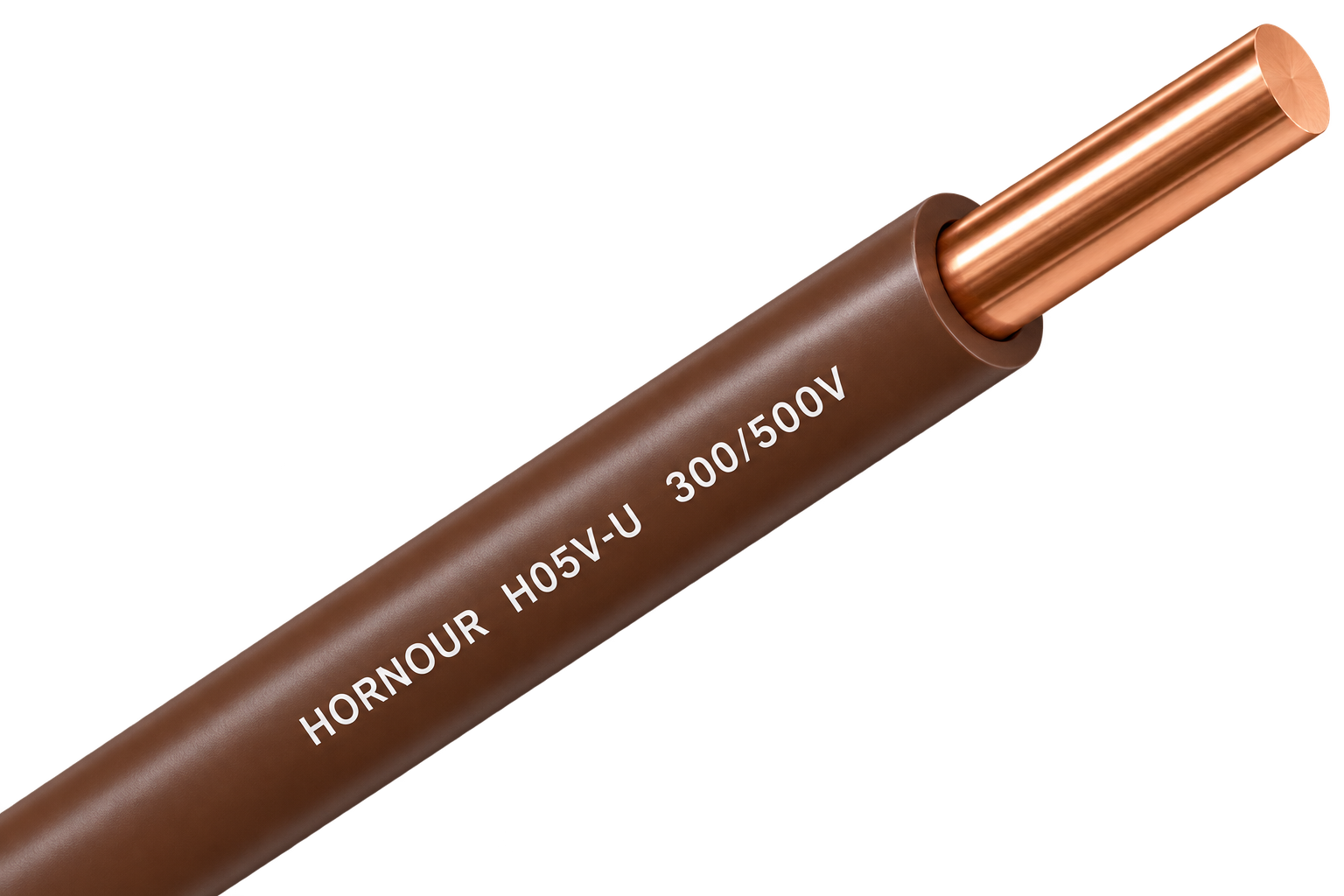
Solid 300/500 V PVC wire for simple, stable fixed connections inside protected equipment and conduit.
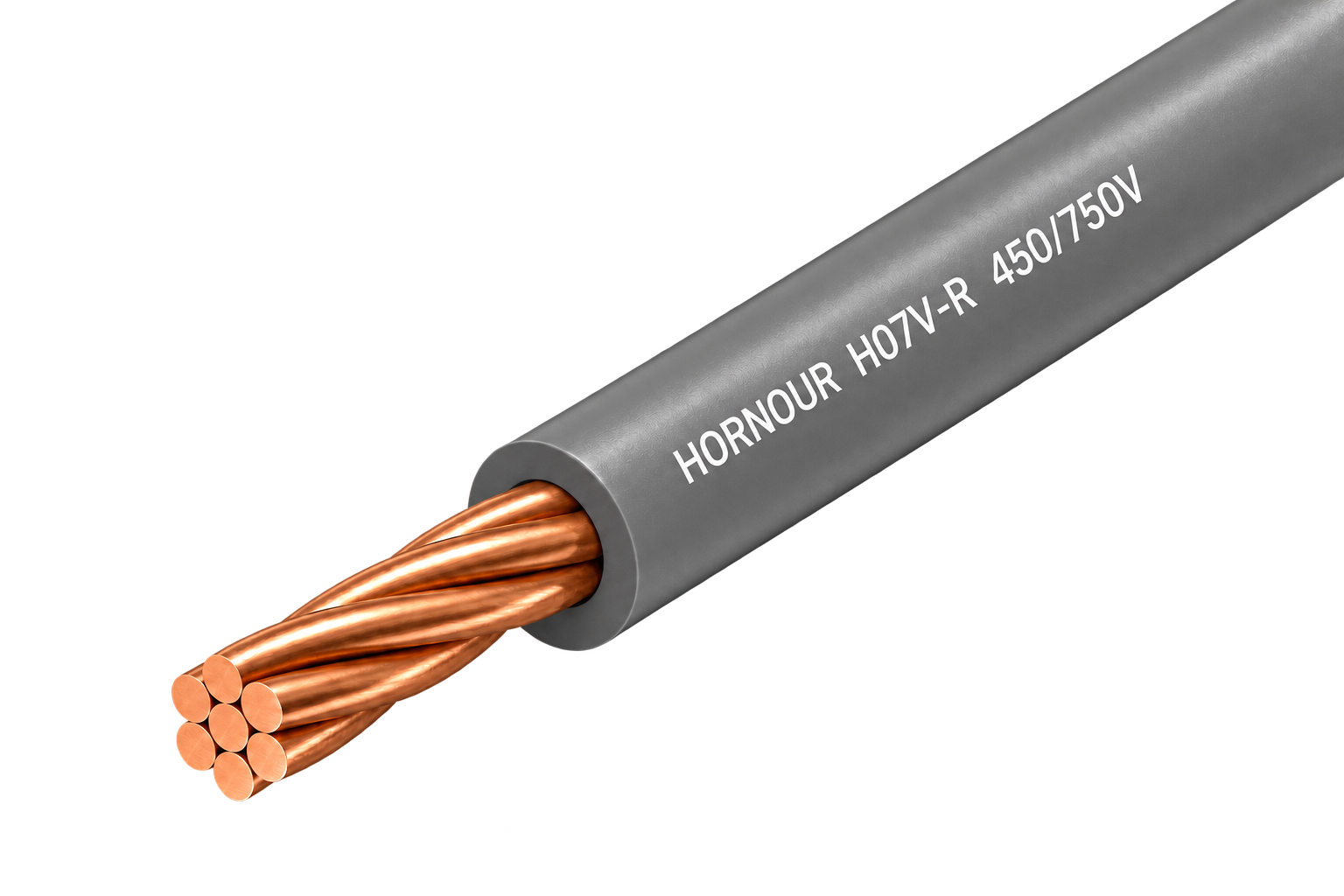
Class 2 stranded 450/750 V PVC wire for protected fixed routes requiring easier pulling and forming.
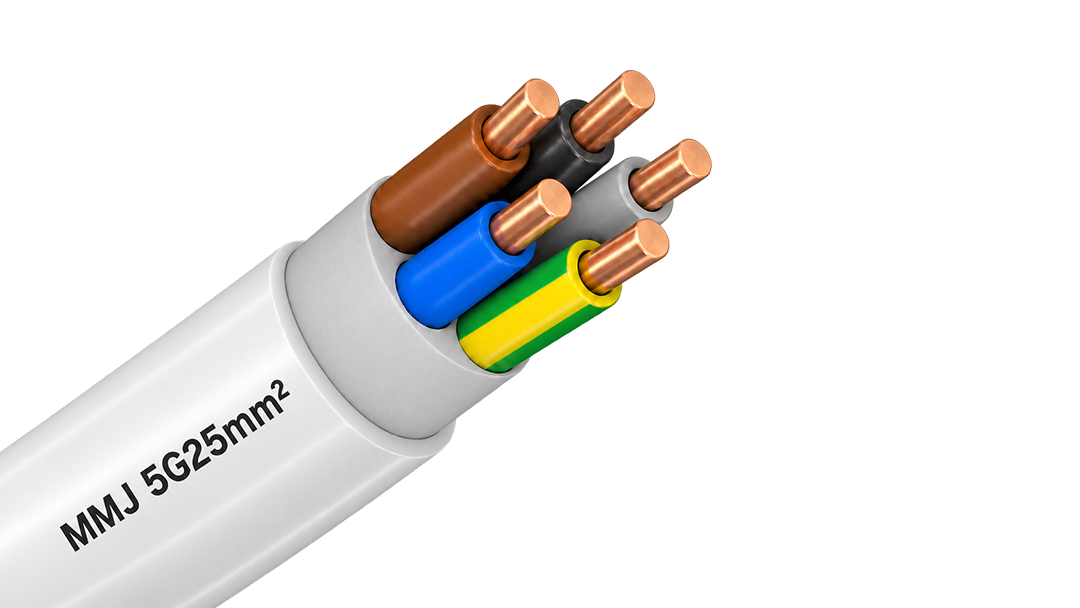
300/500 V PVC-sheathed cable for fixed surface and flush-mounted installations in Finnish building wiring.
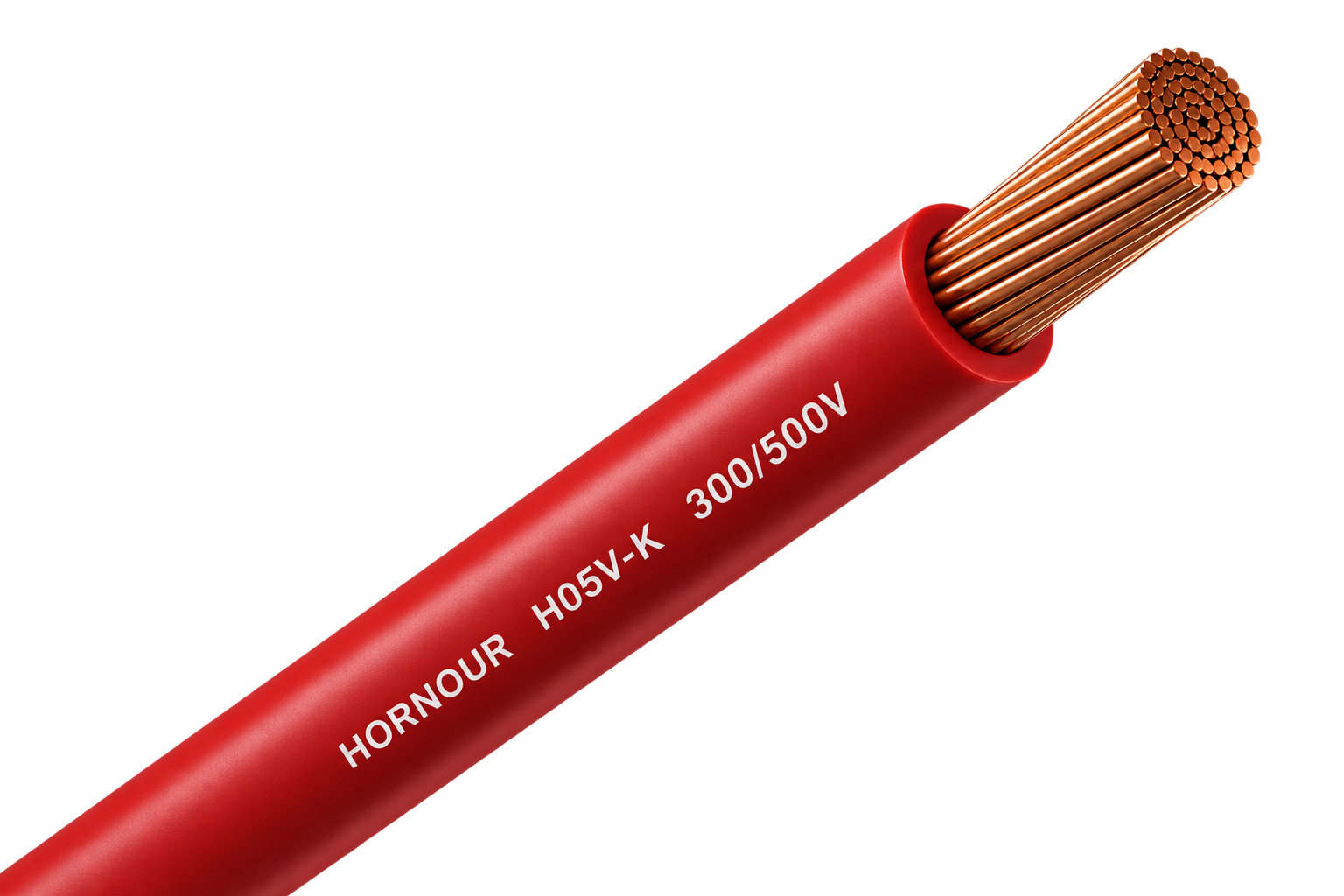
Flexible 300/500 V PVC wire for compact equipment, switchgear and control-panel connections.
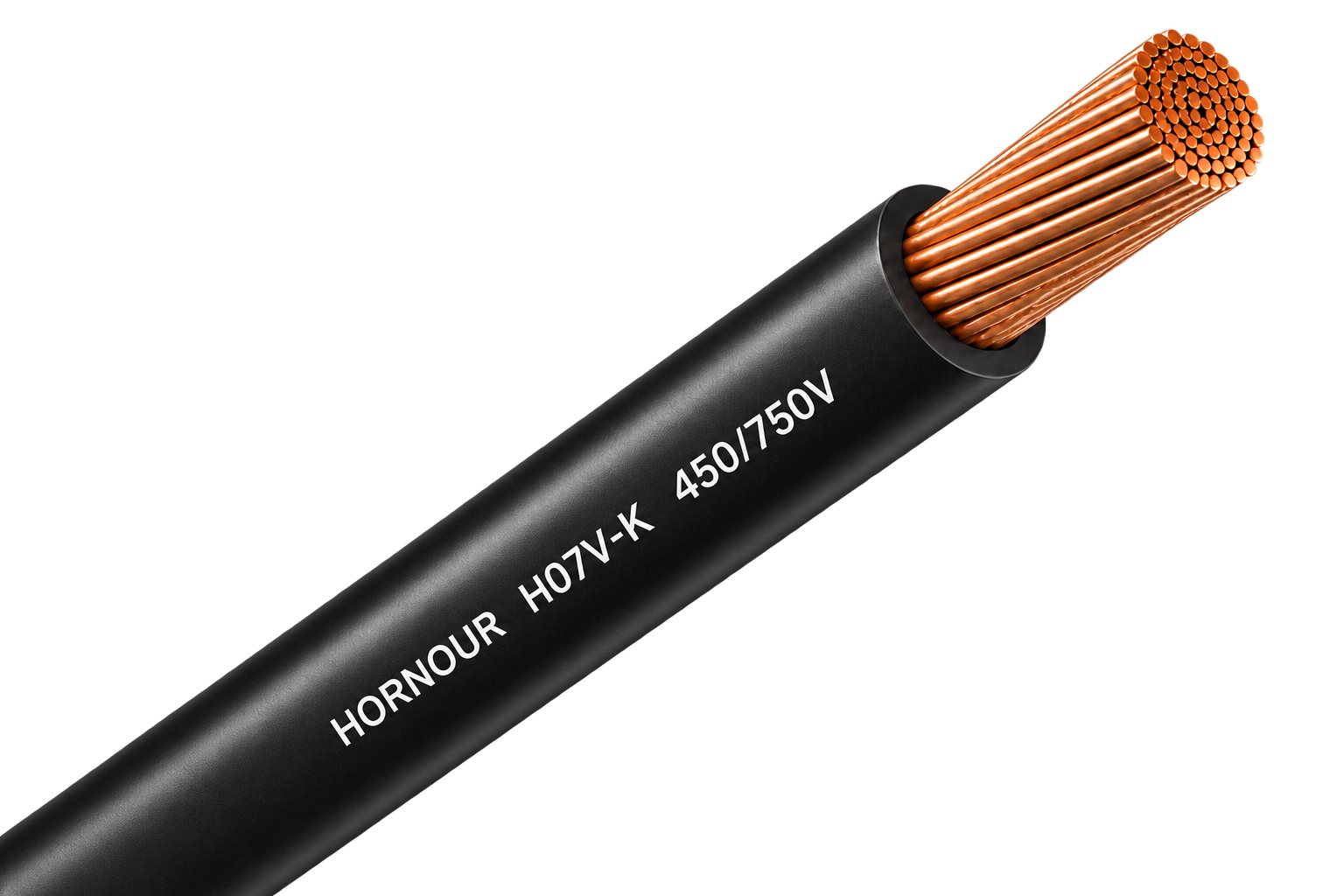
Flexible 450/750 V PVC wire for protected conduit, panel and grounding connections.
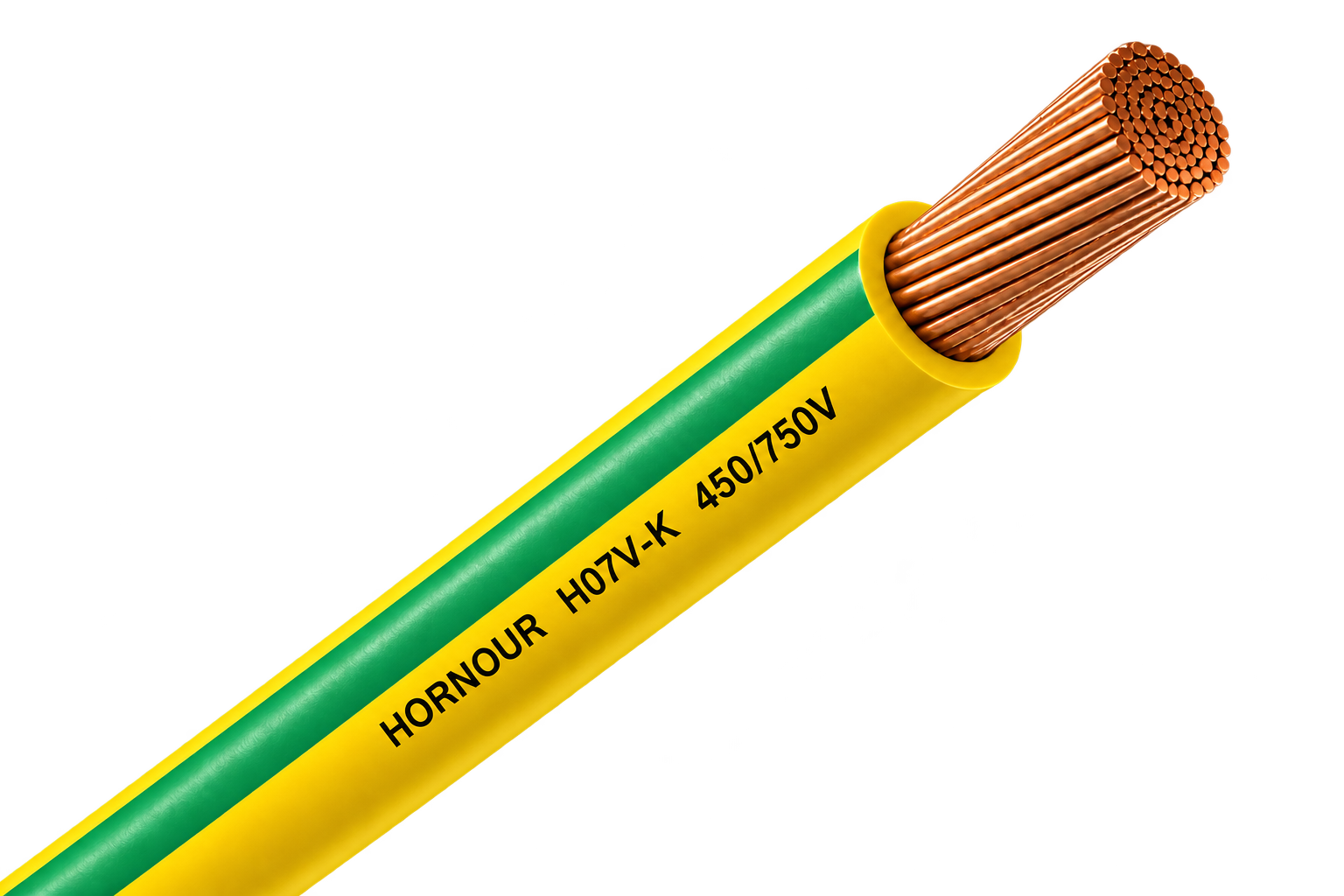
Green/yellow H07V-K Class 5 copper wire for protective-earth and equipotential-bonding connections in PV, ESS and electrical installations.
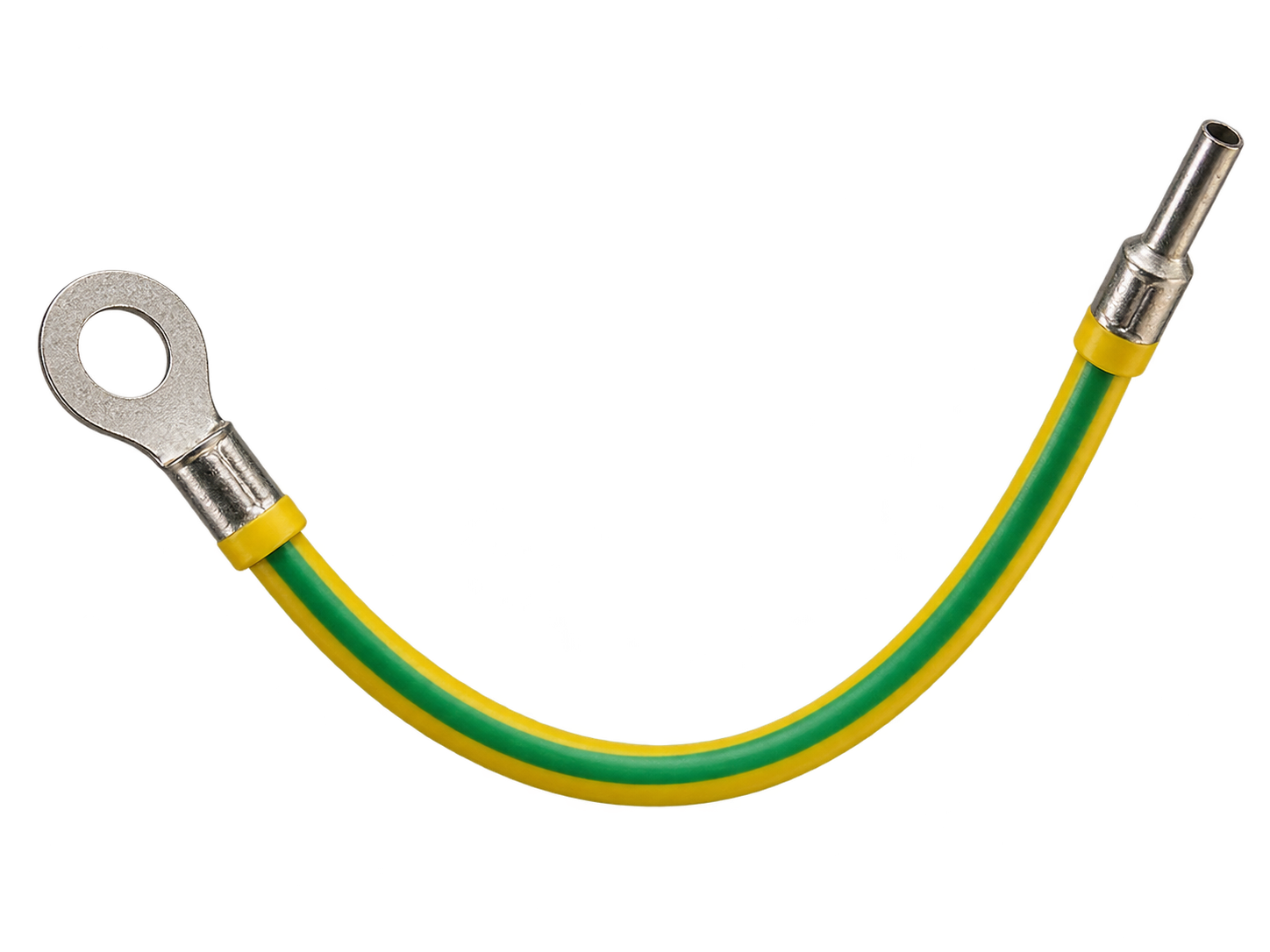
Green/yellow H07V-K grounding lead with factory-crimped ring / OT terminal for ready-to-install earthing and bonding connections.
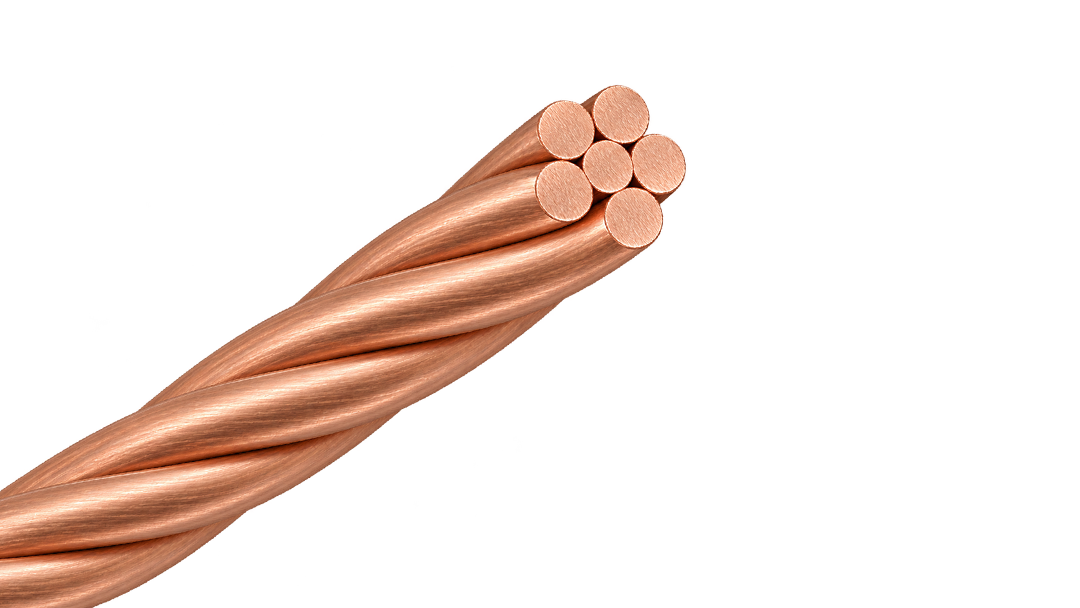
Bare Class 2 stranded copper conductor for earthing and equipotential bonding, available in 16–120 mm².
H1Z2Z2-K 1.5 kV DC solar cable with a nylon barrier beneath the outer sheath for PV routes that need a non-metallic physical defence against rodent damage.
H1Z2Z2-K 1.5 kV DC solar cable with external steel-wire armour for fixed PV routes exposed to severe rodent activity or mechanical damage.
H1Z2Z2-K 1.5 kV DC solar cable with a capsaicin-based rodent-deterrent sheath for PV routes where chemical protection is preferred over added armour.
Factory-terminated PV extension cable for controlled module, string and combiner-box connections.
Joined twin PV cable for orderly positive and negative string routing beneath solar modules.
Single-core PV cable for reliable DC wiring across rooftop and ground-mounted solar arrays.
Green/yellow H07V-K Class 5 copper wire for protective-earth and equipotential-bonding connections in PV, ESS and electrical installations.
Green/yellow H07V-K grounding lead with factory-crimped ring / OT terminal for ready-to-install earthing and bonding connections.
Bare Class 2 stranded copper conductor for earthing and equipotential bonding, available in 16–120 mm².
PVC-sheathed 300/500 V cable for fixed power and lighting circuits inside buildings and panels.
Solid 450/750 V PVC wire for stable fixed circuits in protected conduit and building installations.
Class 2 stranded 300/500 V PVC wire for fixed equipment and panel routes needing moderate flexibility.
Solid 300/500 V PVC wire for simple, stable fixed connections inside protected equipment and conduit.
Class 2 stranded 450/750 V PVC wire for protected fixed routes requiring easier pulling and forming.
300/500 V PVC-sheathed cable for fixed surface and flush-mounted installations in Finnish building wiring.
Flexible 300/500 V PVC wire for compact equipment, switchgear and control-panel connections.
Flexible 450/750 V PVC wire for protected conduit, panel and grounding connections.
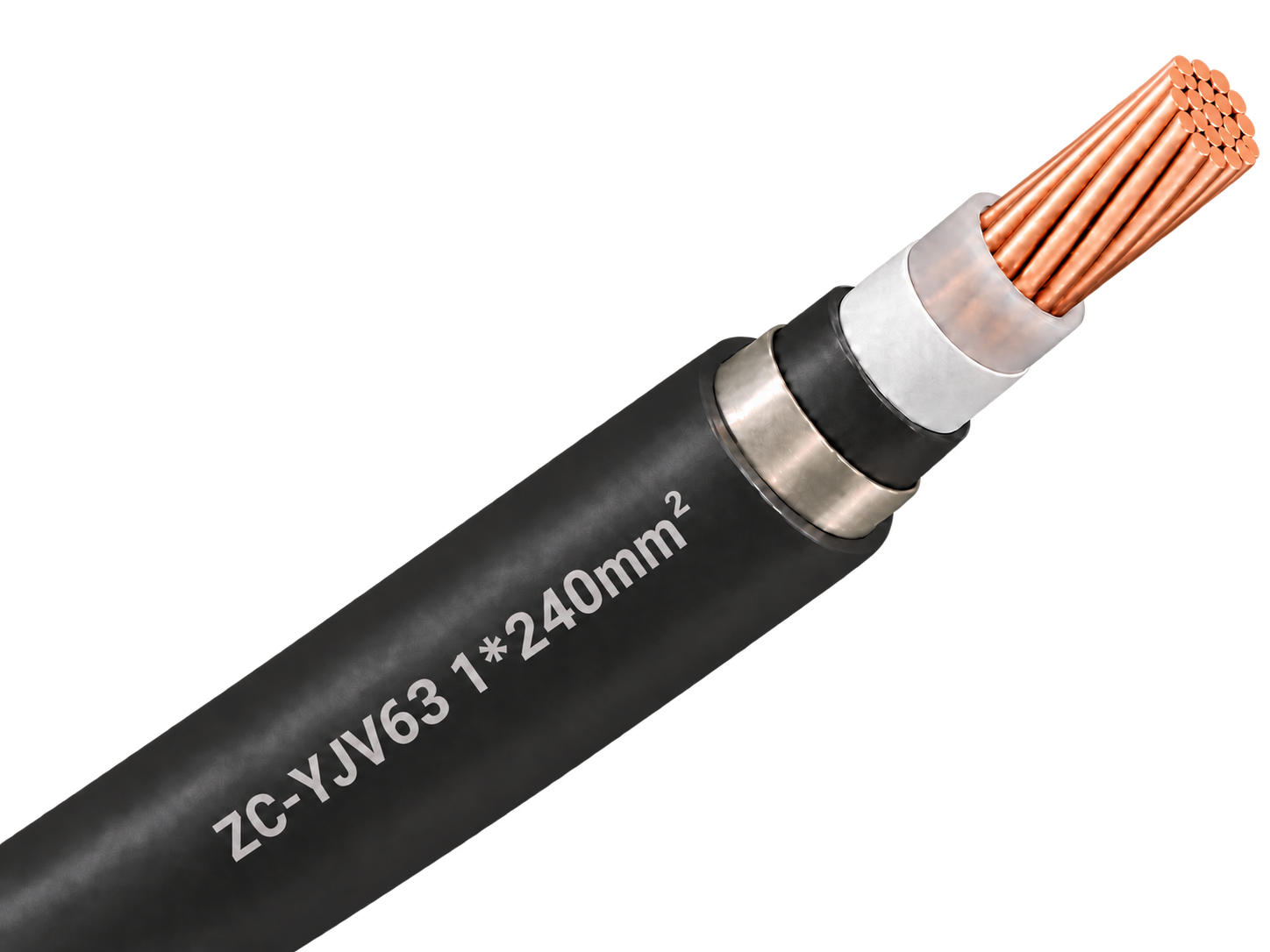
Single-core 1.8/3 kV copper XLPE cable with non-magnetic stainless-steel tape armour, PVC sheath and Category C flame-retardant construction for protected fixed power routes.
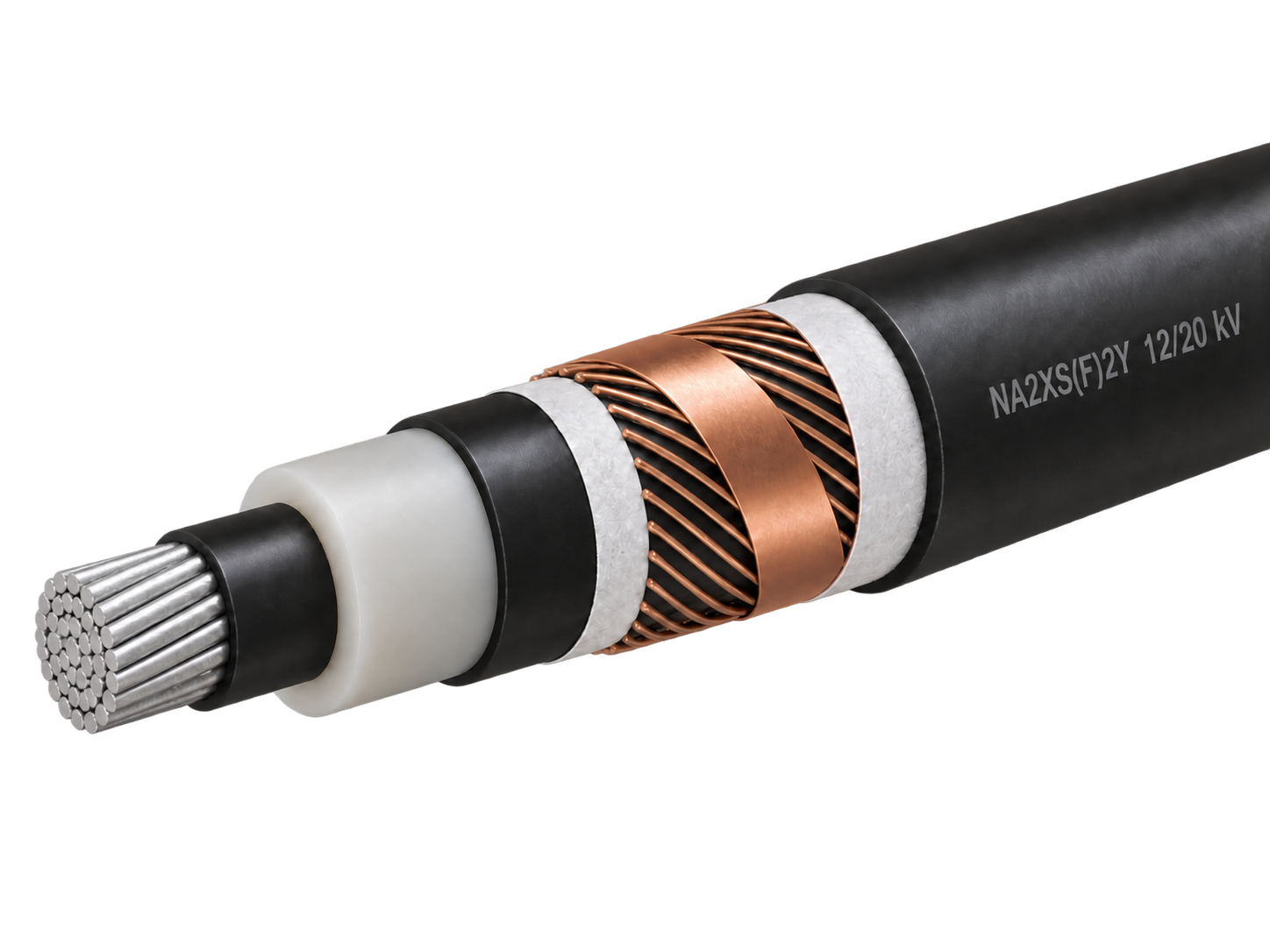
Aluminium XLPE medium-voltage cable with longitudinal water blocking for fixed distribution networks.
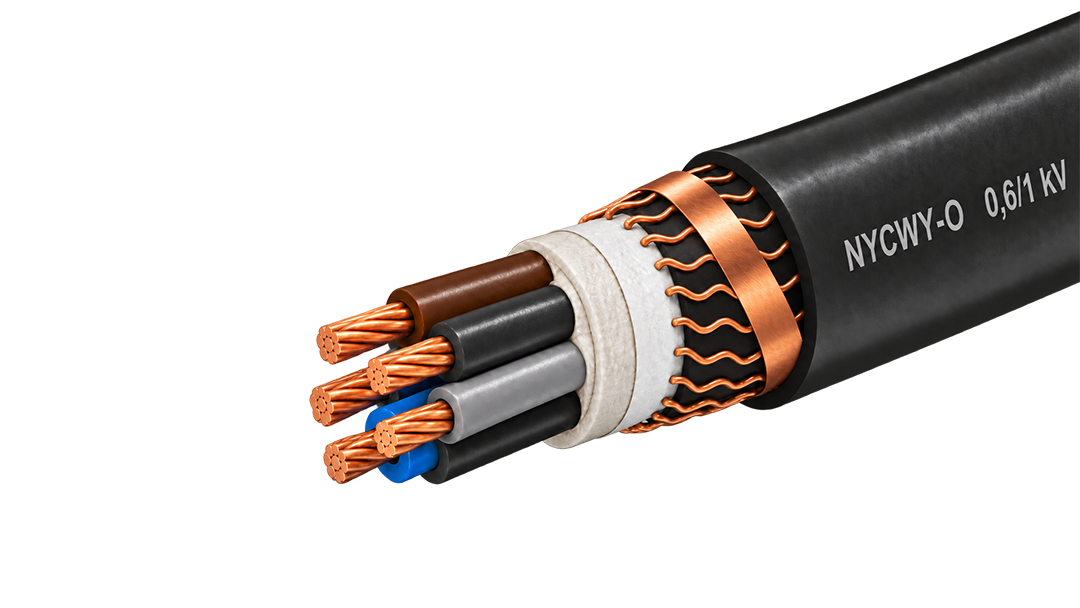
0.6/1 kV copper cable with a wave-laid concentric conductor for fixed distribution and service routes.
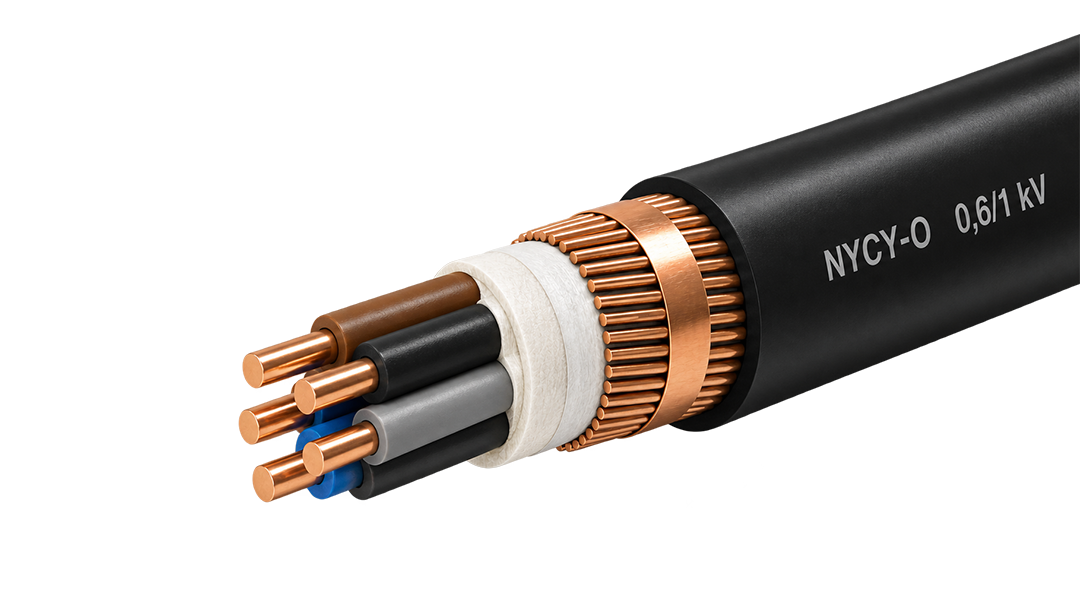
0.6/1 kV copper power cable with a concentric copper layer for service and distribution circuits.
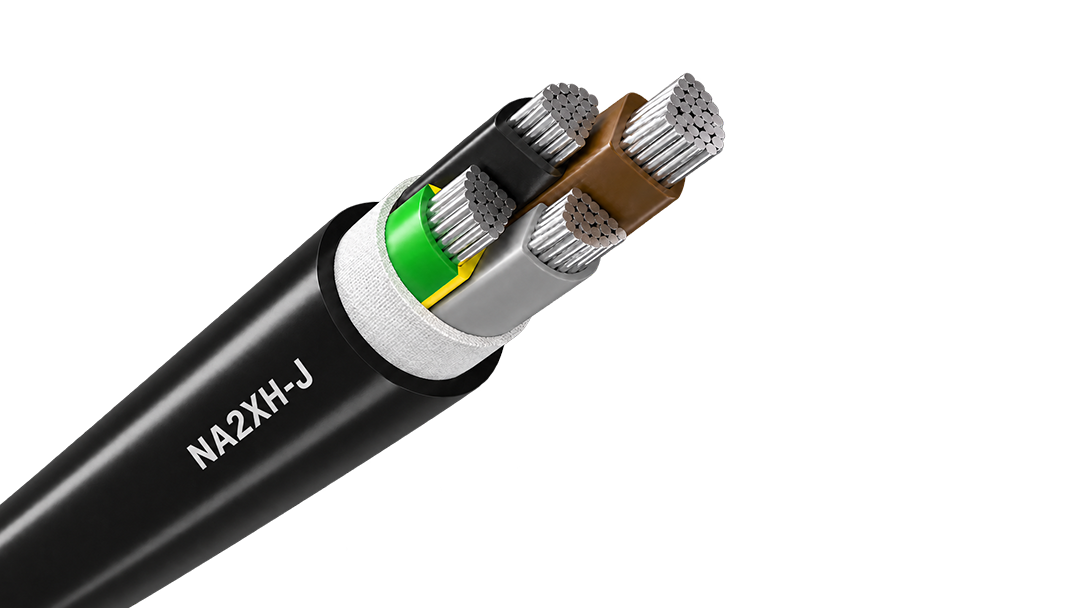
Aluminium halogen-free 0.6/1 kV cable for fire-conscious fixed distribution and long feeders.
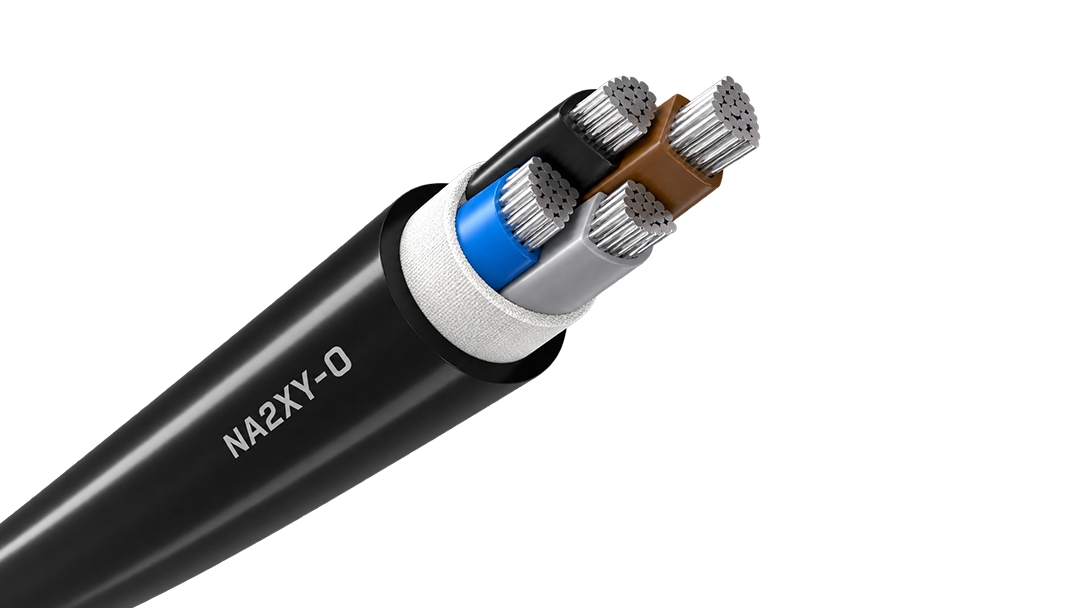
Aluminium XLPE power cable for economical fixed distribution, available in 0.6/1 kV and 1.8/3 kV constructions for long outdoor and buried routes.
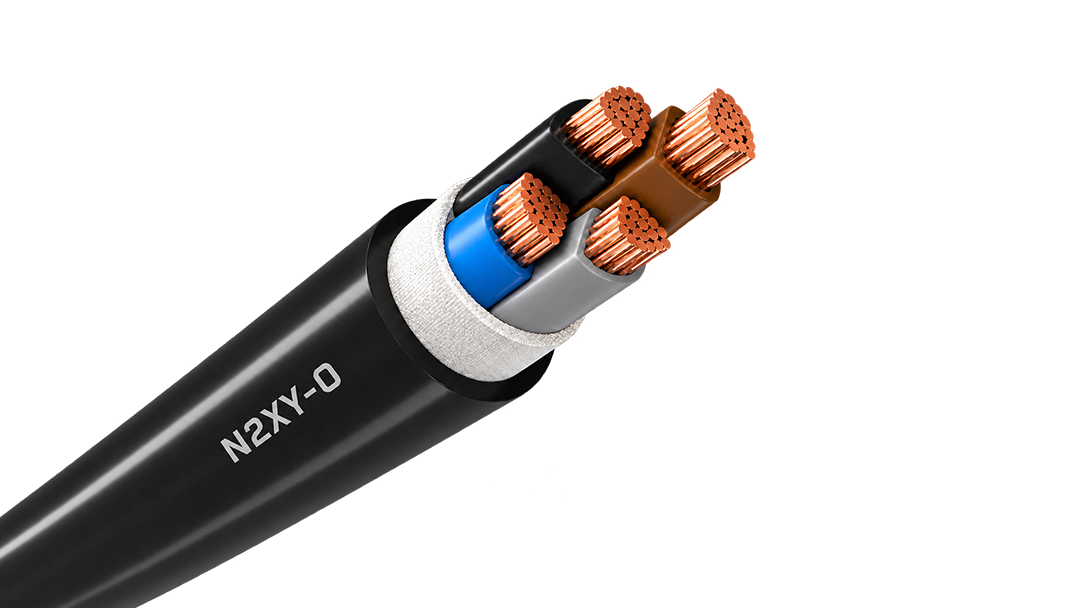
Copper XLPE 0.6/1 kV cable for demanding fixed feeders, outdoor routes and power distribution.
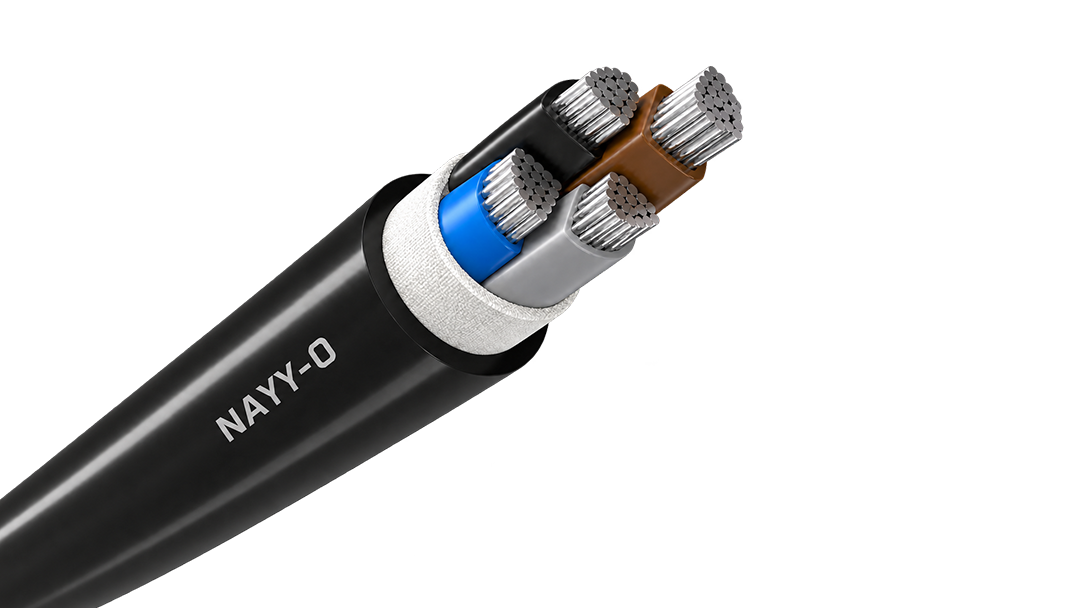
Aluminium 0.6/1 kV PVC cable for cost-conscious fixed distribution and long feeder routes.
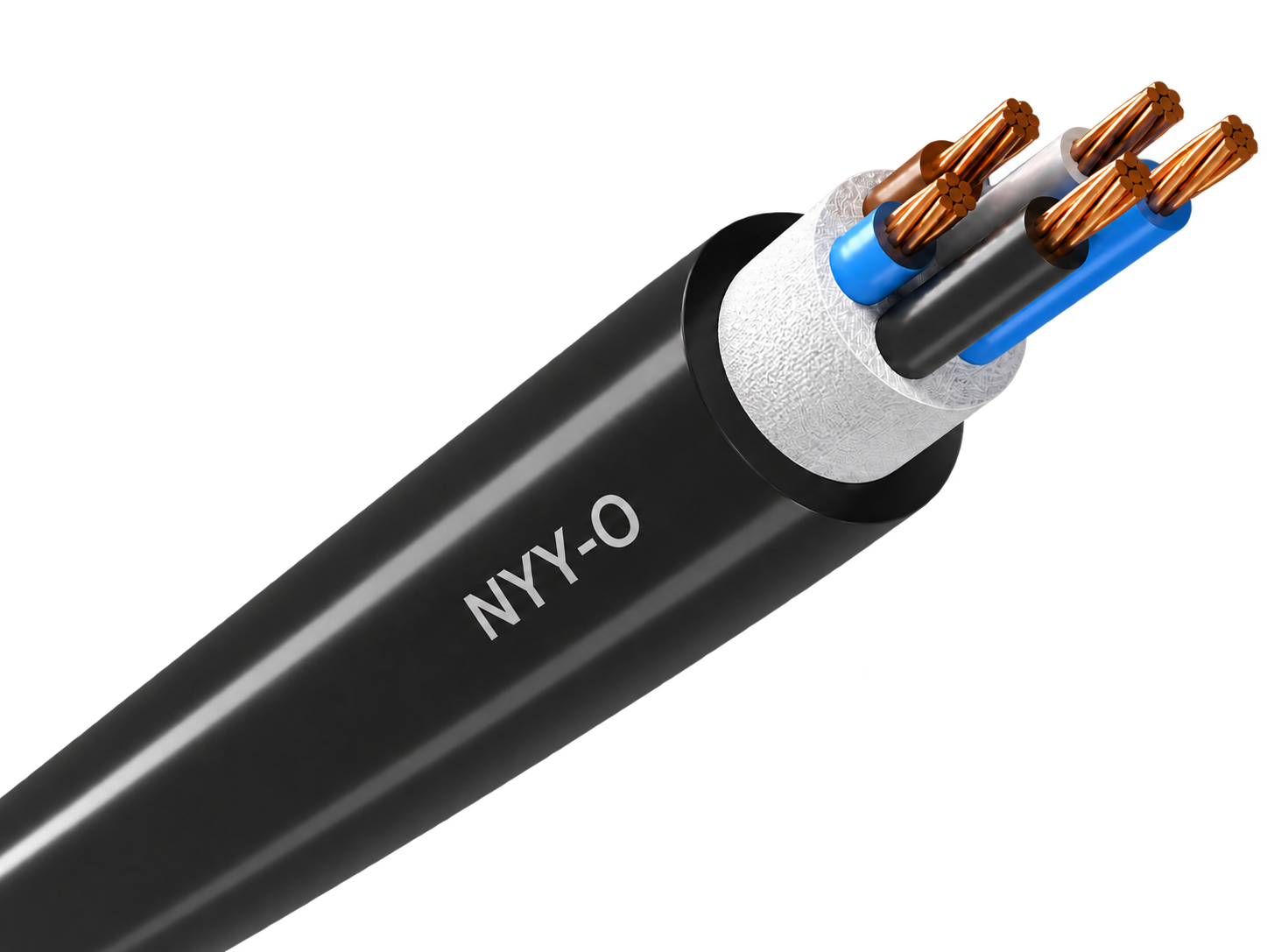
Robust 0.6/1 kV copper cable for economical fixed power distribution indoors, outdoors and underground.
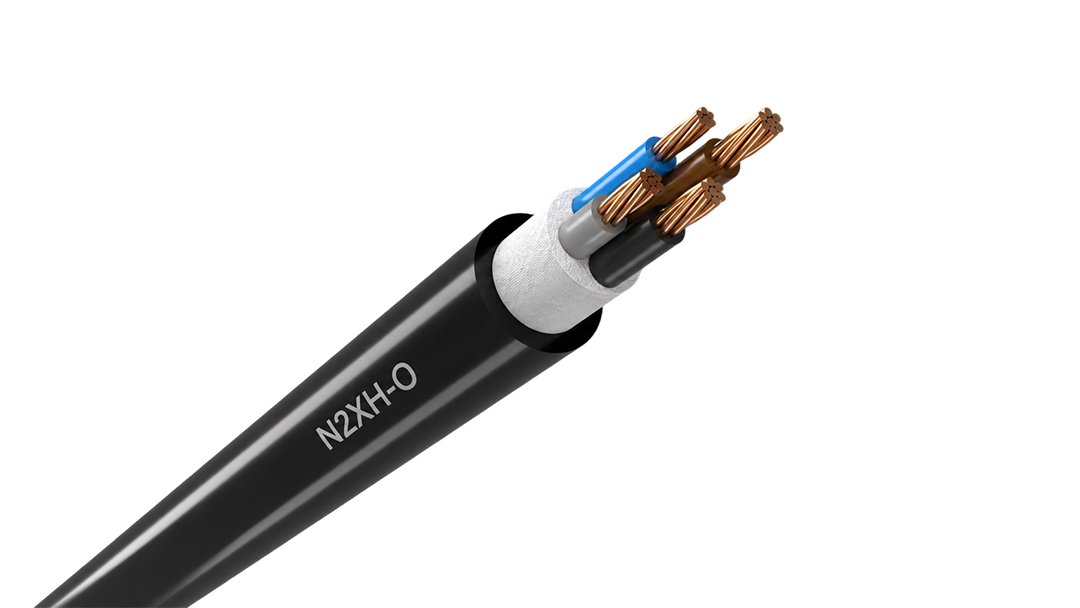
Low-smoke halogen-free 0.6/1 kV cable for fixed distribution in occupied and critical buildings.

hot search


The standard product warranty is 24 months, starting from delivery to the designated warehouse or delivery location stated in the commercial documents.
For qualified photovoltaic projects, an additional 48-month extension may be available, giving up to 72 months total coverage. The project must be registered before installation and the extension only becomes effective after written confirmation. Registration alone does not create an automatic entitlement to extended warranty coverage.
The warranty covers defects attributable to materials, manufacturing or workmanship under the applicable product and commercial conditions. It is not a general guarantee against every failure that occurs during service.
Coverage depends on the product being properly transported, stored, installed and used within its specified electrical, mechanical and environmental limits. Issues caused by incorrect installation or connection, mechanical damage, unauthorized modification, operation outside rated conditions, abnormal environmental exposure or third-party equipment can fall outside warranty coverage.
A warranty claim should identify the affected product and provide enough information to trace both the supplied cable and the circumstances of the reported problem. Relevant information may include the specification, batch or drum number, purchase records, description of the issue, installation and operating conditions, photographs, inspection records and available test results.
The available records are then reviewed to determine the cause. Where the cause remains unclear, further technical investigation or an agreed independent third-party inspection may be used to determine whether the issue results from a covered product defect or another cause.
Once a valid warranty claim is confirmed, the remedy depends on the nature and extent of the verified problem.
Possible remedies include replacement of defective products, repair or corrective action where technically appropriate, or another solution agreed between the parties. A replacement normally carries the remaining warranty period of the original product unless otherwise agreed in writing.
If a confirmed manufacturing defect affects a wider production batch, the affected production scope can also be reviewed using product identification and technical traceability before determining the appropriate corrective measures.
They address different types of responsibility.
Product warranty deals with covered defects in the supplied product, such as qualifying material, manufacturing or workmanship defects. Product liability insurance addresses legal liability arising when an insured product causes qualifying third-party bodily injury or property damage, subject to the insurance policy, its limits and exclusions.
Product liability insurance therefore does not replace the warranty. The insurance documentation specifically excludes matters such as loss or damage to the insured product itself and product return, replacement or recall costs from that insurance mechanism.
The applicable document depends on the issue being considered.
Specific commercial terms such as payment, delivery and other order conditions are defined in the relevant quotation, PI, PO, Sales Confirmation, framework agreement or other agreed written commercial documents. Warranty matters are governed by the applicable Warranty Policy together with any specific written warranty agreement.
The Warranty Policy also states that where it conflicts with a specific mutually agreed written commercial agreement, the specific commercial agreement prevails.
The practical rule is therefore to identify the subject first, then apply the document that governs that particular obligation.