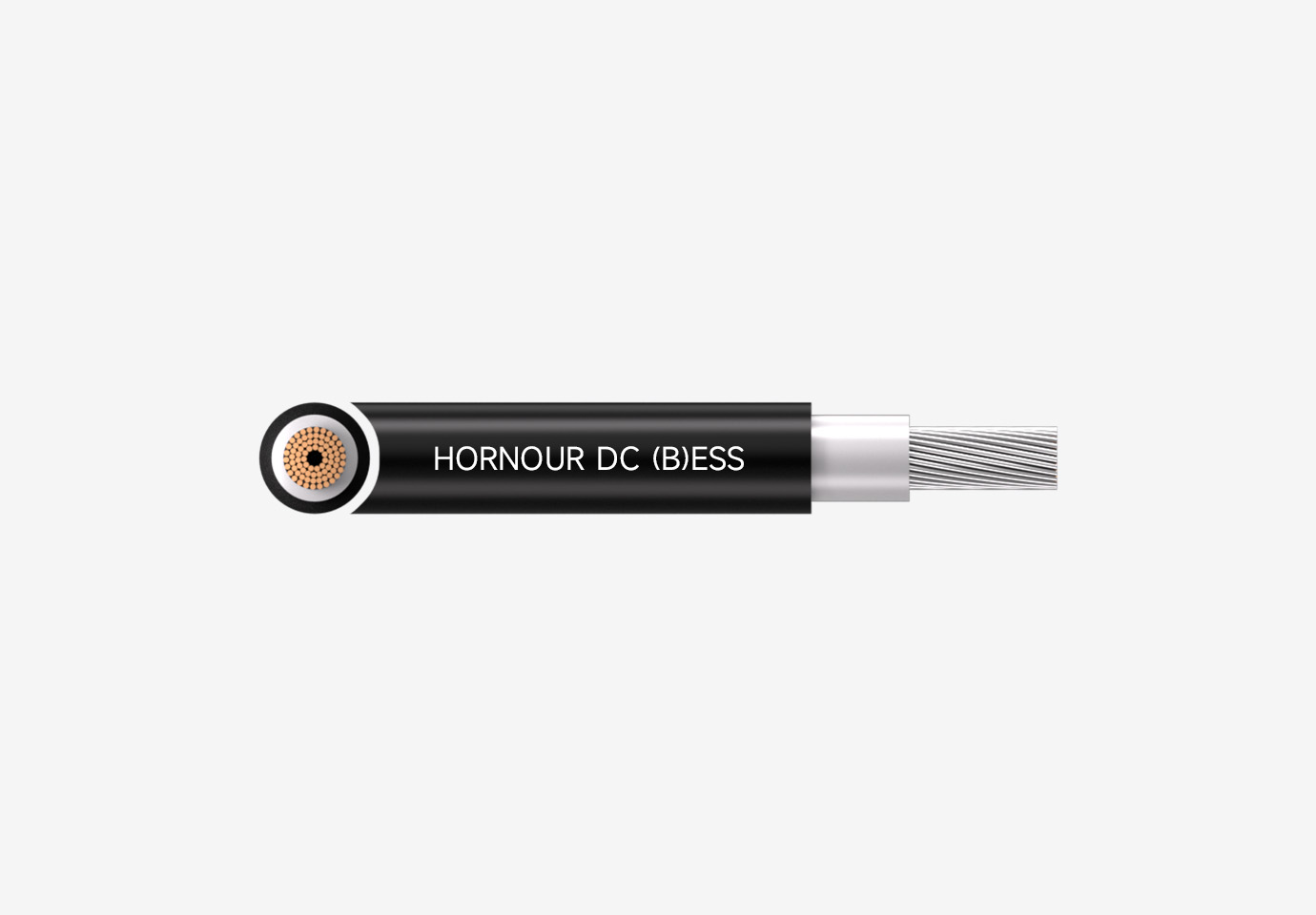
H1Z2Z2-K Nylon-Barrier Rodent-Resistant Solar Cable
H1Z2Z2-K 1.5 kV DC solar cable with a nylon barrier beneath the outer sheath for PV routes that need a non-metallic physical defence against rodent damage.

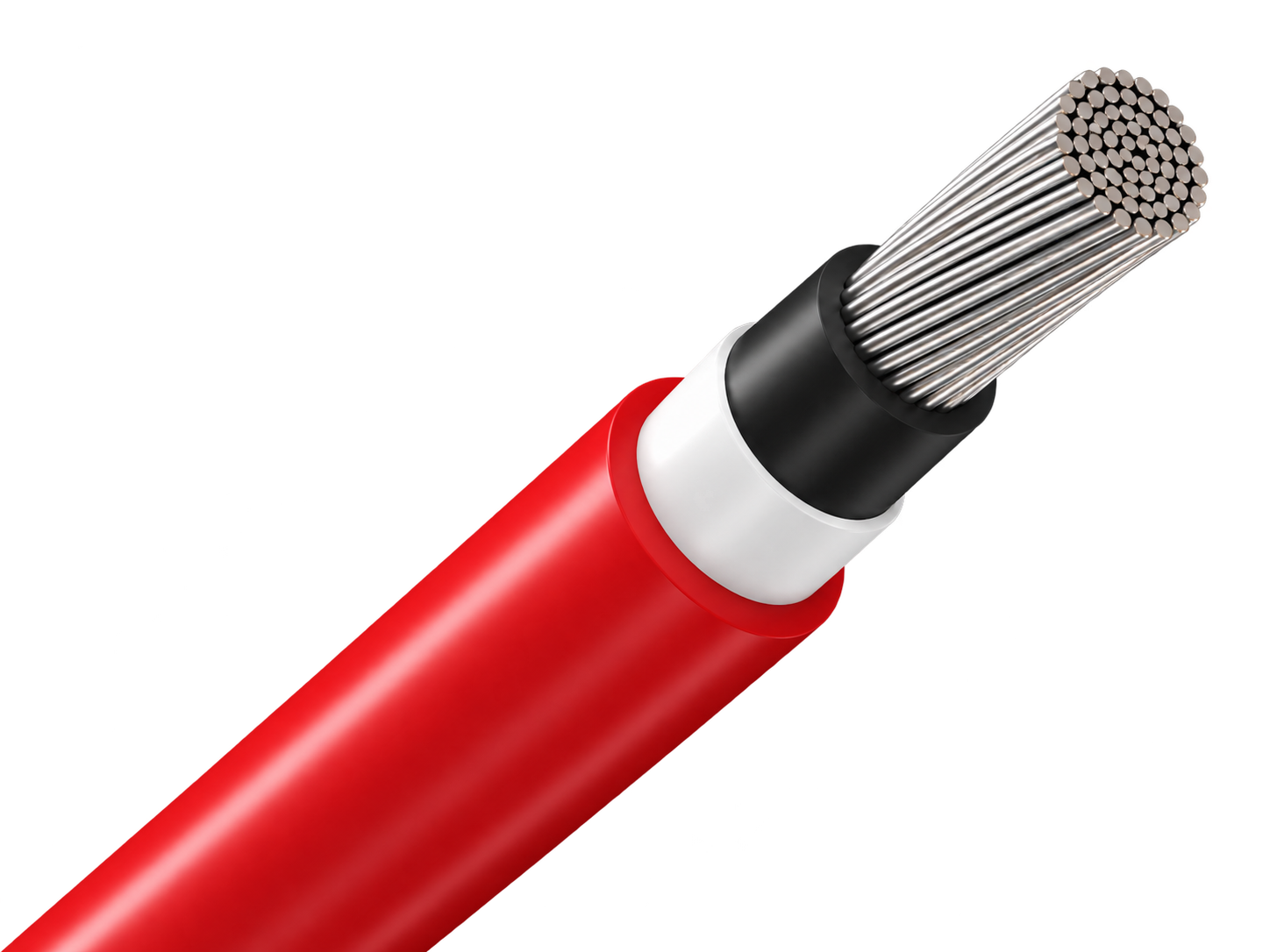
H1Z2Z2-K 1.5 kV DC solar cable with a nylon barrier beneath the outer sheath for PV routes that need a non-metallic physical defence against rodent damage.
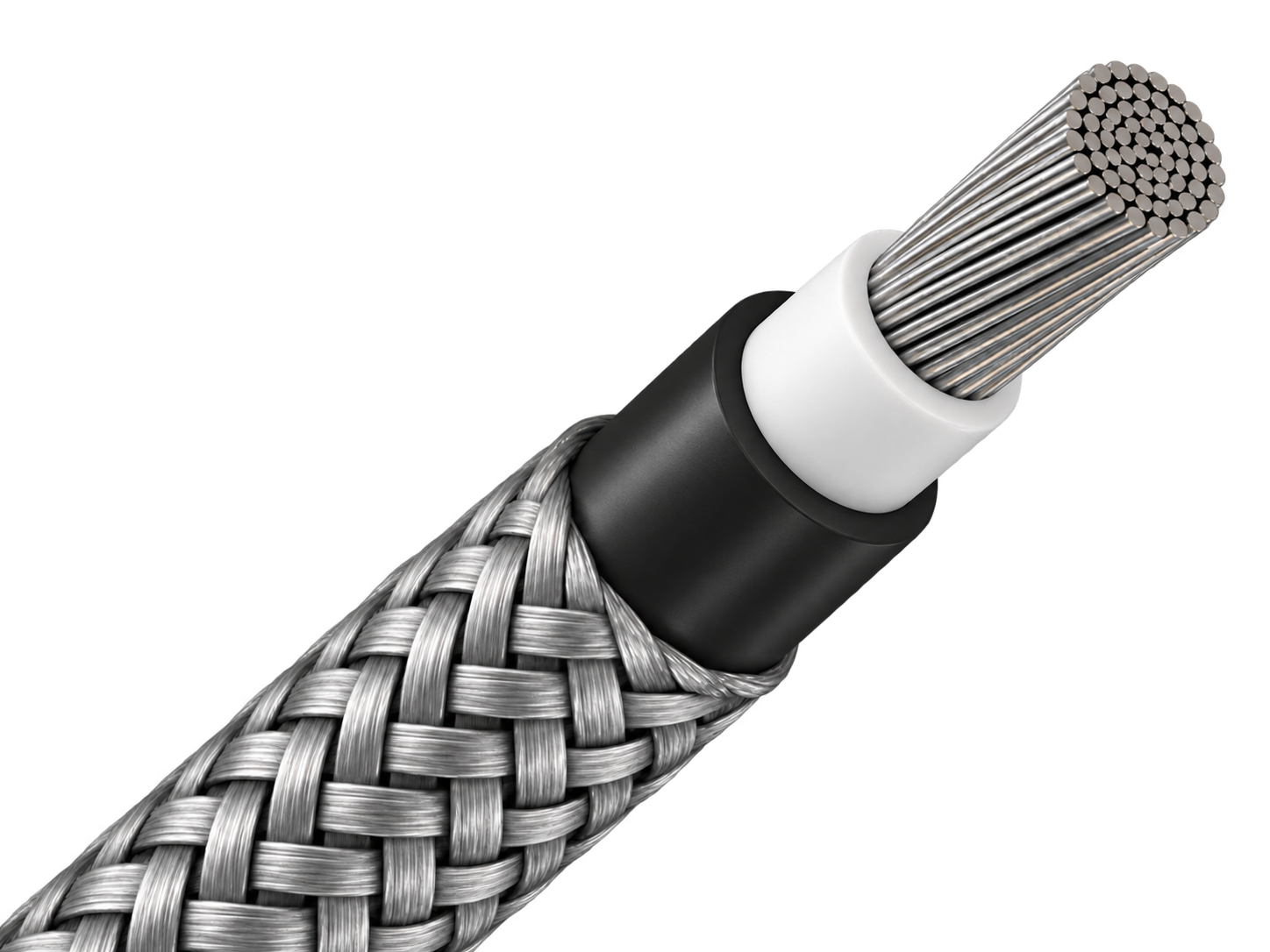
H1Z2Z2-K 1.5 kV DC solar cable with external steel-wire armour for fixed PV routes exposed to severe rodent activity or mechanical damage.
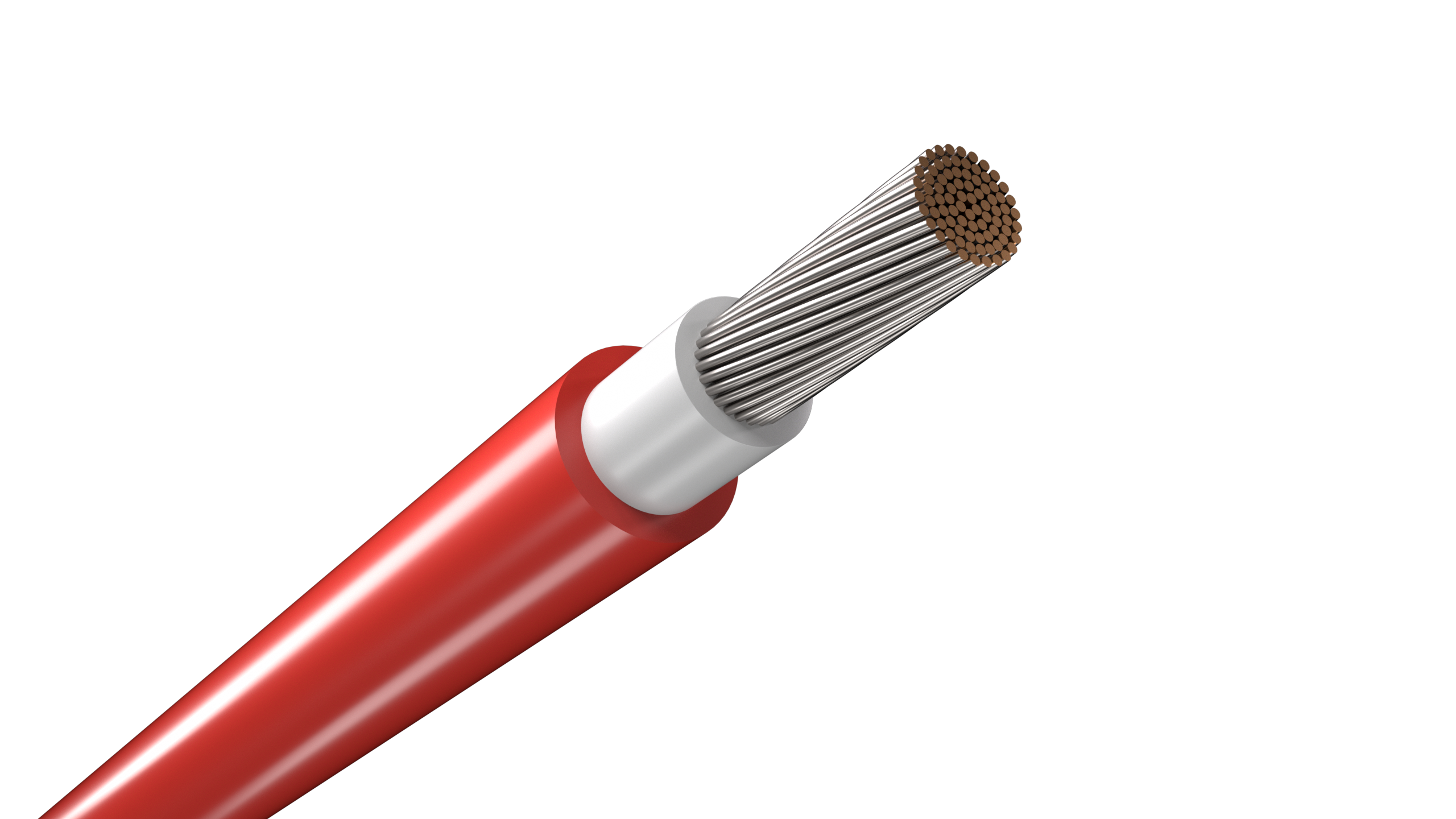
H1Z2Z2-K 1.5 kV DC solar cable with a capsaicin-based rodent-deterrent sheath for PV routes where chemical protection is preferred over added armour.
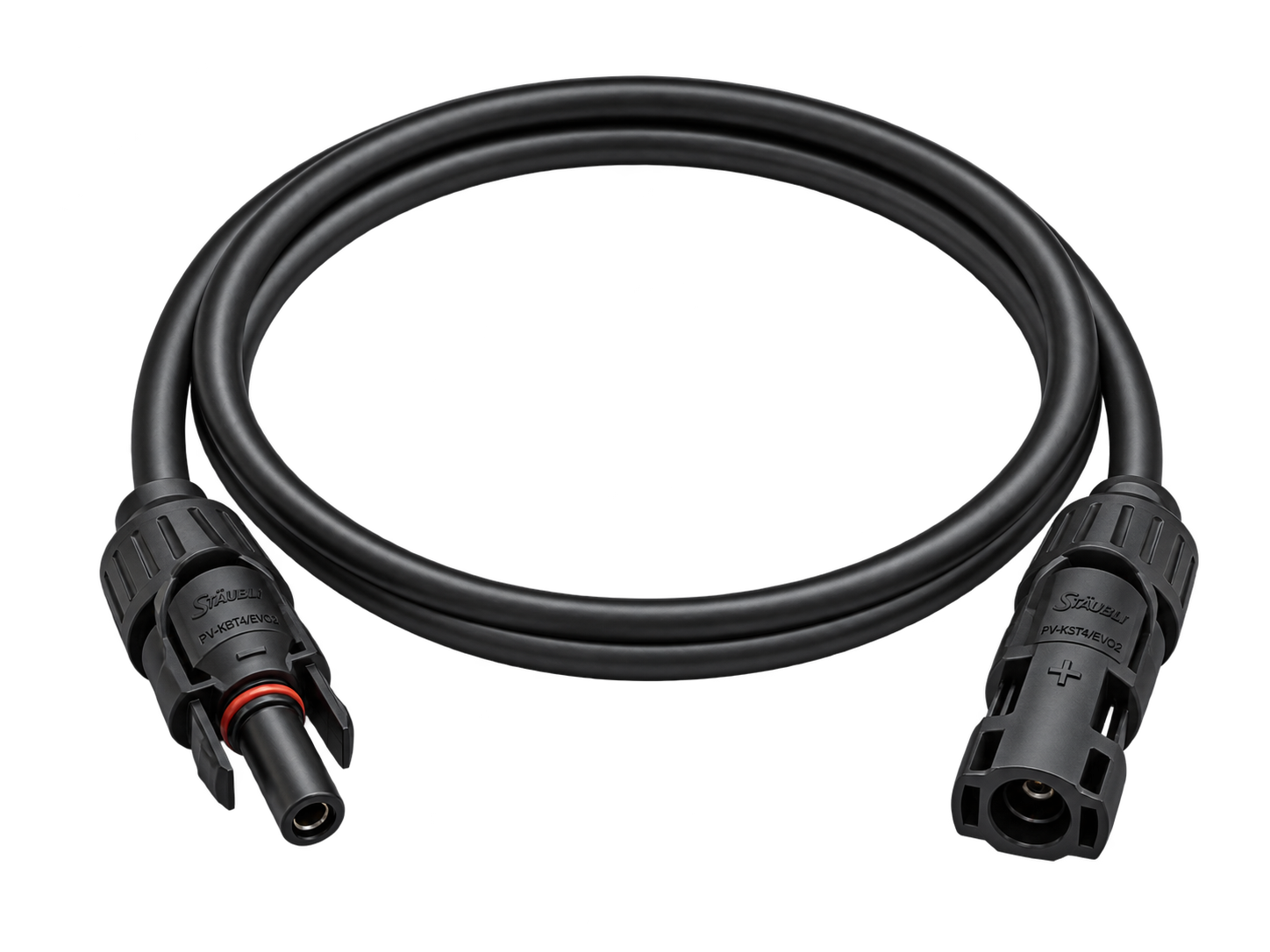
Factory-terminated PV extension cable for controlled module, string and combiner-box connections.
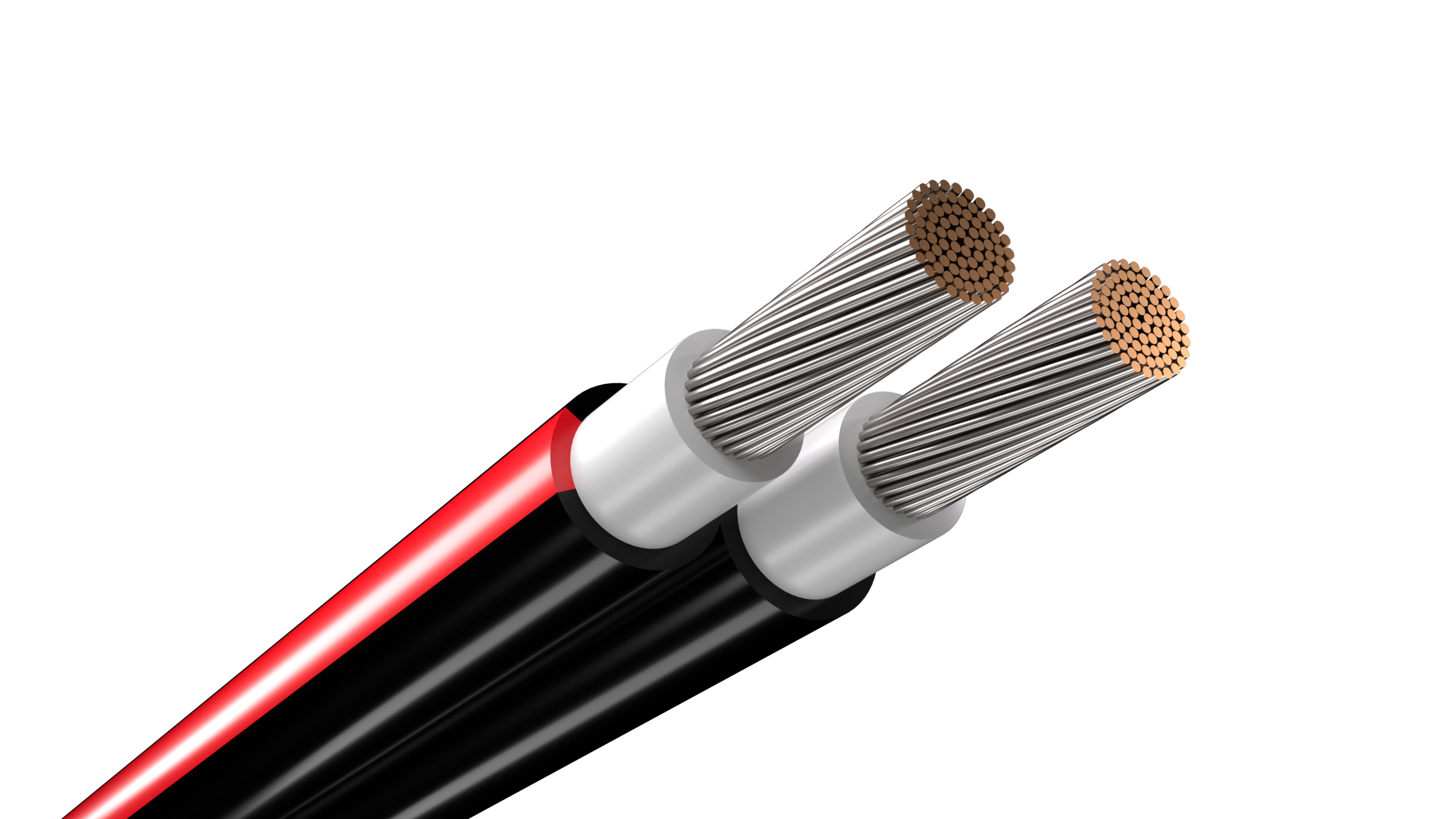
Joined twin PV cable for orderly positive and negative string routing beneath solar modules.
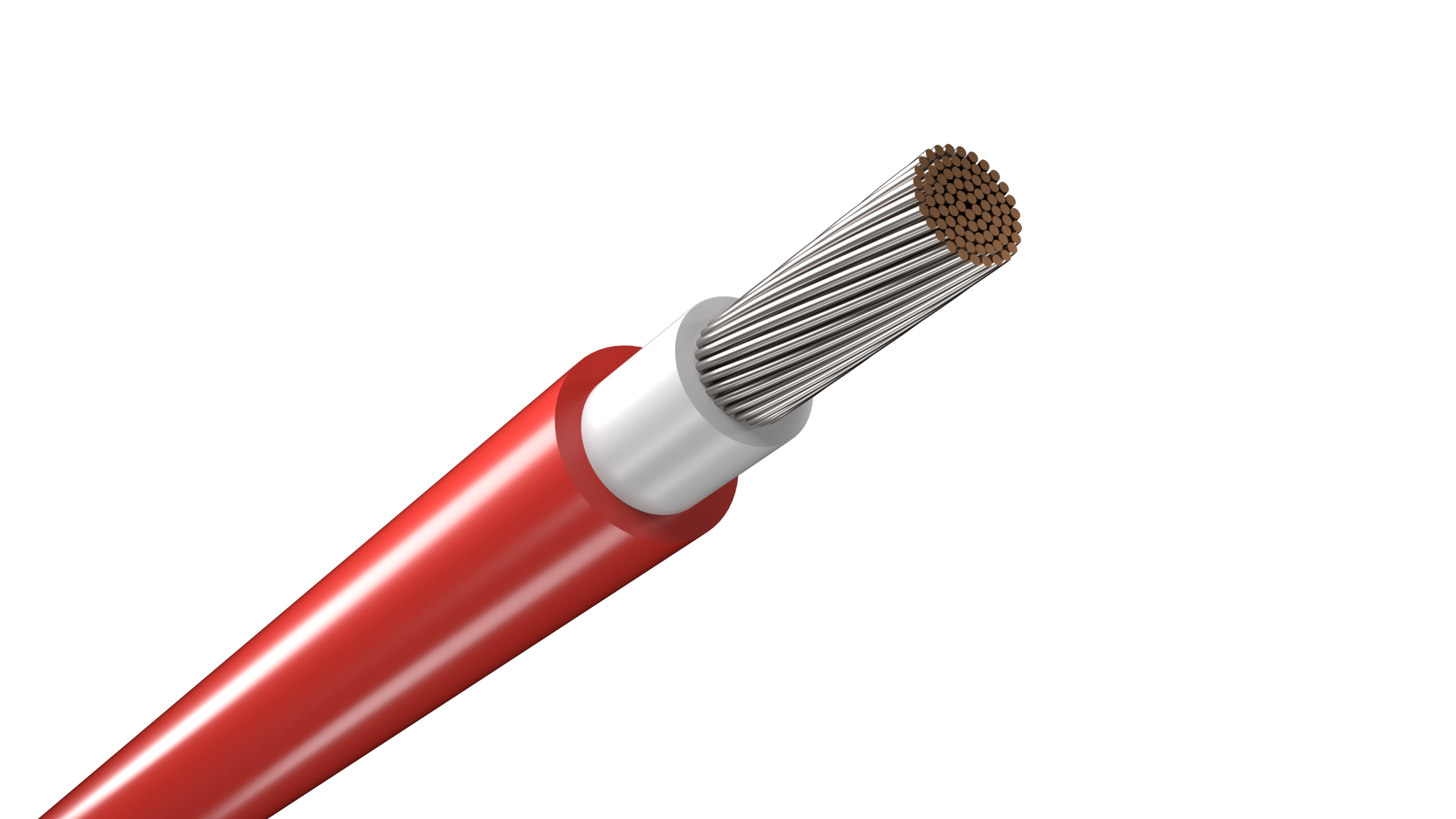
Single-core PV cable for reliable DC wiring across rooftop and ground-mounted solar arrays.
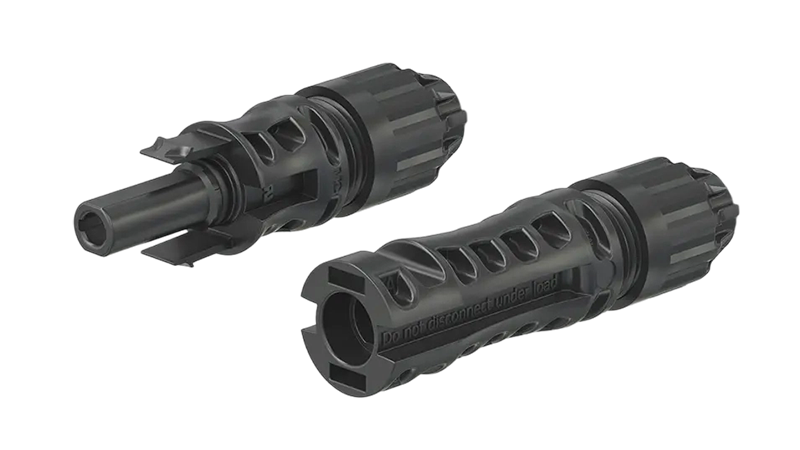
Durable DC connector for residential solar panels – UV-resistant and waterproof.
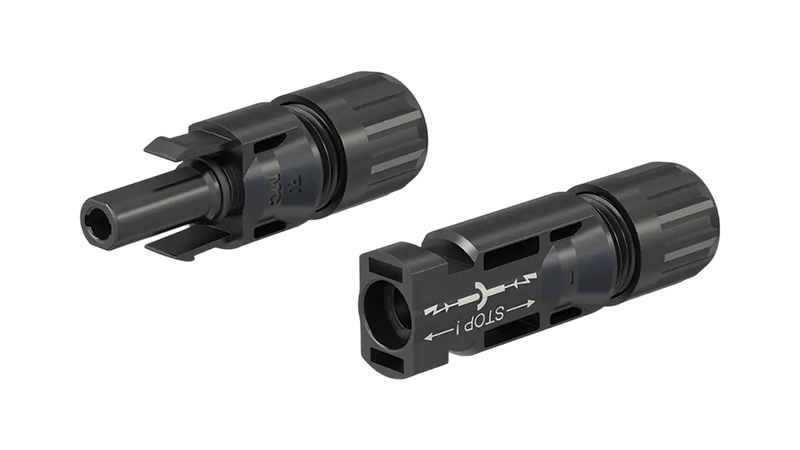
Reliable DC connection for residential photovoltaic systems, UV-resistant, waterproof, and long-lasting.
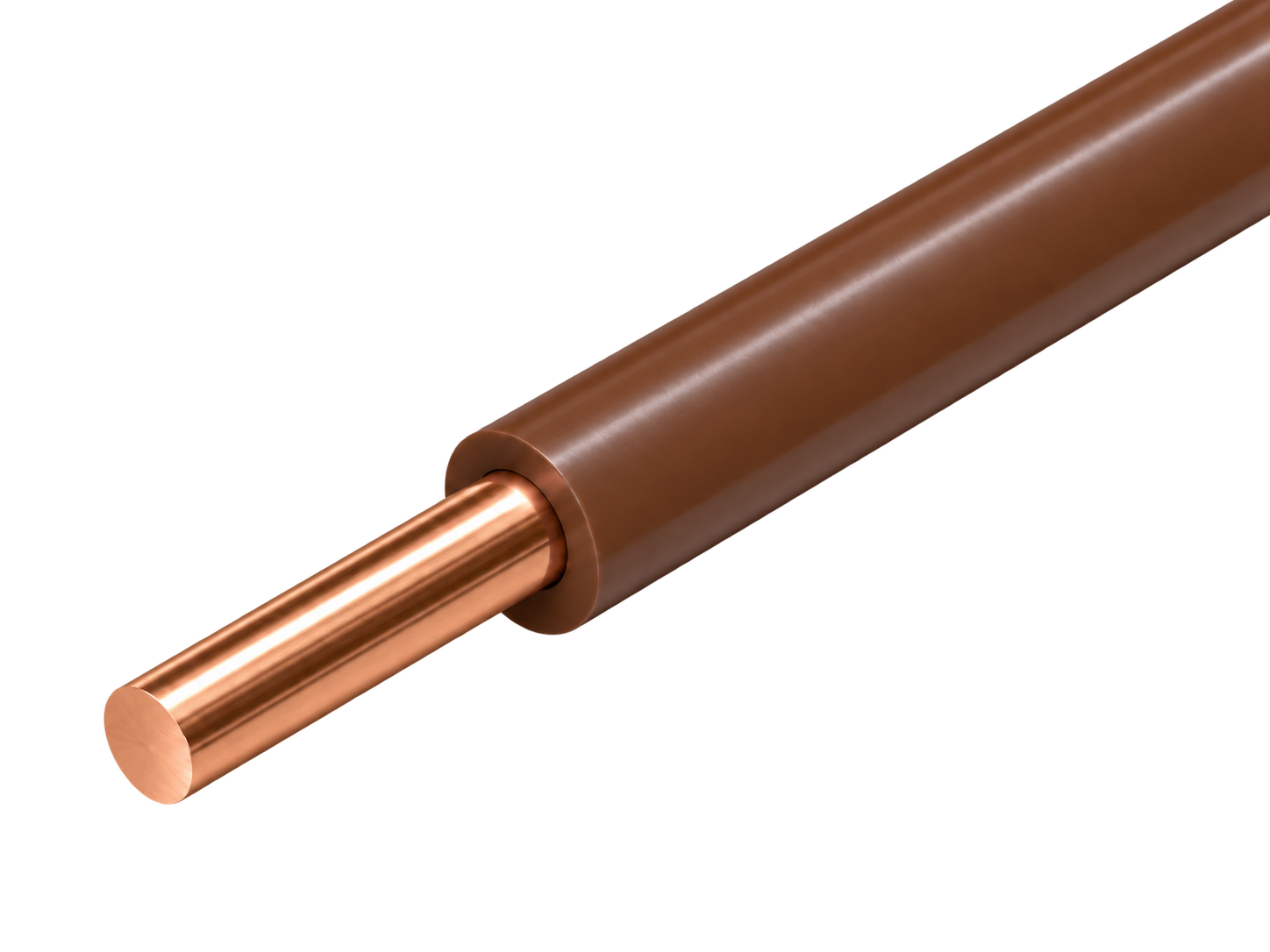
Solid 450/750 V PVC wire for stable fixed circuits in protected conduit and building installations.
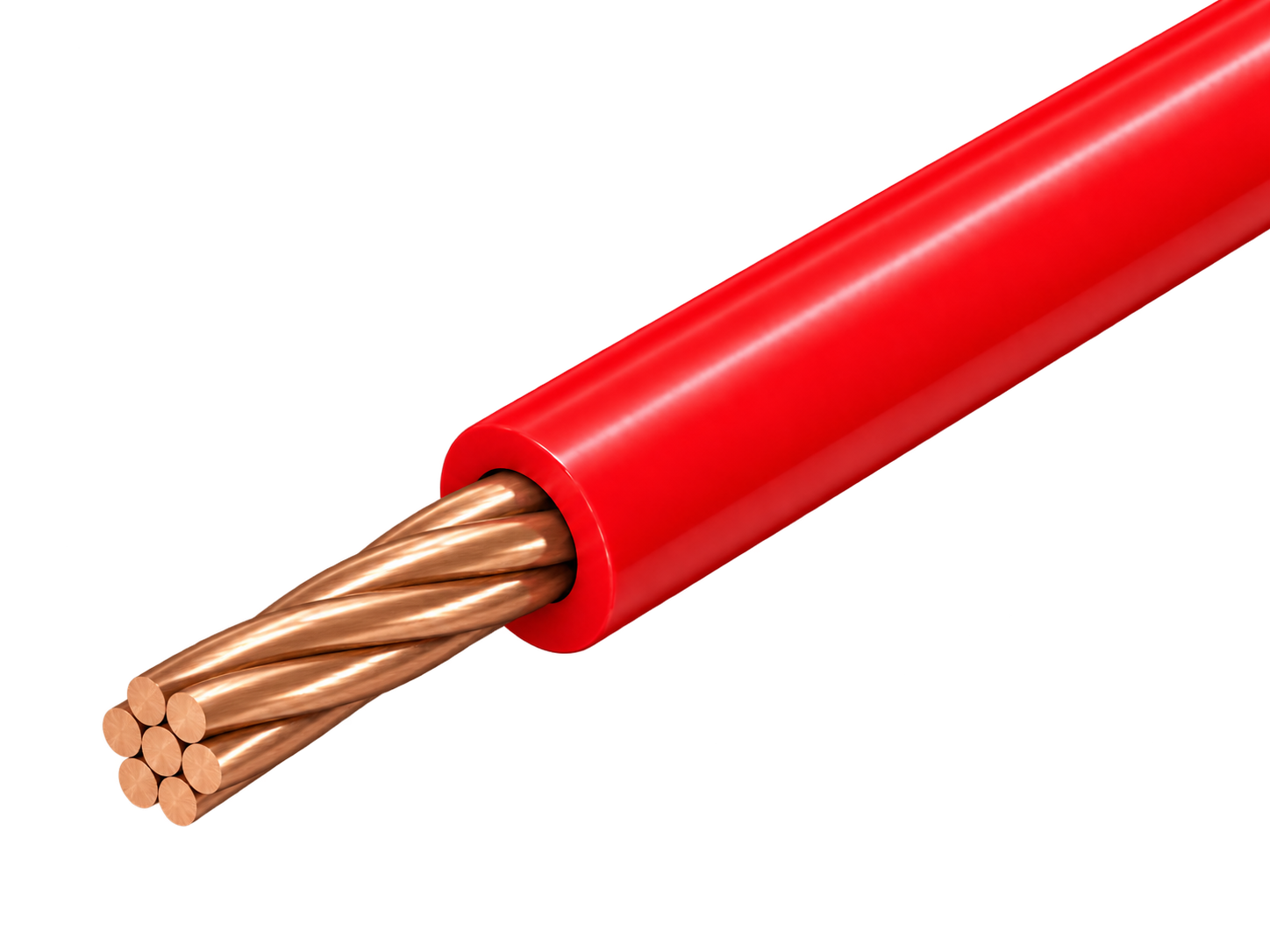
Class 2 stranded 300/500 V PVC wire for fixed equipment and panel routes needing moderate flexibility.
Solid 300/500 V PVC wire for simple, stable fixed connections inside protected equipment and conduit.
Class 2 stranded 450/750 V PVC wire for protected fixed routes requiring easier pulling and forming.
300/500 V PVC-sheathed cable for fixed surface and flush-mounted installations in Finnish building wiring.
Flexible 300/500 V PVC wire for compact equipment, switchgear and control-panel connections.
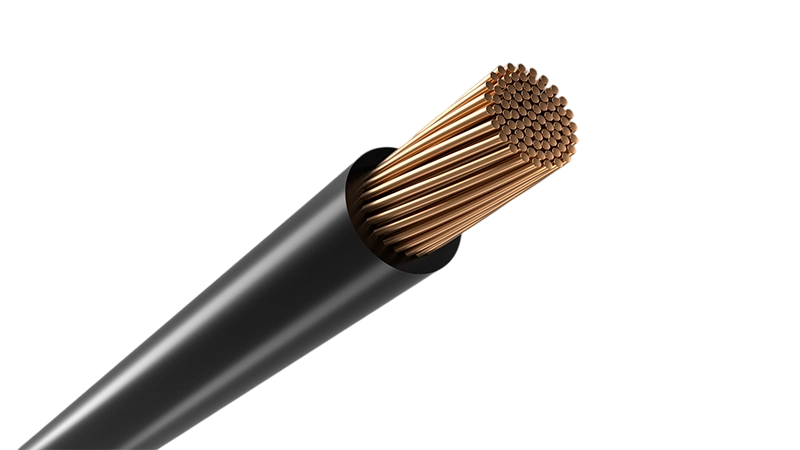
Flexible 450/750 V PVC wire for protected conduit, panel and grounding connections.
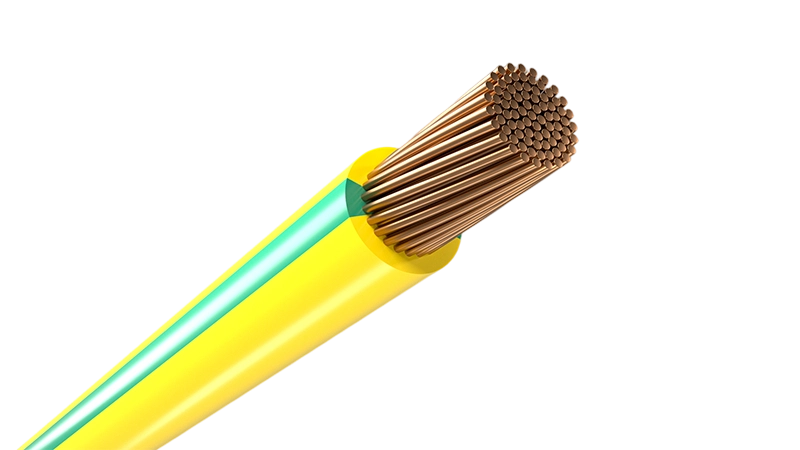
Flexible PVC insulated earthing cable for residential solar PV system grounding
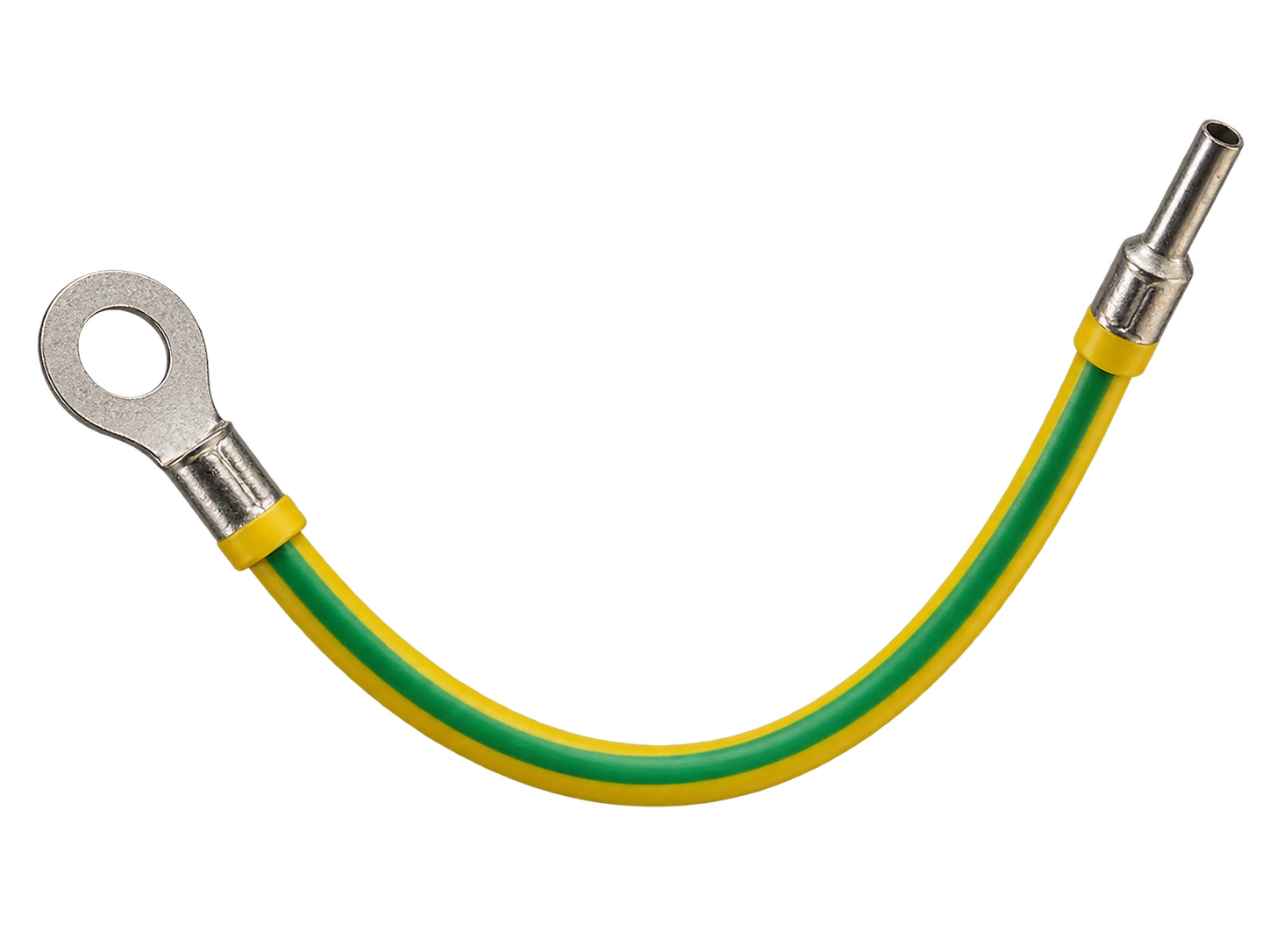
Green/yellow H07V-K grounding lead with factory-crimped ring / OT terminal for ready-to-install earthing and bonding connections.
Bare 25 mm² Class 2 stranded copper conductor for earthing, grounding and equipotential bonding.
Flexible 450/750 V PVC wire for protected conduit, panel and grounding connections.
H1Z2Z2-K 1.5 kV DC solar cable with a nylon barrier beneath the outer sheath for PV routes that need a non-metallic physical defence against rodent damage.
H1Z2Z2-K 1.5 kV DC solar cable with external steel-wire armour for fixed PV routes exposed to severe rodent activity or mechanical damage.
H1Z2Z2-K 1.5 kV DC solar cable with a capsaicin-based rodent-deterrent sheath for PV routes where chemical protection is preferred over added armour.
Factory-terminated PV extension cable for controlled module, string and combiner-box connections.
Joined twin PV cable for orderly positive and negative string routing beneath solar modules.
Single-core PV cable for reliable DC wiring across rooftop and ground-mounted solar arrays.
Flexible PVC insulated earthing cable for residential solar PV system grounding
Green/yellow H07V-K grounding lead with factory-crimped ring / OT terminal for ready-to-install earthing and bonding connections.
Bare 25 mm² Class 2 stranded copper conductor for earthing, grounding and equipotential bonding.
Flexible 450/750 V PVC wire for protected conduit, panel and grounding connections.
Flexible Eca-s1a,d1,a1 grounding cable for commercial and industrial installations
Flexible PVC insulated earthing cable for residential solar PV system grounding
Solid 450/750 V PVC wire for stable fixed circuits in protected conduit and building installations.
Class 2 stranded 300/500 V PVC wire for fixed equipment and panel routes needing moderate flexibility.
Solid 300/500 V PVC wire for simple, stable fixed connections inside protected equipment and conduit.
Class 2 stranded 450/750 V PVC wire for protected fixed routes requiring easier pulling and forming.
300/500 V PVC-sheathed cable for fixed surface and flush-mounted installations in Finnish building wiring.
Flexible 300/500 V PVC wire for compact equipment, switchgear and control-panel connections.
Flexible 450/750 V PVC wire for protected conduit, panel and grounding connections.
High-performance medium-voltage cable for demanding industrial and commercial networks
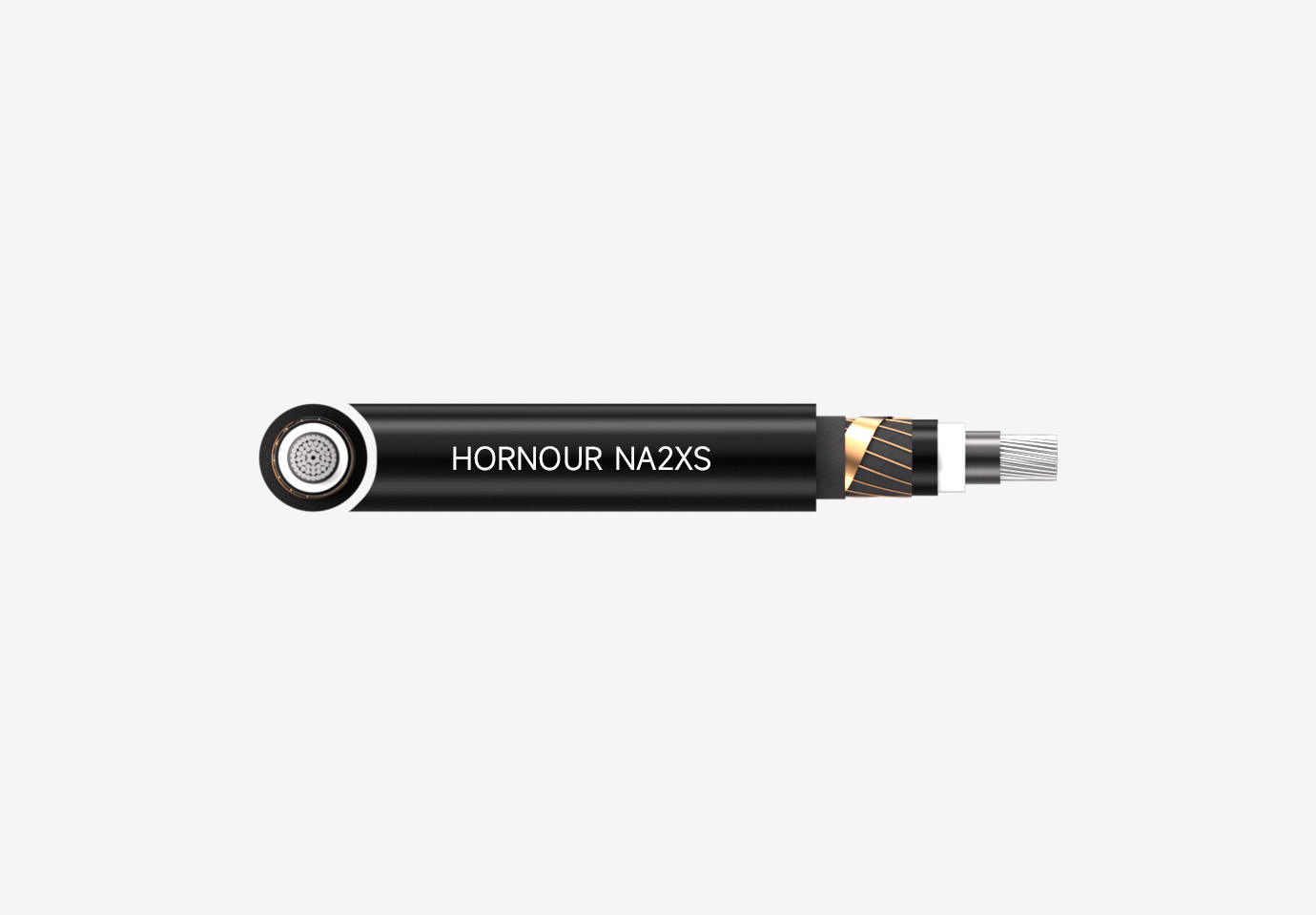
High-performance medium-voltage cable for demanding industrial and commercial networks
High-performance medium-voltage cable for demanding industrial and commercial networks
Reliable medium-voltage cable for commercial and industrial energy networks
Durable medium-voltage cable for industrial and commercial power distribution
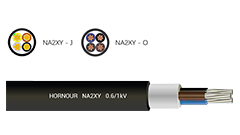
XLPE Insulated Aluminum Conductor 0.6/1 kV Power Cable
XLPE Insulated and PVC Sheathed 0.6/1 kV Power Cable for Commercial & Industrial Distribution
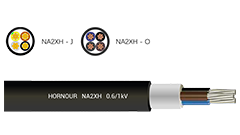
XLPE Insulated and PVC Sheathed Heavy-Duty Power Cable for Commercial & Industrial Applications
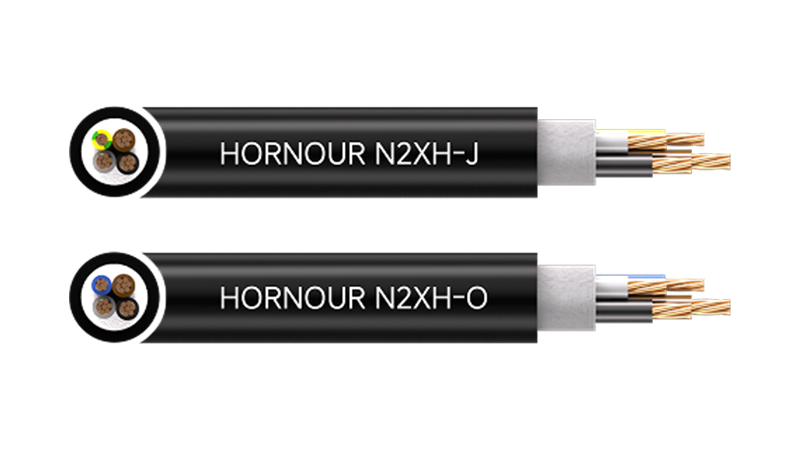
Halogen-Free XLPE Insulated 0.6/1 kV Power Cable
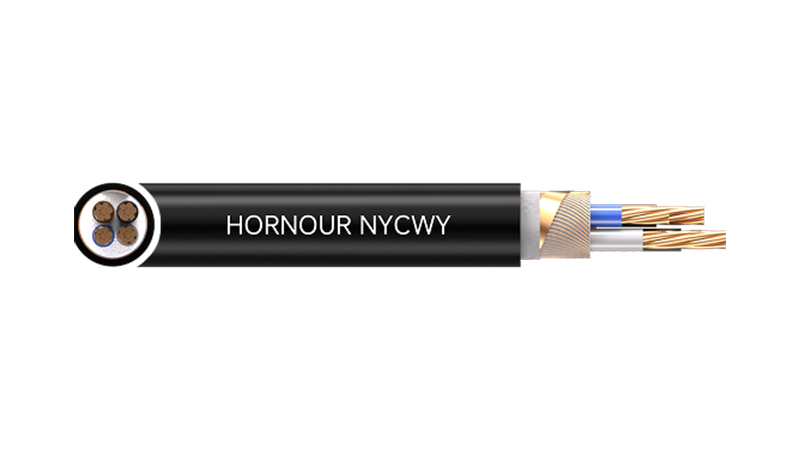
Copper Conductor Wire Armored Cable for Industrial & Commercial Installations
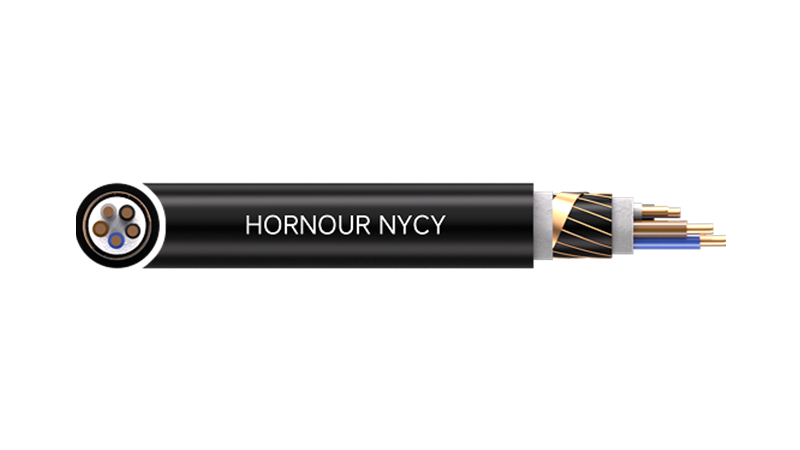
Copper Conductor Concentric Cable for Industrial & Commercial Installations
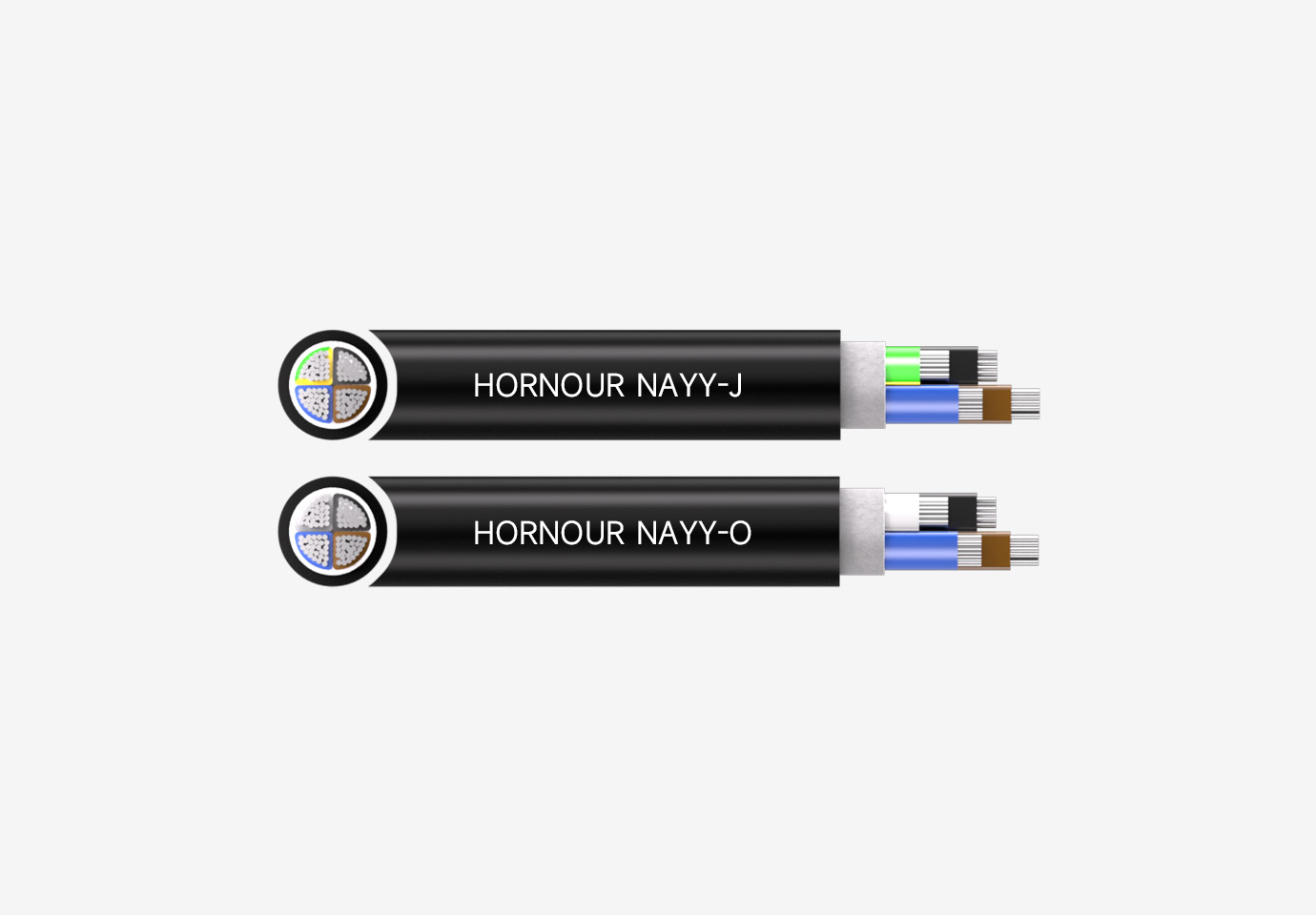
Aluminum Conductor PVC Insulated 0.6/1 kV Power Cable

hot search


Residential rooftops (moderate climates): Eca, cost-efficient
Residential (hot & humid climates): Cca
Commercial complexes: B2ca/Cca depending on fire regulation
Industrial rooftop PV: Dca or Cca
Hornour can provide project-specific consultation.
Follow manufacturer specifications: generally 10 × cable outer diameter for single-core, 6 × for multi-core. Proper bending avoids damage and maintains warranty.
Yes, if separated according to electrical standards and proper insulation distances to avoid interference.
Ensure correct pulling tension, avoid sharp bends, and follow thermal dissipation guidelines to maintain performance and warranty.
Designed for 25+ years of service, depending on installation, environmental conditions, and maintenance.
Electron beam XLPO: no chemical agents, consistent crosslinking, superior thermal & UV stability, environmentally friendlier.
IEC 62930, EN 50618, UL 4703, and CE/CPR ensure cables meet fire, electrical, and mechanical standards for global PV projects.
XLPO insulation + electron beam crosslinking ensures high UV resistance, thermal stability, and moisture resistance.