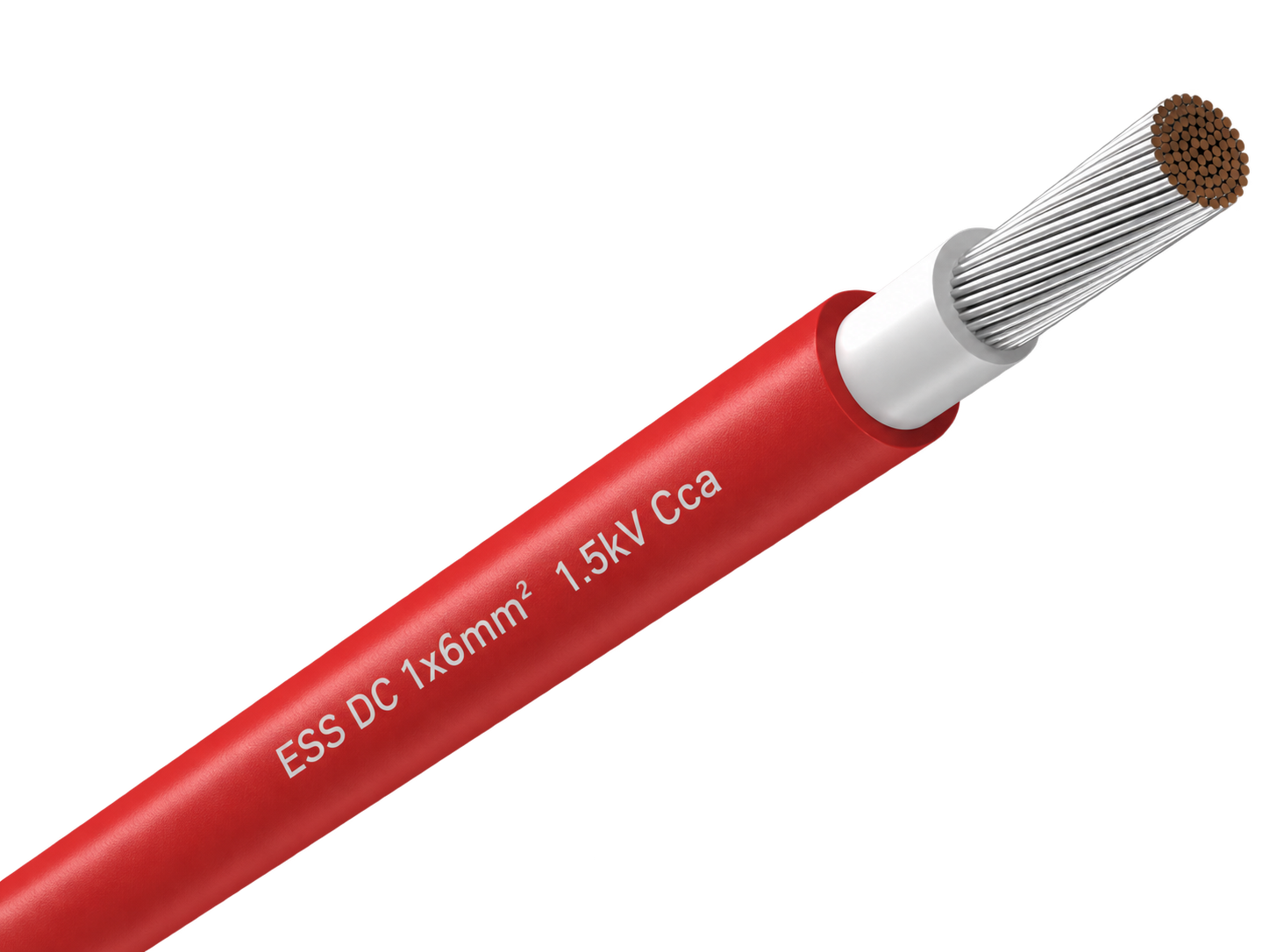
H1Z2Z2-K Nylon-Barrier Rodent-Resistant Solar Cable
H1Z2Z2-K 1.5 kV DC solar cable with a nylon barrier beneath the outer sheath for PV routes that need a non-metallic physical defence against rodent damage.

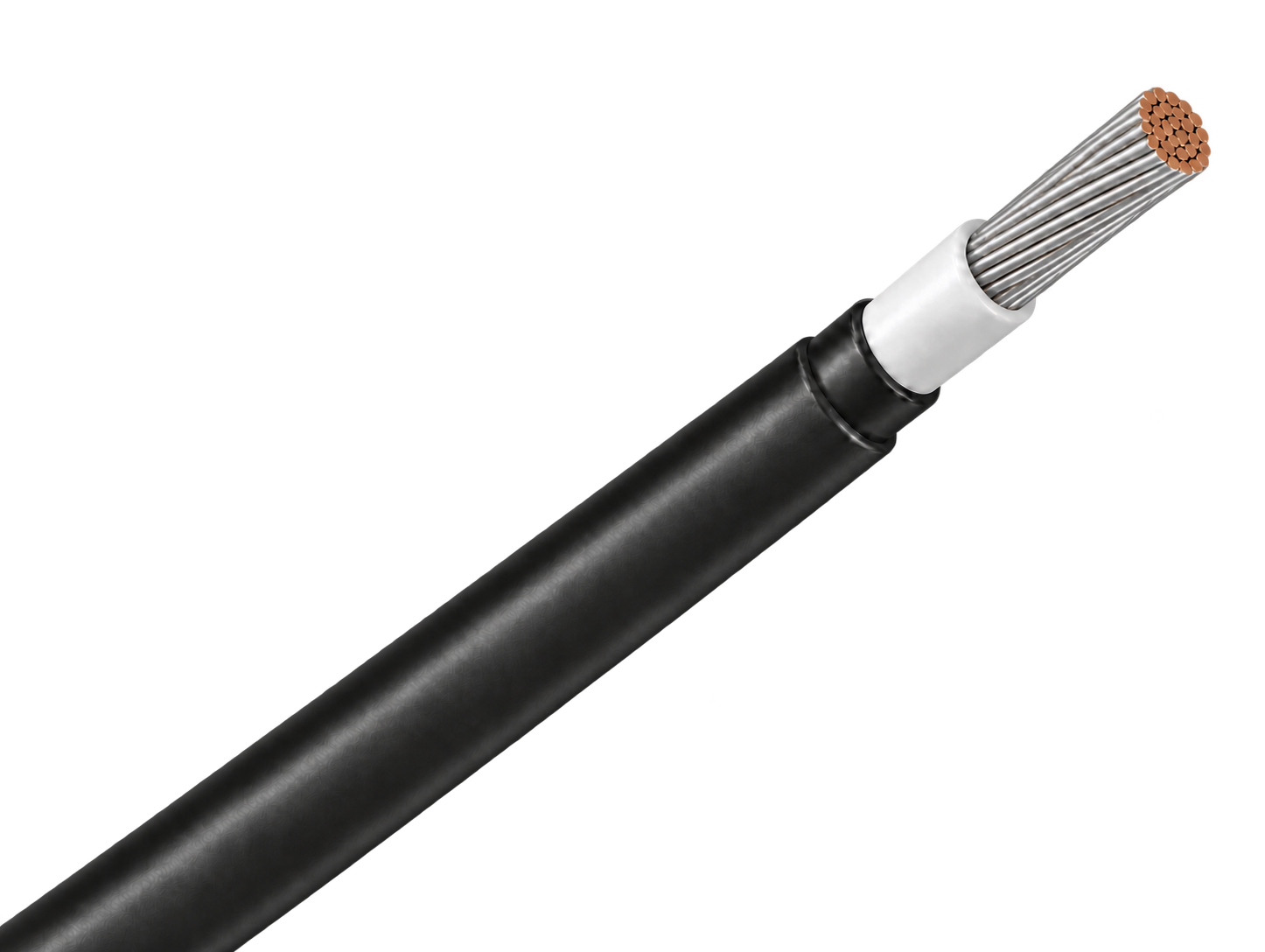
H1Z2Z2-K 1.5 kV DC solar cable with a nylon barrier beneath the outer sheath for PV routes that need a non-metallic physical defence against rodent damage.
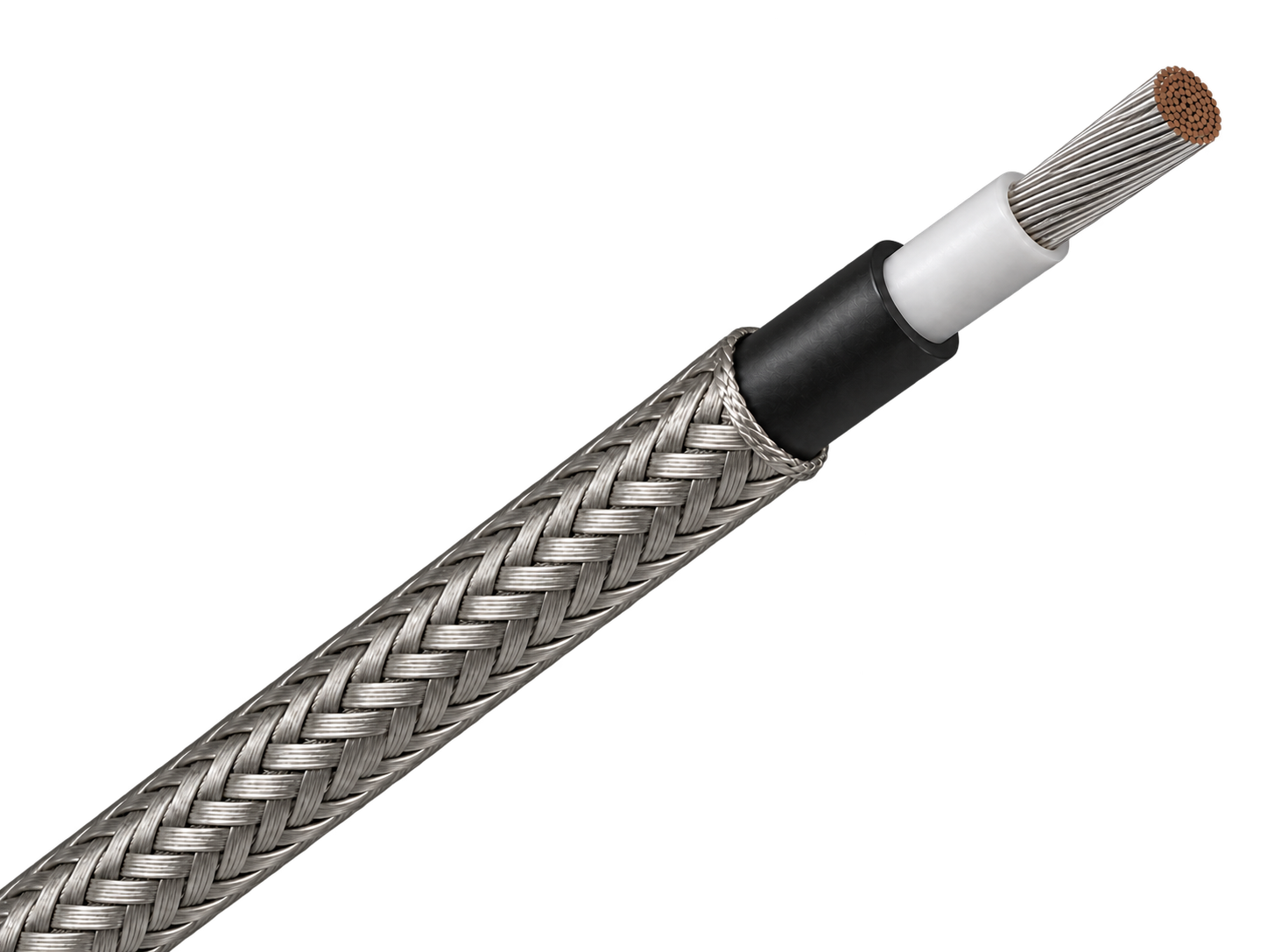
H1Z2Z2-K 1.5 kV DC solar cable with external steel-wire armour for fixed PV routes exposed to severe rodent activity or mechanical damage.
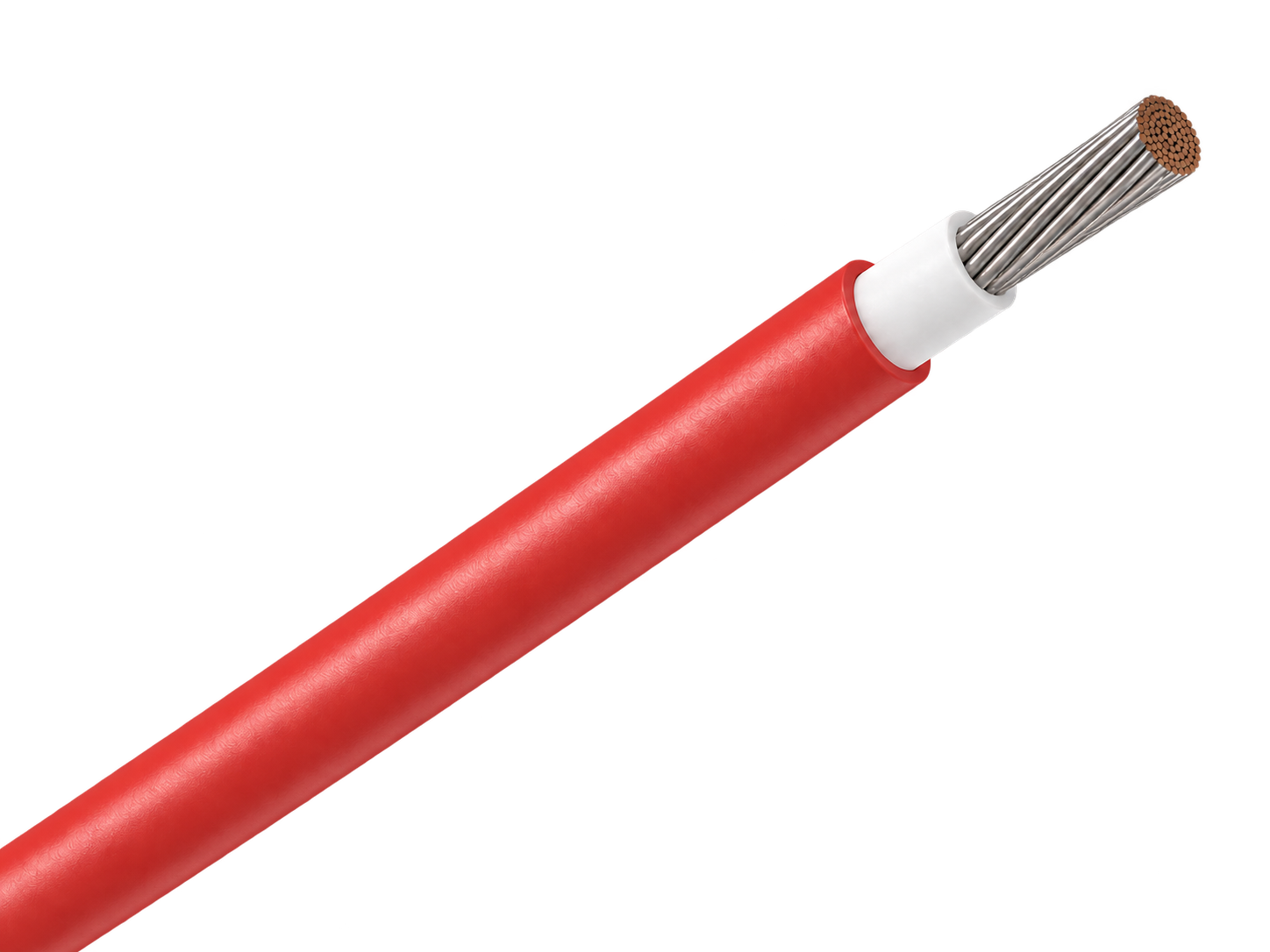
H1Z2Z2-K 1.5 kV DC solar cable with a capsaicin-based rodent-deterrent sheath for PV routes where chemical protection is preferred over added armour.
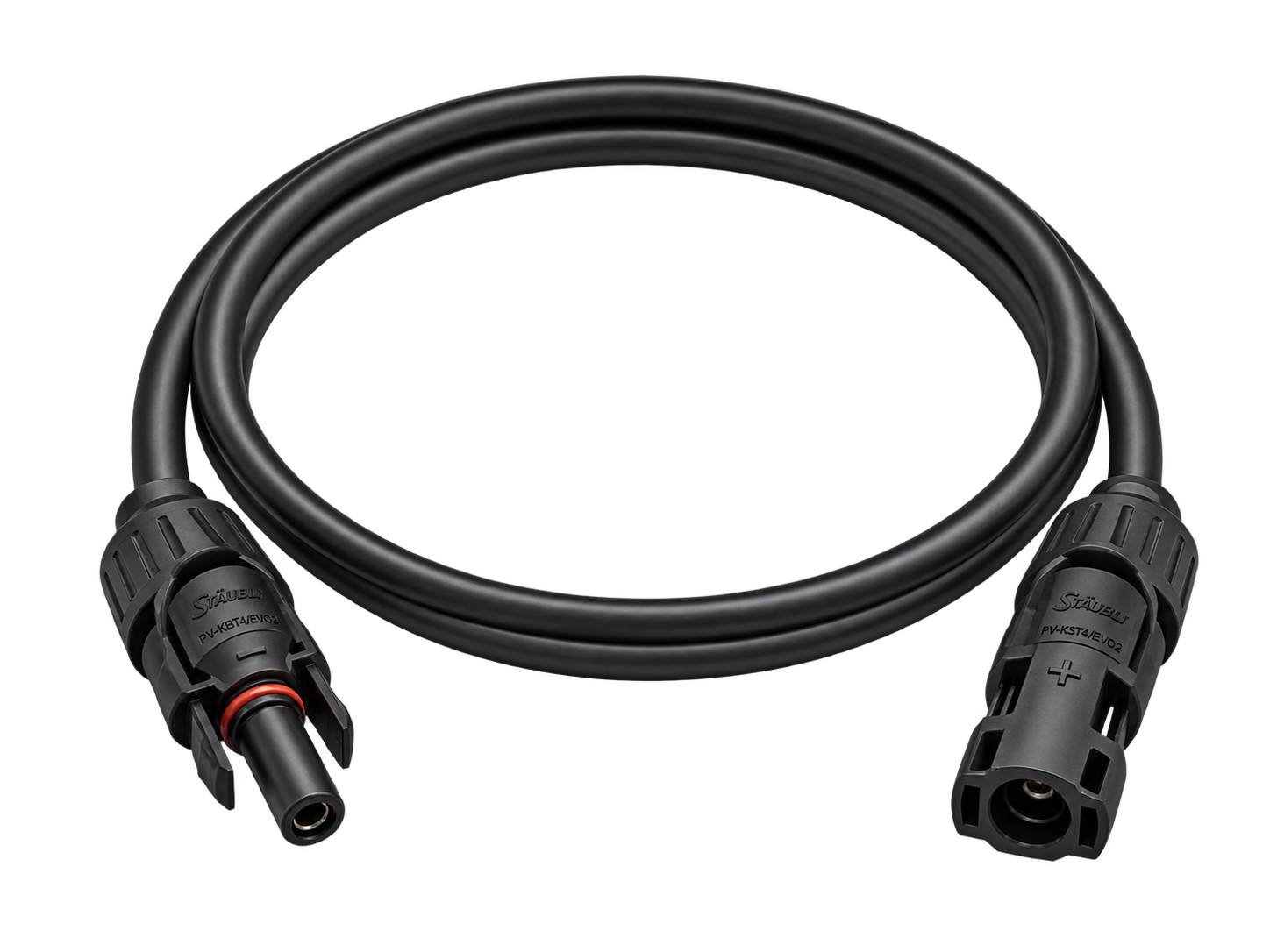
Factory-terminated PV extension cable for controlled module, string and combiner-box connections.
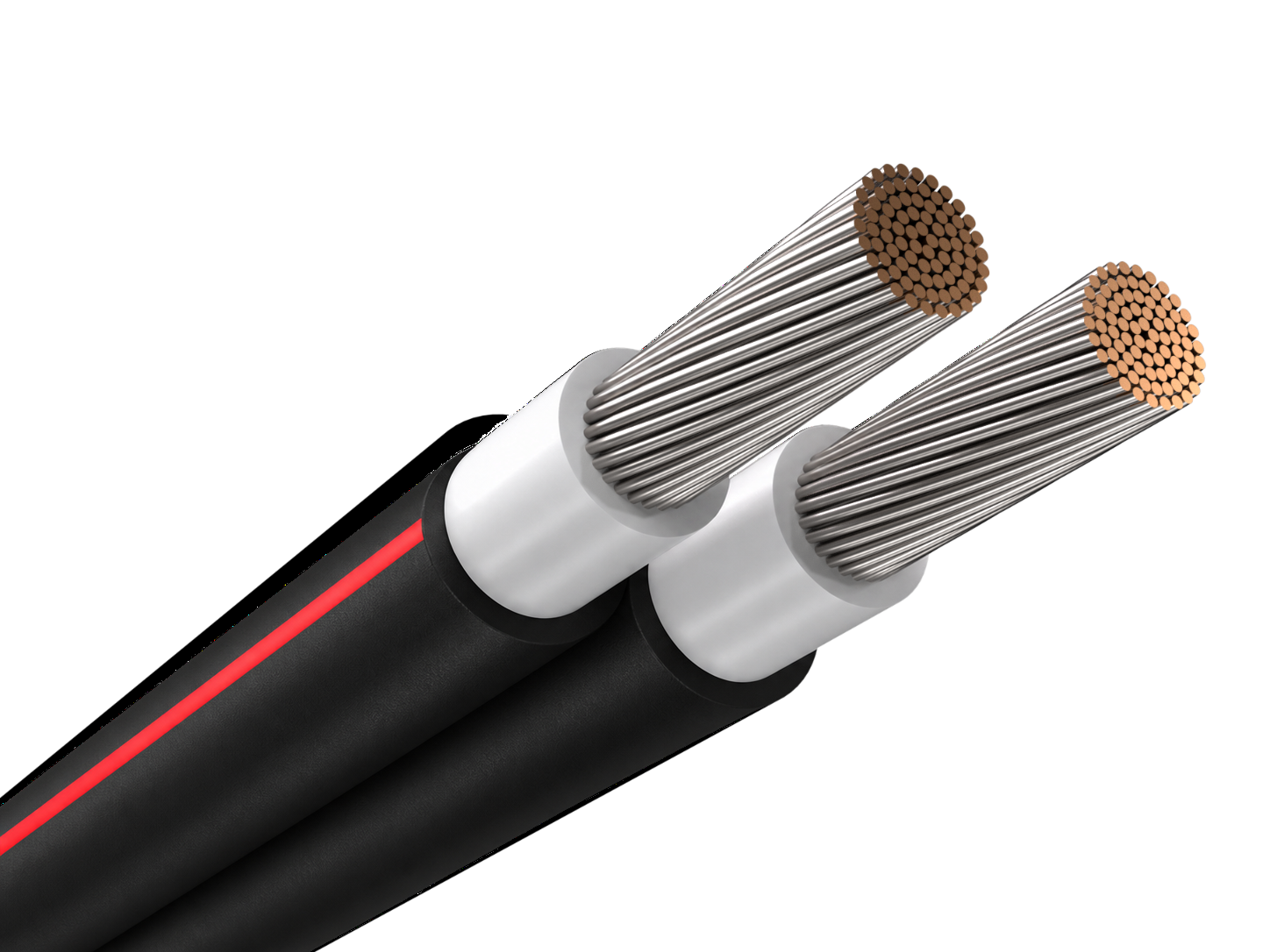
Joined twin PV cable for orderly positive and negative string routing beneath solar modules.
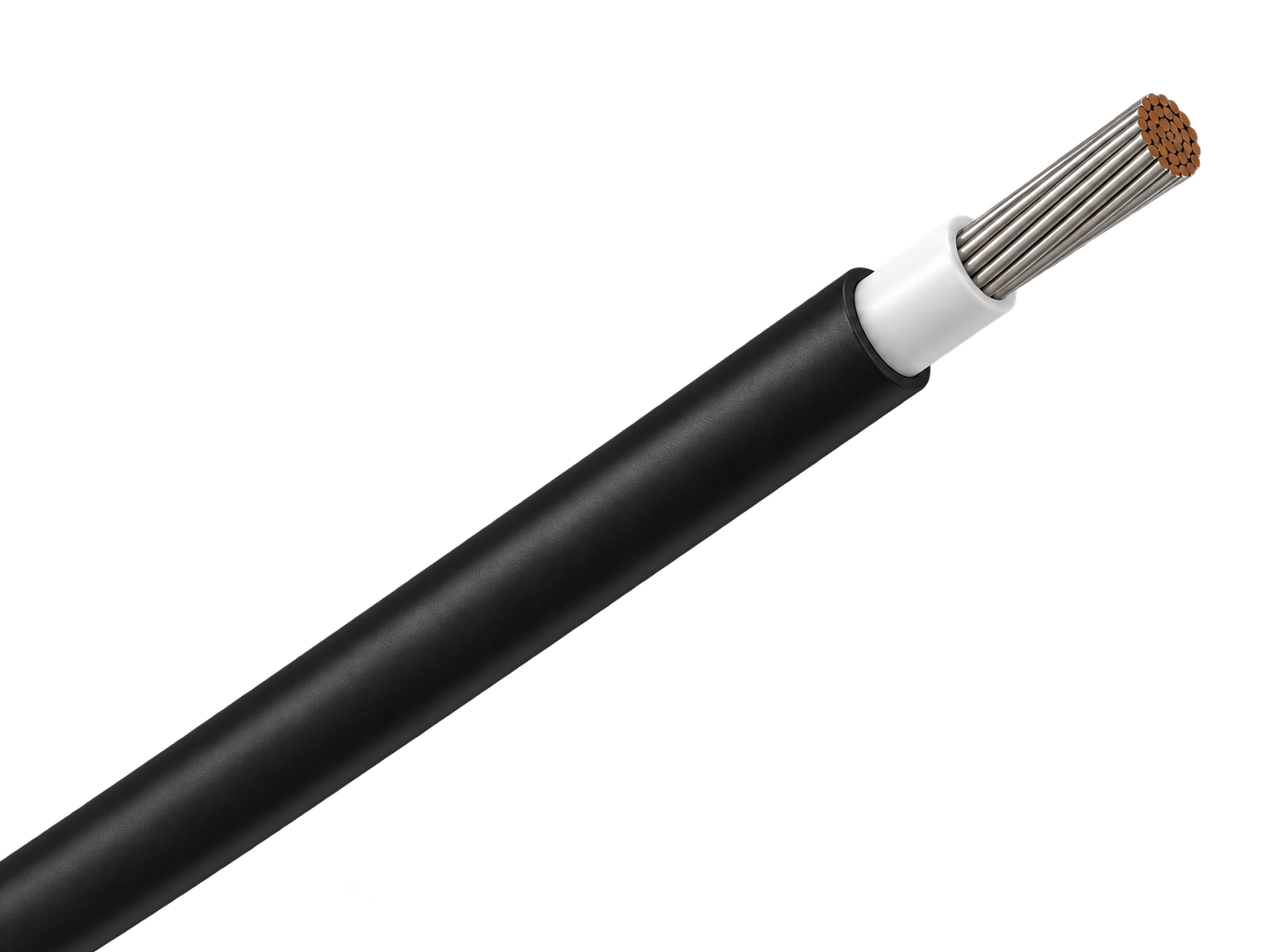
Single-core PV cable for reliable DC wiring across rooftop and ground-mounted solar arrays.
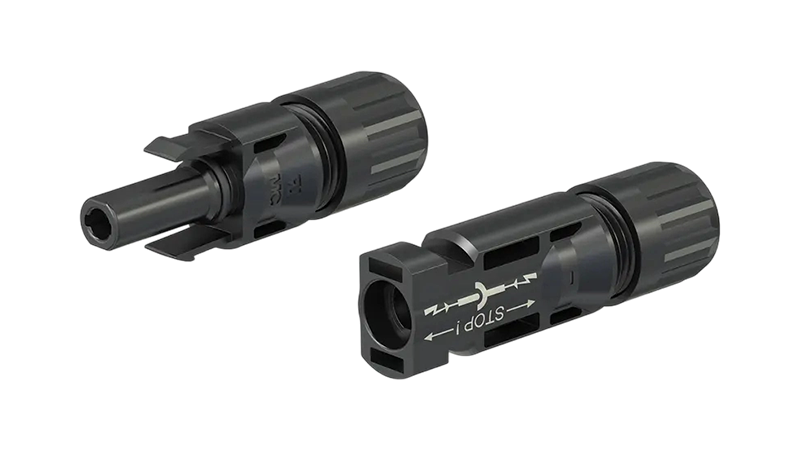
Original 4 mm DC PV connector for field-assembled module, string and extension-cable connections.
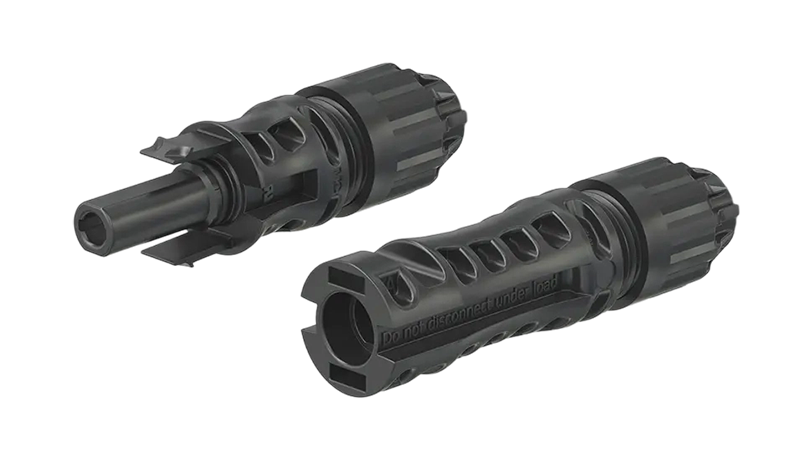
1500 V DC Original Stäubli PV connector for high-current string, extension and equipment connections.
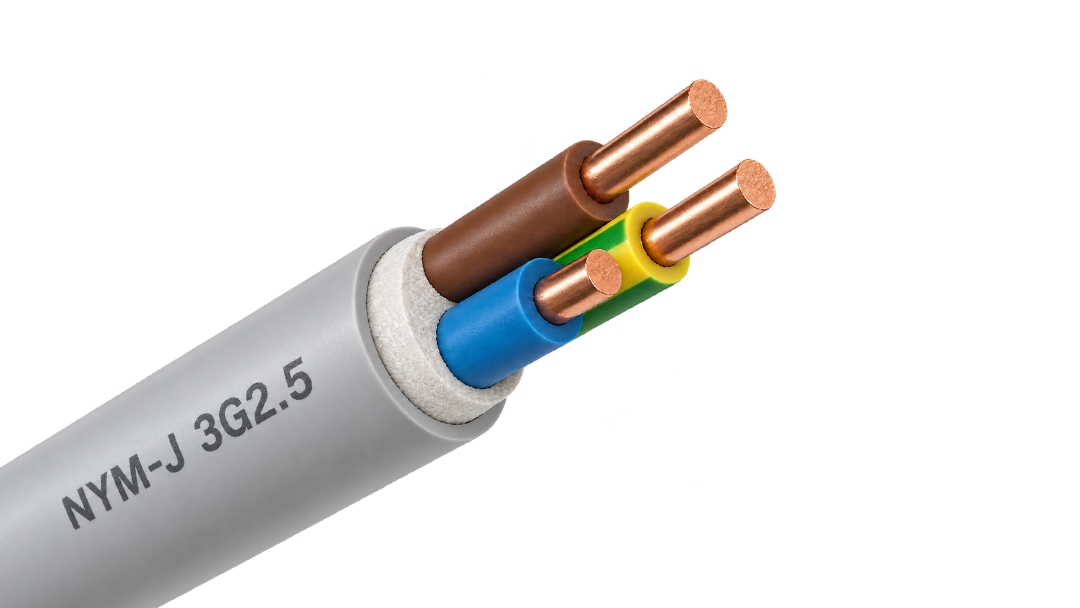
PVC-sheathed 300/500 V cable for fixed power and lighting circuits inside buildings and panels.
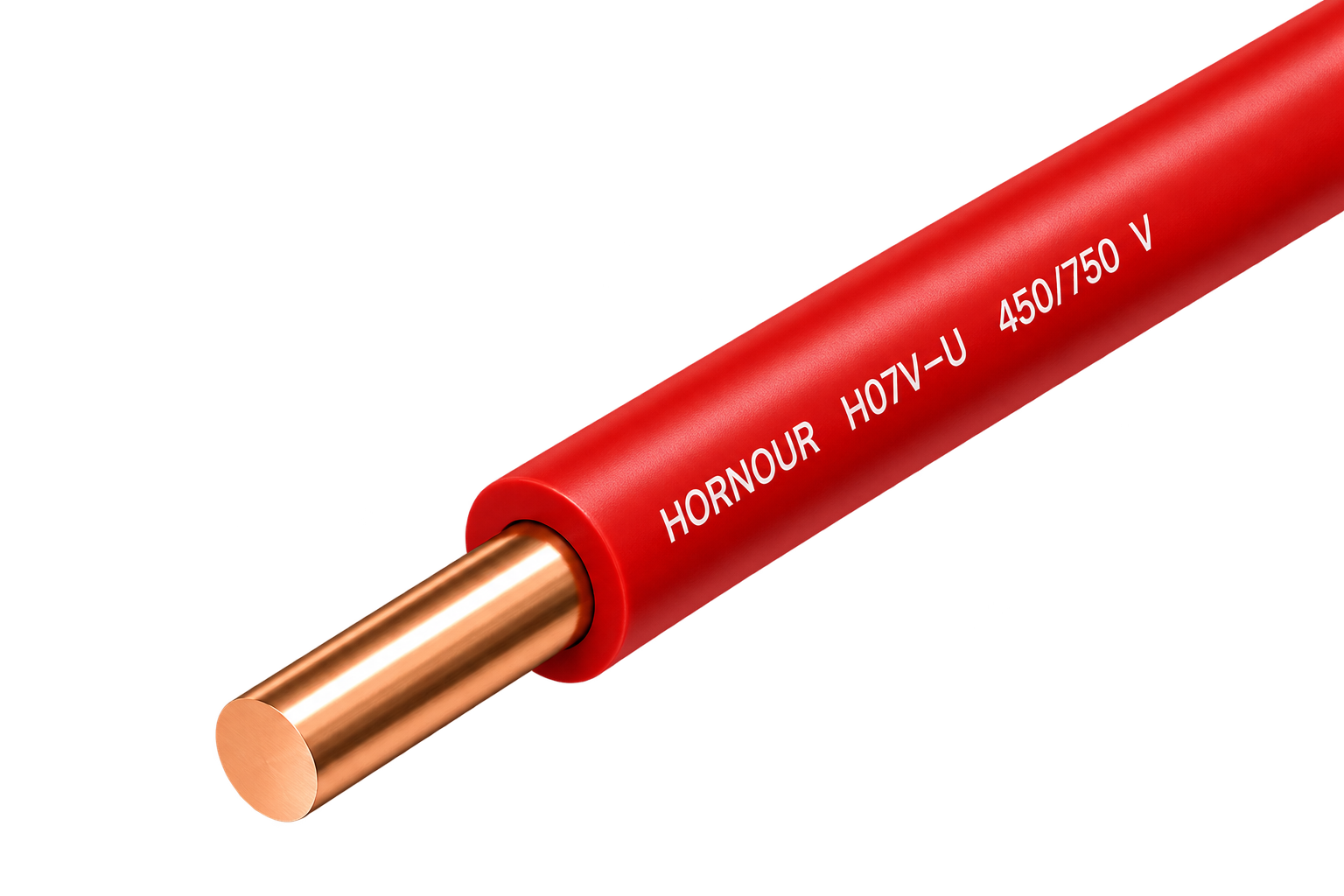
Solid 450/750 V PVC wire for stable fixed circuits in protected conduit and building installations.
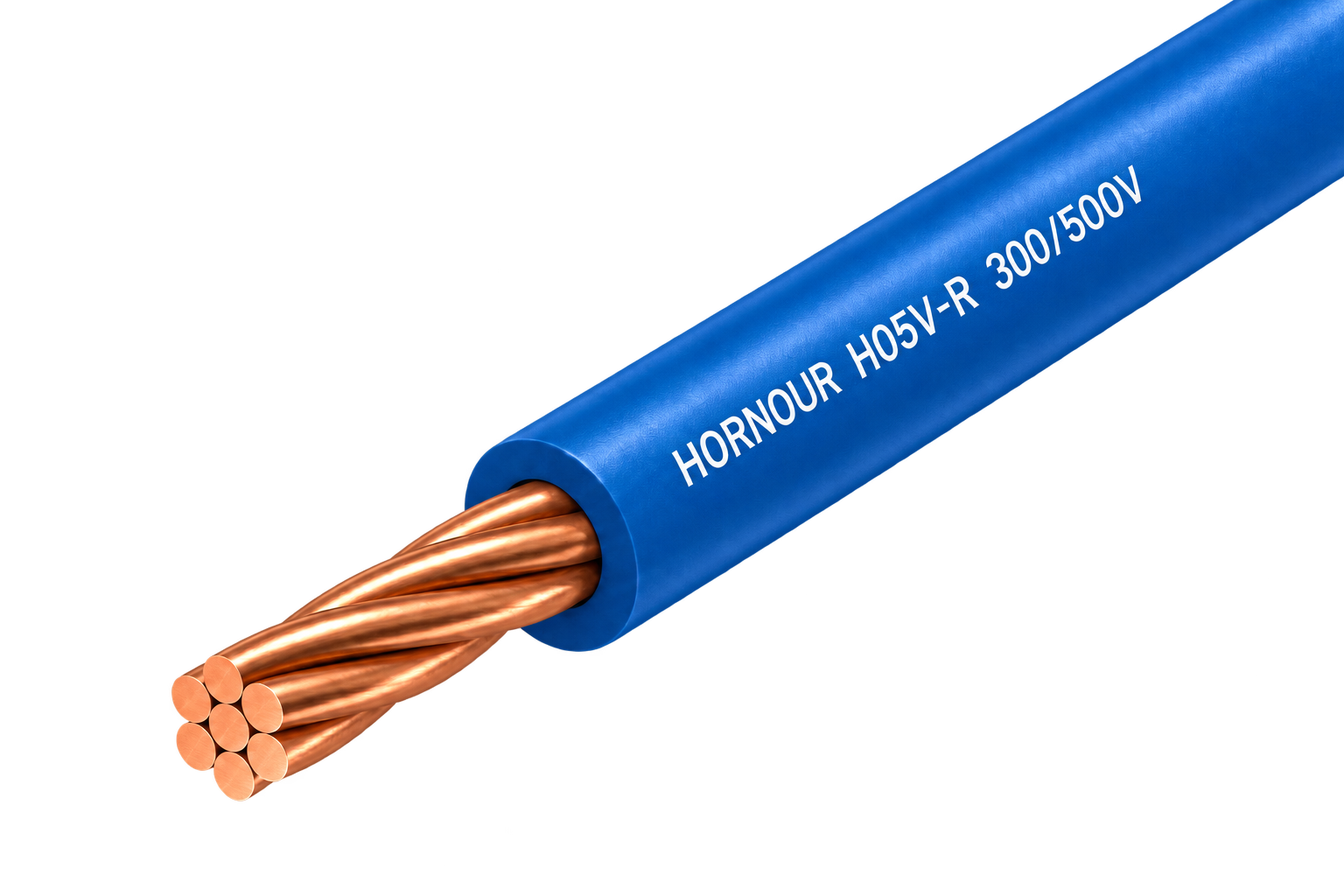
Class 2 stranded 300/500 V PVC wire for fixed equipment and panel routes needing moderate flexibility.
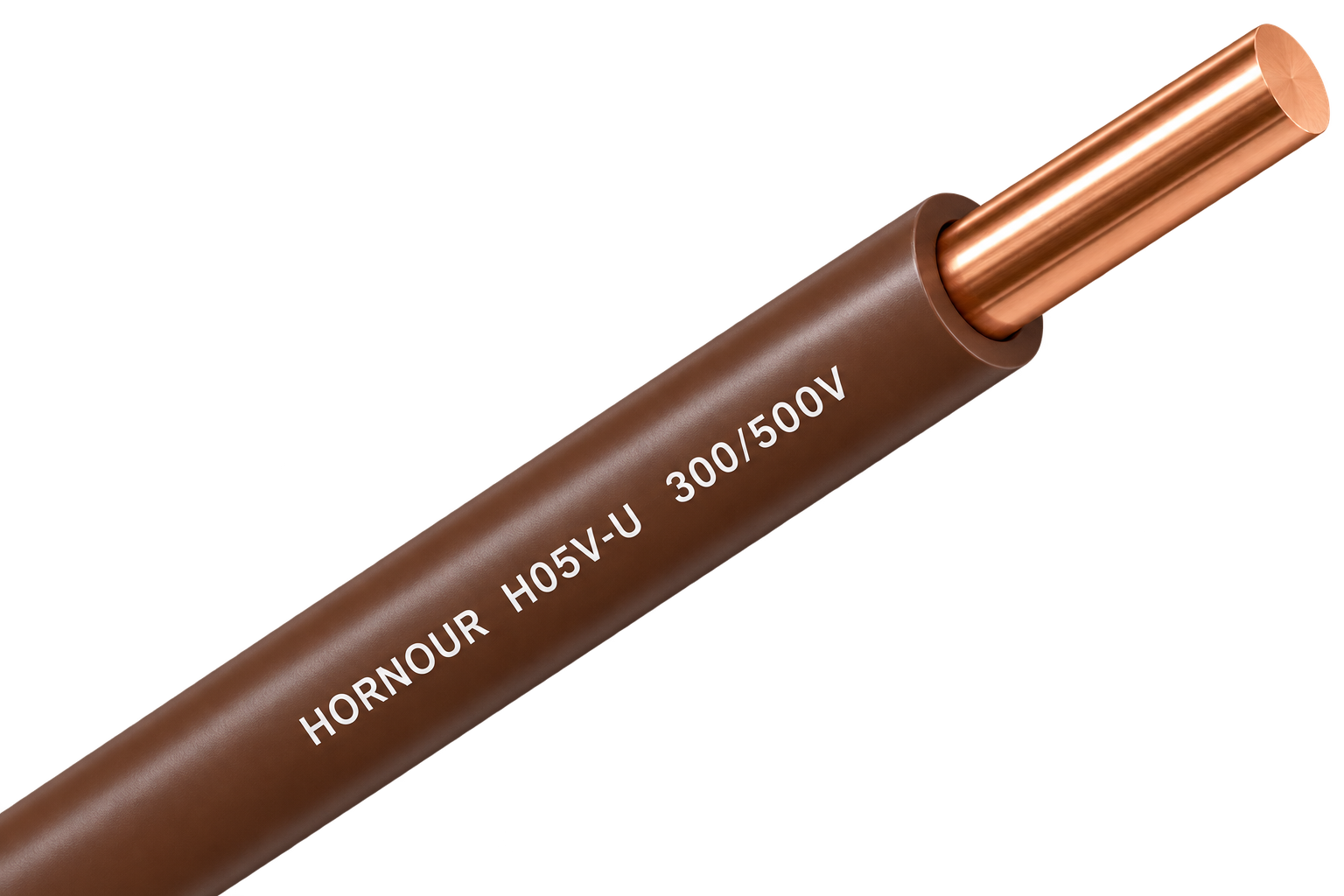
Solid 300/500 V PVC wire for simple, stable fixed connections inside protected equipment and conduit.
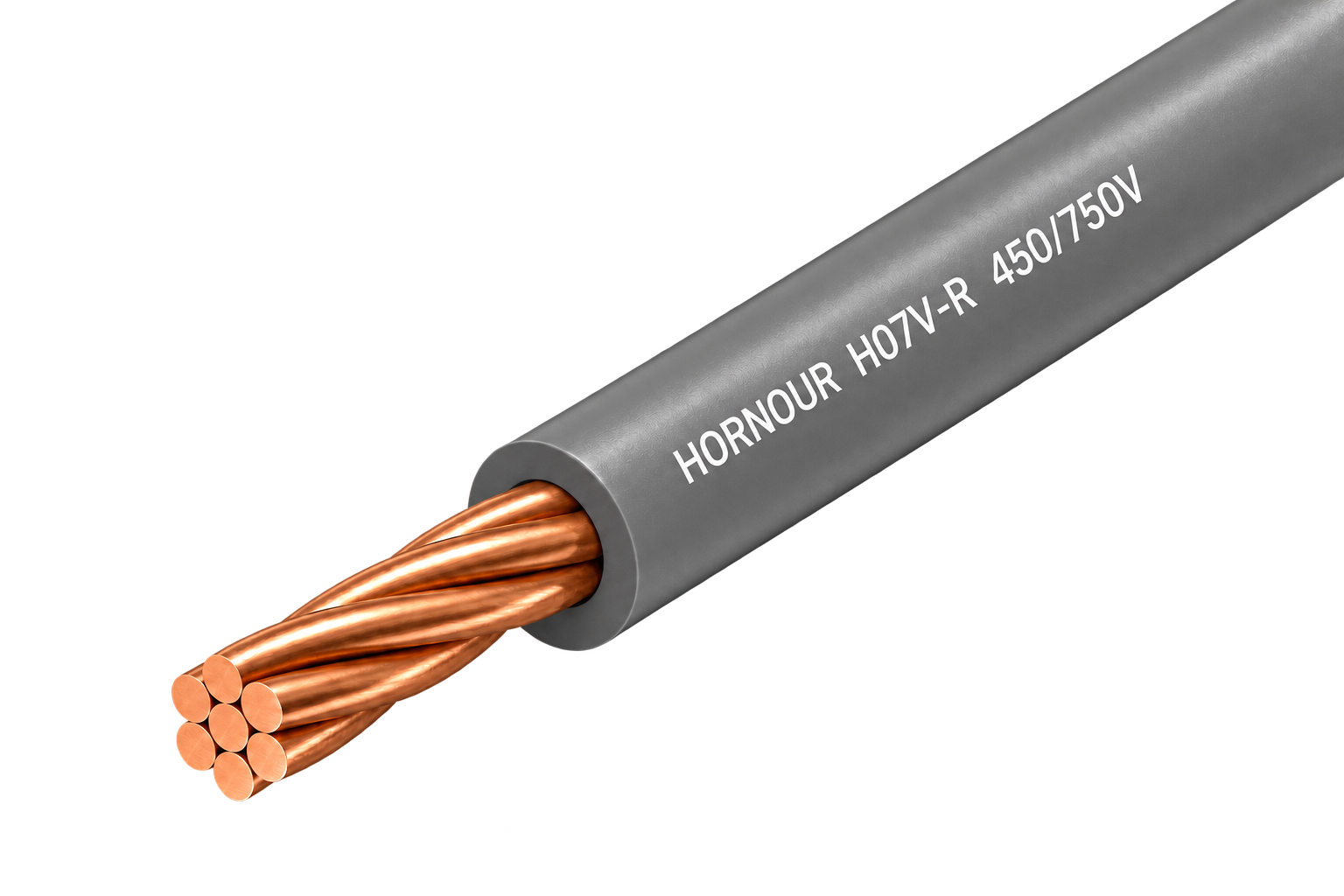
Class 2 stranded 450/750 V PVC wire for protected fixed routes requiring easier pulling and forming.
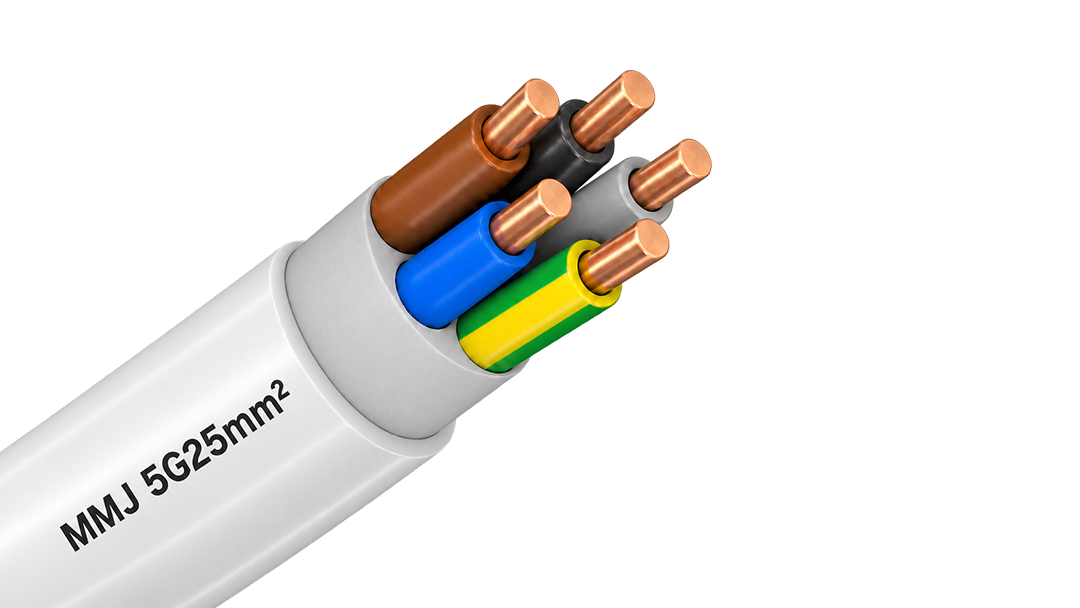
300/500 V PVC-sheathed cable for fixed surface and flush-mounted installations in Finnish building wiring.
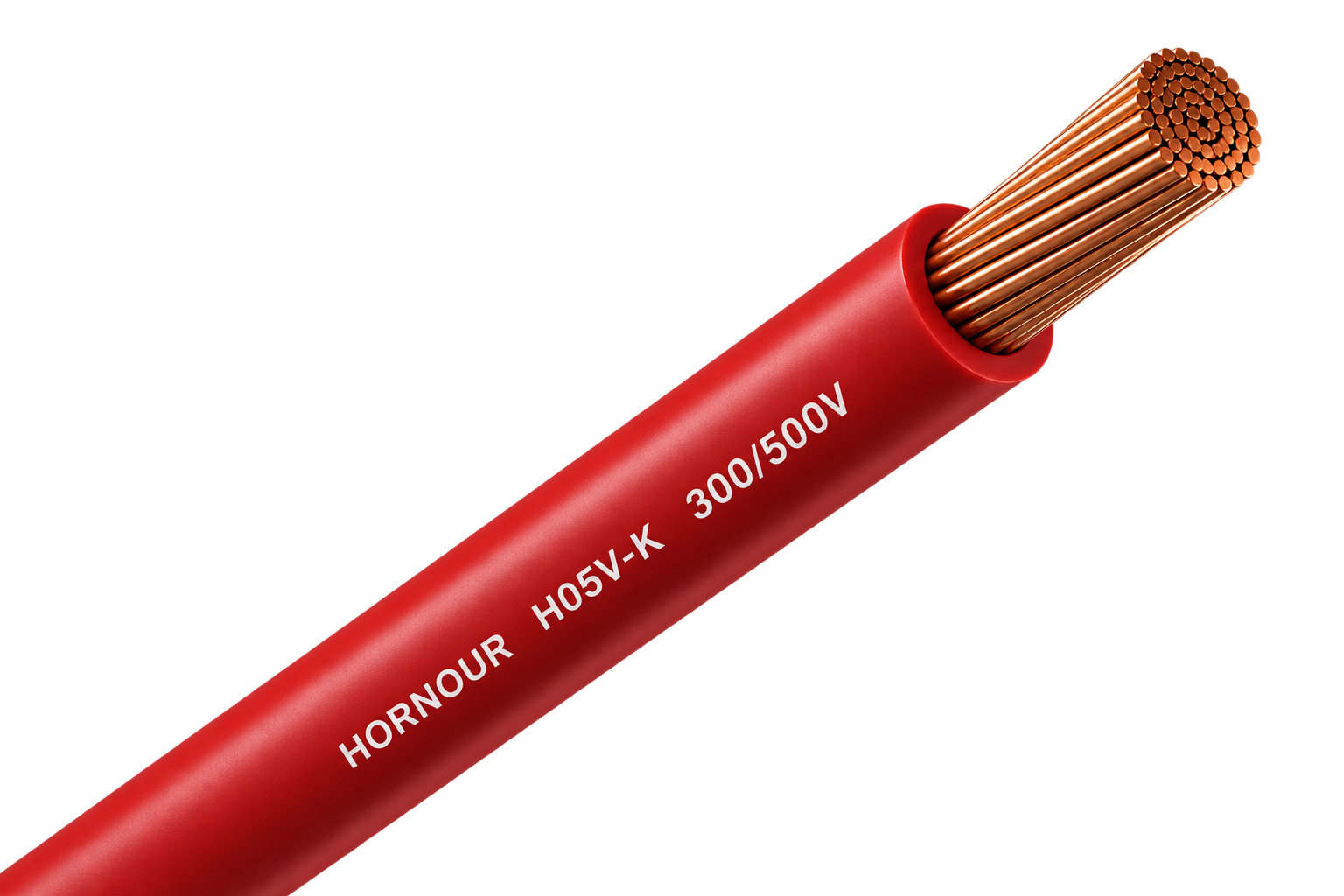
Flexible 300/500 V PVC wire for compact equipment, switchgear and control-panel connections.
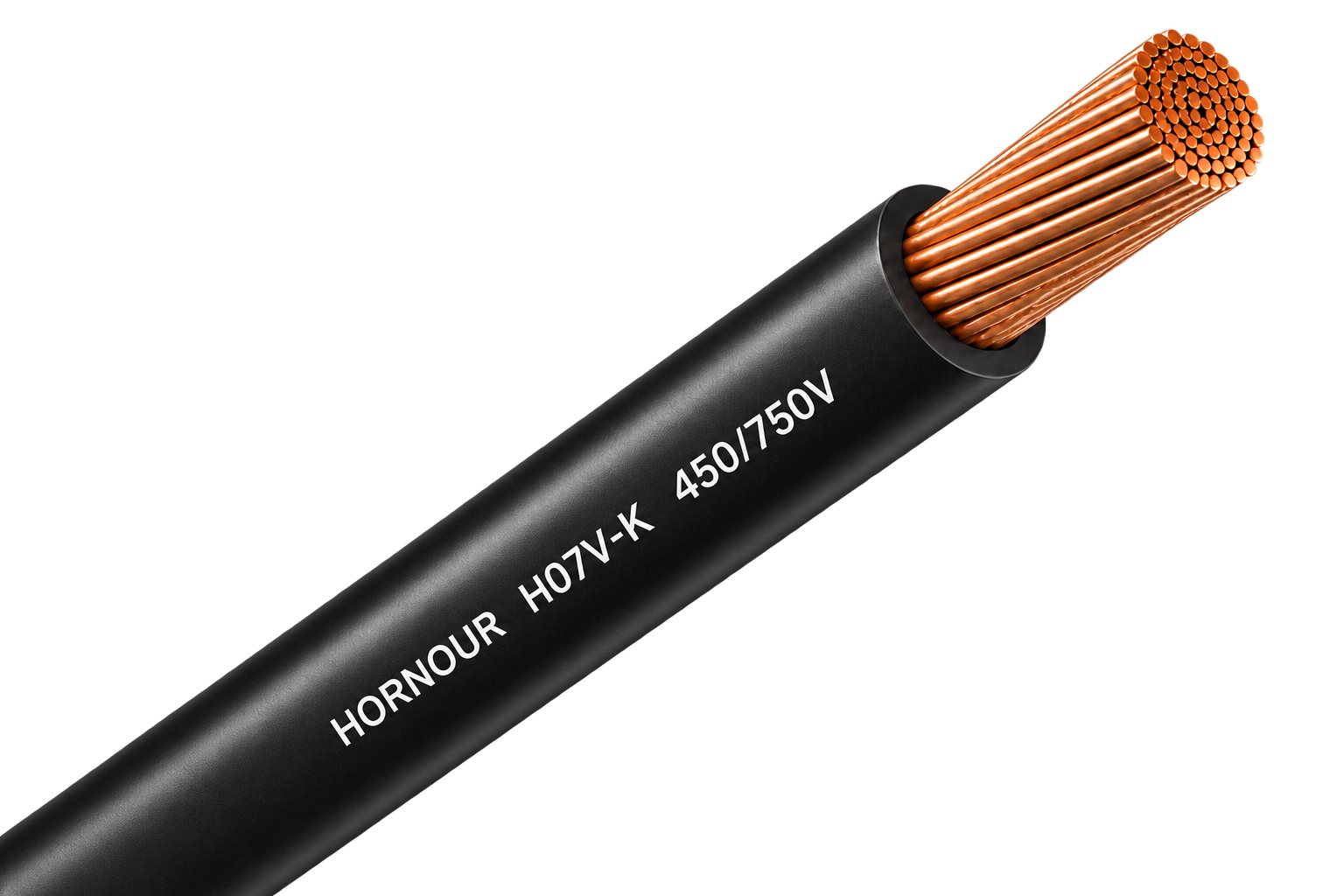
Flexible 450/750 V PVC wire for protected conduit, panel and grounding connections.
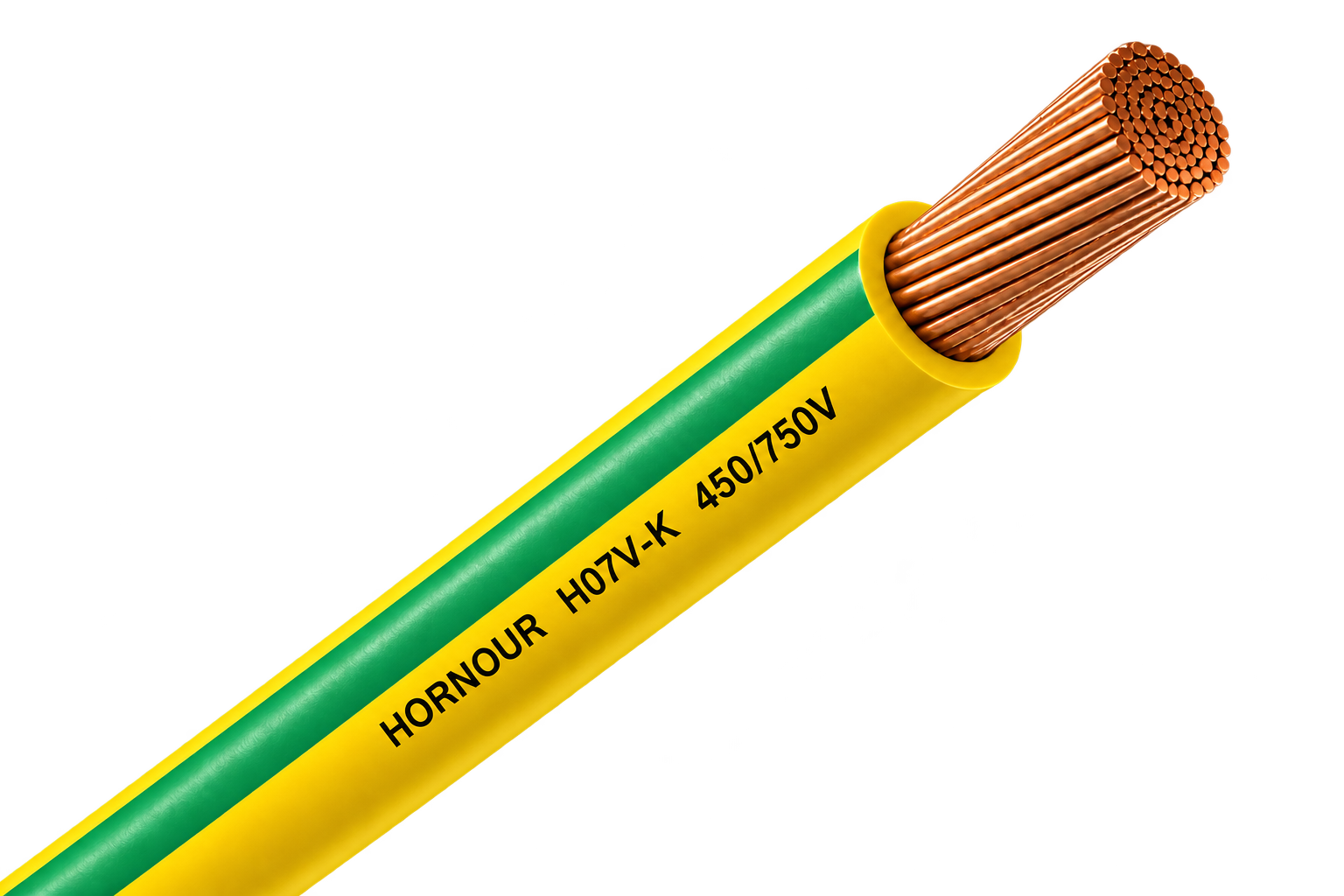
Green/yellow H07V-K Class 5 copper wire for protective-earth and equipotential-bonding connections in PV, ESS and electrical installations.
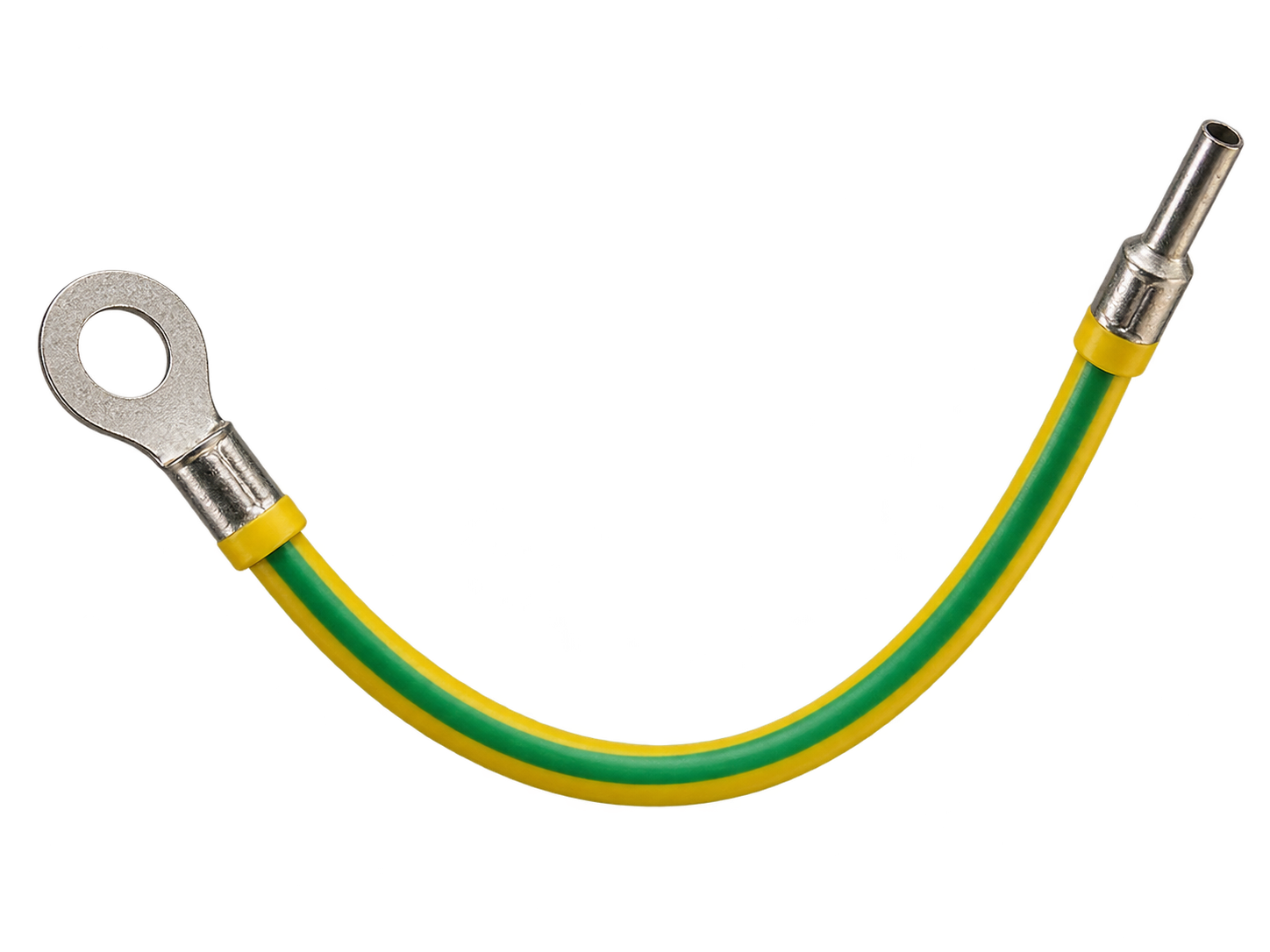
Green/yellow H07V-K grounding lead with factory-crimped ring / OT terminal for ready-to-install earthing and bonding connections.
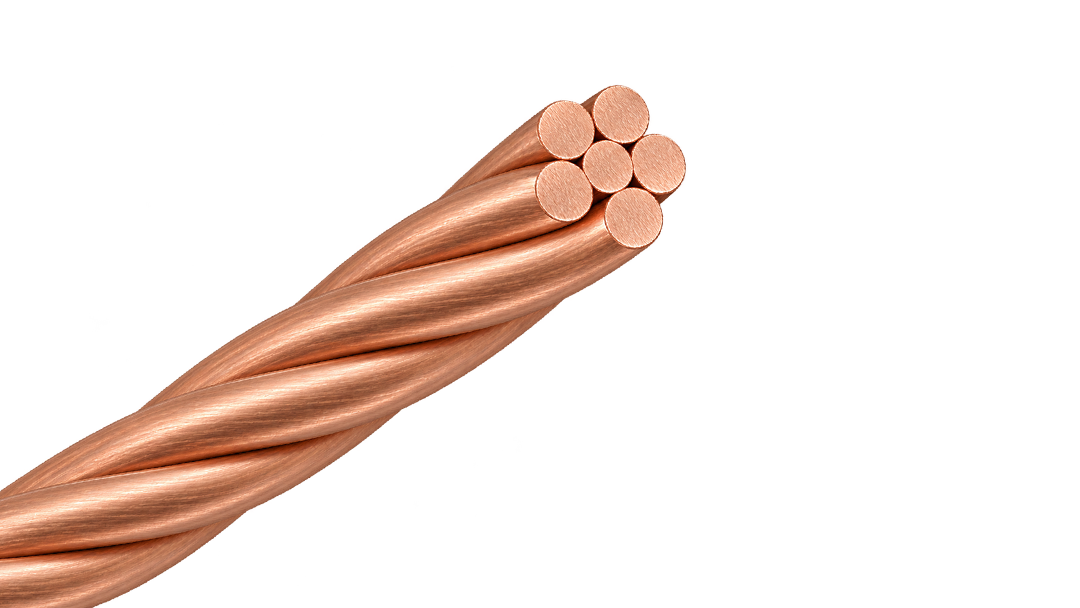
Bare Class 2 stranded copper conductor for earthing and equipotential bonding, available in 16–120 mm².
H1Z2Z2-K 1.5 kV DC solar cable with a nylon barrier beneath the outer sheath for PV routes that need a non-metallic physical defence against rodent damage.
H1Z2Z2-K 1.5 kV DC solar cable with external steel-wire armour for fixed PV routes exposed to severe rodent activity or mechanical damage.
H1Z2Z2-K 1.5 kV DC solar cable with a capsaicin-based rodent-deterrent sheath for PV routes where chemical protection is preferred over added armour.
Factory-terminated PV extension cable for controlled module, string and combiner-box connections.
Joined twin PV cable for orderly positive and negative string routing beneath solar modules.
Single-core PV cable for reliable DC wiring across rooftop and ground-mounted solar arrays.
Green/yellow H07V-K Class 5 copper wire for protective-earth and equipotential-bonding connections in PV, ESS and electrical installations.
Green/yellow H07V-K grounding lead with factory-crimped ring / OT terminal for ready-to-install earthing and bonding connections.
Bare Class 2 stranded copper conductor for earthing and equipotential bonding, available in 16–120 mm².
PVC-sheathed 300/500 V cable for fixed power and lighting circuits inside buildings and panels.
Solid 450/750 V PVC wire for stable fixed circuits in protected conduit and building installations.
Class 2 stranded 300/500 V PVC wire for fixed equipment and panel routes needing moderate flexibility.
Solid 300/500 V PVC wire for simple, stable fixed connections inside protected equipment and conduit.
Class 2 stranded 450/750 V PVC wire for protected fixed routes requiring easier pulling and forming.
300/500 V PVC-sheathed cable for fixed surface and flush-mounted installations in Finnish building wiring.
Flexible 300/500 V PVC wire for compact equipment, switchgear and control-panel connections.
Flexible 450/750 V PVC wire for protected conduit, panel and grounding connections.
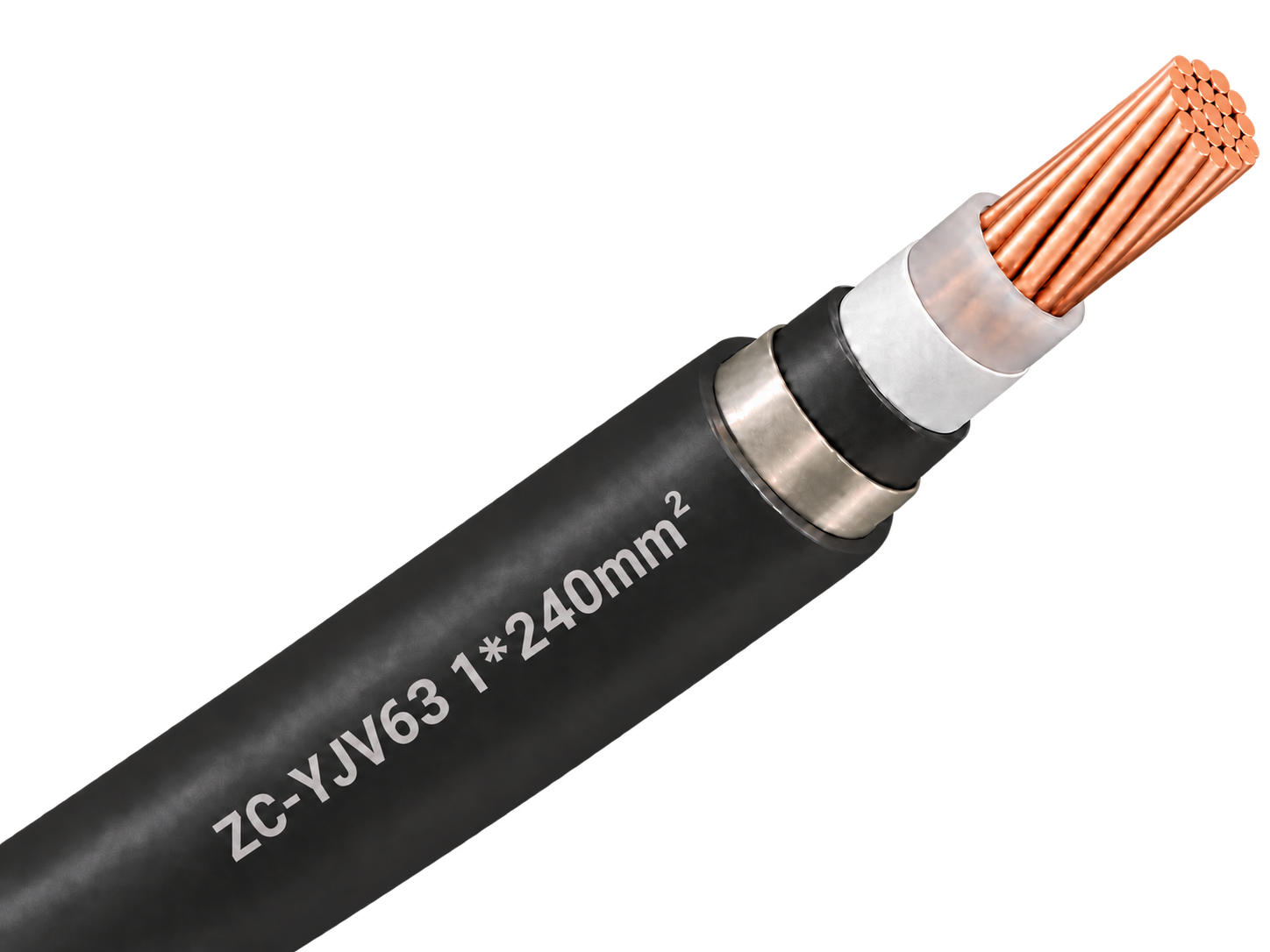
Single-core 1.8/3 kV copper XLPE cable with non-magnetic stainless-steel tape armour, PVC sheath and Category C flame-retardant construction for protected fixed power routes.
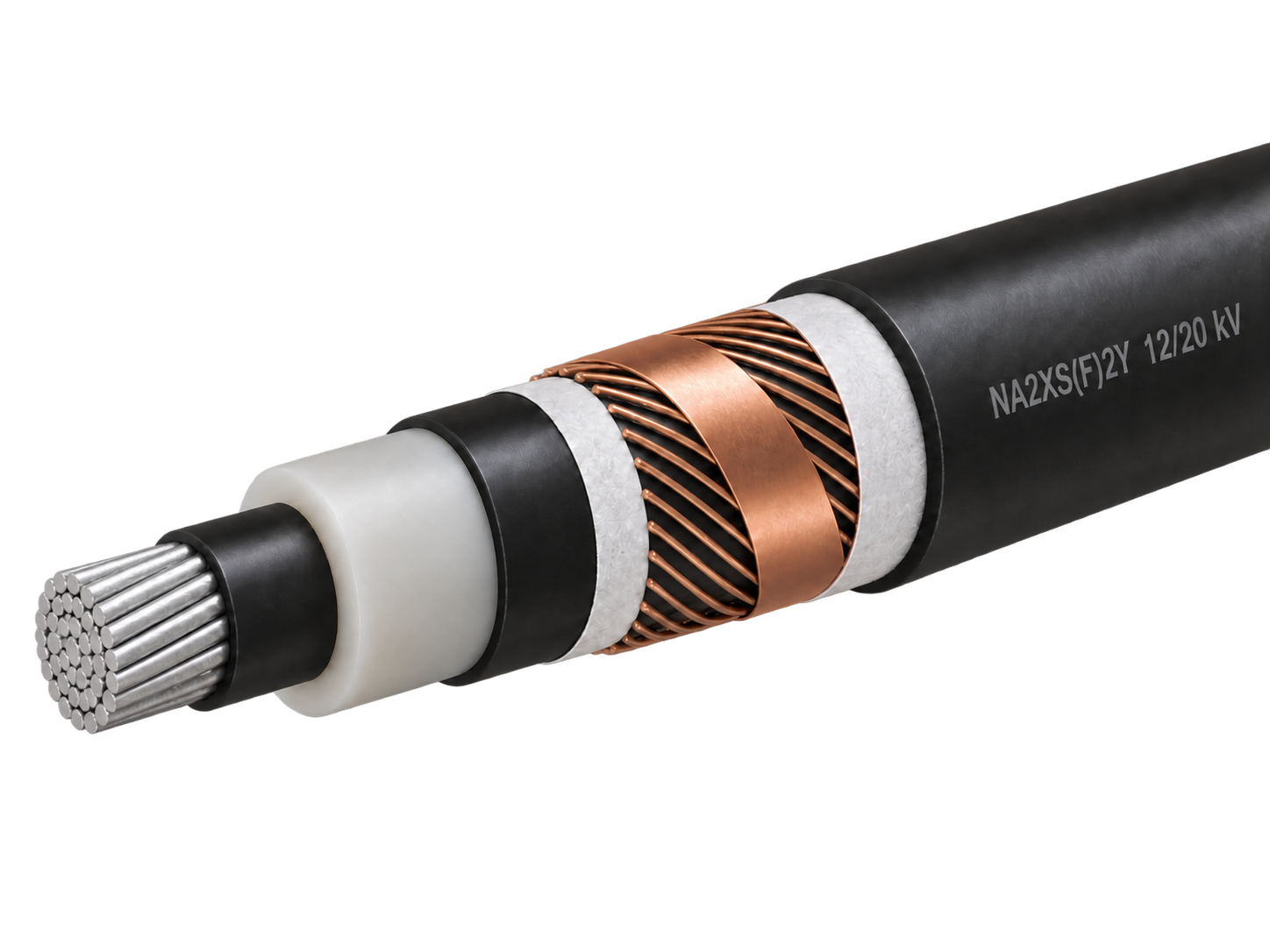
Aluminium XLPE medium-voltage cable with longitudinal water blocking for fixed distribution networks.
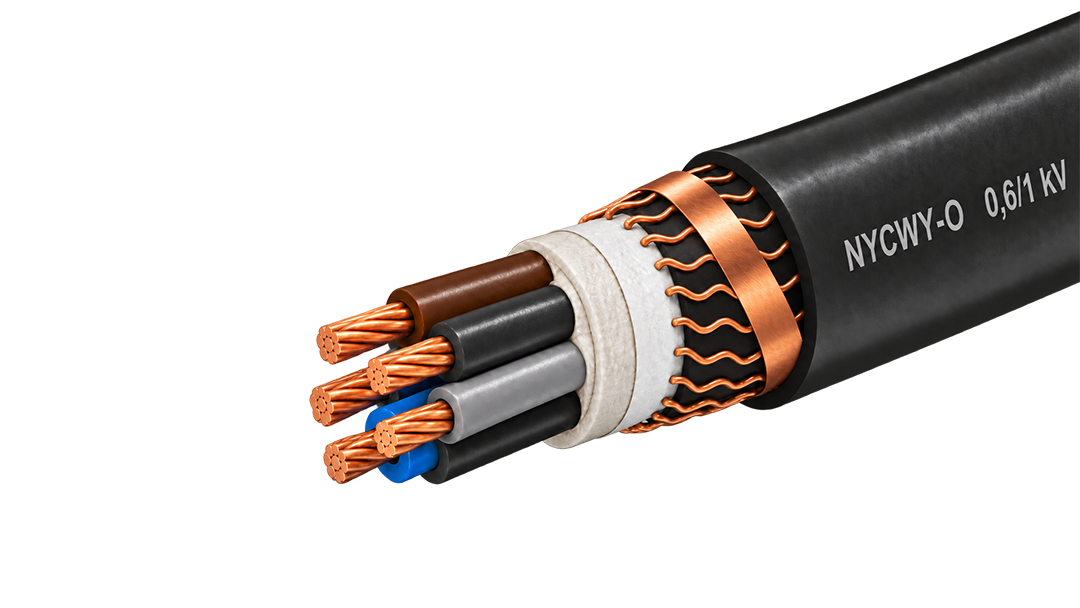
0.6/1 kV copper cable with a wave-laid concentric conductor for fixed distribution and service routes.
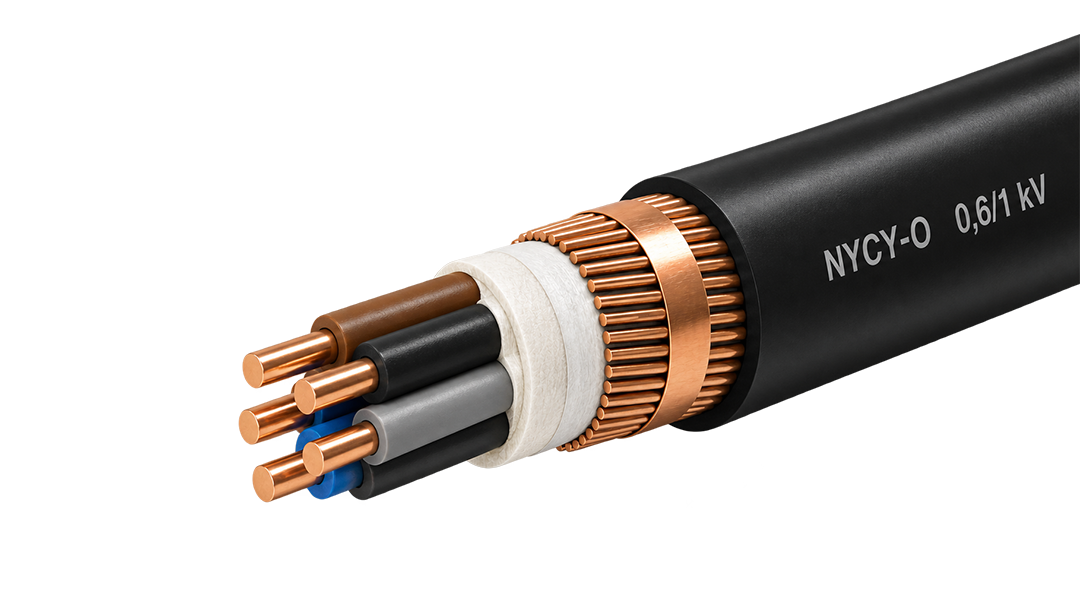
0.6/1 kV copper power cable with a concentric copper layer for service and distribution circuits.
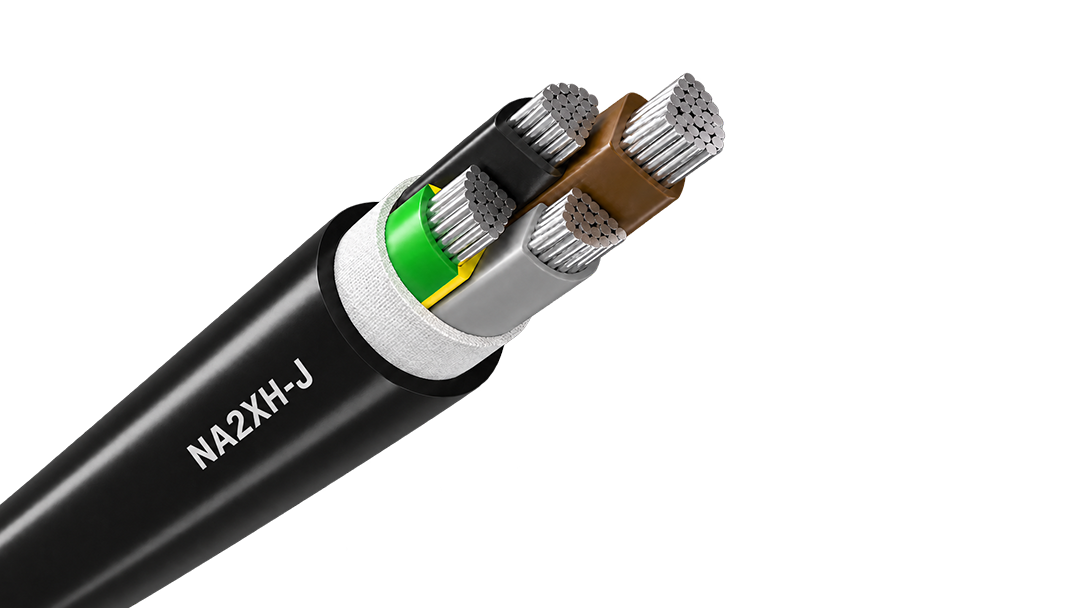
Aluminium halogen-free 0.6/1 kV cable for fire-conscious fixed distribution and long feeders.
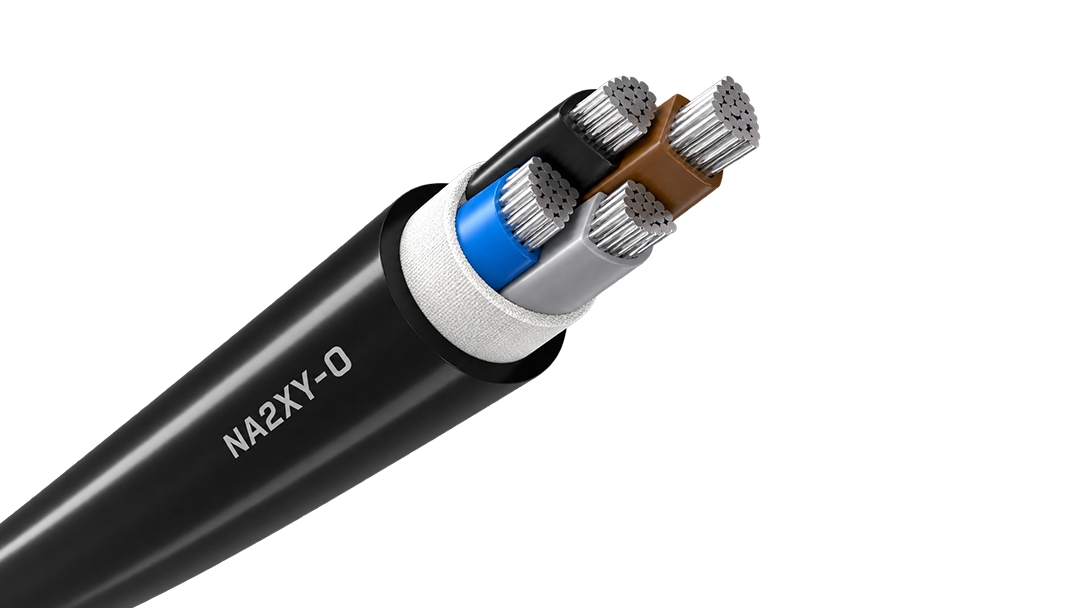
Aluminium XLPE power cable for economical fixed distribution, available in 0.6/1 kV and 1.8/3 kV constructions for long outdoor and buried routes.
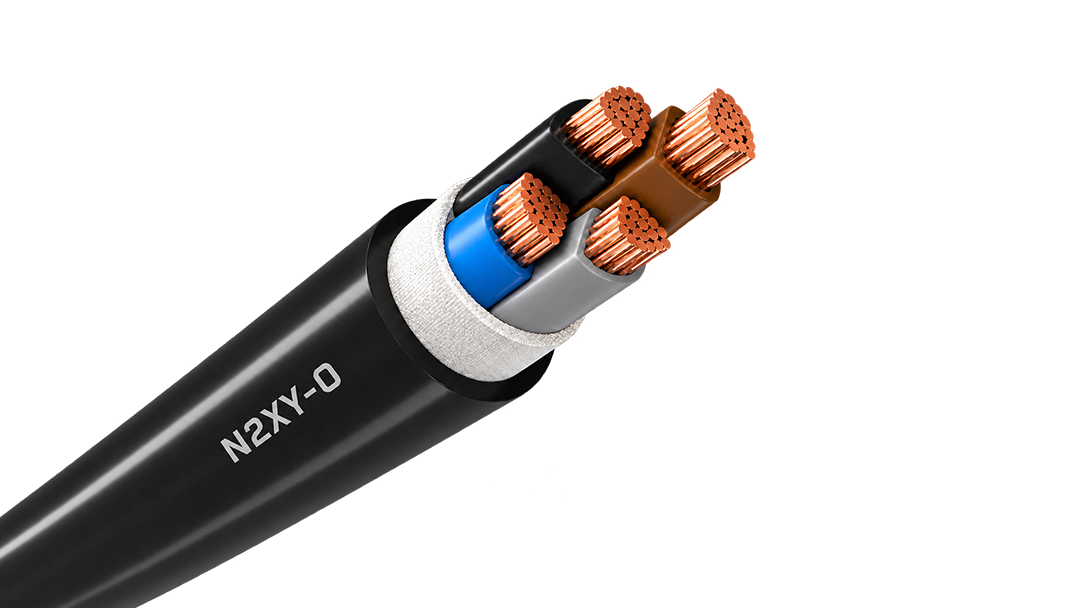
Copper XLPE 0.6/1 kV cable for demanding fixed feeders, outdoor routes and power distribution.
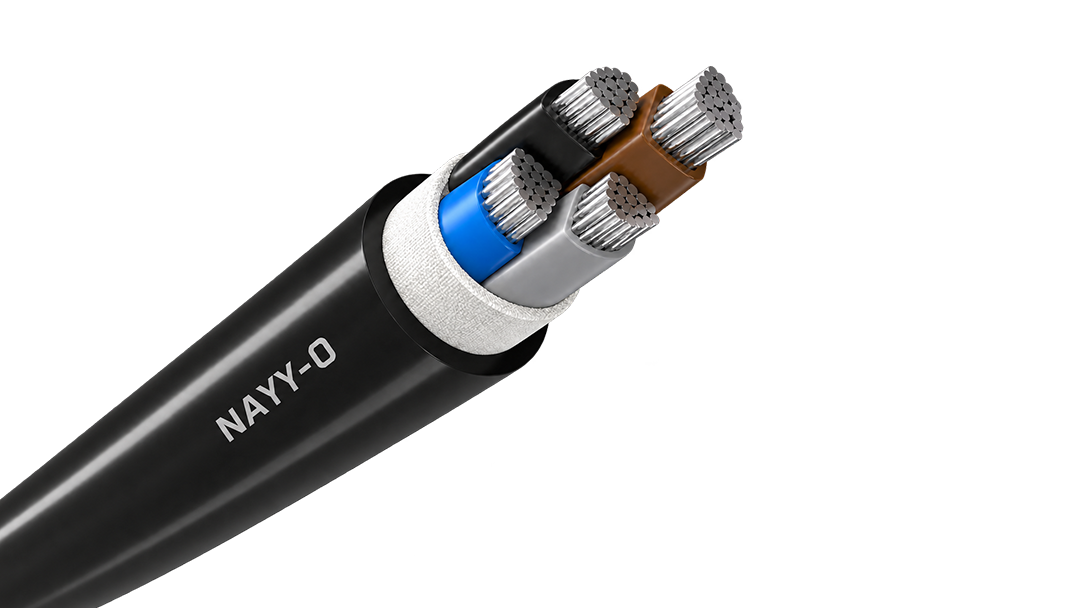
Aluminium 0.6/1 kV PVC cable for cost-conscious fixed distribution and long feeder routes.
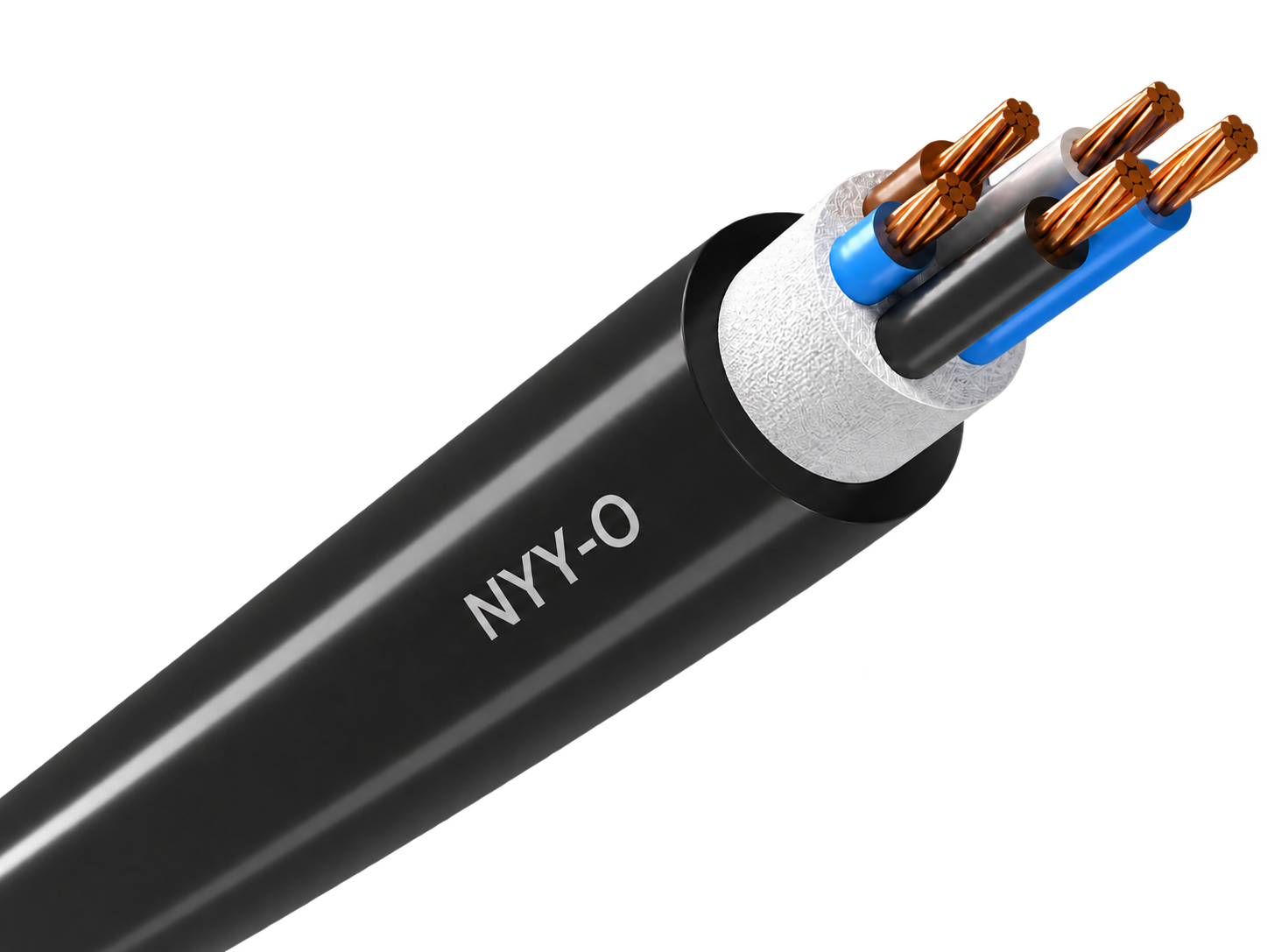
Robust 0.6/1 kV copper cable for economical fixed power distribution indoors, outdoors and underground.
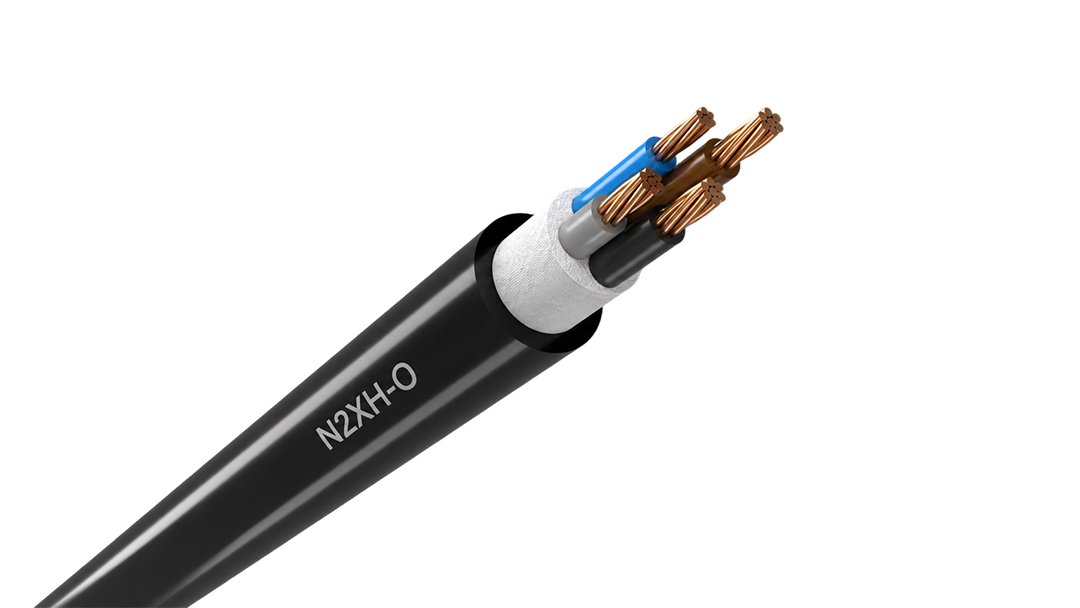
Low-smoke halogen-free 0.6/1 kV cable for fixed distribution in occupied and critical buildings.

hot search


Not automatically. The same voltage rating, flexible Class 5 conductor or tinned-copper construction does not make two DC cables equivalent.
The current HORNOUR ESS DC Cable is a fixed-installation product for battery racks, combiner equipment and PCS connections, with a 1.5 kV DC design, Class 5 tinned-copper conductor and cross-linked halogen-free insulation and sheath. EN 50618 is used as a design basis, but ESS DC is not itself a standardized cable designation.
Equivalence should therefore be checked against voltage, conductor size, thermal duty, installation environment, equipment interface and the actual product documentation.
The required conductor size depends on where the cable is used and the electrical and thermal duty of that section.
A rack-to-combiner connection, a combiner-to-PCS feeder and an internal equipment link may all belong to the same ESS DC cable family, but they should not automatically use the same cross-section. Continuous current, route length, voltage drop, ambient temperature, cable grouping and available cooling all affect the final selection.
The current HORNOUR ESS DC range covers 1.5 to 400 mm² and is intended for fixed high-current connections in battery and power-conversion equipment.
Parallel cables should be selected as a coordinated set rather than treated as independent conductors.
As a general engineering principle, conductor material, cross-section, route length, routing conditions and termination arrangement should be kept comparable so that the parallel paths have similar electrical resistance and thermal conditions. Cable grouping and enclosure temperature also need to be included in the current-carrying calculation.
V3.6 does not define a HORNOUR-specific parallel-cable rule, so the final number and size of parallel conductors must follow the actual ESS circuit design, current requirement and equipment connection arrangement.
The cable must match the actual battery, combiner or PCS connection rather than only the required current and voltage.
Relevant information includes conductor size, terminal or busbar arrangement, required lug or terminal type, finished cable length, single-ended or double-ended termination, available connection space and cable-entry geometry.
For a finished ESS lead, the bulk cable specification and the completed assembly should be treated separately. The current HORNOUR product FAQ already requires the conductor size, finished length and termination details to be defined before a pre-terminated assembly can be confirmed.
The cable should be matched to both the environment and the type of movement expected in service.
The current HORNOUR ESS DC Cable is specified for fixed installation in dry, damp and wet environments, indoors or outdoors, with resistance to UV, ozone, weather and common industrial media such as oils, fuels, alkalis and acids.
Its Class 5 conductor provides routing flexibility, but that does not make it a continuous-flex cable. The technical data distinguishes static use from occasional flexing and defines different minimum bending radii for each condition.
Repeated mechanical movement therefore requires separate verification rather than being assumed from conductor flexibility alone.